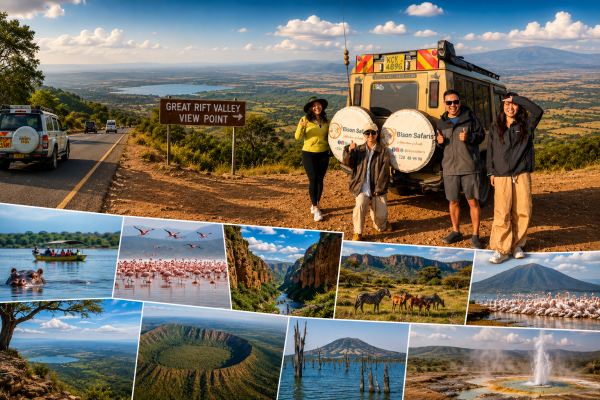
Innovation meets wildlife is one of the most rewarding experiences for any traveller. In this guide, we share expert tips and insights.
Nestled between the town of Nanyuki, Aberdare Ranges and the slopes of Mount Kenya, Ol Pejeta Conservancy spans 360 km² of breathtaking wilderness. Ol Pejeta is East Africa’s largest black rhino sanctuary a beacon of hope for endangered species and a model of sustainable conservation.
This vast sanctuary truly embodies how innovation meets wildlife, offering a unique blend of natural beauty and cutting-edge protection, making it a must-visit destination for those passionate about conservation.
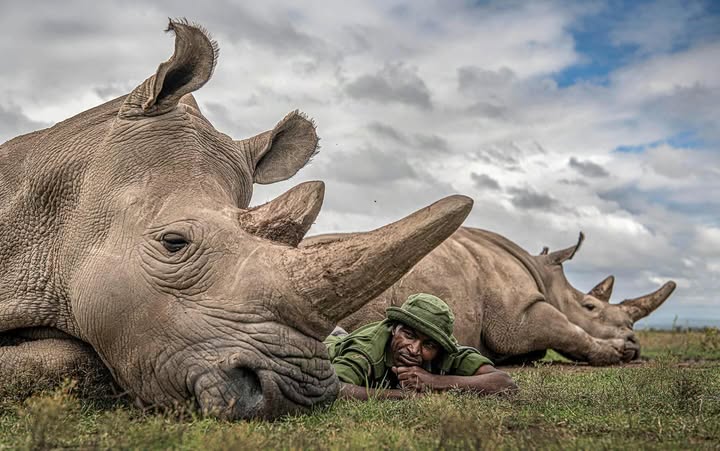
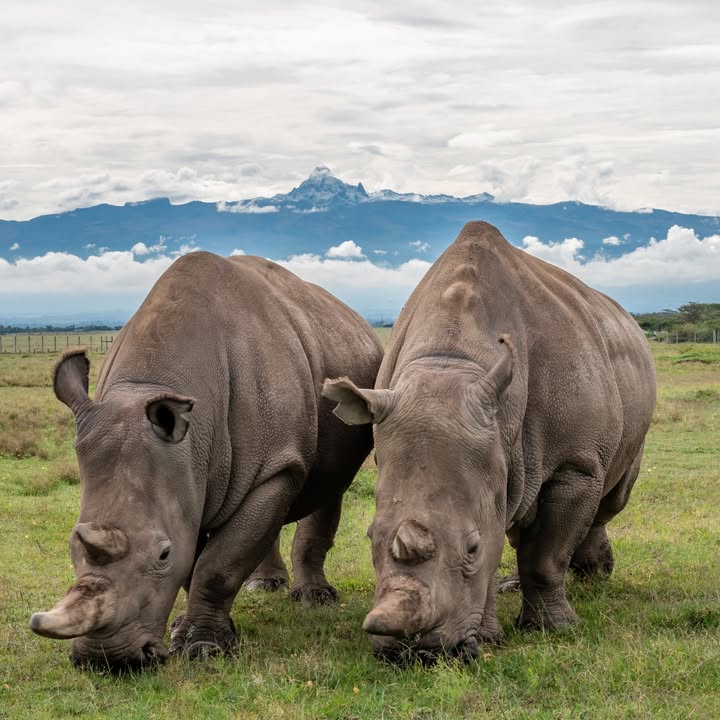
Once a humble cattle ranch founded in 1940 Ol Pejeta transformed in response to growing threats from poaching and habitat destruction, this gave rise to one of the continent’s most successful conservation stories. Today the conservancy is home to over 100 black rhinos and holds the profound honour of being the final refuge for the world’s last two northern white rhinos Fatu and Najin, as a non-profit organization Ol Pejeta tirelessly protects wildlife empowers communities and redefines what it means to live in harmony with the wild.
This remarkable transformation is a testament to how innovation meets wildlife challenges head-on, creating a thriving ecosystem where endangered species can find refuge and flourish under vigilant care.
Ol Pejeta’s Innovative strategies for wildlife protection
At the heart of Ol Pejeta’s success lies a profound commitment to strategies where innovation meets wildlife conservation, ensuring the long-term survival of its precious inhabitants. These forward-thinking approaches set a global benchmark for protected areas.
Technological Strategies: Innovation Meets Wildlife
Ol Pejeta Conservancy has embraced technology to enhance wildlife protection and conservation
AI-Powered Monitoring Systems
Ol Pejeta uses artificial intelligence to analyse data from camera traps and sensors placed throughout the conservancy. These AI systems can automatically identify different animal species detect human intrusions and alert rangers in real-time allowing for faster response to potential threats.
This sophisticated integration of AI exemplifies how innovation meets wildlife protection, providing an invisible shield against threats and ensuring the safety of every creature within the conservancy.
Drone Surveillance
Drones are deployed to monitor remote areas, track animal movements and detect suspicious activity. This aerial surveillance provides a broader safer view and helps reduce the need for foot patrols in dangerous terrain.
Through drone technology, innovation meets wildlife monitoring, offering unparalleled oversight and rapid response capabilities that are crucial for effective anti-poaching efforts.
Radio and Communication Technology
Ol Pejeta has invested in dedicated radio stations and communication networks that allow rangers to coordinate efforts quickly and efficiently.
Reliable communication is another cornerstone where innovation meets wildlife security, enabling seamless coordination among ground teams and ensuring every ranger is connected and informed.
Anti-Poaching and Security Measures
Beyond technology, Ol Pejeta’s robust anti-poaching strategies are a prime example of how innovation meets wildlife defense, creating a formidable barrier against illegal activities.
Ol Pejeta has invested in proactive and strategic anti-poaching methods to deter illegal activity and ensure the safety of its wildlife.
Ol Pejeta’s Highly Trained Canine Unit
Ol Pejeta maintains an elite canine unit trained in tracking, detecting firearms and sniffing out wildlife products like ivory and rhino horn the canine unit also plays a strong deterrent role making it riskier for poachers to target the conservancy.
The dedication of these canine heroes truly showcases how innovation meets wildlife protection through specialized training and unwavering loyalty, forming an indispensable part of the conservancy’s security.
Smart Fencing and Access Control
Ol Pejeta uses electrified and smart fencing to secure the perimeter combined with access control at gates to monitor and record all entries and exits.
These physical barriers and monitoring systems are another layer where innovation meets wildlife security, preventing unauthorized access and ensuring perimeter integrity around the clock.
Community Engagement and Sustainability at Ol Pejeta
Beyond direct protection, Ol Pejeta champions a holistic approach where innovation meets wildlife conservation through community engagement and sustainable practices, recognizing that local communities are vital partners.
Integrating Cattle with Wildlife
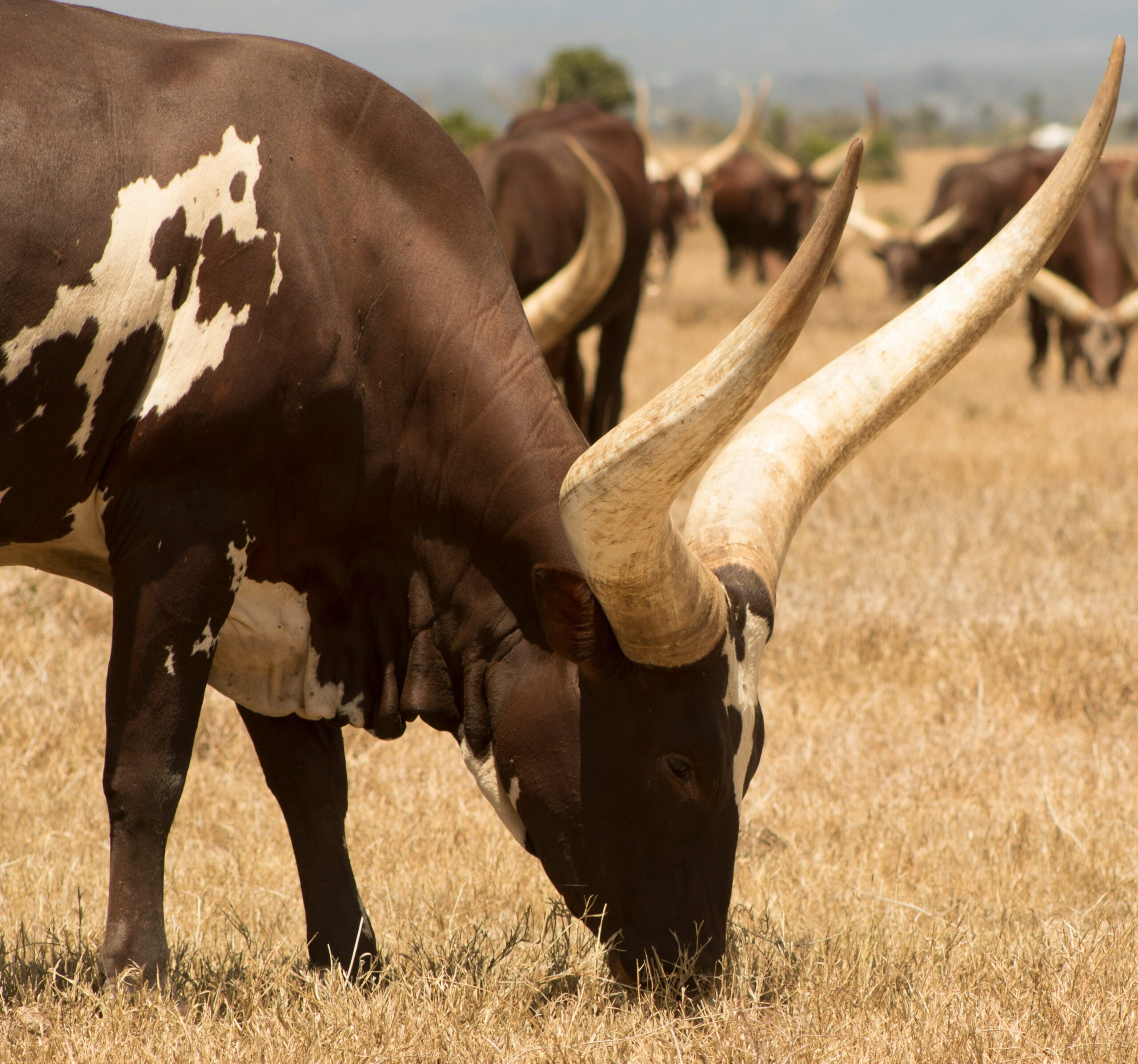
Ol Pejeta operates as both a wildlife conservancy and a commercial cattle ranch, allowing livestock and wildlife to coexist on the same land. Properly managed grazing improves grassland health mimicking natural grazing patterns that benefit herbivores like zebras and buffalos.
This unique model demonstrates how innovation meets wildlife management, creating a symbiotic relationship between agriculture and conservation that benefits both the ecosystem and local livelihoods.
Sustainable Livelihood Projects
The conservancy supports community enterprises such as eco-agriculture, beekeeping and women-led cooperatives by providing alternative income sources these projects reduce dependence on natural resources and discourage activities like poaching or habitat encroachment.
These initiatives are powerful examples of how innovation meets wildlife conservation by empowering people and fostering a shared responsibility for the environment, ensuring long-term success.
Predator Conservation Initiatives
Even in predator conservation, Ol Pejeta shows how innovation meets wildlife challenges, employing advanced techniques to monitor and protect these crucial species that maintain ecological balance.
As apex predator’s lions, leopards and cheetahs play a vital role in maintaining the balance of ecosystems. Ol Pejeta has implemented targeted strategies to monitor and conserve these big cats within the conservancy.
Lion Monitoring and Research
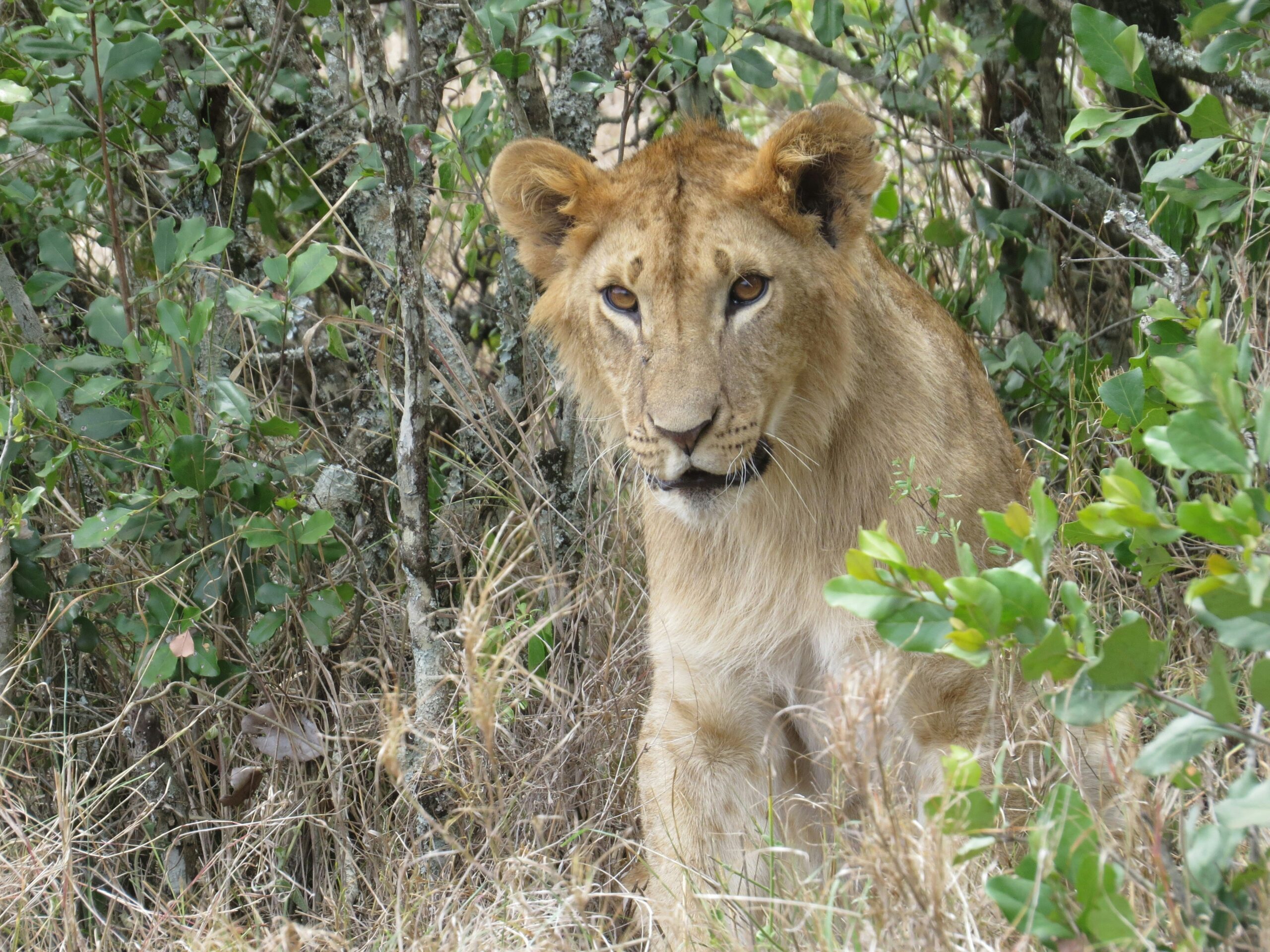
Ol Pejeta runs a dedicated lion monitoring program that uses GPS collars, camera traps and field observation to track pride movements breeding patterns and health status. The data collected helps in understanding lion behaviour reducing human-wildlife conflict and ensuring their long-term survival.
This meticulous research is a testament to how innovation meets wildlife science, providing critical insights for effective predator management and ensuring the health of lion populations.
Leopard Conservation
Conservationists work hard to minimize retaliatory killings by engaging nearby communities and promoting awareness about coexisting with these predators.
Through community engagement and education, innovation meets wildlife coexistence, fostering a harmonious relationship between humans and leopards, which is crucial for their survival.
Cheetah Protection
As one of the more vulnerable predators due to habitat loss and low genetic diversity cheetahs receive special attention. Ol Pejeta supports efforts to monitor population numbers maintain open landscapes and ensure healthy prey availability to support cheetah survival.
Protecting cheetahs requires a delicate balance, and here too, innovation meets wildlife needs through targeted habitat and prey management, ensuring these magnificent cats continue to grace the plains.
How to Get to Ol Pejeta Conservancy?
By Road
Ol Pejeta Conservancy is about 200 km north of Nairobi and can be reached by road in approximately 3.5 to 4.5 hours. The drive takes you through Thika, Karatina and Nanyuki with the final 13 km to Rongai Gate on a well-graded dirt road.
By Air
For a quicker and more comfortable journey you can take a 45-minute flight from Wilson Airport in Nairobi to Nanyuki Airstrip from the airstrip it is about a 30-45 minutes transfer by road to Ol Pejeta.
What is the Park Fee for Ol Pejeta?
Entry fees vary based on residency and age. Kenyan citizens pay KES 2,000 for adults and KES 1,000 for children (ages 3–11) while East African residents pay KES 3,500 for adults and KES 1,750 for children. Non-residents are charged USD 110 for adults and USD 55 for children. Children under 3 years enter free. All payments are cashless and entry tickets must be booked online in advance and a valid ID or passport is required for verification at the gate.