Nocturnal forest ghost is one of the most rewarding experiences for any traveller. In this guide, we share expert tips and insights.
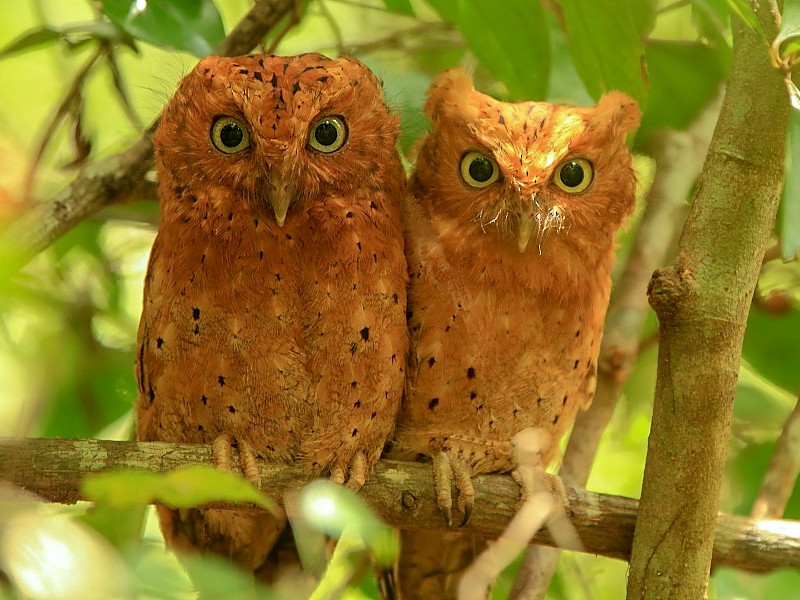
The Sokoke scops owl, often referred to as a nocturnal forest ghost, is a small and nocturnal owl with delicate, rufous-brown plumage, streaked and mottled to blend perfectly with the bark of trees. It is endemic to eastern Africa and is found in Kenya and Tanzania. It is found in the Arabuko-Sokoke Forest and Dakatcha Woodlands.
In Tanzania, this elusive bird is found in the Usambara Mountains, where the thick and forest floor teems with insects. It is rarely seen and studied, leading to a secretive existence and is perfectly adapted to a fragile ecosystem. Beneath its quiet demeanor lies a story of specialization, resilience and survival, making it a hidden jewel for ornithologists and a symbol of delicate balance and mystery of Africa’s coastal forests.
The Unique Features of the Sokoke Scops Owl
Found only in an extremely limited range: Nocturnal Forest Ghost
The Sokoke Scops Owls are mainly found in the coastal forests of Kenya and Tanzania, making them vulnerable to environmental changes and habitat destruction.
Exceptional camouflage behavior
This is a striking feature as owl plumage, rich rufous-brown, is streaked and mottled to mimic the bark of the trees. This camouflage behavior is an adaptation to avoid predators and ambush insects at night without detection, making it a true nocturnal forest ghost.
It is of a very small size
It is one of the smallest scops owls in Africa. Its tiny size is a hallmark of its evolutionary adaptation to a highly specialized forest niche, allowing this nocturnal forest ghost to navigate dense undergrowth with ease.
Distinctive vocalizations
The owl’s low-pitched, soft hoots are unique among regional scops owls and serve as a critical tool for communication in the dense forest. These calls allow individuals to mark their territory, attract mates and maintain contact across distances in the dark, a testament to the elusive nature of this nocturnal forest ghost.
Recently discovered
Sokoke Scops Owl remained undetected by science until 1992. This late discovery emphasizes the difficulty of studying this species-rich, unexplored biodiversity of Africa’s coastal forests, highlighting why it’s often called a nocturnal forest ghost. The discovery sparked conservation interest in the Arabuko-Sokoke Forest, drawing attention to the importance of protecting habitat for cryptic species.
The habitat specialist
The owl lives in undisturbed, tall and dry lowland coastal forests with dense understory. This strict habitat requirement makes the owl extremely sensitive to environmental change, such as deforestation and human encroachment, further emphasizing its status as a delicate nocturnal forest ghost.
It is secretive and nocturnal
The owl is nocturnal and rarely seen during daylight hours. It remains motionless during the day to avoid predators and human disturbance. This nocturnal activity pattern allows it exploit insect prey while minimizing competition with diurnal birds, truly embodying the essence of a nocturnal forest ghost.
Subtle sexual dimorphism
Males and females look nearly identical, with slight differences in size, as females are slightly larger. This subtle sexual dimorphism in the Sokoke scops owl gives equal ecological roles in hunting, territory defense and chick rearing.
Specialized diet
The Sokoke Scops Owl primarily feeds on insects such as beetles, grasshoppers and moths, occasionally preying on small vertebrates such as lizards. The owl’s silent flight, excellent night vision and agility make it an effective hunter in the dense forest, a perfect skill set for a nocturnal forest ghost.
Tree cavity nester
The owl nests in natural tree cavities, providing protection for eggs and chicks from predators and harsh weather. The nesting sites are found in mature and undisturbed trees, making the owl highly dependent on intact forest stands.
The adapted eyesight
The large, bright yellow eyes make the Sokoke Scops Owl highly adapted to nocturnal life. Its vision is tuned to detect small movements in low light, to spot insect prey and navigate through dense forest under the cover of darkness.
Silent flight
The wings are specialized for silent flight, a common trait in many owls, particularly for small, forest-dwelling species. The silent flight helps the owl approach prey undetected and avoid alerting predators.
Evolutionary distinctiveness
The genetic and morphological studies suggest the Sokoke Scops Owl is distinct, reflecting long-term isolation and adaptation to coastal forests.
It is vulnerable to habitat Loss
Sokoke scops owl survival is linked to intact coastal forest, making it vulnerable to logging, agriculture and human encroachment.
Sokoke Scops Owl is a rare bird, a symbol of hidden wonders and the delicate balance of Africa’s coastal forests. Its secretive nature, exceptional camouflage and strict habitat specialization make it a unique species, truly a nocturnal forest ghost.
Protecting the Arabuko-Sokoke Forest and coastal habitats is crucial for the survival of this tiny owl.