Zanzibar
 About Pemba Island
The Masai Mara National Reserve is widely regarded as the finest wildlife sanctuary in the world. Covering 1,510 square kilometres of open savanna grassland, gentle rolling hills, and riverine forests in southwestern Kenya, it forms part of the greater Serengeti-Mara ecosystem — one of the last great wilderness areas on Earth.
Named after the Maasai people — the ancestral inhabitants of the area — and the Mara River that bisects it, the reserve was established in 1961. Today it is Kenya’s most visited safari destination, attracting hundreds of thousands of visitors each year who come to witness some of nature’s most breathtaking spectacles.
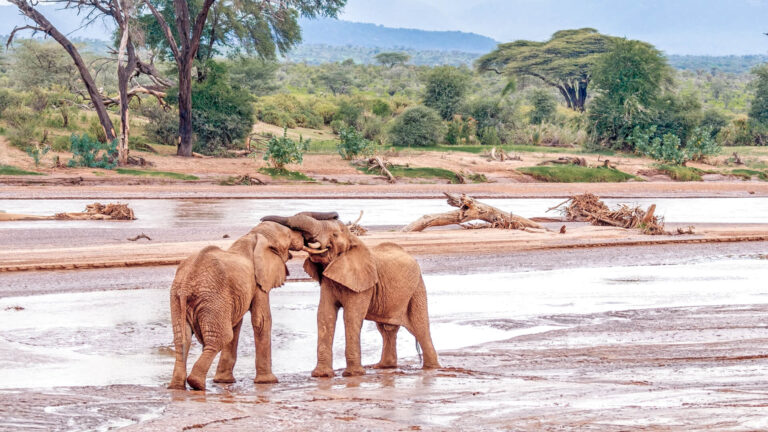
The Mara is home to an extraordinary concentration of wildlife including all of the Big 5 — lion, leopard, elephant, buffalo, and rhino — as well as cheetahs (the Mara has one of the highest densities of cheetahs in Africa), hippos, crocodiles, giraffes, zebras, and over 450 species of birds.
Why Safari in Pemba Island?
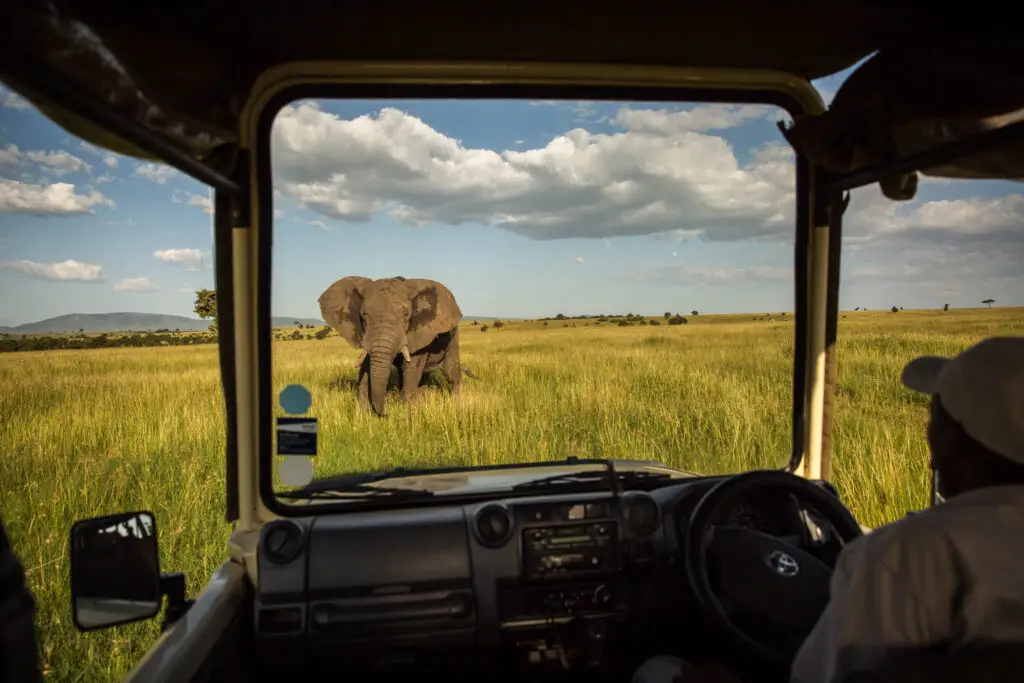
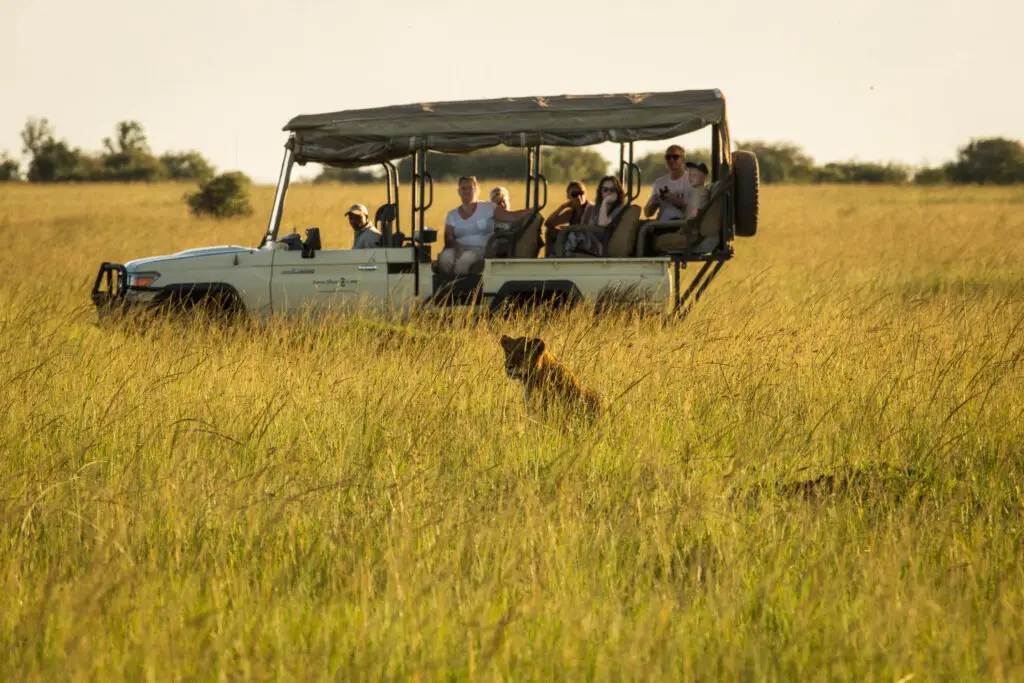
The Masai Mara offers an unrivalled safari experience. Unlike many other reserves, the Mara’s open grasslands provide exceptional visibility — large predators and their prey are easily spotted, and game drives frequently yield multiple sightings of lions, cheetahs, leopards, elephants, and vast herds of wildebeest and zebra.
The reserve is also one of the few places in Africa where you can combine classic game drives with hot air balloon safaris, guided bush walks, night drives (in private conservancies), and Maasai cultural visits — making it the perfect all-in-one safari destination for first-time and returning visitors alike.
The Great Wildebeest Migration
Every year between July and October, over 1.5 million wildebeest, 300,000 zebras, and 200,000 gazelles cross the Mara River from Tanzania's Serengeti in search of fresh grazing. The dramatic river crossings — with surging herds braving crocodile-infested waters — are considered the greatest wildlife spectacle on Earth.
Destination Highlights
Big 5 Encounters
The Mara is one of the few places where all Big 5 can be seen on a single game drive. Lion prides are frequently spotted within minutes of entering the reserve.
Great Migration
Witness the world's largest overland migration — 1.5 million wildebeest crossing the Mara River. Best viewed July–October at key crossing points.
Hot Air Balloon Safaris
Float silently over the Mara at dawn for a bird's-eye view of the savanna, followed by a champagne bush breakfast — a truly unforgettable experience ($450).
Maasai Cultural Visits
Visit a traditional Maasai manyatta (village) to experience their ancient warrior culture, songs, dances, and learn about their unique relationship with wildlife.
Birding Paradise
Over 450 recorded bird species including martial eagles, lilac-breasted rollers, secretary birds, ostriches, and six species of vulture.
Conservancies
Private conservancies like Mara North, Naboisho, and Olare Motorogi offer exclusive game drives, night drives, and bush walks unavailable in the main reserve.
Pemba Island in Pictures
Pemba Island Safari Packages
From budget shared safaris to luxury flying experiences — find the perfect adventure for your style and budget.
Safari packages coming soon. Contact us for a custom itinerary.
Where to Stay
Tourist Camps
Comfortable tented camps just outside the reserve gates. En-suite rooms with hot showers, full-board meals, and close proximity to the Mara.
- Rhino Tourist Camp
- Mara Explorers Camp
- Enchoro Wildlife Camp
Tented Lodges
Spacious canvas tents on raised platforms with private decks, often inside or adjacent to conservancies. Better access and fewer crowds.
- Sentrim Mara Camp
- Basecamp Masai Mara
- Mara Serena Safari Lodge
Premium Lodges
World-class lodges and exclusive camps in private conservancies. Night drives, bush walks, spa, and personalized service — the ultimate safari experience.
- Angama Mara
- Mahali Mzuri (Sir Richard Branson)
- andBeyond Bateleur Camp
Best Time to Visit
Peak Season
July – October- Great Migration river crossings
- Ideal weather — dry, warm days
- Best predator-prey action
- Highest prices & most visitors
Calving Season
January – March- Wildebeest calving (500,000 born)
- Excellent predator action
- Fewer crowds than peak
- Lush green landscapes
Green Season
November – June- Lowest prices (20–30% off)
- Fewer tourists — exclusive feel
- Best birding season (migrants)
- Some rain — short afternoon showers
Pemba Island FAQ
The Masai Mara is excellent year-round. July–October is peak season for the Great Migration and dramatic river crossings. January–March offers calving season with incredible predator action. November–December is the "green season" with fewer crowds, lower prices, and excellent birding.
Budget shared safaris start from $450/person for 3 days including accommodation, meals, transport, and park fees. Mid-range private safaris range $800–$1,200. Luxury and flying safaris start from $1,500+ per person. All Bison Safaris packages include park entry fees, full-board accommodation, and professional driver/guide.
The Masai Mara is famous for the Big 5 — lion, leopard, elephant, buffalo, and rhino. You'll also see cheetahs (the Mara has one of Africa's highest densities), hippos, crocodiles, Masai giraffes, zebras, wildebeest, hyenas, jackals, servals, and over 450 bird species including martial eagles, lilac-breasted rollers, and secretary birds.
By road: 5–6 hour scenic drive (270km) from Nairobi through the Great Rift Valley via Narok. The drive is half the experience — stunning viewpoints and glimpses of rural Kenya. By air: 45-minute flight from Nairobi's Wilson Airport to Mara airstrips (Keekorok, Olkiombo, Musiara). All Bison Safaris packages include transfers.
Non-resident adults: $80/person/day (24 hours). Children (3–17): $45/day. East African citizens: KES 1,200/adult. Conservancy fees vary ($80–$120/day) but include exclusive activities. All fees are included in Bison Safaris packages.
Absolutely! The Masai Mara is one of the safest safari destinations in Africa. Children of all ages are welcome, and the open grasslands mean sightings are easy to spot even for young travellers. Many lodges offer family-friendly rooms, kids' programs, and short "mini game drives." We recommend children be at least 5 years old for the best experience.