Zanzibar
 About Stone Town Zanzibar
Stone Town Zanzibar is not merely a district; it is a sensory immersion into a thousand years of Indian Ocean history. Built primarily from coralline rag stone and mangrove timber, the town serves as a physical manuscript of the Swahili Coast’s evolution. Its significance lies in its role as a cultural “melting pot,” where the monsoon winds once brought Persian explorers, Omani Sultans, Indian merchants, and European missionaries, each leaving an indelible mark on the city’s DNA.
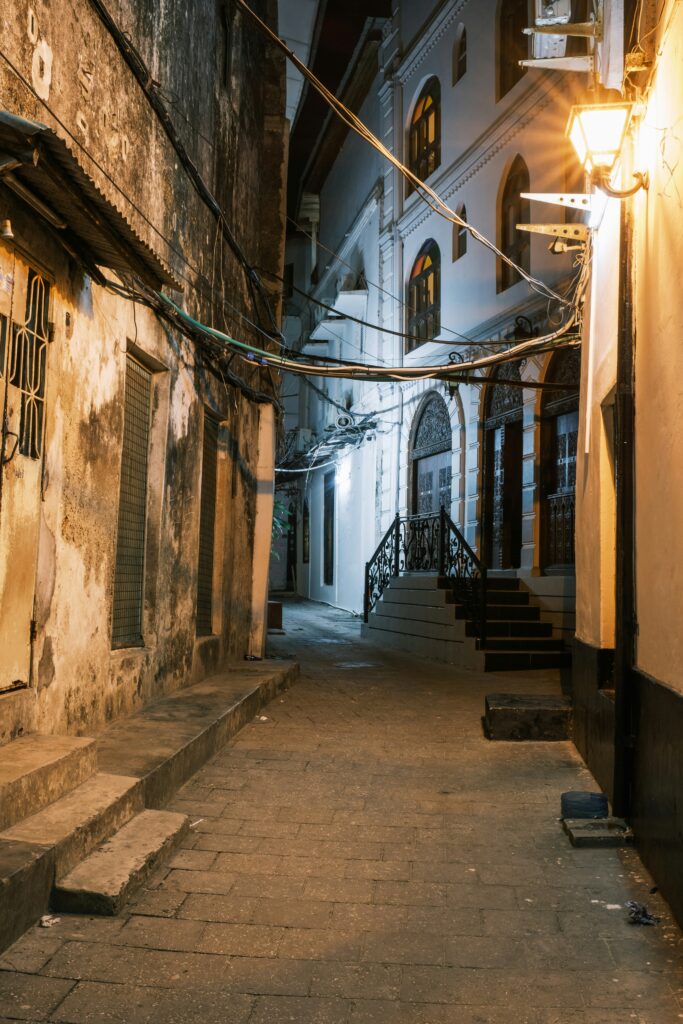
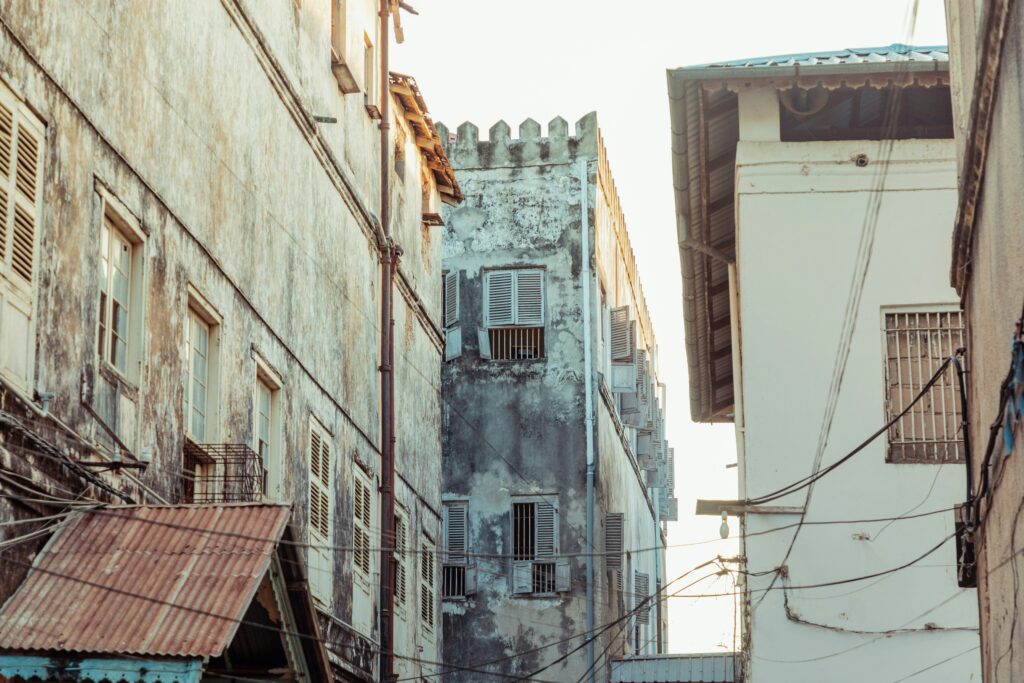
The town’s layout is a masterclass in traditional urban planning designed for a tropical climate. Its famously narrow, serpentine alleys – rarely wider than a few meters – act as natural wind tunnels, funneling the sea breeze to cool the coral-stone dwellings. Towering four-story houses lean toward one another, their limestone-washed walls reflecting the harsh equatorial sun, while magnificent Zanzibar doors – heavily carved with brass studs (an Indian defense against elephants) or intricate floral patterns (representing Quranic symbols of fertility and peace) – serve as the primary status symbol for the families within.
Walking through Stone Town is a journey through layers of triumph and tragedy. From the haunting shadows of the Old Slave Market, where the echoes of the East African slave trade still resonate, to the regal silhouette of the House of Wonders, which was the first building in East Africa to boast an elevator and electricity, the town is a testament to Zanzibar’s former status as a global powerhouse. Today, the air remains thick with the scent of cloves, cinnamon, and roasting coffee from street-side barazas (stone benches), where elders still gather to play Bao, ensuring that the ancient rhythms of the Spice Islands remain unbroken by the modern world.
Why visit Stone Town Zanzibar?
The Living History of the Swahili Coast
Stone Town is a UNESCO World Heritage site and one of the last functional ancient towns in Africa. Walking through its 2,500 winding alleys feels like stepping into a 19th-century manuscript. The architecture—a fusion of Arab, Indian, Persian, and European styles—tells the story of the monsoon winds that brought traders to these shores for over a millennium.
A Masterclass in Architecture
The town is famous for its carved Zanzibar doors. These massive teak portals are more than just entrances; they are historical status symbols. You’ll see brass-studded doors (an Indian tradition to ward off elephants) and intricate floral carvings that signify the wealth and trade history of the families who lived behind them.
Top Reasons to Visit:
- The Spice Heritage: Once the “Spice Capital of the World,” the air in Stone Town still carries the scent of cloves, nutmeg, and cinnamon. Exploring the local markets or taking a nearby spice farm tour is an essential sensory experience.
- The Nightly Food Spectacle: Every evening at sunset, Forodhani Gardens transforms into a massive open-air seafood market. It is the social heart of the city, where you can watch “Zanzibar Pizzas” being tossed and sample fresh sugarcane juice while dhows sail past in the twilight.
- A Journey of Reflection: The Old Slave Market and the Anglican Cathedral built over it offer a powerful, sobering look at the East African slave trade. It is a necessary pilgrimage for understanding the region’s complex human history.
- The “House of Wonders”: Although currently under restoration, this towering landmark was the first building in East Africa to have electricity and an elevator, symbolizing the Sultanate’s former global influence.
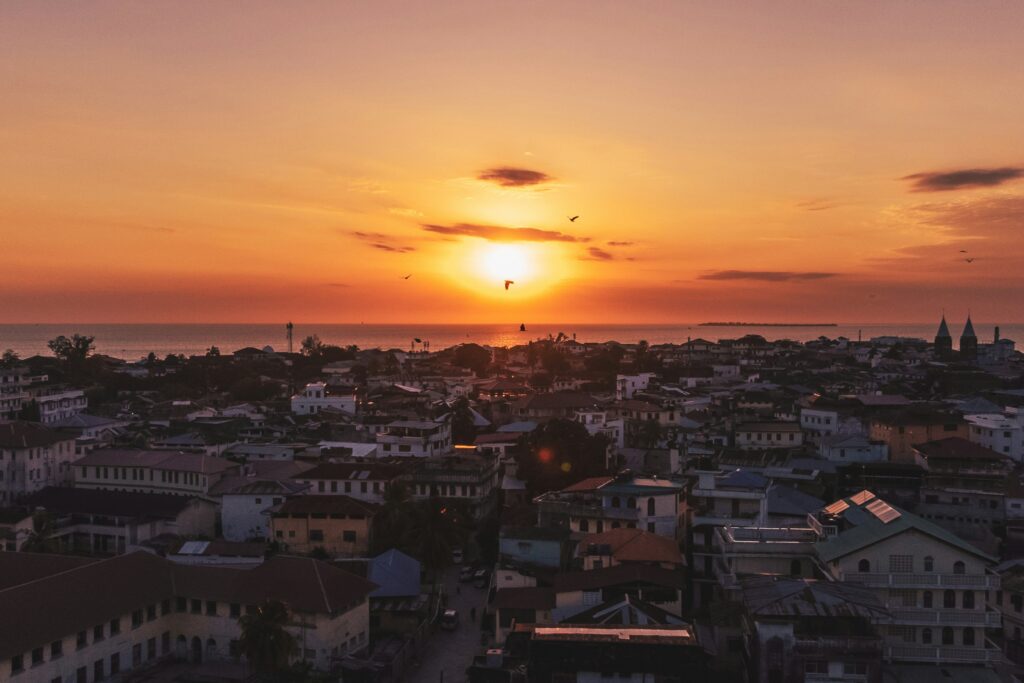
- The Sunset Ritual: Stone Town offers some of the best sunset views in the Indian Ocean. Whether from a rooftop bar like Emerson Spice or a traditional wooden dhow, the sight of the sun dipping into the turquoise waters is world-class.
- The Labyrinthine Shopping: Unlike modern malls, shopping here is an adventure. Discover hidden boutiques selling vibrant Kanga and Kitenge fabrics, handmade leather sandals, and intricate silver jewelry tucked away in tiny coral-stone shops.
A Cultural Melting Pot
You visit Stone Town Zanzibar to experience “Island Time” and the warm hospitality of the Swahili people. It is a place where you can hear the hauntingly beautiful Adhan (call to prayer) echoing from minarets while simultaneously hearing the chatter of coffee sellers and the rhythmic clicking of Bao games being played on street-side stone benches (barazas).
Must-Visit Attractions:
- The Old Fort (Ngome Kongwe): A 17th-century fortification now used for cultural events.
- The House of Wonders: A majestic landmark (currently undergoing restoration) overlooking the sea.
- Old Slave Market/Christ Church Cathedral: A site of immense historical significance and reflection.
- Darajani Market: The chaotic, sensory-overload heart of local commerce.
Practical Tips:
- Dress modestly (shoulders and knees covered) to respect the local Muslim culture.
- Carry small bills in Tanzanian Shillings (TZS) for market shopping and tips
Stone Town Zanzibar: The Night Market
Every evening, Forodhani Gardens transforms into a bustling open-air food market. Locals and tourists gather to sample Zanzibar Pizza , skewers of freshly grilled lobster , and cold glasses of sugarcane juice . The smoke from the grills and the sounds of the Indian Ocean create an atmosphere that captures the true essence of Zanzibari hospitality.
Destination Highlights
Historic Architecture
Admire the intricate "Zanzibar doors" and coral-stone buildings dating back centuries.
Spice Trade Heritage
Explore the aromatic history that made Zanzibar the world's leading clove producer.
Multicultural Fusion
Experience a unique blend of African, Arab, Indian, and European traditions in one city.
Coastal Sunsets
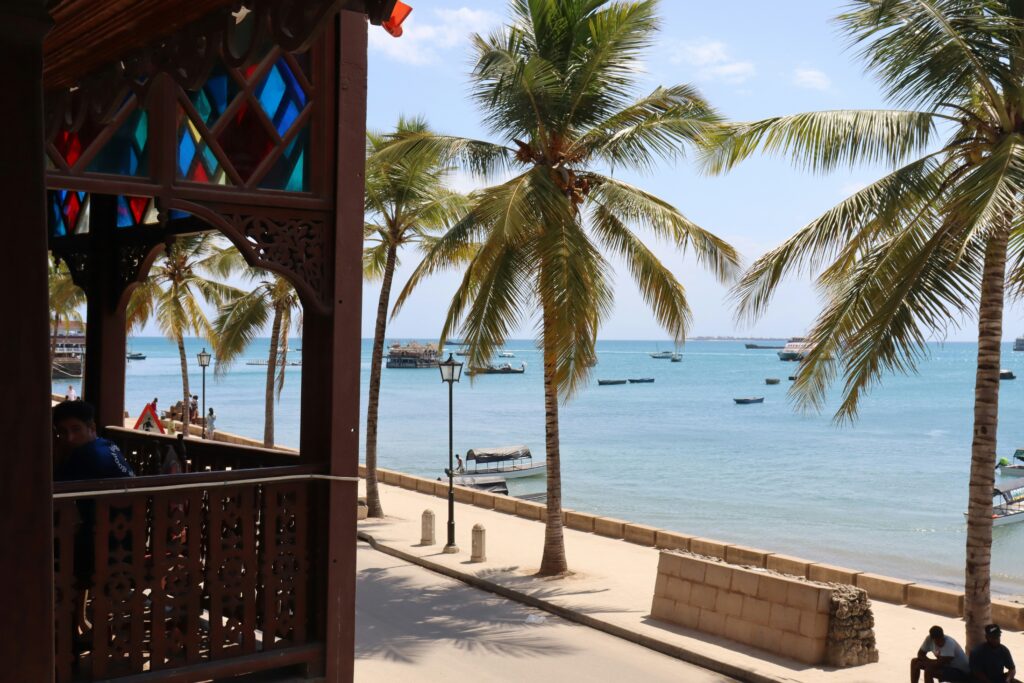
Watch traditional wooden dhows sail past the seafront as the sun dips below the horizon.
Culinary Delights
Taste the "Zanzibar Pizza" and fresh seafood at the nightly Forodhani Gardens market.
Sobering History
Visit the Old Slave Market to reflect on the island's role in the East African slave trade.
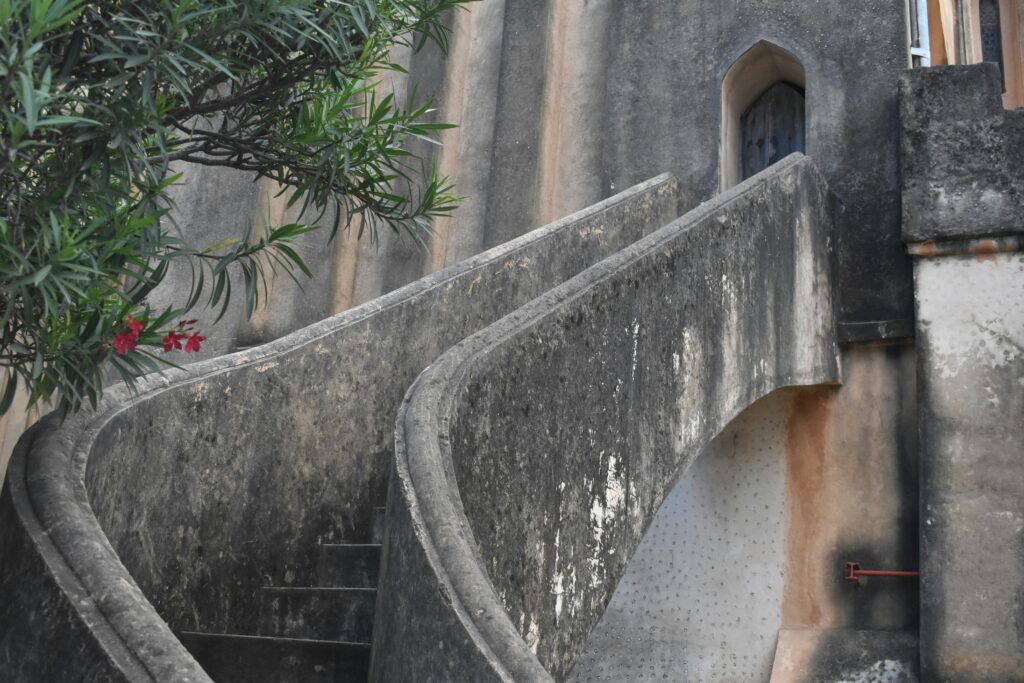
Stone Town Zanzibar in Pictures
Stone Town Zanzibar Safari Packages
From budget shared safaris to luxury flying experiences — find the perfect adventure for your style and budget.
Safari packages coming soon. Contact us for a custom itinerary.
Where to Stay
Tourist Camps
Authentic guesthouses in the heart of the alleyways with basic Swahili charm.
- Hanaia House
- Safari Hotel
- African Angel House
Tented Lodges
Heritage buildings restored with modern amenities and classic Zanzibari decor.
- Tembo House Hotel
- Dhow Palace Hotel
- Antonio Garden Hotel
Premium Lodges
Opulent boutique palaces offering rooftop pools, fine dining, and elite service.
- Park Hyatt Zanzibar
- Emerson Spice
- Zanzibar Coffee House
Best Time to Visit
Cool Dry Season
June - October- Perfect for walking tours
- Vibrant festivals
- Clear blue skies
- Ideal for island hopping
Short Rainy Season
November - December- Lower tourist crowds
- Occasional afternoon showers
- Lush green landscapes
- Great for photography
Hot Dry Season
January - February- Warm tropical temperatures
- Excellent ocean visibility
- Peak beach holiday vibe
- Active night markets
Stone Town Zanzibar FAQ
Yes, it is generally very safe, though it is wise to avoid dimly lit alleys late at night.
While you can wander alone, a guide is highly recommended to explain the history and prevent getting lost in the maze.
Walking is the only way to see the inner city. Taxis are used for longer distances outside the historic center.
Zanzibar is a conservative Muslim society. While swimwear is fine at your hotel pool, you must dress modestly in Stone Town. Both men and women should keep shoulders and knees covered. A light scarf is handy for women to wrap around themselves if needed.
Yes, Stone Town has the highest concentration of ATMs on the island (Barclays/Absa, NBC, and CRDB). Most are located near the Kenyatta Road area. Be aware that many ATMs have a withdrawal limit per transaction and may charge a small fee.
Swahili time is calculated from sunrise (6:00 AM). So, 7:00 AM is "hour one" of the day. If a local tells you a time that seems 6 hours off, they are likely using Swahili time! Always double-check if someone says "three o'clock" whether they mean 9:00 AM or 3:00 PM.
Yes! The legendary Queen frontman was born in Stone Town. You can visit the Freddie Mercury Museum located on Kenyatta Road, which is housed in the building where his family lived.