Tanzania
  Mid-Range
12 Days
Mid-Range
12 Days
About Ngorongoro Conservation Area
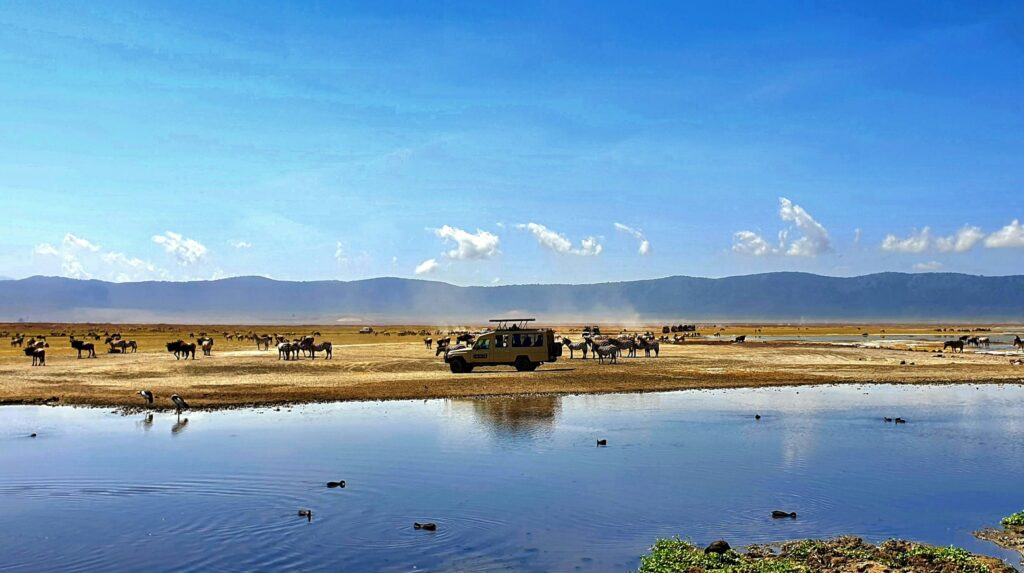
Known as the “Eden of Africa,” the Ngorongoro Crater is the world’s largest inactive, intact, and unfilled volcanic caldera. Formed nearly three million years ago when a massive volcano collapsed inward, this UNESCO World Heritage Site now serves as a self-contained ecosystem. The crater floor, sheltered by walls rising 610 meters, provides a permanent home to over 25,000 large mammals, offering one of the most reliable wildlife viewing experiences on the planet
Why visit Ngorongoro?
Ngorongoro is a geological marvel—the world’s largest intact, unfilled volcanic caldera. It offers a self-contained ecosystem where over 25,000 large mammals live within a 600m deep bowl. It is one of the few places in Africa where you are almost guaranteed to see the big 5 (lion, leopard, elephant, buffalo, and the rare black rhino) in a single morning.
Signature Highlights:
The Rare Black Rhino Stronghold
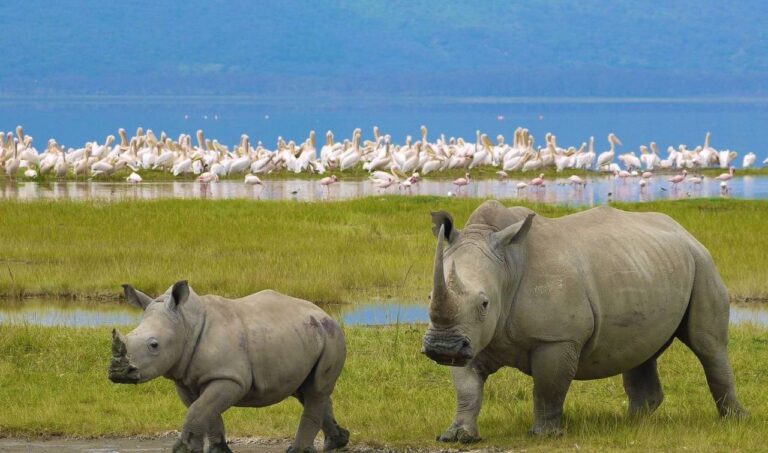
Ngorongoro is arguably the best place in East Africa to witness the critically endangered black rhino in its natural habitat. Shielded by the crater’s towering walls, these prehistoric-looking giants roam the open grasslands near Lake Magadi, offering a rare glimpse into a species that is elusive elsewhere.
Predator-Prey Drama on the Floor
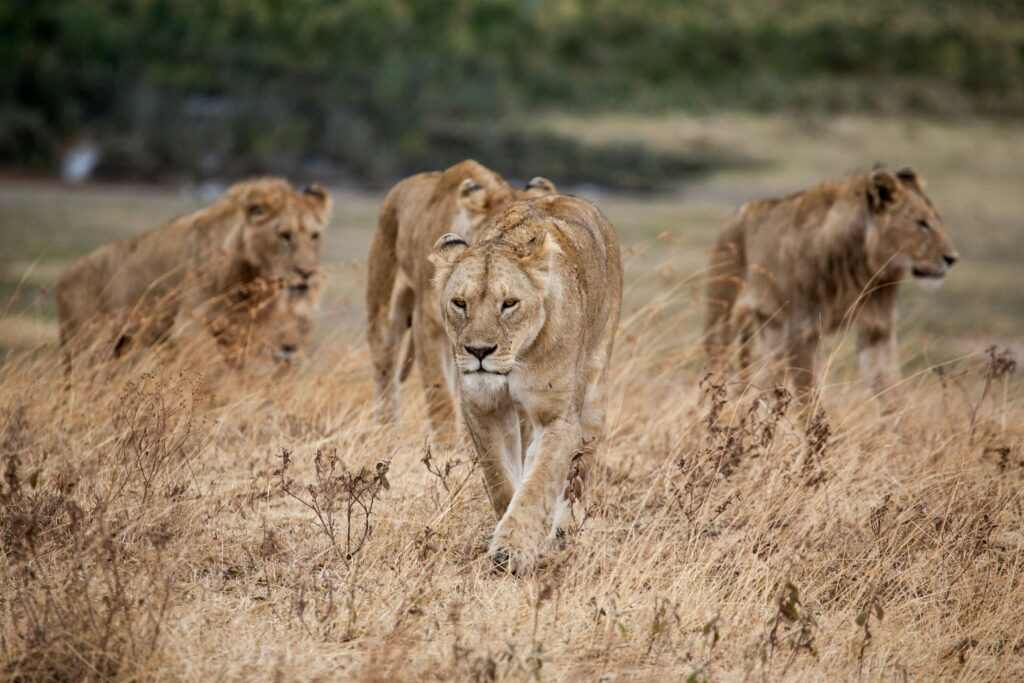
With the highest density of large carnivores in Africa, the crater floor is a theater of survival. It is not uncommon to witness a pride of lions stalking zebra or a spotted hyena clan competing for a kill before the morning mist has even lifted from the caldera floor.
The Great Migration Calving (Ndutu)
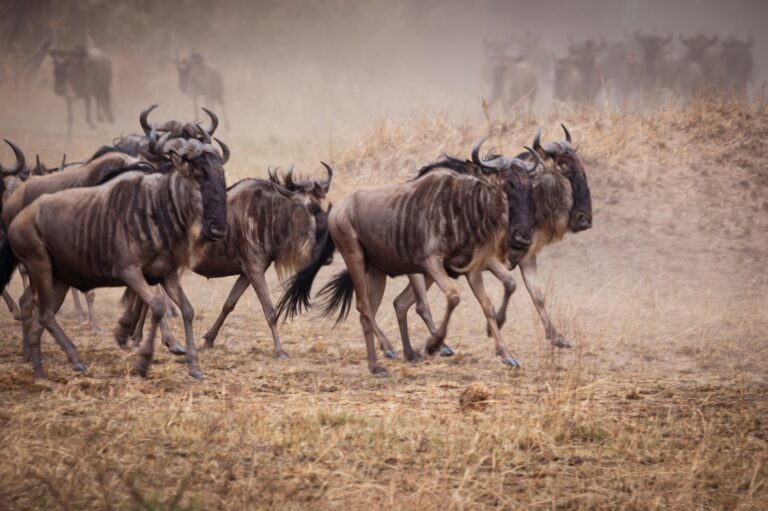
Between January and March, the short grass plains of Ndutu—located within the conservation area—become the stage for the Great Migration. Thousands of wildebeest give birth simultaneously, attracting intense predator activity and creating a breathtaking cycle of life.
Elephant “Super Tuskers”
The Lerai Forest on the crater floor is a sanctuary for some of Africa’s oldest and largest bull elephants. These “super tuskers,” with ivory that often reaches the ground, find refuge in the swampy wetlands and fever tree forests, providing iconic photographic opportunities.
Additional Highlights:
- Lake Magadi Flamingos: Pink hues of thousands of flamingos fringe the central soda lake.
- Big 5 Encounters: Witness all five iconic species within the crater’s natural walls
- Olduvai Gorge: Visit the “Cradle of Mankind” where early human fossils were found.
- Empakaai Crater Hike: A stunning trek to a deep soda lake hidden in a remote caldera.
- Maasai Cultural Bomas: Authentic interactions with the Maasai who live within the park.
- The Lerai Forest: A yellow-fever tree forest home to leopards and giant bull elephants
Must-Visit Attractions
- Engare Sero Footprints: Ancient hominid tracks preserved in volcanic ash.
- The Shifting Sands: A mysterious black dune that moves 17m per year across the plains.
- Gol Mountains: Remote, rugged landscapes perfect for “off-the-beaten-track” safaris.
Practical Safari Tips
- Pack Layers: It is freezing on the rim at 6:00 AM but warm on the floor by noon.
- Book Early: The best lodges on the rim fill up 6–12 months in advance for the dry season.
- Camera Gear: Bring a dust-proof bag and a beanbag for stabilizing long lenses in the vehicle.
The Great Wildebeest Migration
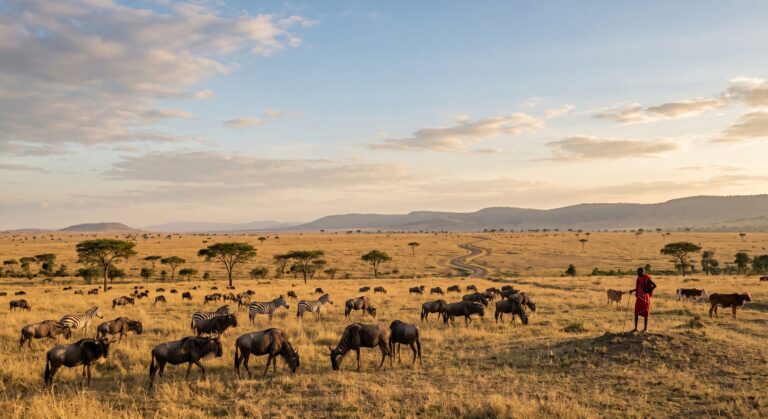
Every year between December and March , the Great Migration moves into the southern plains of Ngorongoro and Ndutu. Over 1.5 million wildebeest congregate here for the calving season, where up to 8,000 calves are born daily, drawing intense predator action from lions and cheetahs.
What Makes It Special
Destination Highlights
Big 5 Encounters
Spot the entire big 5 in a single morning on the compact crater floor
The Black Rhino
A rare opportunity to photograph these prehistoric-looking giants in the wild.
Lions of the Crater
Observe one of the densest and most relaxed lion populations in Africa.
The Hippo Pool
Watch massive pods of hippo jostle for space in the Gorigor Swamps.
Lake Magadi Vistas
Marvel at thousands of pink flamingos tinting the soda lake's edges.
Olduvai Gorge
Visit the "Cradle of Mankind" where early human fossils were discovered.
Photo Gallery

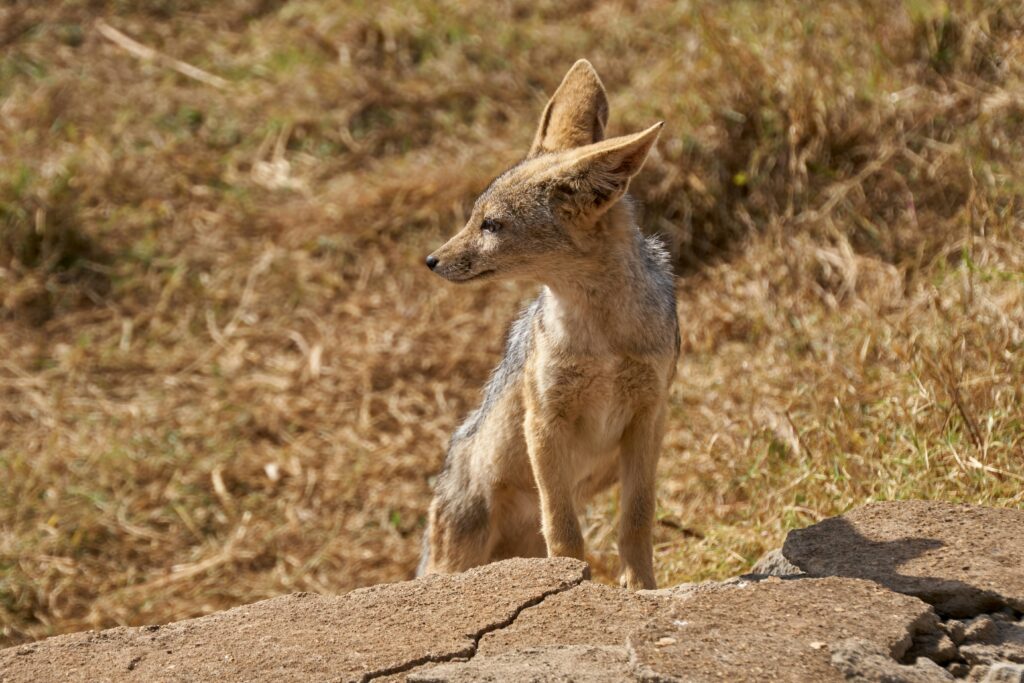
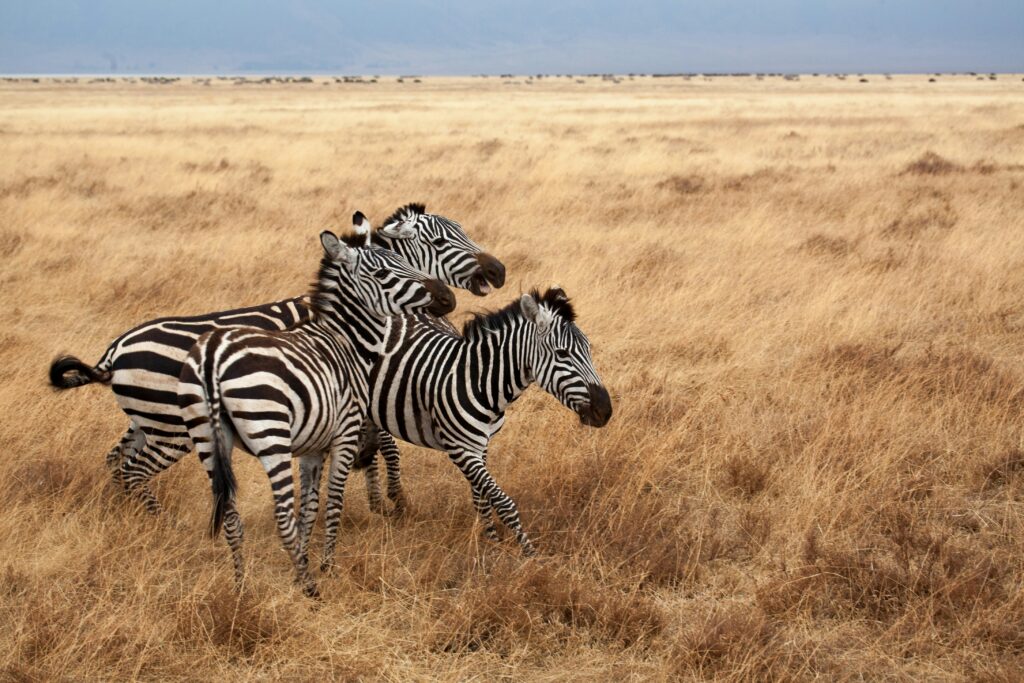
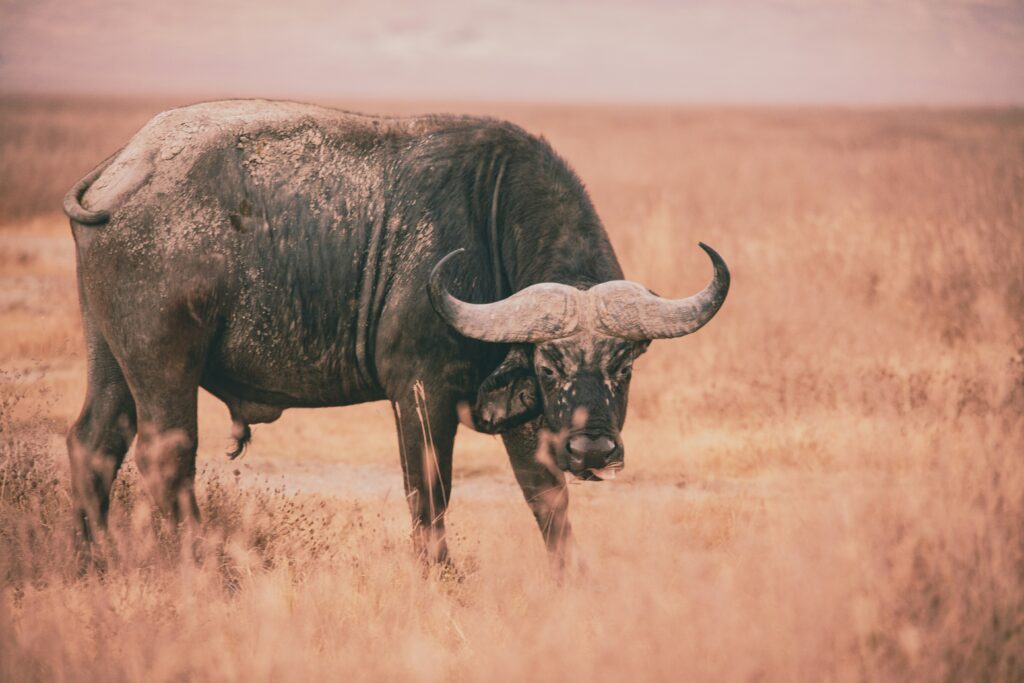
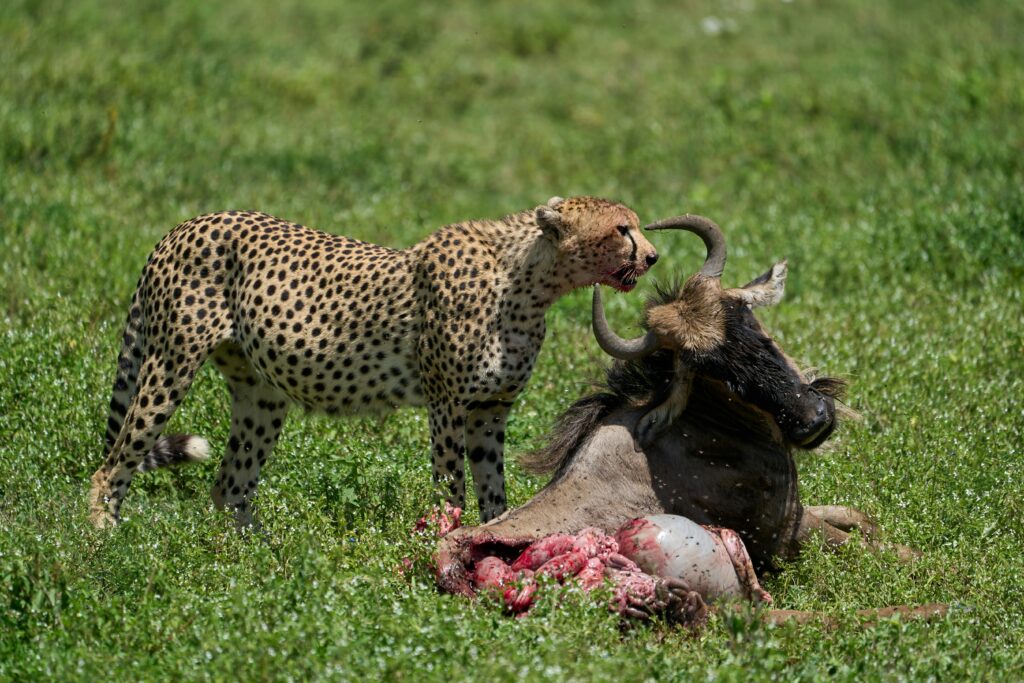

Ngorongoro Conservation Area in Pictures
Browse Packages
Mid-Range
12 Days
Ngorongoro Conservation Area Safari Packages
From budget shared safaris to luxury flying experiences — find the perfect adventure for your style and budget.
Mid-Range
12 Days
Accommodation Options
Where to Stay
Budget
Tourist Camps
Reliable, comfortable stays often located in Karatu or set back from the rim.
- Rhino Lodge
- Simba Campsite
- Karatu Forest Camp
From $180/night
Mid-Range
Tented Lodges
Charming lodges and coffee farm stays with excellent food and cozy amenities.
- Ngorongoro Farm House
- Tloma Lodge
- Acacia Farm Lodge
From $350/night
Luxury
Premium Lodges
Exclusive retreats on the crater rim with butler service and panoramic views.
- Ngorongoro Crater Lodge
- Meliá Collection
- Entamanu
From $900/night
Planning Your Visit
Best Time to Visit
Peak Dry Season
June – October- Big 5 spotting
- Ideal weather - Cool, clear days
- Best time for photography
- Highest prices & most visitors
Calving Season
January – March- Wildebeest calving
- High predator activity
- Excellent birdwatching
- Lush, emerald landscapes
The Long Rains
April - May- Dramatic photography
- Low tourist volume
- Reduced rates
- Quick-moving showers
Common Questions
Ngorongoro Conservation Area FAQ
Yes, it is one of the best places in Africa to see the big 5, especially the rare black rhino.
Beyond the per-person entry fee ($70), there is a vehicle descent fee of $295 per trip.
The herds are usually in the Ndutu/Ngorongoro area from late December through March for calving.
Yes, the rim can drop to 10°C (50°F) at night, even if the floor is warm during the day.
Location
Getting There
LocationNorthern Tanzania, Arusha Region
By RoadApproximately 180 km from Kilimanjaro International Airport (JRO) or 120 km from Arusha Airport (ARK)
By AirDomestic flights to Manyara Airstrip, followed by a 45-minute drive to the conservation gate.
GPS Coordinates-3.1616° S, 35.5878° E