Tanzania
  Mid-Range
12 Days
Mid-Range
12 Days
About Serengeti National Park
Spanning a staggering 14,763 square kilometers, Serengeti National Park is not just a destination; it is a prehistoric masterpiece of nature that has remained virtually unchanged for over a million years. Known to the Maasai as “Siringet”—the place where the land goes on forever—its golden horizons and iconic flat-topped acacia trees define the quintessential African safari.
Whether you are seeking the raw drama of predator-prey encounters or the serenity of a sunrise over the savanna, the Serengeti offers a profound connection to the wild that few places on Earth can match.
Why Choose a Safari in the Serengeti?
- The World’s Greatest Wildlife Show: Home to the Great Wildebeest Migration, where over two million wildebeest, zebras, and gazelles traverse the plains in a relentless search for fresh grass. Witnessing a frantic Mara River crossing or the quiet miracle of the calving season in the south is a bucket-list experience.
- The Predator Capital of Africa: With one of the highest concentrations of large carnivores on the planet, sightings of lions, leopards, and cheetahs are nearly guaranteed. The park’s open plains provide a natural theater for high-speed hunts and pride dynamics.
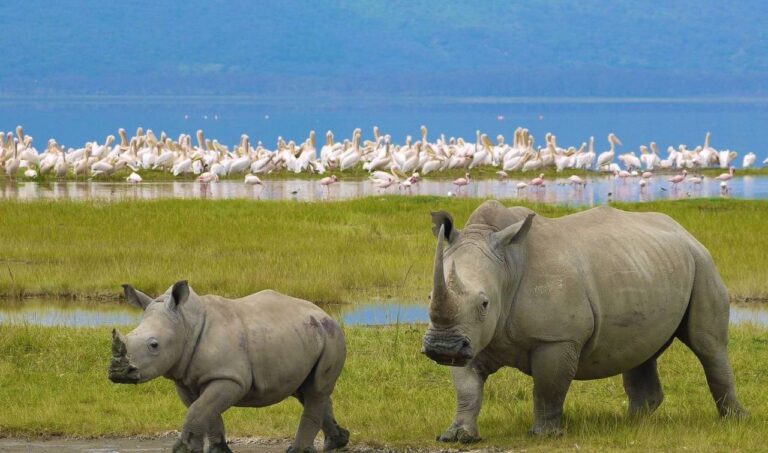
- The Complete “Big Five” Experience: While many parks claim the Big Five, the Serengeti delivers them in their most authentic, unfenced environment. From the elusive black rhino in the Moru Kopjes to the massive elephant herds of the north, the biodiversity here is unparalleled.
- A Year-Round Destination: Unlike seasonal parks, the Serengeti’s vastness means there is always a region “in bloom.”
- January – March: Calving season in the South.
- June – July: The Western Corridor and Grumeti River crossings.
- August – October: The dramatic Mara River crossings in the North.
- Diverse Landscapes: From the granite outcrops of the Moru Kopjes (perfect for spotting lions) to the lush riverine forests of the Seronera Valley and the “endless” short-grass plains of the south, every day offers a new backdrop.
The Great Wildebeest Migration
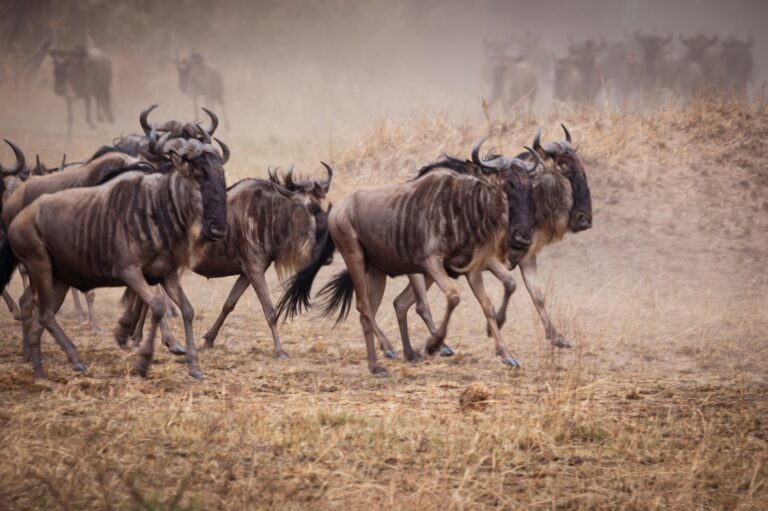
Every year between July and October, over 1.5 million wildebeest, 300,000 zebras, and 200,000 gazelles cross the Mara River from Tanzania's Serengeti in search of fresh grazing. The dramatic river crossings — with surging herds braving crocodile-infested waters — are considered the greatest wildlife spectacle on Earth.
What Makes It Special
Destination Highlights
Big Cat Capital
Explore the Seronera Valley, globally renowned for its extraordinary density of lions, leopards, and cheetahs.
Great Migration
Witness the world’s largest movement of land animals as over two million wildebeest and zebras traverse the vast plains.
Mara River Crossings
Experience nature’s most dramatic struggle as massive herds brave crocodile-infested waters in the Northern Serengeti.
Calving Season
Visit the southern plains between January and March to see half a million wildebeest calves born in a synchronized burst of life.
Iconic Kopjes
Discover ancient granite rock formations that serve as majestic lookout points and sunbathing spots for resident lion prides.
Golden Horizons
Immerse yourself in the "Siringet" (the land that runs on forever), offering the most iconic and expansive savanna landscapes in Africa.
Browse Packages
Mid-Range
12 Days
Serengeti National Park Safari Packages
From budget shared safaris to luxury flying experiences — find the perfect adventure for your style and budget.
Mid-Range
12 Days
Accommodation Options
Where to Stay
Budget
Tourist Camps
Best for travelers seeking an authentic "bush" feel without the high cost. These are typically comfortable, mobile, or semi-permanent tented camps with ensuite bathrooms and solar power.
- Osinon Serengeti Camp
- Tanzania Bush Camps
- Africa Safari Serengeti Ikoma
From $150/night
Mid-Range
Tented Lodges
Offers a "best of both worlds" experience with more permanent structures, enhanced dining, and amenities like swimming pools and lounge decks.
- Kubu Kubu Tented Lodge
- Heritage Luxury Tented Camp
- Thorntree River Camp
From $350/night
Luxury
Premium Lodges
High-end lodges and exclusive camps offering world-class service, gourmet cuisine, private plunge pools, and premium locations deep within the park.
- Four Seasons Safari Lodge Serengeti
- Singita Faru Faru Lodge
- Sayari Camp
From $800/night
Planning Your Visit
Best Time to Visit
Peak Season
June – October- Mara River Crossings
- Ideal weather - Clear Skies
- Peak Wildlife Visibility
- Highest prices & High Traffic
Calving Season
January – March- Wildebeest Calving (500,000 born)
- High Predator Action
- Lush Green Landscapes
- Migratory Birding
Green Season
April - May- Low Season Rates
- Minimum Tourist Crowds
- Photography Lighting
- Heavy Rainfall
Common Questions
Serengeti National Park FAQ
• Wildlife & River Crossings: June to September (Dry Season).
• Calving Season: January to March in the Southern Serengeti.
• Budget & Birding: April to May (Green Season) offers lush scenery and lower rates.
The Serengeti is massive (14,750 km²), offering a sense of vast, untouched wilderness where you can follow the migration for most of the year. The Masai Mara is smaller and more compact, often making it quicker to spot the Big 5 in a shorter timeframe.
• Layers: Crisp mornings and hot afternoons require versatile clothing.
• Colors: Wear neutral khakis or olives. Avoid dark blue and black (they attract tsetse flies).
• Essentials: High-quality binoculars, a wide-brimmed hat, and polarized sunglasses.
• By Air: Fly from Arusha or Kilimanjaro (JRO) directly to bush airstrips like Seronera or Kogatende.
• By Road: An 8-hour drive from Arusha, typically combined with a safari through Lake Manyara or Ngorongoro.
• The Big 5: Massive elephant herds, lions on rocky kopjes, leopards in acacia trees, buffaloes, and rare black rhinos.
• The Great Migration: Millions of wildebeest and zebras crossing the Mara and Grumeti rivers.
• The "Big Cat Capital": The Seronera Valley, famous for high densities of cheetahs and leopards.
• Retina Hippo Pool: Hundreds of hippos splashing in close quarters.
Yes, but it requires planning:
• Best Age: 6+ is ideal for following safety rules and enjoying long game drives.
• Family Lodges: Many offer "Junior Ranger" programs and fenced perimeters for safety.
• Private Vehicles: Highly recommended for flexibility with bathroom breaks and shorter drive times.
• Health: It is a malaria zone; pediatric prophylaxis and insect repellent are essential.
• Clothing: Stick to neutral tones; avoid blue and black to ward off tsetse flies.
Location
Getting There
LocationSerengeti
By RoadFrom Nairobi: ~350 km – 580 km (approx. 7–10 hours)
By Air315 km (approx. 1-hour flightfrom Wilson Airport, Nairobi)
GPS Coordinates-2.333333° S, 34.833332° E