Kenya
Kenya 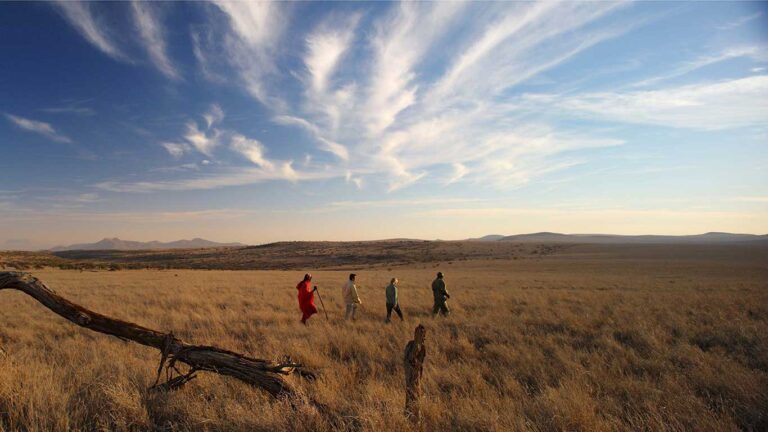 Mid-Range
12 Days
Mid-Range
12 Days
About Laikipia
Stretching from the foot of snow-capped Mount Kenya to the edge of the Great Rift Valley, Laikipia is a vast mosaic of private and community-owned conservancies. Once a patch of colonial cattle ranches, it has transformed into one of Africa’s most exciting wildlife success stories.
Unlike the national parks, Laikipia offers an exclusive, “off-the-beaten-track” experience where you can witness the Big Five alongside rare northern species. It is the undisputed rhino capital of East Africa and a sanctuary for the endangered African wild dog. Here, the fence-free landscapes allow for a level of freedom rarely found elsewhere – from night game drives and walking safaris to camel treks and sleeping under the stars.
Why visit Laikipia?
- The Rhino Stronghold: Home to over half of Kenya’s black rhino population and the world’s last two northern white rhinos at Ol Pejeta.
- Exclusive Activities: Enjoy night drives, guided bush walks, and horseback safaris that are restricted in most national parks.
- The Northern Five: Spot unique species not found in the south: Grevy’s zebra, reticulated giraffe, Somali ostrich, Beisa oryx, and the Gerenuk.
- Conservation in Action: Engage directly with researchers, visit anti-poaching dog units, and see how cattle ranching and wildlife coexist
Must-Visit Attractions in Laikipia
Beyond the traditional game drives, Laikipia is defined by its unique conservation sanctuaries and dramatic landscapes. Here are the top spots to include in your itinerary:
- Ol Pejeta Conservancy: The most famous stop in Laikipia. It is the only place in Kenya to see rescued chimpanzees at the Sweetwaters Sanctuary and the world’s last two Northern White Rhinos. Don’t miss meeting Baraka, the friendly blind black rhino.
- Lewa Wildlife Conservancy: A UNESCO World Heritage site and a pioneer in the “conservancy model.” It holds the world’s largest concentration of the endangered Grevy’s zebra and is a premier spot for tracking both black and white rhinos.
- Ngare Ndare Forest: Located at the foot of Mt. Kenya, this azure-blue glacial-fed forest offers a stunning canopy walkway 10 meters above the ground and crystal-clear waterfalls where you can take a brave, chilly dip.
- Loisaba Star Beds: Experience the “ultimate night out” by sleeping on a handcrafted wooden platform under the stars. It’s also the prime territory for spotting the rare black leopard.
- Solio Game Ranch: Nestled between Mt. Kenya and the Aberdares, this is arguably the best place in Africa to see massive crashes of rhinos (sometimes 30–40 at once) in a relatively small, intimate setting.
- Thompson Falls (Nyahururu): A magnificent 74-meter (243 ft) waterfall on the Ewaso Nyiro River, perfect for a scenic stopover and nature walk.
Practical Safari Tips for Laikipia
Exploring the high-altitude plateau of Laikipia requires a bit more preparation than the warmer coastal or lowland parks.
1. Master the Art of Layering
Because of the altitude (1,700m+), temperatures fluctuate wildly. Expect crisp 10°C (50°F) mornings that transition into 28°C (82°F) sunny afternoons. Pack a heavy fleece or “puffer” jacket for early morning drives and lightweight, breathable linens for the day.
2. Choose Your Conservancy Wisely
Every conservancy has a “flavor.”
- Ol Pejeta is best for first-timers and families who want guaranteed sightings and high activity.
- Lewa/Borana are ideal for high-end luxury and rhino-specific photography.
- Loisaba/Ol Malo are best for rugged adventure like camel treks and “star bed” sleepouts.
3. Respect the “Northern 5”
Keep your binoculars ready. You aren’t just looking for lions here; you are searching for the Northern Five (Grevy’s Zebra, Somali Ostrich, Reticulated Giraffe, Beisa Oryx, and Gerenuk). These species are distinct from their southern cousins—look for the Gerenuk standing on its hind legs to reach acacia leaves!
4. Gear Up for Dust and Sun
The red volcanic soil of Laikipia can be very dusty. Bring a buff or lightweight scarf to protect your face during drives and a lens cleaning kit for your camera. The equatorial sun is also stronger at high altitudes; high-SPF sunscreen is a must.
5. Embrace the “Walking Safari”
Laikipia is one of the few places where walking safaris are safe and encouraged. Wear sturdy, closed-toe walking shoes (not just sneakers) to protect against thorns and uneven terrain.
Giza Mrembo: The Black Panther of Laikipia
Laikipia is home to the world’s most famous melanistic leopard, affectionately known as Giza Mrembo (Dark Beauty). With her ink-black coat and shimmering "ghost" rosettes, she haunts the rugged kopjes and scrubland, offering the rarest wildlife sighting on Earth. Seeing this legendary "Black Panther" in the wild is the ultimate safari prize, found only in the shadows of the Laikipia plateau.
What Makes It Special
Destination Highlights
The Legend of Giza Mrembo
Track the elusive "Black Panther," a rare melanistic leopard, across the rocky kopjes of Loisaba for the ultimate safari photography prize.
The Rhino Stronghold
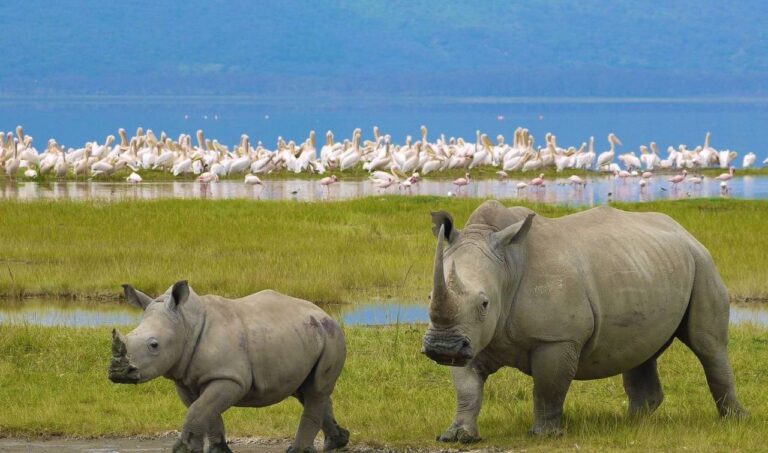
As Kenya’s premier sanctuary, Laikipia offers near-guaranteed sightings of both black and white rhinos roaming freely across vast plains.
Rare Northern Species
Spot the unique "Northern 5," including the Grevy’s zebra and reticulated giraffe, species found only in this rugged, arid ecosystem.
Night Drive Discoveries
Explore the bush after dark to witness nocturnal hunters like lions and leopards, or rare sightings of aardwolves and honey badgers.
Wild Dog Expeditions
This is one of the best places in Africa to track endangered African wild dogs as they hunt across the open, fence-free conservancy lands.
Conservation in Action
Join anti-poaching units and researchers for a behind-the-scenes look at how technology and communities protect Kenya’s most vital wildlife.
Photo Gallery

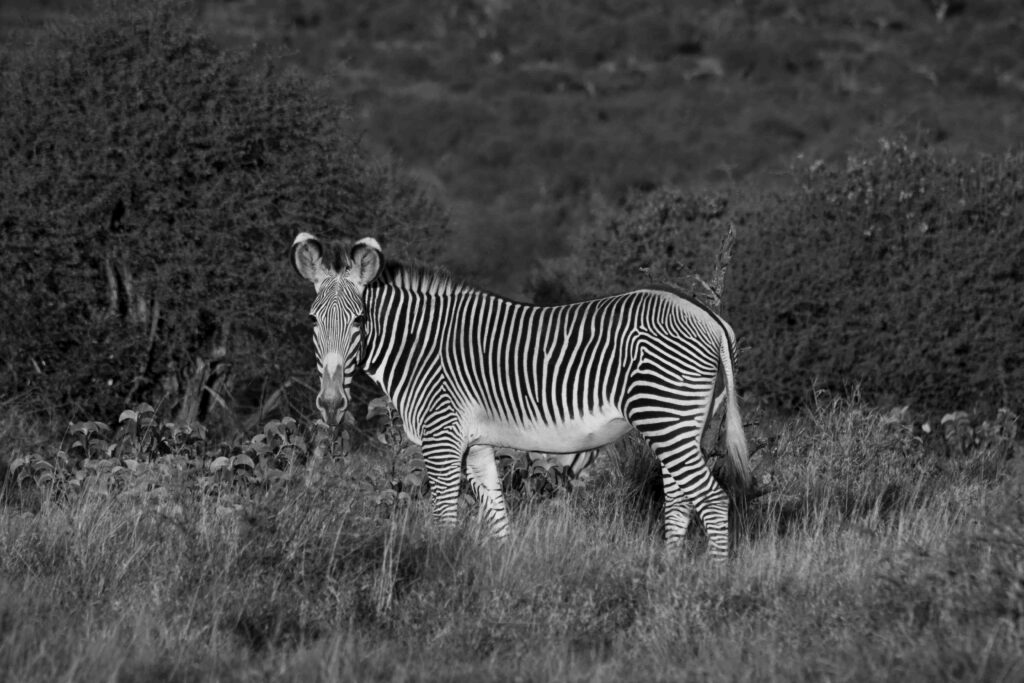
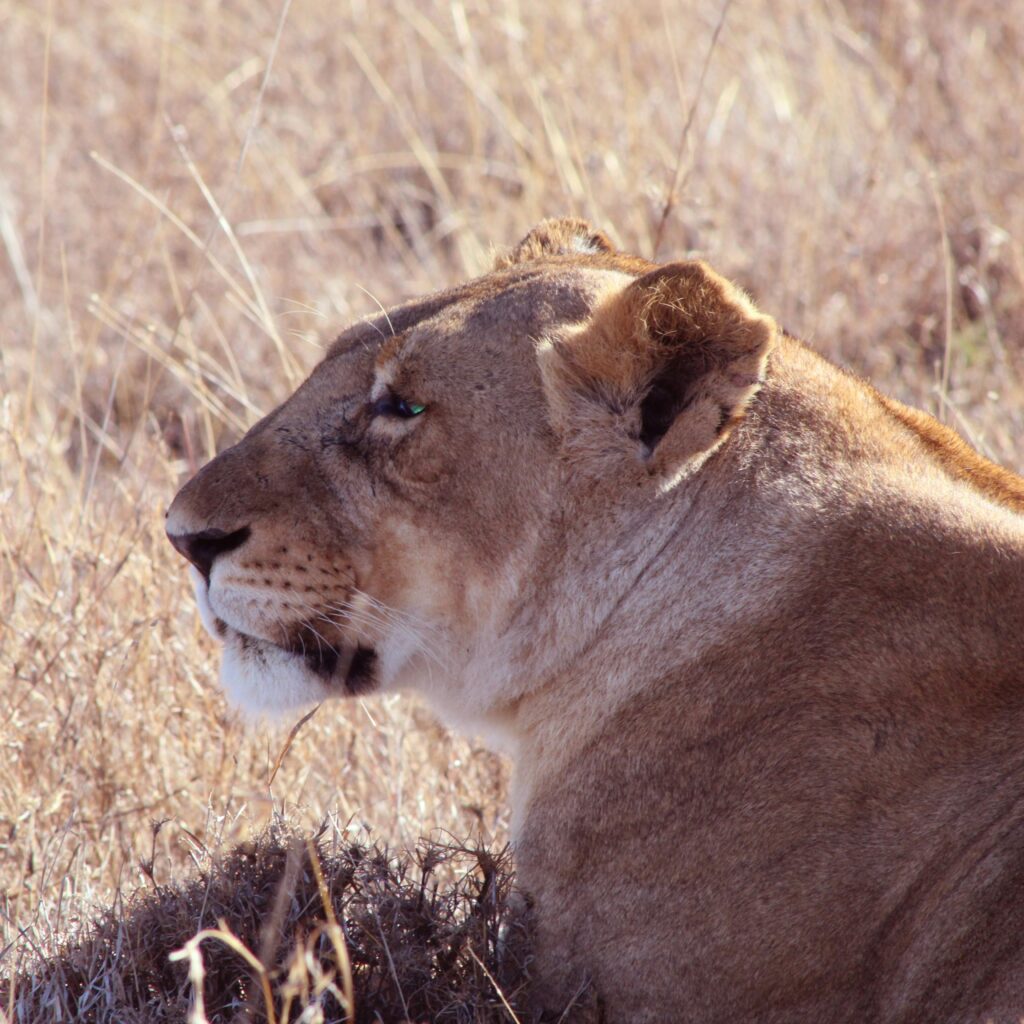

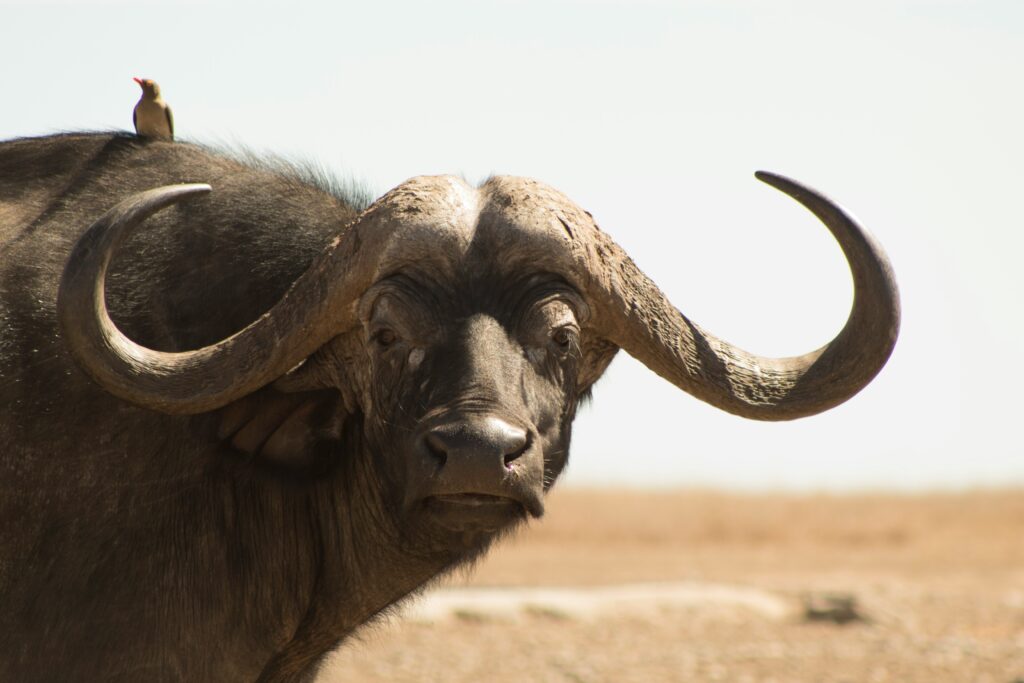

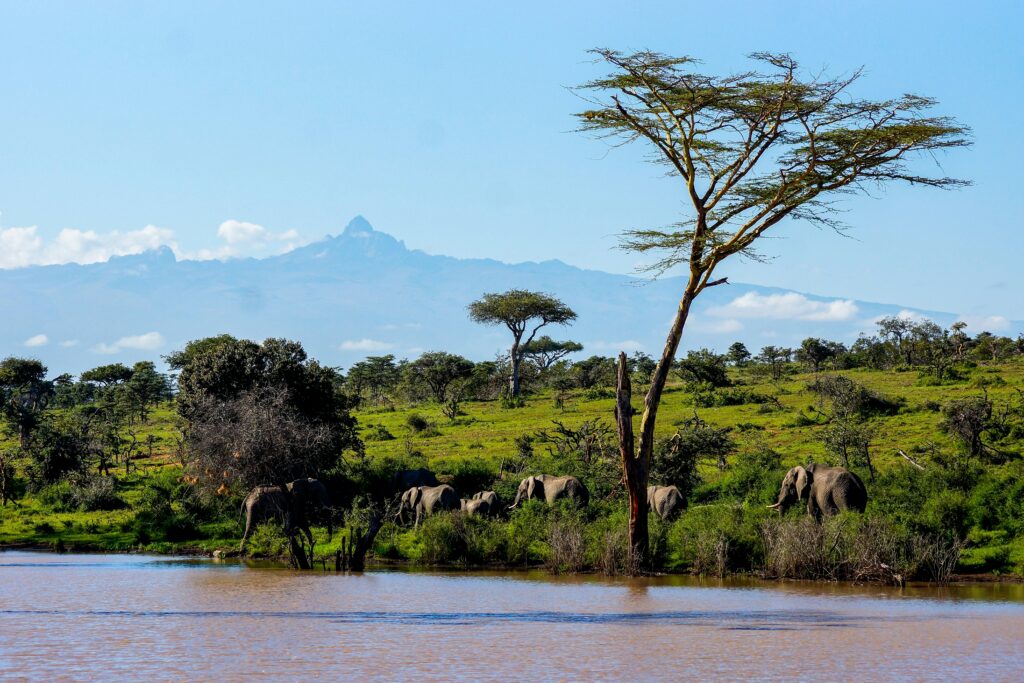
Laikipia in Pictures
The Elusive Leopard Giza Mrembo of Laikipia Kenya
Browse Packages
Mid-Range
12 Days
Laikipia Safari Packages
From budget shared safaris to luxury flying experiences — find the perfect adventure for your style and budget.
Mid-Range
12 Days
Accommodation Options
Where to Stay
Budget
Tourist Camps
Eco-friendly camps and simple cottages offering clean, authentic bush comfort.
- The Stables (Ol Pejeta)
- Pelican House
- Rhino Watch Safari Lodge
From $150/night
Mid-Range
Tented Lodges
Enjoy comfortable, en-suite tented camps with full-board dining and professional guiding within major private conservancies.
- Sweetwaters Serena Camp
- Ol Pejeta Bush Camp
- Jambo Mutara Camp
From $350/night
Luxury
Premium Lodges
Indulge in ultra-exclusive boutique lodges featuring private decks, infinity pools, and bespoke high-end safari experiences
- Loisaba Star Beds
- Segera Retreat
- Sirikoi Lodge
From $850/night
Planning Your Visit
Best Time to Visit
Peak Season
June – October- Highest Wildlife Concentration
- Ideal weather — Cooler mornings & dry, golden savannahs
- Walking Safaris & star-bed experiences
- Clear, blue skies & iconic views of Mt. Kenya.
Short Rains Season
November – December- Best birding season (migrants)
- Plenty of newborns on the plains
- Best Scenery
- Quieter conservancies
Green Season
March – May- Lowest prices (20–30% off)
- Fewer tourists — exclusive feel
- Bset time for Photography
- Great Weather with Lush landscapes
Common Questions
Laikipia FAQ
No. Laikipia is a vast high-altitude plateau made up of private and community-owned conservancies. This "private" status is what allows for exclusive activities like night drives, walking safaris, and horseback riding which are generally not permitted in government-run National Parks
While sightings of melanistic leopards are never guaranteed, Laikipia (specifically the Loisaba and Laikipia Wilderness areas) is the best place in the world to try. Most sightings occur during night game drives, which are a specialty of this region.
While the Masai Mara is famous for its massive herds and the Great Migration, Laikipia offers a more intimate and exclusive experience. You will encounter far fewer vehicles and have the unique chance to see rare species like the African Wild Dog and the "Northern Five" that do not reside in the Mara.
Fees vary by conservancy as they directly fund local conservation and community projects. For 2026, standard non-resident adult daily fees are approximately:
Ol Pejeta: $110
Lewa Wildlife Conservancy: $130
Loisaba Conservancy: $120
Yes. Laikipia is considered one of the safest safari circuits in Kenya. The conservancies are heavily patrolled by professional rangers and KWS (Kenya Wildlife Service). For maximum security and comfort, most travelers opt to fly directly into the private airstrips, bypassing long road transfers.
Because Laikipia sits at a high altitude (above 1,700m), the mosquito population is significantly lower than in lowland areas. However, Kenya is still considered a malaria-risk zone. We recommend consulting your doctor for prophylaxis and using the repellent provided by your lodge.
Laikipia is the gateway to Kenya’s rugged north, home to five specialist species you won't see in southern parks: the Grevy’s Zebra, Reticulated Giraffe, Somali Ostrich, Beisa Oryx, and the Gerenuk (the "giraffe-necked" antelope).
Location
Getting There
LocationLaikipia County (Central Highlands)
By RoadApproximately 200–280 km (4 -6 hrs drive)
By Air45– 60 minute scheduled flights from Nairobi’s Wilson Airport
GPS Coordinates0.3591° S, 36.7388° E