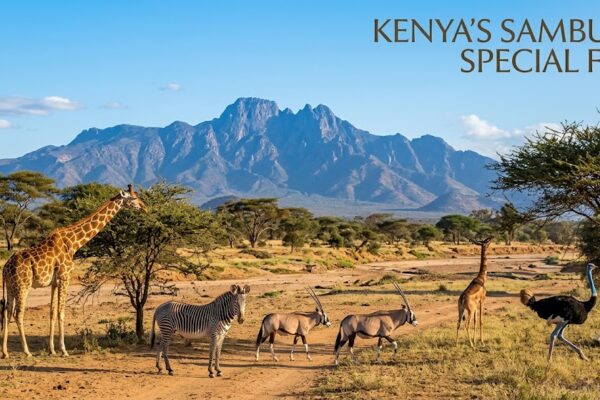
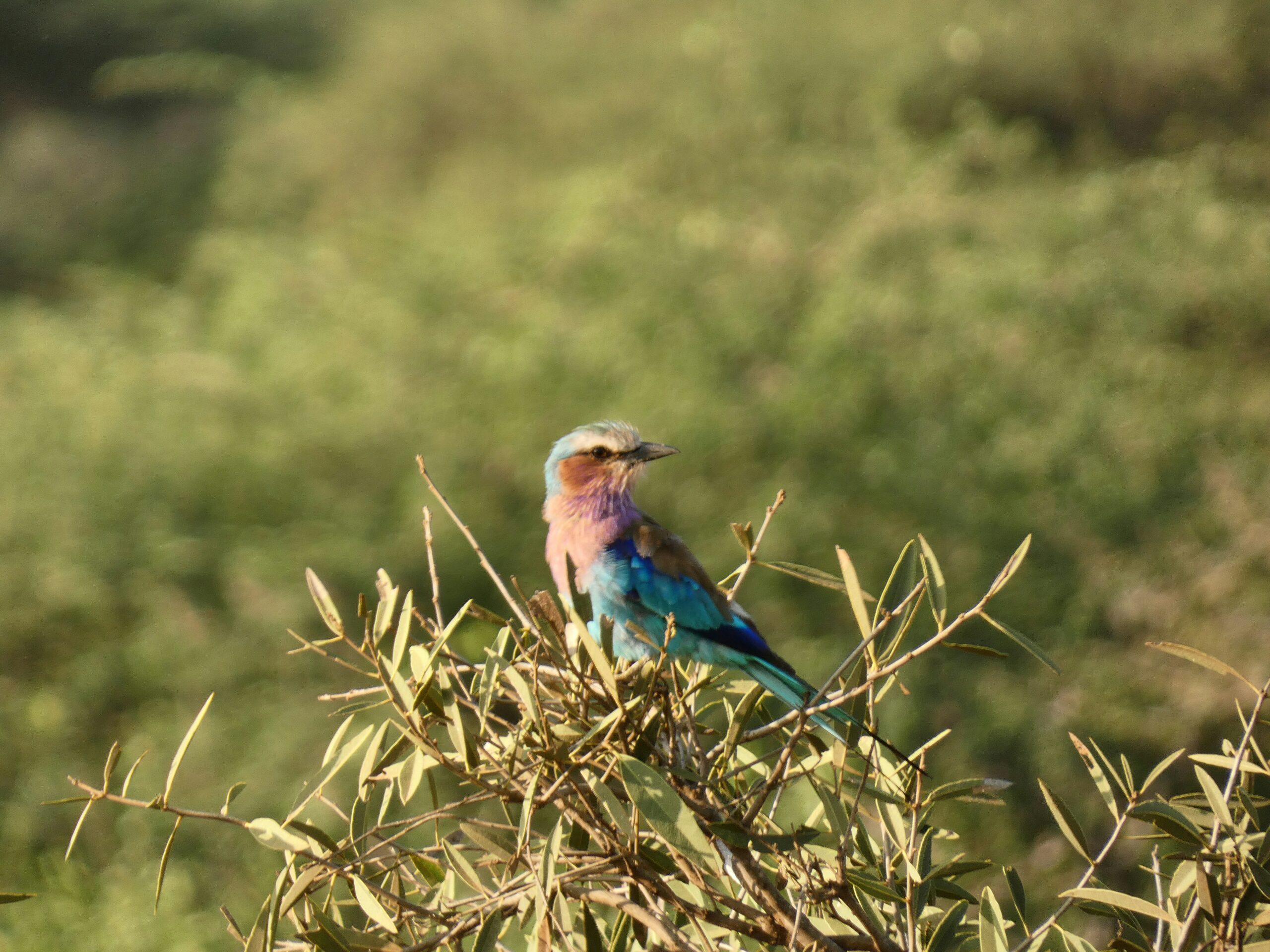
Kenya’s landscapes are often defined by sweeping savannahs, snow-capped mountains, and extraordinary wildlife. Yet beneath the surface lies another remarkable natural treasure that many travellers never experience. Along the Great Rift Valley, where powerful geological forces continue to shape the land, steaming hot springs, bubbling geysers, and geothermal fields reveal a side of Kenya that is as fascinating as it is beautiful.
Exploring hot springs in Kenya offers an entirely different perspective on the country’s natural heritage. Some are hidden in remote valleys where steam rises from the earth in complete silence, while others lie within protected reserves surrounded by wildlife and dramatic scenery. These geothermal sites are more than scenic attractions, they tell the story of a landscape that is still alive beneath the surface.
In this guide, we’ll take you through Kenya’s most remarkable hot springs and geothermal wonders, explaining what makes each destination unique and why they deserve a place on your travel itinerary.
What Is the Difference Between a Hot Spring and a Geothermal Wonder?
Although the two terms are often used interchangeably, they are not exactly the same.
A hot spring is a natural spring where groundwater is heated beneath the Earth’s surface before emerging at a higher temperature. Some hot springs form small pools, while others feed rivers or wetlands.
A geothermal wonder is a broader term that includes hot springs as well as geysers, steam vents, fumaroles, geothermal fields, and other natural features created by underground heat. Kenya is home to both, thanks to the volcanic activity associated with the Great Rift Valley.
This guide focuses on the country’s best natural hot springs while also highlighting a few exceptional geothermal attractions that help tell the complete story of Kenya’s volcanic landscape.
Why Are There So Many Natural Hot Springs in Kenya?
The answer lies beneath your feet.
Kenya sits on the eastern arm of the Great Rift Valley, one of the world’s most significant geological formations. Created millions of years ago as the Earth’s crust gradually pulled apart, the Rift Valley remains geologically active today. Deep underground, magma continues to generate intense heat, warming groundwater that eventually finds its way back to the surface through cracks and faults in the Earth’s crust.
This process creates hot springs, steam vents, geysers, and fumaroles across different parts of the country. It is also the reason Kenya has become one of Africa’s leading producers of geothermal energy, with several power stations harnessing this underground heat to generate clean electricity.
For travelers, these geothermal features offer far more than scientific interest. They create breathtaking landscapes where steam rises against dramatic escarpments, wildlife gathers around warm waters, and volcanic history comes to life before your eyes.
If you want to learn more about the forces that shaped these remarkable landscapes, explore our guide on Kenya’s Geological Wonders, where you’ll discover volcanic craters, lava formations, ancient calderas, and other natural landmarks that reveal the country’s fascinating geological history.
Lake Bogoria Hot Springs and Geysers
If there is one destination that perfectly showcases the beauty of natural hot springs in Kenya, it is Lake Bogoria.
Located in Baringo County within the Great Rift Valley, Lake Bogoria National Reserve is famous for its steaming geothermal activity, making it one of the country’s most extraordinary natural attractions. Along the lake’s shoreline, visitors are greeted by bubbling hot springs and powerful geysers that shoot boiling water high into the air, creating dramatic scenes unlike anywhere else in Kenya.
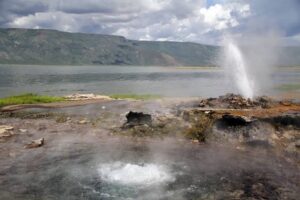
Walking through the geothermal area feels almost surreal. Steam rises continuously from the ground, the smell of sulfur lingers in the air, and the earth itself seems alive. The intense heat beneath the surface serves as a reminder that the Rift Valley remains one of the world’s most active geological regions.
Beyond its geothermal features, Lake Bogoria is equally celebrated for its wildlife. During favorable conditions, thousands of lesser flamingos gather along the alkaline lake, creating breathtaking pink spectacles against the backdrop of rising steam. Greater kudus, zebras, warthogs, impalas, and numerous bird species also inhabit the reserve, making it an excellent destination for both nature lovers and photographers.
Unlike many tourist attractions that focus on a single experience, Lake Bogoria combines geology, wildlife, birdwatching, and spectacular scenery in one unforgettable location.
Maji Moto Hot Springs
Southwest of Nairobi, in Narok County, lies one of Kenya’s best-known natural thermal springs. The name Maji Moto simply means “hot water” in Swahili, an appropriate description for springs that have drawn local communities and curious travellers for generations.
Unlike the dramatic geysers of Lake Bogoria, Maji Moto offers a quieter experience. Warm mineral-rich water flows naturally from underground into small pools surrounded by peaceful countryside, creating a setting where visitors can slow down and appreciate nature at its own pace.
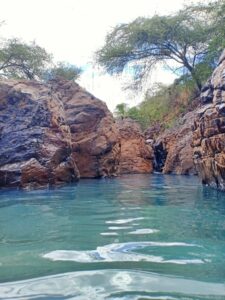
For the Maasai communities living in the area, the springs have long been part of the local landscape and hold cultural significance beyond their geological importance. Today, community-based tourism initiatives give visitors an opportunity to learn about Maasai traditions while experiencing one of Kenya’s natural geothermal features.
Its location also makes Maji Moto an excellent stop for travellers heading towards the Maasai Mara or exploring southern Kenya, offering a refreshing change of scenery before continuing their safari adventure.
Kapedo Hot Springs
Hidden between Baringo and Turkana counties, Kapedo Hot Springs showcase geothermal activity in one of Kenya’s most rugged and remote landscapes.
Unlike developed tourist attractions, Kapedo remains largely untouched. Boiling water emerges naturally through rocky terrain while thick clouds of steam drift across the surrounding valley. The combination of volcanic rocks, sparse vegetation, and geothermal activity creates scenery unlike anywhere else in the country.
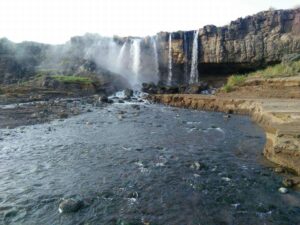
The springs are closely linked to the volcanic history of the northern Rift Valley, where tectonic forces continue to shape the landscape beneath the surface. Although the region is less visited than destinations such as Naivasha or Nakuru, it rewards adventurous travellers with an authentic geothermal experience far removed from busy tourist routes.
Because of its remote location, anyone planning to visit Kapedo should seek current travel advice and consider travelling with an experienced guide or tour operator familiar with the area.
Loburu Hot Springs
Not far from Lake Turkana lies another remarkable geothermal destination that remains largely unknown to many travellers.
The Loburu Hot Springs emerge naturally from the volcanic landscape, creating warm pools that contrast beautifully with the surrounding dry terrain. Their remote setting means they receive very few visitors, making them ideal for those seeking peaceful destinations away from Kenya’s more popular attractions.
The surrounding region has been shaped by volcanic activity over millions of years, and the springs provide visible evidence of the geothermal forces that continue beneath the Earth’s surface. Combined with the dramatic scenery of northern Kenya, they create an unforgettable destination for adventurous travellers, photographers, and geology enthusiasts.
A visit to Loburu can also be combined with other attractions around Lake Turkana, allowing visitors to experience one of Africa’s most unique landscapes while learning about the cultures that have called this remote region home for centuries.
Lake Magadi Hot Springs
In southern Kenya, close to the Tanzanian border, Lake Magadi presents another fascinating example of the country’s geothermal diversity.
The lake itself is famous for its vast soda deposits and striking white landscapes, but natural hot springs emerge around parts of the shoreline, creating warm mineral-rich pools that contrast beautifully with the surrounding salt flats.
The journey to Lake Magadi is almost as memorable as the destination itself. Travellers pass through traditional Maasai lands before descending into a landscape unlike any other in Kenya. The combination of shimmering soda flats, volcanic hills, flamingos, and naturally heated springs creates an extraordinary setting that appeals to photographers and nature lovers alike.
Although Lake Magadi is less visited than destinations such as Lake Naivasha or Lake Nakuru, its unique scenery makes it one of Kenya’s hidden geological treasures.
If you enjoy discovering places beyond the usual tourist trail, our guide to Hidden Travel Gems in Kenya highlights more remarkable destinations where nature, culture, and adventure come together in unforgettable ways.
Arus Hot Springs
Nestled in Baringo County, the Arus Hot Springs are among Kenya’s lesser-known geothermal treasures. Unlike some of the country’s more famous attractions, Arus remains largely untouched, offering visitors a peaceful setting where nature takes centre stage.
The springs emerge naturally from beneath the earth, creating warm pools surrounded by rugged Rift Valley landscapes. Steam occasionally rises from the surface, especially during the cool hours of the morning, creating a beautiful contrast against the surrounding vegetation.
Because the area receives relatively few visitors, Arus appeals to travellers looking for authentic experiences away from crowded destinations. It’s an excellent stop for anyone exploring Baringo County, where geothermal activity, wildlife, and dramatic scenery come together to create one of Kenya’s most fascinating regions.
Olkaria Geothermal Field
Although Olkaria is best known for its geothermal power stations and the famous geothermal spa, the wider geothermal field itself is one of Kenya’s most significant natural wonders.
Beneath the volcanic landscape lies an immense reservoir of geothermal energy that has helped position Kenya among the world’s leading producers of renewable geothermal power. Across the area, visitors can observe natural steam vents, fumaroles, and rugged volcanic terrain that reveal the immense heat hidden beneath the Earth’s surface.
While the spa is a developed attraction, the surrounding geothermal field remains a remarkable example of the geological forces that continue to shape the Great Rift Valley. It also provides a rare opportunity to see how conservation, tourism, and renewable energy can successfully coexist.
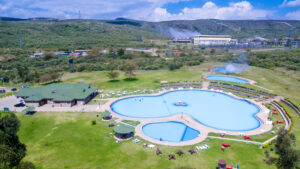
Many visitors combine Olkaria with nearby attractions, making it one of the highlights of a trip through the central Rift Valley.
Planning a visit to the Naivasha region? Our guide to Ultimate Mount Longonot Hiking Guide pairs perfectly with Olkaria, helping you plan an unforgettable adventure that combines volcanic landscapes, hiking, and some of Kenya’s most remarkable geothermal scenery.
Menengai Geothermal Field
Towering above Nakuru City, Menengai Crater is one of Africa’s largest volcanic calderas and a powerful reminder of Kenya’s volcanic past.
While the crater itself attracts hikers and photographers with spectacular panoramic views, the surrounding geothermal field demonstrates that the area remains geologically active. Steam rising from underground vents provides visible evidence of the intense heat that continues to exist beneath the surface.
The geothermal development around Menengai has also contributed significantly to Kenya’s renewable energy sector, highlighting how natural resources can support sustainable development while preserving the area’s geological importance.
Standing on the crater rim, it’s easy to appreciate the immense forces that shaped this landscape millions of years ago. It is one of those places where science and scenery blend perfectly, leaving visitors with a greater appreciation of Kenya’s remarkable natural heritage.
Eburru Geothermal Area
North of Lake Naivasha lies the Eburru volcanic complex, a destination that remains relatively unknown despite its geological importance.
The area is characterised by steam vents, hot ground, fumaroles, and indigenous forests that create an atmosphere unlike anywhere else in the country. Instead of dramatic geysers, Eburru offers a quieter geothermal experience where visitors can observe the Earth’s energy escaping gently through the landscape.
Birdsong echoes through the surrounding forests while wisps of steam drift across the volcanic slopes, creating a peaceful environment that appeals to hikers, birdwatchers, and photographers.
Because Eburru receives fewer visitors than neighbouring attractions, it provides an excellent opportunity to enjoy Kenya’s geothermal landscapes without large crowds.
Mount Suswa Geothermal Landscape
Few places combine geology, wildlife, and cultural heritage as beautifully as Mount Suswa.
Known for its distinctive double crater and extensive lava cave system, the mountain also contains geothermal features that reveal its volcanic origins. Steam vents and naturally heated ground can still be found in parts of the landscape, offering another reminder that the Great Rift Valley remains one of Africa’s most remarkable geological regions.
The surrounding plains are home to zebras, giraffes, antelopes, and a wide variety of birdlife, while the mountain itself holds deep cultural significance for the Maasai community.
For adventurous travellers, Mount Suswa offers far more than beautiful scenery. Hiking across ancient volcanic terrain, exploring lava caves, and witnessing geothermal activity all combine to create an unforgettable experience that showcases another side of Kenya beyond its famous safari parks.
Planning Your Visit
Most hot springs in Kenya can be visited throughout the year, but the dry seasons from January to March and June to October generally offer the most comfortable travel conditions. Roads are easier to navigate, hiking trails remain accessible, and outdoor photography is often at its best.
Some geothermal attractions, particularly those in northern Kenya, are located in remote areas where facilities may be limited. Planning your route in advance and travelling with an experienced guide or tour operator can help ensure a safe and enjoyable experience.
It’s also important to remember that not every geothermal feature is suitable for swimming. Many natural springs reach extremely high temperatures, while some geysers and steam vents can be dangerous if approached too closely. Always remain on marked paths, follow local guidance, and respect protected areas.
One of the greatest advantages of exploring Kenya’s geothermal attractions is how easily they can be combined with other destinations. Lake Bogoria pairs well with Lake Baringo, Olkaria complements Hell’s Gate National Park and Mount Longonot, while Mount Suswa and Menengai fit naturally into a wider Great Rift Valley road trip.
From the steaming geysers of Lake Bogoria to the remote springs of Kapedo and the volcanic landscapes of Menengai and Mount Suswa, hot springs in Kenya reveal a side of the country that many travellers never have the chance to experience. They are reminders that beneath Kenya’s famous savannahs and mountains lies a landscape still being shaped by powerful geological forces.
Whether you’re drawn by dramatic scenery, an interest in geology, or the desire to discover destinations beyond the traditional safari circuit, these geothermal wonders offer unforgettable experiences that showcase the incredible diversity of Kenya’s natural heritage.
The next time you plan a journey through the Great Rift Valley, consider adding one of these remarkable geothermal destinations to your itinerary. You may come for the hot springs, but you’ll leave with a deeper appreciation of the landscapes that continue to make Kenya one of Africa’s most extraordinary travel destinations.