Kenya’s Geological Wonders: A Complete Guide to Volcanoes, Craters, Caves, and Ancient Landscapes
When most people think of Kenya, they imagine endless savannahs, spectacular wildlife, and world famous safari destinations. While these attractions have earned Kenya its global reputation, they represent only part of the country’s natural story. Beneath its wildlife-rich plains lies one of the most remarkable geological landscapes on Earth.
Kenya sits at the heart of the Great Rift Valley, a massive geological feature stretching thousands of kilometers from the Middle East to southern Africa. Over millions of years, volcanic eruptions, shifting tectonic plates, earthquakes, erosion, and geothermal activity have shaped dramatic mountains, enormous craters, steaming hot springs, lava caves, escarpments, and fossil-rich landscapes.
Today, these geological wonders are not only scientific treasures but also some of Kenya’s most fascinating tourist attractions. Visitors can hike extinct volcanoes, walk through volcanic gorges, explore ancient caves, witness boiling geysers, and stand on landscapes that reveal millions of years of Earth’s history.
Many of these sites are also rich in biodiversity, supporting forests, wildlife, and communities that have adapted to these unique environments. If you enjoyed exploring our guide on Ancient Forests in Kenya, you’ll notice that several of those forests owe their existence to the country’s remarkable geological history.
This guide explores Kenya’s most impressive geological wonders, explains how they were formed, and highlights why they deserve a place on every nature lover’s travel itinerary.
Why Kenya Is One of Africa’s Greatest Geological Destinations
Few countries display such a wide variety of geological features within relatively short travel distances. Kenya’s location along the East African Rift System makes it one of the continent’s most geologically active regions.
Millions of years ago, enormous forces beneath the Earth’s crust began pulling Eastern Africa apart. As the crust stretched and cracked, some sections sank while others rose, creating valleys, escarpments, volcanic mountains, lakes, and geothermal systems.
This ongoing geological activity has produced:
- Active geothermal fields
- Dormant and extinct volcanoes
- Massive volcanic calderas
- Lava caves
- Hot springs and geysers
- Alkaline and freshwater Rift Valley lakes
- Dramatic escarpments
- Fossil-bearing sedimentary deposits
- Unique rock formations
These natural features continue to influence Kenya’s climate, wildlife, agriculture, tourism, and even energy production.
The Great Rift Valley: Kenya’s Geological Backbone
No discussion of Kenya’s geology is complete without understanding the Great Rift Valley.
The Great Rift Valley is one of the world’s largest geological structures, extending approximately 6,000 kilometers from the Middle East to Mozambique. Kenya occupies one of its most spectacular sections.
As tectonic plates slowly pull apart, enormous cracks develop within the Earth’s crust. Volcanic eruptions and earthquakes accompany this movement, creating mountains, valleys, lakes, and geothermal activity that continue today.
Travelling through Kenya’s Rift Valley allows visitors to witness millions of years of Earth’s evolution in a single journey. Scenic viewpoints reveal dramatic escarpments while volcanic mountains dominate the horizon.
The Rift Valley also supports exceptional biodiversity, making it one of the most important natural landscapes in Africa. You can explore our guide on the best things to do in Kenya’s Great Rift Valley.
Menengai Crater – One of Africa’s Largest Volcanic Calderas
Among Kenya’s most impressive geological landmarks is Menengai Crater, located just outside Nakuru City.
Formed by a massive volcanic eruption thousands of years ago, Menengai is one of the largest surviving volcanic calderas in Africa, measuring roughly 12 kilometers across. Instead of a sharp volcanic cone, visitors encounter an enormous collapsed crater surrounded by steep forested walls.
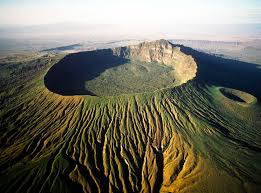
The crater floor contains lava flows, volcanic rocks, steam vents, and thriving vegetation that has reclaimed much of the landscape over time.
Highlights
- Panoramic viewpoints overlooking the caldera
- Scenic hiking trails
- Forest wildlife
- Volcanic rock formations
- Geothermal exploration nearby
The surrounding geothermal fields also demonstrate how volcanic activity continues beneath the surface, making Menengai an important site for renewable energy development.
Hell’s Gate National Park – A Landscape Shaped by Fire
Hell’s Gate National Park is unlike any other national park in Kenya.
Rather than being known primarily for wildlife, Hell’s Gate is celebrated for its extraordinary geological scenery. Towering cliffs, deep gorges, volcanic plugs, lava formations, and steaming geothermal vents reveal millions of years of volcanic activity.
The park inspired landscapes seen in popular films and remains one of the few parks where visitors can cycle or hike through dramatic geological formations.
Geological highlights
- Volcanic gorges carved by water
- Obsidian rock deposits
- Hot springs
- Steam vents
- Towering volcanic cliffs
Its spectacular scenery demonstrates how volcanic eruptions and erosion worked together to create one of Kenya’s most iconic landscapes.
Mount Longonot – Hiking an Ancient Volcano
Standing proudly above the Rift Valley floor, Mount Longonot is one of Kenya’s best-known dormant volcanoes.
The mountain’s nearly perfect crater attracts hikers from around the world who come to climb its slopes before walking around the crater rim.
The panoramic views reveal Lake Naivasha, the Great Rift Valley, neighbouring volcanoes, and expansive savannah landscapes stretching toward the horizon.

The volcano’s fertile volcanic soils also support surrounding agriculture, demonstrating how geological processes continue to influence everyday life in Kenya.
Visitor activities
- Volcano hiking
- Crater rim walks
- Photography
- Wildlife viewing
- Scenic viewpoints
Unlike many volcanoes around the world, Mount Longonot offers visitors the rare opportunity to safely walk around the rim of a dormant volcanic crater while appreciating millions of years of geological history.
Lake Bogoria – A Geothermal Wonderland
Nestled within the Great Rift Valley, Lake Bogoria is one of Kenya’s most spectacular examples of how geology continues to shape the landscape today.
Unlike many lakes that are simply bodies of water, Lake Bogoria is a living geothermal system. Underground heat generated by volcanic activity powers dozens of hot springs and geysers that bubble and erupt along the lake’s shores. Some of these springs reach temperatures close to boiling, creating clouds of steam that rise dramatically above the surrounding landscape.
The lake itself is alkaline, supporting vast blooms of blue-green algae that attract thousands of lesser flamingos during certain times of the year. The contrast between steaming geothermal vents, pink flamingos, and rugged escarpments creates one of Kenya’s most photogenic natural settings.
Geological highlights
- Naturally occurring hot springs
- Active geysers
- Geothermal steam vents
- Alkaline lake ecosystem
- Rift Valley fault formations
Visitor activities
- Wildlife photography
- Birdwatching
- Scenic drives
- Nature walks
- Geothermal exploration
Lake Bogoria demonstrates how volcanic heat beneath the Earth’s surface continues to influence Kenya’s landscapes millions of years after the major volcanic eruptions that created the Rift Valley.
Mount Suswa – The Volcano with a Double Crater
One of Kenya’s lesser-known geological treasures is Mount Suswa, a dormant volcano located between Nairobi and Narok.
Unlike most volcanoes, Mount Suswa features a rare double crater formation. An outer caldera surrounds an inner crater, creating an extraordinary geological structure that attracts hikers, researchers, and photographers alike.
The mountain is also famous for its extensive lava tube cave system, formed when molten lava cooled on the outside while continuing to flow beneath the hardened surface. Once the lava drained away, long underground tunnels were left behind.
These caves have historically provided shelter for wildlife, including bats and baboons, while also holding cultural significance for local communities.
Geological highlights
- Rare double crater
- Lava tube caves
- Volcanic lava fields
- Rocky escarpments
- Panoramic Rift Valley views
Visitor activities
- Hiking
- Cave exploration
- Photography
- Camping
- Birdwatching
Because Mount Suswa receives fewer visitors than many of Kenya’s national parks, it offers a quieter and more adventurous experience for travellers seeking off-the-beaten-path destinations.
Mount Elgon – One of the World’s Largest Extinct Volcanoes
Straddling the Kenya-Uganda border, Mount Elgon is believed to be one of the largest extinct shield volcanoes in the world.
Although its volcanic activity ceased millions of years ago, the mountain remains an outstanding example of the immense geological forces that shaped East Africa.
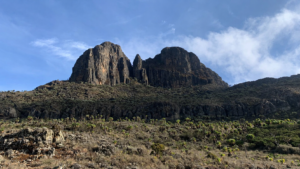
Over time, erosion has carved dramatic valleys, cliffs, waterfalls, and caves into the mountain. One of its most famous features is Kitum Cave, a vast cave naturally formed within volcanic rock.
Unlike many caves formed by flowing water, Kitum Cave has been enlarged over centuries by elephants, buffaloes, and other animals that scrape the cave walls to obtain mineral-rich salts.
Geological highlights
- Ancient shield volcano
- Volcanic caves
- Basalt rock formations
- Waterfalls
- Mountain cliffs
Visitor activities
- Hiking
- Cave exploration
- Wildlife viewing
- Birdwatching
- Camping
Mount Elgon perfectly illustrates how geological processes continue long after volcanic eruptions end, as erosion and wildlife reshape the landscape over thousands of years.
Nguruman Escarpment – A Window into the Rift Valley
The Nguruman Escarpment forms one of the most dramatic sections of the Great Rift Valley in southern Kenya.
Towering above the valley floor, the escarpment exposes millions of years of geological history through its visible rock layers and steep cliffs. These formations reveal how tectonic forces lifted parts of the Earth’s crust while neighbouring sections collapsed to form the Rift Valley.
From the top of the escarpment, visitors enjoy breathtaking views across the valley, rivers, forests, and distant volcanic mountains.
Geological highlights
- Rift Valley fault scarps
- Ancient rock layers
- Scenic cliffs
- River valleys
- Evidence of tectonic movement
Visitor activities
- Scenic drives
- Photography
- Hiking
- Nature observation
The Nguruman Escarpment reminds visitors that Kenya’s spectacular scenery is the result of millions of years of continuous geological change.
Koobi Fora – Where Geology Meets Human History
Few places in the world combine geology and archaeology as remarkably as Koobi Fora.
Located near the eastern shores of Lake Turkana, Koobi Fora contains ancient sedimentary rock layers that preserve fossils dating back millions of years.
These geological deposits have yielded some of the world’s most important discoveries about early human evolution, including fossils of ancient hominins and prehistoric animals.
The area’s exposed rock formations also help scientists reconstruct ancient climates, volcanic eruptions, and environmental changes that influenced early human development.
Geological highlights
- Ancient sedimentary rocks
- Fossil-bearing deposits
- Volcanic ash layers
- Desert landscapes
- Lake Turkana Basin geology
Visitor activities
- Educational tours
- Fossil site visits
- Photography
- Cultural experiences
Koobi Fora demonstrates how geology preserves the story of life itself, making it one of Kenya’s most scientifically important destinations.
The Chalbi Desert – Kenya’s Ancient Lakebed
While often overlooked, the Chalbi Desert is one of Kenya’s most fascinating geological landscapes.
Unlike many deserts formed by wind erosion alone, Chalbi was once the floor of an enormous ancient lake. Over thousands of years, climate changes caused the lake to dry up, leaving behind a vast expanse of salt flats, cracked earth, and mineral-rich sediments.
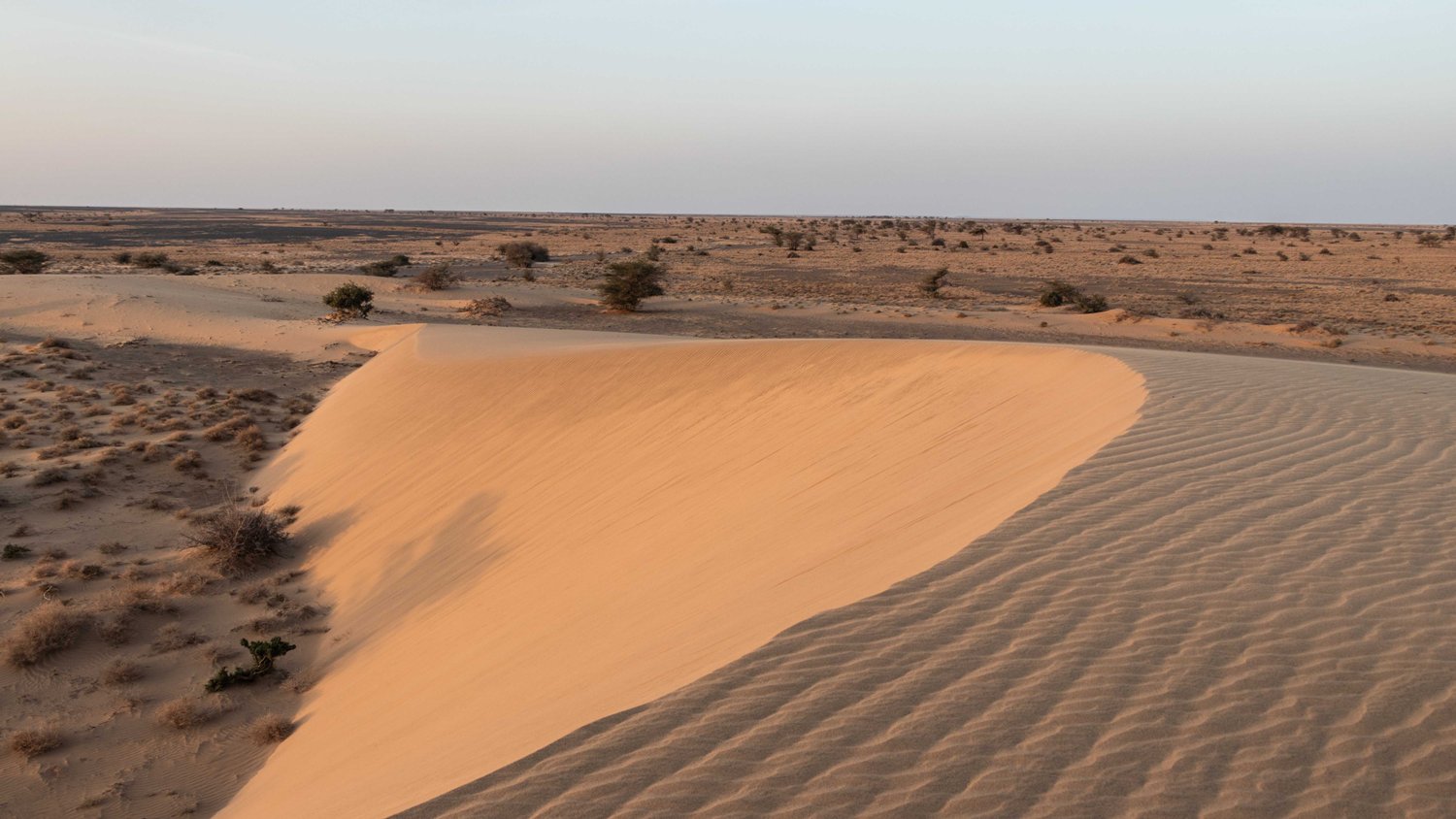
Today, the desert offers an almost otherworldly landscape where visitors can witness the long-term effects of changing climate and geological processes.
Geological highlights
- Ancient lakebed
- Salt flats
- Sedimentary deposits
- Desert landforms
- Unique mineral landscapes
Visitor activities
- Desert photography
- Scenic expeditions
- Cultural visits with local communities
- Stargazing
The Chalbi Desert is a powerful reminder that Earth’s landscapes are constantly evolving, with lakes becoming deserts and volcanic mountains gradually wearing away over millions of years.
How Geology Has Shaped Kenya’s Wildlife and Ecosystems
Kenya’s geological history has done far more than create dramatic scenery, it has also influenced where plants, animals, and even people live. The country’s mountains, valleys, volcanic soils, lakes, and escarpments support a remarkable variety of ecosystems, making Kenya one of Africa’s most biodiverse destinations.
Volcanic soils, enriched by minerals from ancient eruptions, are among the most fertile in the country. These nutrient-rich soils support forests, farms, and grasslands that provide habitat for countless species. Some of Kenya’s most productive agricultural regions also owe their success to volcanic activity that occurred thousands or even millions of years ago.
The Great Rift Valley has also created diverse climatic conditions. Highlands receive cooler temperatures and higher rainfall, allowing montane forests to flourish, while lower areas have developed into savannahs, wetlands, and semi-arid landscapes. This diversity of habitats supports iconic wildlife ranging from elephants and lions to flamingos and endemic bird species.
Many protected areas also exist because of their unique geological features. For example, the cliffs, gorges, and geothermal systems of Hell’s Gate National Park support wildlife while providing spectacular scenery for visitors. Likewise, volcanic mountains such as Mount Elgon and Mount Longonot combine geological significance with exceptional biodiversity.
Understanding Kenya’s geology helps visitors appreciate that its famous wildlife landscapes are the result of millions of years of natural processes working together.
Geothermal Energy: Turning Geology into Sustainable Power
One of the most practical benefits of Kenya’s geology is its ability to generate renewable energy.
As groundwater seeps deep into the Earth’s crust, it is heated by hot rocks associated with volcanic activity. The resulting steam rises back toward the surface, where it can be harnessed to produce electricity.
Kenya is a global leader in geothermal energy, using steam from the Rift Valley to power homes, industries, and businesses. This clean energy source reduces reliance on fossil fuels and demonstrates how geological processes continue to benefit modern society.
Visitors to geothermal areas near Hell’s Gate and Menengai can witness firsthand the natural steam vents and geothermal landscapes that make this renewable energy possible.
Best Time to Visit Kenya’s Geological Wonders
Kenya’s geological attractions can be visited throughout the year, but weather conditions can influence accessibility and outdoor activities.
June to October
This is generally considered the best season for hiking volcanoes, exploring craters, and visiting national parks. Dry weather makes trails safer and provides clearer views of surrounding landscapes.
January to February
These months also offer warm, dry conditions ideal for photography, trekking, and scenic road trips through the Rift Valley.
March to May and November to December
The rainy seasons transform landscapes into lush green environments and often create dramatic photographic opportunities. However, some hiking trails and unpaved roads may become muddy or difficult to navigate.
Tips for Exploring Kenya’s Geological Wonders
To make the most of your journey, consider these practical tips:
- Wear sturdy hiking shoes when visiting volcanoes, craters, or rocky terrain.
- Carry enough drinking water, especially in hot or semi-arid regions.
- Start hikes early in the morning to avoid midday heat.
- Follow marked trails and respect safety barriers near cliffs and geothermal areas.
- Hire local guides where available to learn about the geology, wildlife, and cultural history of each destination.
- Carry a camera or binoculars, as many geological sites also offer excellent opportunities for wildlife and birdwatching.
Responsible travel not only keeps visitors safe but also helps protect these fragile natural landscapes for future generations.
Conservation Challenges
Although Kenya’s geological wonders have endured for millions of years, they face increasing pressure from human activities and environmental change.
Some areas are threatened by quarrying, illegal mining, deforestation, pollution, and unplanned development. Climate change is also affecting water levels in lakes, vegetation patterns, and wildlife habitats surrounding these geological sites.
Conservation efforts led by government agencies, local communities, conservation organizations, and tourism stakeholders play an important role in protecting these landscapes. Sustainable tourism also contributes by creating economic incentives to preserve natural heritage while educating visitors about its importance.
By travelling responsibly, respecting protected areas, and supporting conservation initiatives, visitors can help ensure that these extraordinary geological wonders remain intact for generations to come.
Frequently Asked Questions
What is the most famous geological feature in Kenya?
The Great Rift Valley is Kenya’s most famous geological feature. It stretches across the country and has shaped many of its volcanoes, lakes, escarpments, and geothermal areas.
Are there active volcanoes in Kenya?
Most of Kenya’s volcanoes are dormant or extinct. However, geothermal activity, including hot springs and steam vents, indicates that the region remains geologically active beneath the surface.
Which geological site is best for hiking?
Mount Longonot is one of the country’s most popular hiking destinations, offering visitors the opportunity to climb a dormant volcano and walk around its crater rim.
Can tourists visit geothermal areas?
Yes. Several geothermal areas, including those around Hell’s Gate National Park and Lake Bogoria, are accessible to visitors. Always follow safety instructions, as hot springs and steam vents can reach very high temperatures.
Why is Kenya important to geologists?
Kenya provides exceptional evidence of volcanic activity, tectonic plate movement, geothermal processes, and Earth’s evolutionary history. Its fossil-bearing rocks have also contributed significantly to the study of human origins.
Kenya’s geological wonders reveal a side of the country that many travelers never experience. Beyond the celebrated wildlife safaris lies a landscape shaped by immense natural forces over millions of years. Towering volcanoes, steaming geothermal fields, ancient caves, dramatic escarpments, fossil-rich deserts, and expansive crater lakes all tell the story of a planet in constant transformation.
These remarkable places are more than scenic attractions. They are living classrooms where visitors can witness the power of plate tectonics, the legacy of volcanic eruptions, and the natural processes that continue to shape East Africa today. They also support thriving ecosystems, local communities, and sustainable industries such as geothermal energy.
Whether you’re standing on the rim of Mount Longonot, exploring the lava caves of Mount Suswa, watching geysers erupt at Lake Bogoria, or discovering the fossil-rich landscapes of Koobi Fora, each destination offers a deeper understanding of Kenya’s extraordinary natural heritage.
For travellers seeking experiences beyond traditional safaris, Kenya’s geological wonders provide unforgettable adventures that combine science, history, conservation, and breathtaking scenery. They remind us that long before Kenya became famous for its wildlife, the Earth itself was creating one of Africa’s most spectacular landscapes, one that continues to inspire explorers from around the world.