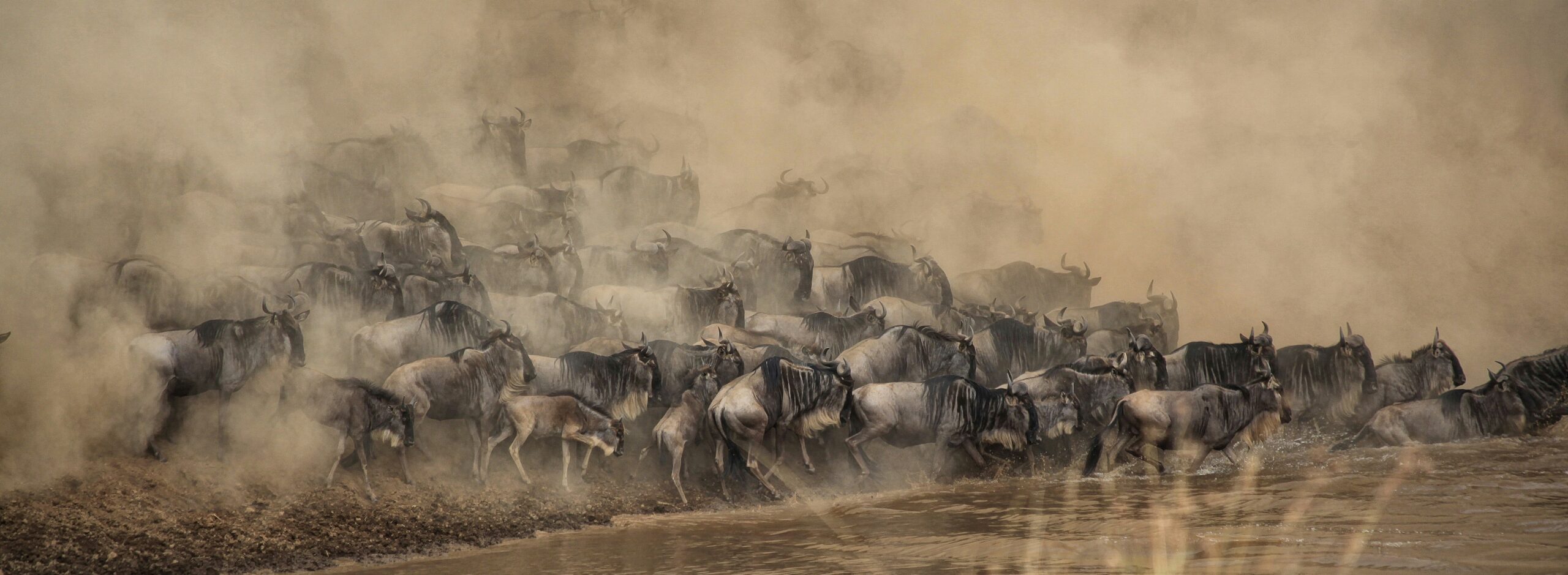
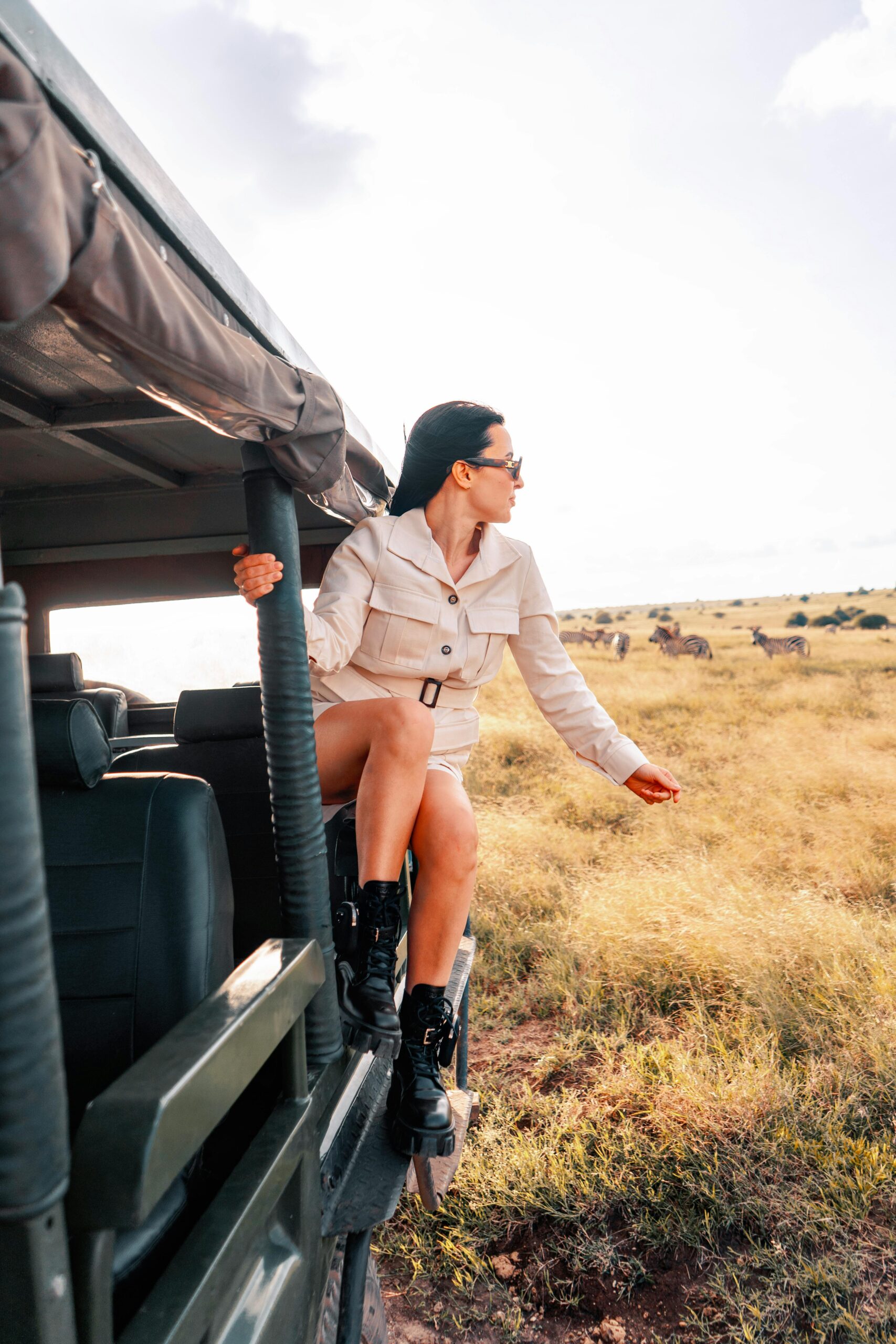
To protect natural treasures, Kenya established range of protected areas, each falling into one of three main categories that is National Parks, Game Reserves and Conservancies. All serve the purpose of conserving wildlife, differing in how they are managed, who benefits from them and kind of experiences they offer to visitors. Knowing distinctions between these categories help travelers make more informed, ethical and rewarding safari choices.
In Kenya, National Parks publicly owned protected areas primarily managed by the government while Game Reserves also publicly owned, but often managed county government or private entities. Conservancy managed by local communities or private individuals with focus on wildlife conservation and tourism. Below are differences between national parks, game reserves and conservancy in Kenya.
Kenya’s National Parks

Kenya National Parks are backbone of country’s formal conservation efforts, established and managed by Kenya Wildlife Service (KWS) to protect ecosystems, wildlife and natural heritage. The parks strictly regulated by national law and do not allow any form of human settlement, agriculture or grazing, ensuring that wildlife habitats remain undisturbed.
The well-developed infrastructure including marked roads and visitor facilities, National Parks offer structured and accessible safari experiences. Visitors explore national parks such as Amboseli, Lake Nakuru National Park, Mount Kenya National, Meru National Park and Hell’s Gate National Park. These National Parks serve as Kenya’s iconic wildlife but also as accessible into country’s natural beauty and conservation.

In contrast to other protected areas activities controlled such as, night drives and walking safaris are restricted to minimize human impact. Entry fees collected by government and reinvested in conservation and park maintenance, reinforcing role of National Parks as sanctuaries dedicated entirely to wildlife protection and education.
Kenya’s National Parks are secure, government-managed areas that offer classic, well-regulated safari experiences. Diverse landscapes and rich wildlife play crucial role in conservation while allowing visitors to explore nature in structured and responsible way.
Game Reserves in Kenya

Game Reserves in Kenya are protected wildlife areas managed primarily by county governments or local authorities rather than national government. The core mission remains conservation of wildlife and habitats; Game Reserves often strike balance between protection and needs of nearby communities.
Unlike National Parks, some reserves permit regulated human activities such as seasonal livestock grazing or residence by local pastoralist groups, depending on area’s conservation policies.

These reserves rich in both wildlife and cultural heritage, offering more flexible tourism experiences Masai Mara National Reserve and Samburu national park are examples of game reserves.
Game Reserves offer unique blend of wildlife conservation and community presence, creating more culturally immersive safari experience. Managed at local level, these reserves play key role in protecting biodiversity while supporting livelihoods of surrounding communities, making them vital part of Kenya’s broader conservation landscape.
Conservancies in Kenya

Conservancies are relatively and highly effective model of wildlife conservation in Kenya, where local communities or private landowners take leading role in managing. Located adjacent to established National Parks or Game Reserves, playing vital role in extending wildlife and preserving ecosystems.
Conservancy’s emphasis on sustainable tourism and community involvement with local people directly benefiting from tourism revenues. This approach creates a mutually beneficial relationship, where conservation efforts strengthened and local communities receive economic support.
Conservancies have low impact tourism prioritized activities such as walking safaris and night game drives. Conservancies offer personalized safari experience with fewer crowds and greater opportunities for interaction with nature. By visiting conservancies, travelers contribute directly to conservation efforts and welfare of surrounding communities.
Notable conservancies like Ol Pejeta is home to last two northern white rhinos and Lewa Wildlife Conservancy Heritage Site. Conservancies protect endangered species also provide visitors with immersive safari experience that benefits both land and people.

Conservancies offer unique and impactful safari experience, where travelers immerse themselves in nature, contributing to conservation efforts and local communities. Those seeking intimate adventure conservancies provide exclusive experience that benefits both environment and people who live alongside it.
Kenya approach to wildlife conservation through National Parks, Game Reserves and Conservancies, creates powerful model for protecting nature. Each category offers distinct experience: National Parks provide structured and government regulated safaris, Game Reserves blend wildlife protection with cultural heritage and Conservancies pioneer community led sustainable tourism. Together form interconnected network supports both biodiversity and wellbeing of local communities. For visitors understanding these differences enriches safari experience also empowers them to make choices that align with their values and contribute meaningfully to conservation in Kenya.