In the lush wetlands and river valleys of Africa, the large, shaggy antelope moves gracefully through the grass, the waterbuck. Known for its striking white rump ring and impressive curved horns, this elegant creature is perfectly adapted to life near rivers and marshes. The waterbuck serves as a symbol of resilience and strength, a cautious grazer, and a vital part of the ecosystem. Beneath a calm demeanor lies a story of survival, social bonds and adaptation, making it one of Africa’s most fascinating antelopes.
Unique Features of the Waterbuck
 Striking white rump ring
One of the most distinctive features of the waterbuck is the bold white circle around its rump. This “target” mark helps herd members follow each other through tall grasses and dense vegetation.
Water-resistant coat
Waterbucks have a coarse, oily coat that repels water, allowing them to stay close to rivers, swamps and marshes.
Impressive curved horns

Only males have horns, which are long, strong and ridged. They are curved backward and slightly upward and used for defense against predators and during battles with rival males. The horns are a striking visual feature that emphasizes the male’s strength and dominance.
They have a large and sturdy build
Waterbucks are among the larger antelopes, weighing up to 270 kg, built to provide protection and to navigate through dense vegetation and marshy terrain.
Strong affinity for water
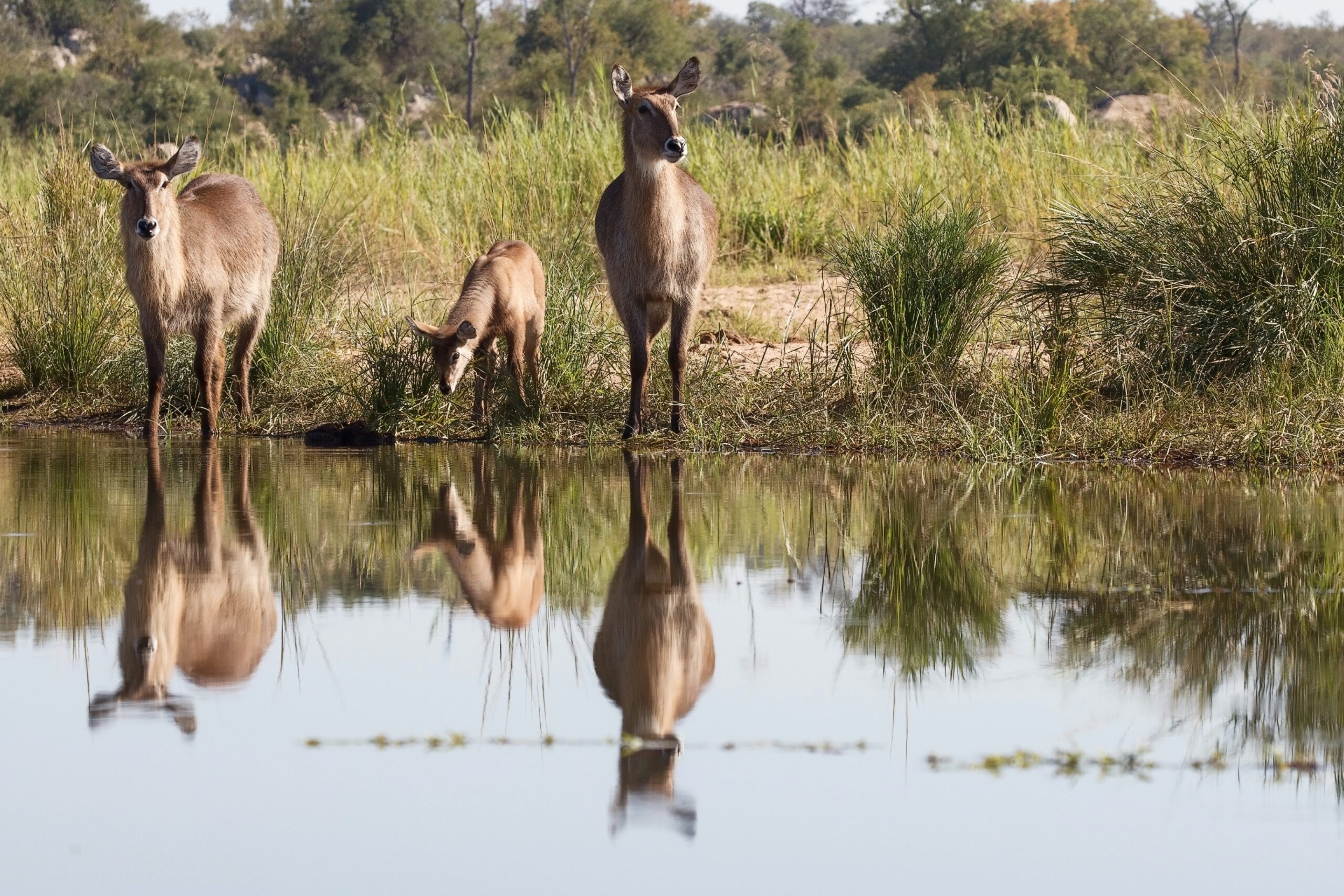 Waterbucks remain close to permanent water sources; this proximity provides food and safety.
Musky odor
Waterbucks secrete musky scent from glands, helping repel insects, mark territory and communicate.
The social structure
Waterbucks live in herds, while males are territorial or form bachelor groups. This social organization allows the protection of young calves and maintains herd cohesion near water sources.
Adapted hooves and agility
They have strong legs and broad hooves make waterbuck excellent runners and swimmers, escaping predators efficiently.
The long lifespan in the wild
Waterbucks live up to 18–20 years in the wild, which is relatively long for antelopes. Their size, adaptability and ability to stay near water contribute to their survival.
Where waterbucks are found in Kenya

Waterbucks are widely distributed near permanent water sources such as rivers, lakes and wetlands. They are found in national parks, reserves and conservancies that provide safe grazing areas and reliable water.
Lake Nakuru National Park
Waterbucks thrive along the shores of Lake Nakuru, feeding on the lush grasses and staying near the water’s edge to avoid predators.
Masai Mara National Reserve
Along the Mara River, waterbucks use its riverine forests and floodplains for grazing and protection.
Amboseli National Park
It is located at the foot of Mount Kilimanjaro and the park’s swamps and water holes attract waterbucks, especially during the dry season.
Tsavo East and Tsavo West National Parks
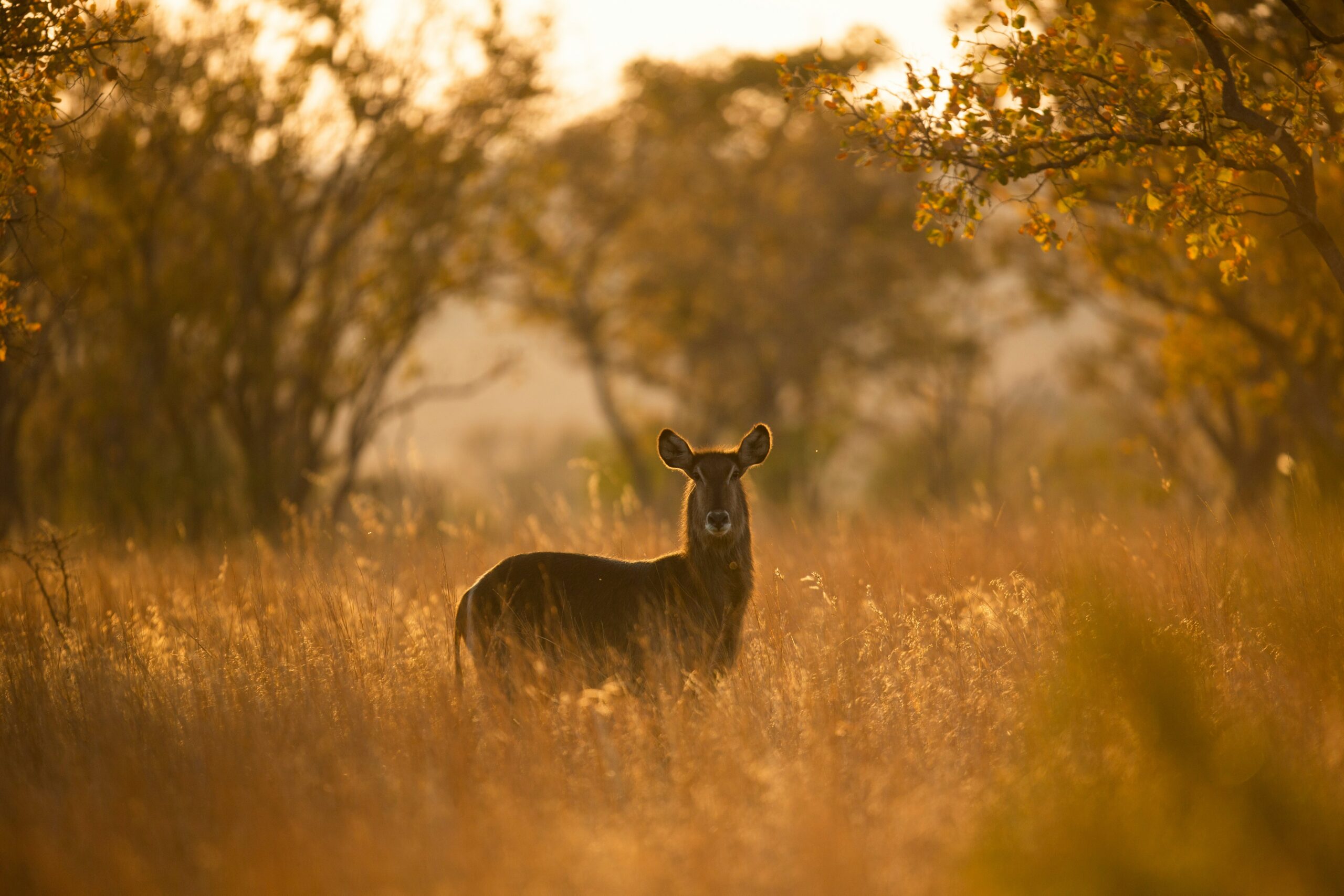 These vast parks have rivers, seasonal pans and wet valleys, providing ideal habitats for waterbucks.
Samburu National Reserve
Waterbucks thrive along the Ewaso Ng’iro River and dense riverine vegetation that provides high-quality grasses.
Meru National Park
The park’s rivers, wetlands and swampy grasslands are perfect for waterbucks. They graze near the Tana River tributaries and use dense vegetation for protection.
Aberdares National Park
Waterbucks inhabit forest clearings, moorlands and streams in the park.
Waterbuck is one of the remarkable and resilient antelopes, adapted to Africa’s wetlands, rivers and grasslands. Its striking white rump ring, impressive horns and water-resistant coat stand out as a symbol of strength and elegance. They are closely tied to water sources, playing an important role in maintaining healthy grasslands.