

Kenya has no shortage of incredible places to see wildlife, but if you are planning a safari in the southern part of the country, two destinations are likely to catch your attention: Tsavo and Amboseli.
Both offer memorable wildlife encounters, beautiful landscapes and the chance to see some of Africa’s most recognizable animals. However, the experience you get in each park can be quite different.
Amboseli is famous for its large elephant herds and spectacular views of Mount Kilimanjaro. Tsavo, on the other hand, offers a much larger wilderness, with wide open plains, dramatic volcanic scenery and a sense of adventure that comes with exploring an expansive landscape.
So, when comparing a Tsavo vs Amboseli safari, which park should you choose?
The answer depends on what you want from your trip, how many days you have and whether you prefer a safari known for iconic photography opportunities or one that gives you more room to explore. Here is what you should consider before making your decision.
Tsavo vs Amboseli Safari: What Is the Main Difference?
The biggest difference is the kind of safari experience each destination offers.
Amboseli National Park is relatively compact, making it easier to explore over a short visit. Its open plains, seasonal lake bed and permanent swamps create a distinctive landscape, while Mount Kilimanjaro provides an unforgettable backdrop on clear days. The park is particularly popular with visitors hoping to photograph elephants against the mountain.
Tsavo is much larger and is divided into Tsavo East and Tsavo West national parks. The two parks have different landscapes and attractions, so your experience will depend partly on which section you visit.
Tsavo East is known for its extensive open plains, red dusted elephants and the Galana River. Tsavo West has more varied terrain, including volcanic formations, rocky hills and Mzima Springs, where clear water attracts hippos and other wildlife.
In simple terms, Amboseli is an excellent choice if you want a focused safari with a strong emphasis on elephants and mountain scenery. Tsavo is worth considering if you enjoy exploring a vast wilderness with changing landscapes and a broader sense of adventure.
You can read more about the differences between Tsavo East and Tsavo West in our guide to Tsavo National Parks.
Wildlife Viewing: Which Park Offers the Better Experience?
Both destinations support a variety of wildlife, but the animals you are most likely to remember may differ.
Wildlife in Amboseli National Park
Amboseli is especially famous for its elephants. Large herds are frequently seen moving across the plains, feeding in the grasslands or gathering around the park’s wetlands.
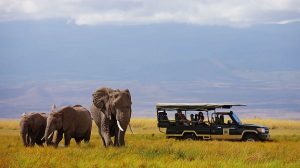
The swamps are an important part of the Amboseli ecosystem because they provide water and vegetation even when the surrounding landscape becomes dry. This helps attract animals throughout the year.
During your game drives, you may also encounter lions, spotted hyenas, buffaloes, zebras, wildebeest, giraffes and various antelope species. Birdlife is another attraction, particularly around wetland areas.
One of Amboseli’s biggest advantages is that its relatively open landscape can offer excellent opportunities to observe elephants and other animals without constantly searching through thick vegetation.
However, wildlife sightings are never guaranteed. The time of year, weather, animal movements and the areas visited during your game drives all influence what you see.
Wildlife in Tsavo National Park
Tsavo offers a different kind of wildlife experience because of its size and varied habitats.
In Tsavo East, you may see elephants, lions, giraffes, zebras, buffaloes, antelopes and numerous bird species. Its open plains and river areas provide rewarding locations for game viewing, particularly when wildlife gathers near available water.
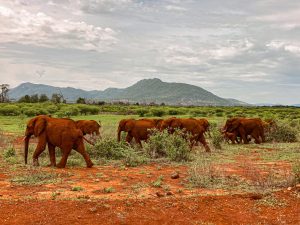
Tsavo West has a more rugged landscape, with wildlife found across open areas, bushland, hills and water sources. The park is also home to the Ngulia Rhino Sanctuary, which protects endangered black rhinos. Sightings of these elusive animals are not guaranteed.
Because Tsavo covers such a large area, you should not expect to explore every part of it on a short safari. Choosing the right section and allowing enough time for game drives can make a significant difference.
Which is better for wildlife?
If your main priority is seeing elephants in a setting that is particularly rewarding for photography, Amboseli is a strong choice. If you want to explore a much larger wilderness with varied habitats and wildlife encounters, Tsavo deserves serious consideration.
Neither park guarantees more animal sightings on every visit. The best choice depends on your interests, itinerary and the conditions during your safari.
Scenery and Photography: Kilimanjaro or Tsavo’s Wild Landscapes?
For many travellers, the scenery is just as important as the animals. This is where the difference between the two destinations becomes especially clear.
Amboseli: Elephants with Mount Kilimanjaro in the Background
Amboseli is one of Kenya’s most recognizable safari destinations because of the views of Mount Kilimanjaro, Africa’s highest mountain, across the border in Tanzania.
On a clear day, the mountain creates a striking backdrop for elephants walking across the plains. These scenes are a major reason photographers and wildlife enthusiasts choose Amboseli.
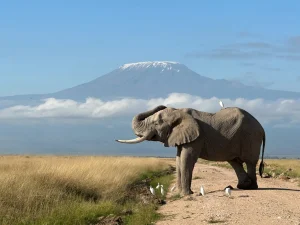
The landscape also changes with the seasons. During dry periods, parts of the park can look dusty and stark, while the wetlands remain green. After rainfall, the surrounding plains can become lush, creating a different atmosphere for photography.
One thing to keep in mind is that Mount Kilimanjaro is not always visible. Clouds can obscure the summit, particularly as the day progresses. Early mornings often offer some of the best opportunities for mountain views, although conditions vary.
Tsavo: Red Elephants, Volcanic Terrain and Wide-Open Spaces
Tsavo offers a different kind of visual appeal.
Tsavo East is famous for elephants that often appear reddish because they cover themselves in the park’s red soil. Its broad plains, scattered baobab trees and the Galana River create a landscape that feels expansive and untamed.
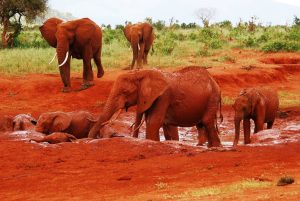
Tsavo West offers more dramatic changes in scenery, including rugged hills, ancient lava flows and the clear waters of Mzima Springs. These features make it appealing to travellers who enjoy landscape photography as well as wildlife viewing.
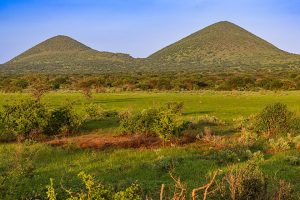
Rather than relying on one famous backdrop, Tsavo gives you a variety of settings to discover as you explore.
Which park is better for photography?
Choose Amboseli if photographing elephants against Mount Kilimanjaro is high on your wish list. Choose Tsavo if you prefer varied landscapes, dramatic geological features and wildlife photographs that capture the character of a vast wilderness.
Tsavo vs Amboseli Safari Cost: Which Is More Affordable?
The cost of your safari depends on several factors, including park entry fees, accommodation, transport, the number of days you spend travelling and whether you join a shared safari or book a private vehicle.
Neither park is automatically cheaper in every situation.
Amboseli can work well for a short safari from Nairobi, especially if you want to spend a few days focusing on one destination. Your total cost will depend on your accommodation choice, travel arrangements and the applicable park fees.
Tsavo costs vary depending on whether you visit Tsavo East, Tsavo West or both. The distances involved and the route you take can affect transport costs, while your choice of lodge or camp also influences the overall budget.
Visiting both Tsavo East and Tsavo West may require more time and planning than visiting just one section. Trying to cover too much in a short itinerary can mean spending more time travelling and less time enjoying game drives.
When comparing safari quotations, check exactly what is included. Look at accommodation, meals, transport, park entry fees, game drives and any additional activities. Two quotations may look similar at first but cover different services.
You can use our guide on how to compare Kenya safari quotations to understand what to look for before choosing a package.
For the most accurate comparison, request a quotation for the same travel dates, number of people and accommodation category for both destinations.
Travel Time and Accessibility: Which Park Is Easier to Visit?
Your starting point matters when choosing between Tsavo and Amboseli.
Amboseli is commonly visited on a road safari from Nairobi. The journey usually takes several hours, depending on your departure point, traffic, road conditions and the gate used to enter the park. Its relatively compact size can make it practical for travellers with only a few days available.
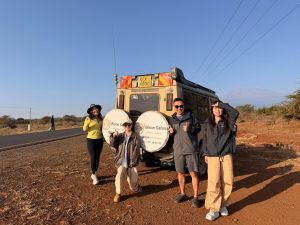
Tsavo is also accessible by road from Nairobi, but travel time depends on whether you are heading to Tsavo East or Tsavo West and which entry point your itinerary uses. The park’s large size means that the distance between your accommodation, park gates and wildlife viewing areas can also affect your schedule.
Travellers coming from the Kenyan coast may find Tsavo a convenient option, particularly when planning a safari between Mombasa and Nairobi or adding a wildlife experience to a beach holiday. The most suitable route will depend on the park section and accommodation selected.
Both destinations can also be reached by air using suitable scheduled or charter flights, depending on the itinerary and available services.
When planning your trip, do not judge accessibility by road distance alone. Ask how long the actual transfer is expected to take, which gate you will use and how much time will remain for game viewing on arrival.
Best Time for a Tsavo vs Amboseli Safari
Both parks can be visited throughout the year, but seasonal conditions influence wildlife viewing, scenery and the overall experience.
Best Time to Visit Amboseli
The drier periods, particularly June to October and January to February, are often popular for Amboseli safaris. Vegetation can be less dense, and wildlife may be easier to spot in suitable areas. Clearer skies can also improve your chances of seeing Mount Kilimanjaro.
The rainy seasons bring a different experience. The landscape becomes greener, birdlife can be excellent, and the park may look especially beautiful for photography. However, rain and thicker vegetation can affect road conditions and wildlife visibility.
For more detailed seasonal advice, read our guide to the best time to visit Amboseli National Park.
Best Time to Visit Tsavo
Tsavo can also offer rewarding game drives in different seasons.
During drier periods, animals may concentrate around rivers and other available water sources, making some sightings easier. The open areas of Tsavo East can be particularly rewarding, while Tsavo West offers opportunities to explore its varied terrain and water features.
During rainy periods, parts of Tsavo become greener and more attractive for landscape photography. Birdwatching can also be rewarding, although rainfall may affect road conditions and the ease of moving around the parks.
The best time for your visit will depend on your priorities. If clear mountain views are important, consider the seasonal conditions in Amboseli. If you want to experience Tsavo’s landscapes and wildlife, choose dates that fit your schedule and allow enough time to explore your selected park.
How Many Days Do You Need in Each Park?
The number of days you need depends on how much you want to see and how relaxed you want your safari to be.
How Long to Spend in Amboseli
Two to three days in Amboseli can provide a worthwhile safari, giving you time for several game drives without rushing through the park.
A two-day trip may suit travellers with limited time, while three days allow a little more flexibility to explore different areas and make the most of changing wildlife activity and mountain visibility.
If you are travelling from Nairobi, remember to account for the road journey when planning your first and last days.
How Long to Spend in Tsavo
Two to three days can work well for a visit focused on either Tsavo East or Tsavo West, depending on your interests and the locations of your accommodation and game drives.
If you want to visit both sections, allow more time. Tsavo is too large to appreciate fully if you spend most of your trip travelling between areas.
A longer itinerary can also make it easier to enjoy the different landscapes and attractions without having to rush from one location to another.
If you have only a short holiday, choose the section that best matches your interests rather than trying to fit everything into a tight schedule.
Can You Visit Both Tsavo and Amboseli on One Safari?
Yes. Combining Tsavo and Amboseli can be an excellent option if you have enough time and want to experience two different sides of Kenya’s wildlife and landscapes.
You could include Amboseli for its elephant herds and views of Mount Kilimanjaro, then continue to a suitable section of Tsavo for its open plains, red dusted elephants or dramatic volcanic scenery.
The best route depends on where you start and finish, how many nights you have available and which parks you want to visit. It is important to plan the order of destinations carefully so that long transfers do not take too much time away from game drives.
For a short safari, choosing one park may give you a more relaxed experience. With additional days, combining the two can create a varied itinerary with excellent opportunities for wildlife viewing and photography.
Tsavo vs Amboseli Safari: Which Park Should You Choose?
After comparing the wildlife, scenery, costs and travel requirements, the best destination comes down to the experience you want.
Choose Amboseli if:
- You want to see large herds of elephants.
- Photographing wildlife against Mount Kilimanjaro is a priority.
- You prefer a relatively compact park that works well for a short safari.
- You want to focus on one destination without spending too much time moving between different park sections.
Choose Tsavo if:
- You want to explore a vast wilderness with varied landscapes.
- You are interested in Tsavo East’s open plains and red dusted elephants.
- You would like to explore Tsavo West’s volcanic scenery and Mzima Springs.
- You have enough time to enjoy game drives without rushing through long distances.
- You are planning a safari that may fit naturally into a journey between Nairobi and the Kenyan coast.
If you are still undecided, think about the images and experiences you most want to take home. For elephants beneath Mount Kilimanjaro, Amboseli is hard to beat. For a broader exploration of Kenya’s wilderness, Tsavo offers a compelling alternative.
Neither park is universally better than the other. Both can deliver memorable safaris when the itinerary suits your interests and available time.
Plan Your Tsavo or Amboseli Safari with Bison Safaris
Choosing a park is only the beginning. The right accommodation, travel route, number of nights and timing of your game drives all help shape your experience.
At Bison Safaris, we can help you plan a safari around your schedule and budget, whether you prefer Amboseli, Tsavo East, Tsavo West or a combination of destinations.
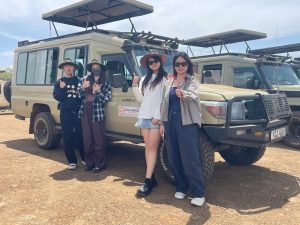
Tell us your preferred travel dates, number of travellers and accommodation level, and we can help you compare suitable options before you book. Visit Bison Safaris to start planning your Kenya safari.
Frequently Asked Questions About Tsavo vs Amboseli Safari
Is Tsavo better than Amboseli for a safari?
Neither park is better for every traveller. Amboseli is especially popular for its elephant herds and Mount Kilimanjaro views, while Tsavo offers a much larger wilderness and a wider variety of landscapes. Your choice should depend on your interests, time and budget.
Which park is best for seeing elephants, Tsavo or Amboseli?
Both parks are known for elephants. Amboseli is particularly famous for its large herds and opportunities to photograph them against Mount Kilimanjaro. Tsavo is also well known for its elephants, especially the red-dusted elephants often seen in Tsavo East.
Can I see Mount Kilimanjaro in Tsavo?
Mount Kilimanjaro is most closely associated with Amboseli’s classic safari views. Depending on location and weather, the mountain may be visible from parts of the wider region, but Amboseli is the stronger choice if seeing and photographing Kilimanjaro is one of your main priorities.
Is Amboseli cheaper than Tsavo?
Not necessarily. The total cost depends on park fees, accommodation, transport, travel dates and the number of nights. Tsavo costs also vary according to whether you visit Tsavo East, Tsavo West or both. Compare quotations with the same inclusions before deciding.
How many days are enough for a Tsavo and Amboseli safari?
Two to three days can provide a rewarding visit to either Amboseli or one section of Tsavo. If you want to explore both Tsavo East and Tsavo West, or combine Tsavo with Amboseli, allow additional time to avoid spending too much of your holiday travelling.
Can I visit Tsavo and Amboseli from Nairobi?
Yes. Both destinations can be visited on road safaris from Nairobi. The journey time and best route depend on your chosen park, entry gate, accommodation and road conditions. A well planned itinerary will account for transfers as well as time for game drives.
Which is better for a first-time safari in Kenya?
Amboseli is a strong option for first time visitors who want memorable elephant sightings and the possibility of photographing wildlife against Mount Kilimanjaro. Tsavo is an excellent alternative for travellers who prefer a larger wilderness and varied scenery. Either can be a rewarding introduction to Kenya’s wildlife.


