| Licensed Tour Operator

Best Time to Visit Amboseli National Park: Your Complete Safari Planning Guide

Elizabeth Muriuki
Elizabeth Muriuki Safari Consultant
July 23, 2026 10 min read

Amboseli National Park has a way of leaving a lasting impression long after the safari ends. Perhaps it’s the sight of Africa’s largest elephants strolling across open plains with Mount Kilimanjaro towering in the background, or the peaceful rhythm of wildlife gathering around the park’s lush swamps as the golden African sun rises. Whatever draws you here, Amboseli offers one of Kenya’s most rewarding safari experiences.

If you’re planning a visit, one question will likely come to mind: what is the best time to visit Amboseli National Park? While the park welcomes visitors throughout the year, each season offers something unique. The weather influences wildlife movements, the condition of the landscape, birdlife, photography opportunities, and even the overall atmosphere of your safari. Choosing the right time depends on what you hope to experience, whether that’s exceptional game viewing, breathtaking scenery, fewer crowds, or excellent birdwatching.

The good news is that there is no wrong time to explore Amboseli. Thanks to its permanent swamps, fed by underground water from Mount Kilimanjaro, wildlife remains abundant throughout the year. However, understanding how the seasons shape the park will help you plan a safari that perfectly matches your interests.

In this guide, you’ll discover the best time to visit Amboseli National Park, what to expect during the different seasons, and how to choose the ideal time for an unforgettable Kenyan safari with Bison Safaris.

Why Timing Matters When Visiting Amboseli National Park

Located in southern Kenya near the Tanzanian border, Amboseli National Park is one of Africa’s most iconic wildlife destinations. Although it is smaller than parks such as Tsavo or the Maasai Mara, its diverse habitats and remarkable concentration of wildlife make every game drive incredibly rewarding.

The park is best known for its thriving elephant population, but that’s only part of its appeal. Open grasslands, acacia woodlands, seasonal lakes, and year-round swamps support an impressive variety of animals, including lions, cheetahs, buffaloes, giraffes, zebras, wildebeests, hyenas, and more than 400 bird species.
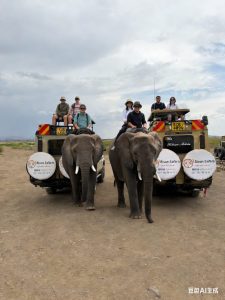
Best time to visit Amboseli National Park

Unlike many ecosystems that rely entirely on rainfall, Amboseli benefits from underground streams flowing from the melting glaciers of Mount Kilimanjaro. These natural springs feed extensive wetlands that provide a reliable source of water even during prolonged dry spells. As a result, wildlife remains active throughout the year, making Amboseli one of Kenya’s most dependable safari destinations.

Even so, the seasons have a noticeable impact on the safari experience. During the dry months, animals gather around permanent water sources, vegetation becomes thinner, and wildlife is generally easier to spot. When the rains arrive, the landscape transforms into a lush green paradise, attracting migratory birds and creating stunning scenery for photographers. These seasonal changes also influence road conditions, visitor numbers, accommodation rates, and the visibility of Mount Kilimanjaro.

Understanding these differences helps you choose the best time to visit based on your priorities rather than simply picking dates on the calendar.

When Is the Best Time to Visit Amboseli National Park?

For most travellers, the best time to visit Amboseli National Park is during the dry seasons, which generally occur from June to October and January to February. These months offer excellent wildlife viewing because animals concentrate around the park’s swamps and waterholes, where water remains available even when the surrounding landscape becomes dry.

With shorter grass and fewer places for animals to hide, game drives become more productive. Visitors often enjoy close encounters with large elephant herds, buffaloes, zebras, giraffes, wildebeests, and predators such as lions and cheetahs. Clear skies during the early mornings also provide the best chance of seeing Mount Kilimanjaro in all its glory, making this an ideal time for photography.

However, that doesn’t mean the rainy seasons should be overlooked. The arrival of rain breathes new life into Amboseli, covering the plains in fresh green vegetation and filling seasonal wetlands. Birdlife flourishes, newborn animals become more common, and the park feels quieter as fewer tourists visit. Travellers looking for peaceful game drives, vibrant landscapes, and better accommodation deals often find this season especially rewarding.

Rather than asking which season is universally better, it’s more useful to think about the kind of safari you want. If your priority is seeing as much wildlife as possible, the dry season is the clear winner. If you’re drawn to dramatic scenery, birdwatching, or a more tranquil safari experience, the greener months have plenty to offer.

Best Time for Wildlife Viewing

Wildlife viewing is the highlight of any Amboseli safari, and one of the main reasons visitors travel from around the world to experience this remarkable park. While animals can be seen throughout the year, seasonal changes influence where they gather and how easily they can be spotted.

The dry seasons provide the most rewarding wildlife encounters. As grasses become shorter and temporary water sources disappear, animals naturally move towards Amboseli’s permanent swamps. These wetlands become bustling centres of activity, attracting elephants, buffaloes, zebras, wildebeests, gazelles, and many other herbivores throughout the day.

This concentration of prey also benefits predators. Lions often patrol areas close to the swamps, while spotted hyenas and cheetahs take advantage of the open plains to hunt. Because vegetation is less dense, visitors enjoy clearer views and better photographic opportunities than during wetter periods.

Amboseli’s elephants deserve special mention. The park is internationally recognized for its conservation efforts and is home to some of Africa’s most famous elephant families. Watching these magnificent animals walk gracefully across the plains with Mount Kilimanjaro rising behind them is one of the defining images of an African safari.

The rainy seasons offer a different perspective on wildlife. Abundant grazing allows animals to spread across the park, making sightings slightly less predictable. At the same time, the landscape becomes alive with young animals, colourful birdlife, and flourishing vegetation, creating a safari experience that feels vibrant and full of renewal.

Whichever season you choose, Amboseli’s permanent wetlands ensure that wildlife remains one of the park’s greatest attractions throughout the year.

Best Time for Photography

Amboseli is a dream destination for photographers, offering dramatic landscapes, extraordinary wildlife, and one of the most recognizable backdrops in Africa. The changing seasons simply add different creative possibilities.

For those hoping to capture Amboseli’s classic postcard scene, the dry seasons are generally the best choice. Early mornings often bring clear skies before clouds gather around Mount Kilimanjaro later in the day. This is when photographers have the greatest chance of capturing elephants or giraffes silhouetted against Africa’s highest peak.
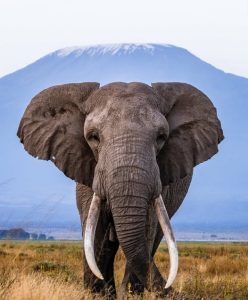
best time to visit Amboseli National Park for great pictures

Dry weather also improves visibility during game drives. Shorter grasses make wildlife easier to photograph, while the warm, golden light of sunrise and sunset enhances colours and creates beautiful contrasts across the savannah.

The rainy seasons, however, shouldn’t be underestimated. Fresh green landscapes, dramatic storm clouds, reflective pools, and vibrant vegetation create stunning compositions that differ from the classic dry-season images. Bird photographers also benefit from increased activity, as many species display their brightest breeding plumage during this time.

Regardless of when you visit, the best photographs are usually taken during the early morning and late afternoon, when temperatures are cooler, wildlife is more active, and the soft natural light brings Amboseli’s landscapes to life.
Best Time for Birdwatching

While Amboseli is famous for its elephants and sweeping views of Mount Kilimanjaro, it is also one of Kenya’s finest birdwatching destinations. The park is home to more than 400 recorded bird species, thanks to its varied habitats that include swamps, seasonal lakes, open grasslands, acacia woodlands, and marshes.

Birdwatching is rewarding throughout the year, but the wet seasons are generally considered the best time for bird enthusiasts. Seasonal rains replenish wetlands and encourage an abundance of insects and aquatic life, attracting both resident and migratory birds. During this period, the park becomes especially colourful as many species display their breeding plumage, making it an exciting time for wildlife photographers as well.

Visitors may spot African fish eagles soaring above the swamps, graceful grey crowned cranes, sacred ibises, African jacanas walking across floating vegetation, yellow-billed storks, herons, egrets, kingfishers, and numerous species of weavers. Flamingos can also appear in nearby seasonal lakes when conditions are favourable.

Even during the dry season, birdlife remains impressive because the permanent wetlands continue to provide food and water. Whether you’re an experienced birder or simply enjoy watching nature, Amboseli offers exceptional opportunities to discover Kenya’s rich avian diversity.

Dry Season vs Wet Season: Which Is Better?

There is no single answer to which season is better because it ultimately depends on the kind of safari experience you’re looking for. Both seasons offer distinct advantages, and many travellers return to Amboseli more than once to experience these changing landscapes.

Dry Season Wet Season
Excellent wildlife viewing as animals gather around water sources Beautiful green landscapes with fresh vegetation
Clear views of Mount Kilimanjaro are more common Dramatic skies and vibrant scenery for photography
Easier game viewing due to shorter grass Outstanding birdwatching, including migratory species
Dry roads make travel more comfortable Fewer visitors and a quieter safari experience
Ideal for first-time safari visitors Lower accommodation rates in many lodges and camps
Peak tourist season with higher demand Wildlife is more dispersed but the park feels more natural and peaceful

If your dream safari involves seeing large concentrations of wildlife with minimal effort, the dry season is likely the best choice. On the other hand, if you value lush scenery, fewer crowds, and excellent birdlife, you’ll find the wet season equally rewarding.

What Is the Weather Like in Amboseli?

Amboseli enjoys a warm climate throughout the year, making it a comfortable safari destination in every season. Daytime temperatures typically range between 24°C and 30°C, while early mornings and evenings can feel surprisingly cool, particularly during the dry months.

The park experiences two rainy seasons and two relatively dry seasons. Rainfall patterns influence the appearance of the landscape more than they affect accessibility, as wildlife continues to thrive thanks to the park’s permanent swamps.

One of Amboseli’s most fascinating weather features is Mount Kilimanjaro itself. Although the mountain dominates the skyline, its summit is often hidden by clouds as the day progresses. Visitors hoping to enjoy uninterrupted views should plan early morning game drives, when the skies are usually clearest.

Weather in Amboseli can change quickly, so packing clothing that can be layered is always a wise decision. Comfortable mornings often give way to warm afternoons, especially when spending several hours on a game drive.

What to Pack for an Amboseli Safari

Packing wisely can make your safari more enjoyable and ensure you’re prepared for changing weather conditions.

Neutral-coloured clothing in shades such as khaki, olive green, beige, and brown is recommended because it blends into the natural environment and attracts less attention from wildlife. Lightweight, breathable fabrics help keep you comfortable during warm afternoons, while a warm fleece or light jacket is useful for early morning game drives.

best time to visit Amboseli National Park

Comfortable walking shoes, a wide-brimmed hat, sunglasses, sunscreen, and insect repellent are essential additions to your packing list. A reusable water bottle is also helpful for staying hydrated throughout the day.

If you’re interested in photography, bring a camera with a zoom lens, extra memory cards, spare batteries, and binoculars to enhance wildlife viewing. During the rainy seasons, a lightweight waterproof jacket and a protective cover for your camera equipment can prove invaluable.

Tips for Planning Your Amboseli Safari

A little planning goes a long way towards creating a memorable safari experience.

Booking your accommodation well in advance is highly recommended if you plan to travel during the peak dry season, as many lodges and camps fill up quickly. If your schedule is flexible, travelling during the shoulder or green seasons may offer better value while still providing excellent wildlife encounters.

Morning and late afternoon game drives are generally the most rewarding, as wildlife is more active during the cooler parts of the day. These times also offer the best natural lighting for photography and increase your chances of seeing Mount Kilimanjaro before clouds gather around its summit.

Many travellers also choose to combine Amboseli with other iconic destinations such as the Maasai Mara, Tsavo East, Tsavo West, or Lake Naivasha, creating a more diverse Kenyan safari experience. If you’re planning a longer itinerary, combining multiple parks allows you to experience different landscapes, ecosystems, and wildlife encounters in a single trip.

Frequently Asked Questions

Is Amboseli National Park worth visiting during the rainy season?

Absolutely. Although wildlife is more spread out, the lush scenery, abundant birdlife, fewer crowds, and attractive accommodation rates make the rainy season an excellent time to visit.

Can you always see Mount Kilimanjaro from Amboseli?

Not always. Cloud cover often obscures the mountain later in the day, but early mornings usually provide the best opportunity to enjoy its spectacular views.

How many days should you spend in Amboseli National Park?

A stay of two to three days is ideal for enjoying multiple game drives, exploring different parts of the park, and increasing your chances of seeing Mount Kilimanjaro in clear conditions.

Is Amboseli suitable for first-time safari visitors?

Yes. Amboseli’s relatively compact size, abundant wildlife, and excellent game-viewing opportunities make it one of Kenya’s best parks for first-time safari travellers.

The best time to visit Amboseli National Park ultimately depends on the safari experience you’re seeking. If your priority is exceptional wildlife viewing, clear views of Mount Kilimanjaro, and comfortable game drives, the dry seasons provide the ideal conditions. If you prefer lush landscapes, outstanding birdwatching, quieter surroundings, and potentially lower travel costs, the rainy seasons offer a different but equally memorable perspective.

What remains constant throughout the year is Amboseli’s extraordinary beauty. Its iconic elephant herds, thriving wetlands, diverse wildlife, and breathtaking scenery ensure that every visit is filled with unforgettable moments.

Whether you’re planning your first African safari or returning to discover another side of Kenya, Bison Safaris can help you create an itinerary that matches your interests, travel style, and preferred season. With expert local guides and carefully curated safari experiences, you’ll have the opportunity to experience Amboseli National Park at its very best.

Elizabeth Muriuki

Written by Elizabeth Muriuki

Safari Consultant

Elizabeth Muriuki is part of the Bison Safaris team, bringing expert knowledge and passion for wildlife to every safari experience.

Chat with us!

You cannot copy content of this page