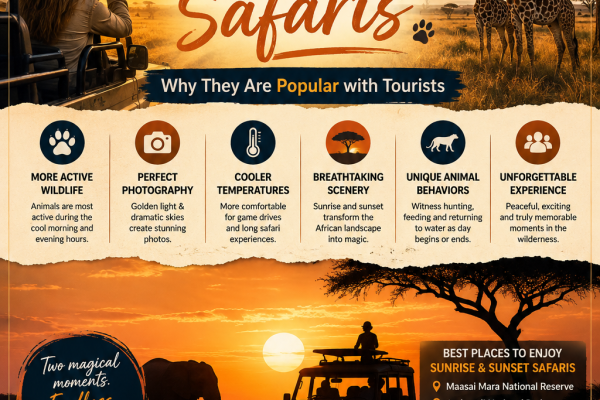
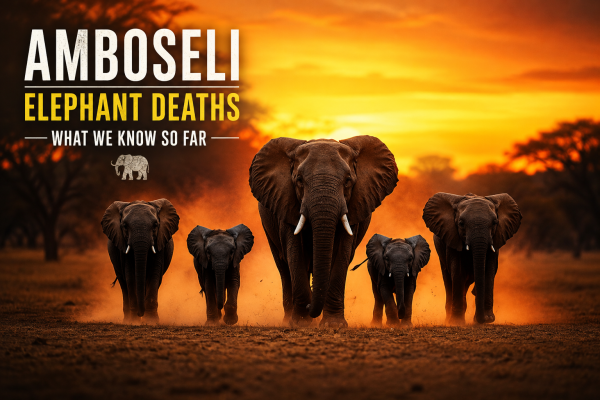
Imagine visiting the Masai Mara ten years from now. Instead of simply following a guide in search of lions, you might experience a safari supported by artificial intelligence, real-time wildlife tracking and environmentally friendly vehicles. Perhaps your accommodation will run entirely on renewable energy, while nearby communities play a bigger role in protecting the very animals that attract visitors. Possibly, that’s the future of the wild.
Sounds exciting, doesn’t it?
Kenya has always been among Africa’s most celebrated wildlife destinations. From the breathtaking wildebeest migration in the Maasai Mara National Reserve to the magnificent elephants of Amboseli National Park, the country has built a strong tourism identity around its natural heritage.
However, the future of wildlife and tourism in Kenya is about much more than beautiful photographs and exciting game drives. It is about how the country will protect its wildlife, respond to environmental changes and create better experiences for future generations of travelers.
Kenya’s tourism industry is growing. According to the Kenya National Bureau of Statistics, international visitor arrivals reached approximately 2.55 million in 2025, while visits to national parks and game reserves increased to almost four million. These figures demonstrate the continued attraction of Kenya’s natural destinations.
But what comes next? Let’s explore the possibilities shaping the future of the wild.
Technology Could Transform the Future of Wildlife Conservation
What if a ranger could identify a possible poaching threat before an animal is harmed?
This is one of the exciting possibilities technology is bringing to wildlife conservation. In the coming years, artificial intelligence, satellite monitoring, camera traps and GPS tracking could become increasingly important in protecting Kenya’s wildlife.
Imagine elephants in Amboseli fitted with tracking devices that help conservationists understand their movements. Such information could help identify migration routes, locate potential dangers and monitor changes in their behaviour.
Drones may also support wildlife monitoring, allowing conservation teams to observe large landscapes without constantly disturbing animals.
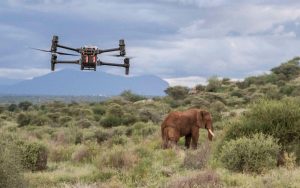
Technology could equally improve the visitor experience. Tourists might use digital safari applications to learn about animal species, identify birds and understand the behaviour of wildlife while exploring protected areas.
However, technology should support, rather than replace, the knowledge of experienced guides and conservation experts.
The future safari may therefore combine traditional wildlife expertise with modern innovation, creating a more informative and responsible adventure.
Sustainable Safaris May Become the New Standard
The future of tourism cannot depend on attracting more visitors while ignoring the environment.
As travelers become increasingly conscious of their environmental impact, sustainable tourism is likely to become an important part of Kenya’s tourism industry.
Picture arriving at a safari lodge in the Maasai Mara where solar panels provide electricity, water is carefully conserved and waste is responsibly managed. Instead of traditional fuel-powered vehicles, some safari experiences may increasingly adopt electric or other low-emission transport options where suitable.
These changes could reduce the environmental footprint of tourism facilities.
Sustainable safaris will also require responsible visitor behaviour. Keeping a safe distance from wildlife, avoiding littering, respecting park regulations and limiting unnecessary disturbance will remain essential.
The goal is simple: visitors should enjoy nature without damaging the attractions they have travelled so far to experience.
In the future, the most successful safari destinations may not necessarily be those receiving the highest number of tourists, but those demonstrating how tourism and environmental protection can exist together.
Climate Change Could Redefine Wildlife Experiences
One of the biggest questions surrounding the future of Kenya’s wildlife is the changing climate.
Wild animals depend on suitable temperatures, vegetation, water and safe habitats. When these conditions change, their survival and movement patterns can also be affected.
Consider Amboseli National Park, famous for its large elephant populations and spectacular views of Mount Kilimanjaro.
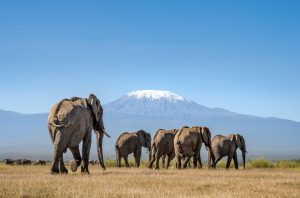
Prolonged drought can reduce the availability of water and vegetation, placing pressure on elephants and other wildlife.
Similarly, the Maasai Mara’s famous wildebeest migration depends on seasonal rainfall and the availability of fresh grazing.
What happens when rainfall becomes increasingly unpredictable?
Migration patterns could change, water sources could become less reliable and some animals may be forced to move further in search of food.
This could also affect tourism experiences, since visitors often travel during particular seasons hoping to witness specific wildlife events.
Future conservation efforts will therefore need to prioritize habitat restoration, water management, scientific research and climate resilience.
Protecting wildlife will increasingly mean protecting the environmental conditions that allow animals to survive.
Community Conservancies Could Become Tourism’s Biggest Partners
For many years, wildlife tourism has been associated with national parks and reserves. However, some of Kenya’s most important conservation efforts take place beyond their boundaries.
Community conservancies are likely to play an even greater role in the future of wildlife and tourism in Kenya.
These conservancies allow local communities and landowners to participate in protecting wildlife while benefiting from conservation-related activities.
Northern Kenya provides an interesting example. Areas such as the Lewa Wildlife Conservancy and community conservancies across Laikipia demonstrate how conservation, tourism and local livelihoods can work together.
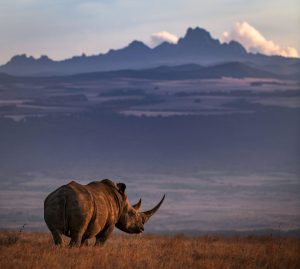
Imagine a future where visitors do not simply arrive, enjoy a game drive and leave. Instead, they participate in cultural experiences, purchase locally made products, stay in community-supported accommodation and learn directly from people who live alongside wildlife.
This approach could create employment, support small businesses and encourage communities to view wildlife as an important natural and economic resource.
For conservation to succeed in the long term, people living near wildlife must also experience meaningful benefits.
Future Safaris May Go Beyond the Traditional Game Drive
The familiar safari experience is unlikely to disappear, but it could become more diverse.
Future travellers may seek experiences that allow them to connect with nature in different ways.
For example, visitors to Kenya could increasingly explore birdwatching, nature photography, guided walking experiences, conservation education and cultural tourism.
In Amboseli, tourists may be interested in learning about elephant conservation and the relationship between wildlife and the surrounding Maasai communities.
In the Maasai Mara, visitors could combine wildlife viewing with guided cultural experiences and conservation activities offered by responsible local operators.
Kenya’s coastal and marine destinations may also attract greater attention through marine wildlife experiences, coral reef conservation and responsible ocean tourism.
This diversification could reduce pressure on a few famous destinations while creating opportunities for lesser-known attractions.
The future safari may therefore be less about how many animals a visitor sees and more about how deeply they understand the environment they are exploring.
Will Artificial Intelligence Change the Way Tourists Explore Kenya?
Planning a safari can involve numerous decisions, from choosing accommodation to selecting the best travel season and identifying suitable destinations.
Artificial intelligence could make this process easier.
In the coming years, tourists may use intelligent travel platforms to develop personalized itineraries based on their budgets, interests, preferred activities and travel schedules.
A visitor interested in elephants, for instance, could receive recommendations for Amboseli, while someone fascinated by big cats might explore the Maasai Mara.
Digital platforms could also provide information about weather conditions, park regulations, accommodation and conservation activities.
For tour operators, technology may improve customer communication, bookings, marketing and service delivery.
Nevertheless, the human element of tourism will remain important. A knowledgeable safari guide sharing stories about animal behaviour or a local host explaining cultural traditions offers something that technology alone cannot fully reproduce.
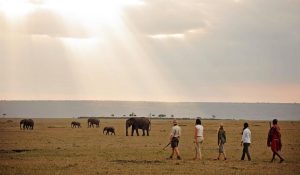
The strongest future tourism experiences may combine digital convenience with genuine human interaction.
Wildlife Protection Will Become Even More Important
Behind every successful safari is a much bigger responsibility: keeping wildlife alive.
Poaching, habitat destruction, illegal wildlife trade and human-wildlife conflict continue to threaten conservation efforts.
Kenya is already strengthening its approach through conservation strategies, research, law enforcement and partnerships.
The National Strategy for Combating Poaching and Illegal Wildlife Trade 2025–2030 highlights the importance of technology, intelligence sharing, stronger enforcement and community participation.
In the future, conservation teams may increasingly rely on integrated monitoring systems to identify threats and respond faster.
Protecting wildlife corridors will also be essential. These natural routes allow animals to move between habitats in search of food, water and breeding opportunities.
Without safe movement routes, wildlife populations can become isolated, increasing the pressure on their survival.
For tourism, this matters enormously. Kenya’s wildlife attractions depend on healthy animal populations and functioning ecosystems.
A future with more hotels and visitors but fewer wild animals would not be a successful tourism future.
A New Generation of Responsible Travellers
The future of wildlife tourism will also depend on the choices made by travellers themselves.
Younger generations are increasingly interested in experiences that connect travel with environmental responsibility, cultural understanding and meaningful activities.
Instead of simply asking, “Where can I see the Big Five?” future visitors may also ask, “How does my visit contribute to conservation?”
This shift could encourage tourists to choose accommodation with responsible environmental practices, support community-owned businesses and follow ethical wildlife-viewing guidelines.
Domestic tourism will also remain important. More Kenyans exploring their own parks, reserves and conservancies could strengthen appreciation for the country’s natural heritage.
Imagine families introducing their children to the elephants of Amboseli or students visiting wildlife sanctuaries to learn about biodiversity. Such experiences can create a generation that understands the importance of protecting nature.
Responsible tourism is not only about what destinations offer. It is also about the decisions visitors make before, during and after their journeys.
The Biggest Challenge: Balancing Tourism Growth with Conservation
There is no doubt that Kenya has enormous potential to grow its tourism industry. More visitors can mean more employment, investment, business opportunities and revenue.
However, growth must be carefully managed.
Too many tourist vehicles in sensitive wildlife areas, poorly planned accommodation developments, pollution and pressure on natural resources could damage the very ecosystems tourism depends on.
The challenge will be finding a balance between welcoming visitors and protecting wildlife habitats.
Kenya’s future tourism policies will need to encourage responsible investment, effective park management, environmental protection and fair community participation.
The success of wildlife tourism should not be measured by visitor numbers alone. The health of ecosystems, wildlife populations and local livelihoods must also matter.
What Kind of Wildlife Future Will We Create?
The future of the wild in Kenya is filled with possibilities. Technology may improve conservation, sustainable accommodation may become more common, community conservancies may gain greater recognition and travellers may discover new ways of experiencing nature.
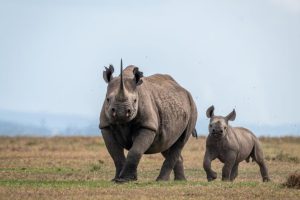
Yet none of these developments is guaranteed to succeed without commitment.
The elephants of Amboseli, the great migration of the Maasai Mara and the countless other species found across Kenya’s landscapes need more than admiration. They need protected habitats, responsible tourism and people willing to safeguard their future.
Perhaps ten or twenty years from now, the safari experience will look very different. Vehicles may be quieter, wildlife monitoring more advanced and tourism experiences more closely connected to local communities.
But one thing should remain unchanged: the opportunity to encounter wildlife in its natural environment.
Ultimately, the future of Kenya’s tourism will not only be determined by how many people visit its parks. It will be determined by what remains protected when those visitors leave.
Because the greatest safari story of tomorrow may not be about what we saw in the wild, but about what we did to keep it alive.
Ready to discover the beauty of Kenya’s wildlife and breathtaking landscapes? Let Bison Safaris be your trusted travel partner in creating unforgettable adventures. Whether you dream of exploring the iconic Maasai Mara, witnessing the magnificent elephants of Amboseli or discovering Kenya’s remarkable natural attractions, we are ready to help you make those dreams a reality. Contact us today to start planning your next wildlife adventure and experience the magic of Kenya’s wild.