The Amboseli elephant deaths have drawn widespread attention from conservationists, researchers, and wildlife enthusiasts around the world. In recent weeks, the discovery of several dead elephants within the Amboseli ecosystem has prompted investigations by Kenyan authorities, raising important questions about the challenges facing one of Africa’s most celebrated elephant populations. While scientists continue to determine the exact cause of these deaths, the incident has highlighted the delicate balance between wildlife, people, agriculture, and the environment.
For many travelers, Amboseli National Park is synonymous with unforgettable elephant encounters. Towering tuskers wandering across open plains with the snow-capped peak of Mount Kilimanjaro in the background have become one of Kenya’s most iconic safari scenes. These magnificent animals are more than just a tourist attraction, they are ecological engineers, cultural symbols, and an essential part of Kenya’s natural heritage.
Although the investigation into the recent elephant deaths is ongoing, the incident serves as a reminder that wildlife conservation is an ongoing effort that extends far beyond the boundaries of national parks. Protecting elephants requires scientific research, strong law enforcement, cooperation with local communities, and responsible tourism that supports conservation initiatives.
Why Amboseli Is One of Africa’s Most Important Elephant Landscapes
Amboseli National Park, located in southern Kenya along the border with Tanzania, is home to one of the best-studied elephant populations anywhere in the world. Unlike many protected areas where elephants remain difficult to identify, generations of Amboseli’s elephants have been individually documented by researchers, allowing scientists to follow family relationships, behavior, reproduction, and survival over decades.
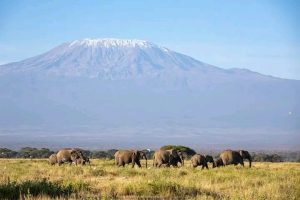
This remarkable long-term research has transformed Amboseli into a global center for elephant science. Information gathered here has improved our understanding of elephant communication, intelligence, social bonds, migration patterns, and the challenges these animals face in a rapidly changing world.
However, the elephants that visitors see inside Amboseli National Park do not spend their entire lives within the park’s boundaries. The Amboseli ecosystem stretches across community conservancies, Maasai group ranches, seasonal wetlands, and wildlife corridors that connect protected areas across southern Kenya and northern Tanzania.
These wider landscapes are vital because elephants naturally move in search of food, water, and breeding opportunities. During different seasons, herds travel considerable distances, often crossing areas where people farm, graze livestock, or establish settlements. As human populations grow and land use changes, maintaining these wildlife corridors has become one of the greatest conservation priorities in East Africa.
The famous “super tuskers” that occasionally roam the Amboseli ecosystem further emphasize its global importance. These exceptionally rare elephants carry tusks so large that they nearly touch the ground. With fewer of these giants remaining across Africa, protecting habitats like Amboseli has become increasingly important for ensuring that future generations can continue to witness these extraordinary animals in the wild.
Beyond elephants, the Amboseli ecosystem supports an impressive diversity of wildlife, including lions, cheetahs, spotted hyenas, giraffes, zebras, wildebeests, buffaloes, and more than 400 recorded bird species. Healthy elephant populations help sustain these ecosystems by creating water access points, dispersing seeds over vast distances, and shaping vegetation in ways that benefit countless other species.
Because of this ecological role, any unusual elephant deaths naturally attract significant scientific attention. Each incident provides valuable information about the health of the ecosystem and may reveal emerging environmental threats that could affect many other species if left unaddressed.
What We Know About the Recent Amboseli Elephant Deaths
The recent Amboseli elephant deaths have prompted a comprehensive investigation involving wildlife authorities, veterinarians, and environmental experts. According to the Kenya Wildlife Service (KWS), 15 elephants were found dead across the Amboseli ecosystem between late June and late July 2026. The carcasses were discovered in different locations, indicating that the incident was not limited to a single site. Investigators collected tissue, water, vegetation, and soil samples for laboratory analysis while examining the surrounding environment for potential sources of contamination. Authorities have stated that investigations are ongoing, and no official cause of death has yet been confirmed. Reports indicate that a toxic substance is among the possibilities being examined, but officials have emphasized that laboratory findings are necessary before drawing conclusions.
The investigation reflects Kenya’s increasingly sophisticated approach to wildlife health monitoring. Whenever unexplained wildlife deaths occur, specialists follow established scientific procedures that include detailed post-mortem examinations, laboratory testing, environmental sampling, and collaboration with experts from multiple conservation and veterinary institutions.
This careful process is essential because wildlife deaths can result from many different factors. Disease outbreaks, naturally occurring toxins, environmental contamination, drought-related stress, or accidental exposure to harmful substances can sometimes produce similar initial observations. Determining the exact cause requires thorough scientific evidence rather than speculation.
For travelers planning a safari, it is also important to understand that this investigation concerns a specific incident rather than indicating a broader collapse of Amboseli’s elephant population. The park continues to support one of Africa’s healthiest and best-protected elephant populations, while conservation authorities remain actively engaged in monitoring wildlife health throughout the ecosystem.
Why Scientists Are Investigating the Cause So Carefully
When a single elephant dies in the wild, it is not always a cause for alarm. Like all animals, elephants can die from old age, disease, injuries, or natural causes. However, when multiple elephants die within a relatively short period, wildlife authorities treat the situation as a potential conservation emergency.
This is why the recent Amboseli elephant deaths triggered an immediate response from the Kenya Wildlife Service (KWS), veterinary specialists, environmental scientists, and other conservation partners. Their objective is not only to determine what caused these deaths but also to establish whether other wildlife, or even nearby communities, could be at risk.
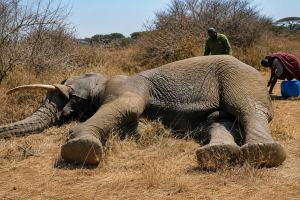
Investigating wildlife deaths is a meticulous scientific process. Veterinarians conduct post-mortem examinations to look for signs of disease, trauma, or poisoning. At the same time, environmental experts collect samples of water, soil, vegetation, and surrounding materials that may have been exposed to contaminants. These samples are then analyzed in laboratories to identify any harmful substances that could have contributed to the deaths.
Authorities have cautioned against drawing premature conclusions while these investigations continue. Although a toxic substance is among the possibilities being examined, officials have stressed that the final findings will depend on laboratory results and forensic analysis. Until those results are released, any specific cause remains unconfirmed. This evidence-based approach is essential for ensuring that any conservation response is both accurate and effective.
Scientific investigations such as these also help improve future wildlife management. Every incident provides valuable information that can strengthen monitoring systems, guide policy decisions, and help conservationists identify emerging environmental threats before they affect larger populations.
What These Deaths Mean for Kenya’s Conservation Efforts
The recent elephant deaths have reminded many Kenyans that wildlife conservation is not a one-time achievement but a continuous commitment. Kenya has made remarkable progress in protecting elephants over the past several decades, particularly by reducing poaching through stronger law enforcement, community partnerships, and international cooperation.
Today, the country’s greatest conservation challenges often extend beyond illegal hunting. Expanding agriculture, increasing human settlements, changing land use, infrastructure development, and climate variability are placing growing pressure on wildlife habitats and migration routes. These pressures can sometimes expose wildlife to risks that are far more complex than traditional conservation threats.
Amboseli illustrates this challenge particularly well. While the national park itself provides excellent protection, elephants frequently move beyond its boundaries into community lands in search of food and water. These movements are natural and have occurred for centuries, but as landscapes become increasingly developed, the chances of wildlife interacting with human activities also increase.
This is why conservation in Amboseli cannot rely solely on protecting the national park. It depends on maintaining wildlife corridors, supporting community conservancies, encouraging sustainable farming practices, and promoting coexistence between people and wildlife.
The recent incident also demonstrates the importance of rapid response systems. Kenya’s ability to mobilize veterinarians, scientists, conservation organizations, and government agencies reflects decades of investment in wildlife management. These coordinated efforts not only help determine the cause of unusual deaths but also strengthen the country’s capacity to respond quickly to future conservation challenges.
The Growing Challenges Facing Amboseli’s Elephants
Although Amboseli remains one of Africa’s premier elephant destinations, its elephants face several long-term challenges that require ongoing attention.
Habitat fragmentation
As human populations grow, land that once formed open migration corridors is increasingly being converted into farms, settlements, roads, and other developments. When elephants lose access to traditional routes, they may struggle to reach seasonal feeding grounds or water sources, increasing the likelihood of conflict with nearby communities.
Climate change
Amboseli is highly dependent on seasonal rainfall. Prolonged droughts can reduce water availability, affect vegetation growth, and force elephants to travel greater distances in search of food. Climate change is expected to make weather patterns more unpredictable, adding further pressure to both wildlife and local communities.
Human–wildlife conflict
Elephants sometimes move into agricultural areas where crops provide an attractive food source. While many communities actively support conservation, crop damage can create tension between people and wildlife. Conservation organizations continue to work with local communities to develop solutions that protect livelihoods while allowing elephants to move safely through the landscape.
Environmental contamination
Although investigations into the recent elephant deaths are still ongoing, the incident highlights why monitoring environmental health is increasingly important. As agriculture expands around wildlife habitats, conservationists must remain vigilant about potential environmental risks and ensure that any emerging threats are identified and addressed promptly.
Despite these challenges, there are strong reasons for optimism. Amboseli’s elephants remain among the most closely monitored in the world, benefiting from decades of research, dedicated conservation programs, and the commitment of local communities who recognize the importance of protecting this globally significant wildlife population.
How Responsible Tourism Helps Protect Amboseli’s Wildlife
Tourism has long been one of the most powerful tools for wildlife conservation in Kenya. Every visitor who chooses a responsible safari contributes to an industry that supports protected areas, creates employment for local communities, funds conservation initiatives, and encourages the preservation of wildlife habitats.
In Amboseli, tourism plays an especially important role. The park attracts visitors from around the world who come to witness some of Africa’s largest free-ranging elephant herds against the breathtaking backdrop of Mount Kilimanjaro. Revenue generated through park entry fees, community conservancies, accommodation providers, and safari operators helps sustain conservation efforts that benefit both wildlife and the people who share the landscape with it.
Responsible tourism also goes beyond financial support. Ethical safari operators educate guests about elephant behavior, conservation challenges, and the importance of respecting wildlife. By maintaining safe viewing distances, following park regulations, and avoiding activities that disturb animals, visitors help ensure that elephants can continue behaving naturally in their habitat.
Community involvement is equally important. Many Maasai communities living around Amboseli have become active partners in conservation by protecting wildlife corridors, participating in conservancy programs, and embracing tourism as an alternative source of income. These partnerships demonstrate that wildlife conservation is most successful when local people benefit alongside the ecosystems they help protect.
The recent Amboseli elephant deaths serve as a reminder that conservation requires constant vigilance. While Kenya has made remarkable progress in protecting elephants from poaching, new environmental challenges continue to emerge. Supporting responsible tourism helps provide the resources needed for research, veterinary services, habitat protection, and rapid responses whenever unusual wildlife events occur.
What Travelers Should Know Before Visiting Amboseli
News of the recent elephant deaths may understandably raise concerns among prospective visitors. However, there is no indication that Amboseli National Park is unsafe to visit or that its famous elephant population is under immediate threat.
Wildlife authorities continue to monitor the ecosystem closely, and investigations into the incident remain active. Visitors can still expect to enjoy exceptional wildlife viewing, including large elephant herds, lions, cheetahs, giraffes, buffaloes, zebras, wildebeests, hippos, and hundreds of bird species that thrive across Amboseli’s diverse habitats.
A safari also offers an opportunity to appreciate the complexity of conservation. Seeing elephants in their natural environment provides a deeper understanding of why protecting landscapes like Amboseli matters, not only for Kenya but for the future of African wildlife as a whole.
Travelers can make a positive impact by choosing operators that prioritize responsible tourism, support conservation initiatives, respect wildlife viewing guidelines, and work closely with local communities. Every ethical safari contributes to the long-term protection of this extraordinary ecosystem.
The recent Amboseli elephant deaths have highlighted both the vulnerability and the resilience of Kenya’s wildlife conservation efforts. While the exact cause of the incident remains under scientific investigation, the response by conservation authorities demonstrates the country’s commitment to evidence-based wildlife management and the protection of one of Africa’s most iconic elephant populations.
Amboseli has earned its reputation as one of the world’s greatest places to observe elephants, not only because of its spectacular scenery but also because of the decades of research, conservation, and community collaboration that have safeguarded this remarkable ecosystem. The lessons learned from this investigation will contribute to strengthening those efforts and ensuring that emerging environmental threats are identified and addressed as quickly as possible.
For travelers, the story is also a reminder that every safari can support conservation when undertaken responsibly. By visiting protected areas, respecting wildlife, and choosing ethical tour operators, visitors help sustain the very landscapes and species they come to experience.
At Bison Safaris, we believe that unforgettable safari experiences should go hand in hand with responsible tourism and wildlife conservation. Whether you’re planning your first visit to Amboseli or returning to witness its magnificent elephant herds once again, traveling responsibly helps ensure that future generations will continue to experience the magic of Kenya’s natural heritage.
Frequently Asked Questions
What happened to the elephants in Amboseli?
Fifteen elephants were found dead across the Amboseli ecosystem between late June and late July 2026. The Kenya Wildlife Service is investigating the incident, and the official cause has not yet been confirmed.
Is it safe to visit Amboseli National Park?
Yes. Amboseli National Park remains open to visitors and continues to offer excellent wildlife viewing opportunities. The investigation relates to a specific wildlife incident and does not indicate that the park is unsafe for tourists.
Why are Amboseli’s elephants so important?
Amboseli is home to one of the world’s best-studied elephant populations. Decades of scientific research have made the ecosystem globally significant for understanding elephant behavior, family structures, and conservation.
How does tourism help protect elephants?
Responsible tourism generates revenue for conservation, supports local communities, funds wildlife research, and encourages the protection of habitats and migration corridors that elephants depend on.
How can visitors contribute to elephant conservation?
Visitors can support conservation by following park regulations, respecting wildlife viewing distances, avoiding activities that disturb animals, and choosing responsible safari operators committed to sustainable tourism.