Climbing mount is one of the most rewarding experiences for any traveller. In this guide, we share expert tips and insights. The challenge and triumph of climbing mount offer unparalleled personal growth, pushing boundaries you never knew you had.
There’s something deeply therapeutic; almost spiritual about standing at the peak of a mountain, arms stretched wide, as the cool breeze brushes against your skin. It’s a moment of pure freedom, wild and vibrant, where fear vanishes and all that remains is awe. Indeed, the journey of climbing mount is often more profound than the summit itself, revealing hidden strengths and breathtaking vistas. Whether you’re a seasoned hiker or a first-time trekker, few experiences rival the thrill of mountain climbing.
In this guide, we invite you to explore two of Africa’s most iconic giants: Mount Kenya and Mount Kilimanjaro. From jaw-dropping views to adrenaline-pumping ascents, we’ll guide you through everything you need to know whether it is the height, trekking routes, best times to climb, required fitness levels and give tips on hiking requirements.
Let’s gear up and dive into the heart of East Africa’s most epic mountain adventures. Your journey to the top starts here.
Mount Kenya
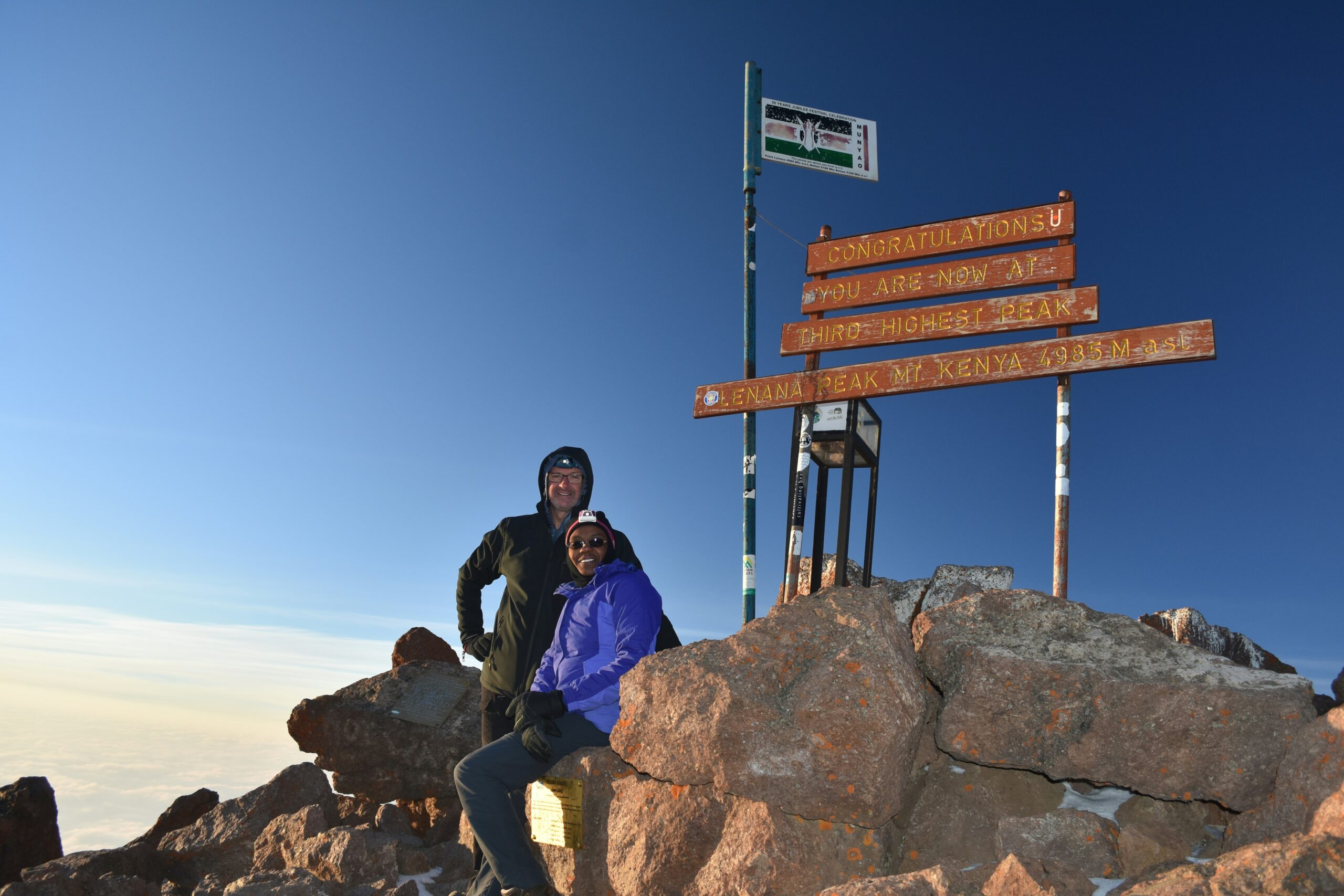
Just 150 kilometers (93 miles) northeast of Nairobi, nestled between the bustling towns of Nanyuki, Meru and Embu, stands a true titan and the crown jewel of Kenya’s landscape. Mount Kenya, a towering, snow-capped giant rising proudly to 5,199 meters (17,057 feet), making it the second-highest peak in Africa.
Known locally as Kirinyaga, this sacred mountain isn’t just a dramatic landmark – it’s a spiritual icon, a hiker’s paradise and a journey into the untamed soul of Kenya. With three majestic peaks Batian, Nelion and the trekker-friendly Point Lenana.
Climbing Mount Kenya: Routes and What to Expect
For those considering climbing mount Kenya, understanding the routes is key to a successful and enjoyable adventure. The experience of climbing mount, especially Mount Kenya, is a true test of endurance and spirit.

The mountain is a popular destination for climbers offering different routes to the summit. Climbing the mountain takes 5 to 6 days, with cozy huts and tented camps welcoming you at each stage of the ascent. The best times to climb are during the dry seasons January to March and June to October when the skies are clear and the scenery is simply unforgettable. Whether you’re chasing the sunrise from Point Lenana or soaking in the silence of the high moors, Mount Kenya promises an adventure that’s as thrilling as it is soul-stirring.
Many find the preparation for climbing mount to be an adventure in itself, from rigorous training to meticulous gear selection. Whether you choose Sirimon, Chogoria, or Naro Moru, the goal of climbing mount remains the same: to reach Point Lenana and witness its spectacular views.
For first-time hikers, these are the recommended Non-Technical Routes on Mount Kenya
- Sirimon Route – known for frequent sightings of buffalo, monkeys and various bird species. And quieter than Naro Moru, ideal for nature lovers seeking serenity.
- Chogoria Route – most scenic route famous for dramatic landscapes, including the stunning gorges & valleys, Lake Ellis and Lake Michaelson. Passes near spectacular waterfalls and sharp cliffs that offer amazing photo opportunities.
- Naro Moru Route – the most direct route to Point Lenana, ideal for those on a tight schedule. However, it is infamous for its muddy, challenging stretch – fun for adventurous spirits!
For those seeking a tougher challenge, summiting Batian or Nelion demands serious technical skills, often involving rope work, ice axes and real mountaineering experience especially via the North Face Standard Route or South Ridge Route.
These vertical ascents aren’t just about adrenaline, they also unveil the raw, rugged beauty of the mountain’s jagged rock spires, ancient glaciers and panoramic vistas that stretch across the Kenyan landscape.
The unique biodiversity encountered while climbing mount Kenya adds another layer of wonder to the trek, with diverse flora and fauna at every altitude. For advanced trekkers, the technical challenge of climbing mount Batian or Nelion offers an even greater thrill, demanding specialized skills and equipment.
Mount Kenya, protected as a UNESCO World Heritage Site and designated as a national park, offers far more than just a climb it’s a fully immersive wilderness experience compared to Mount Kilimanjaro.
Mount Kilimanjaro
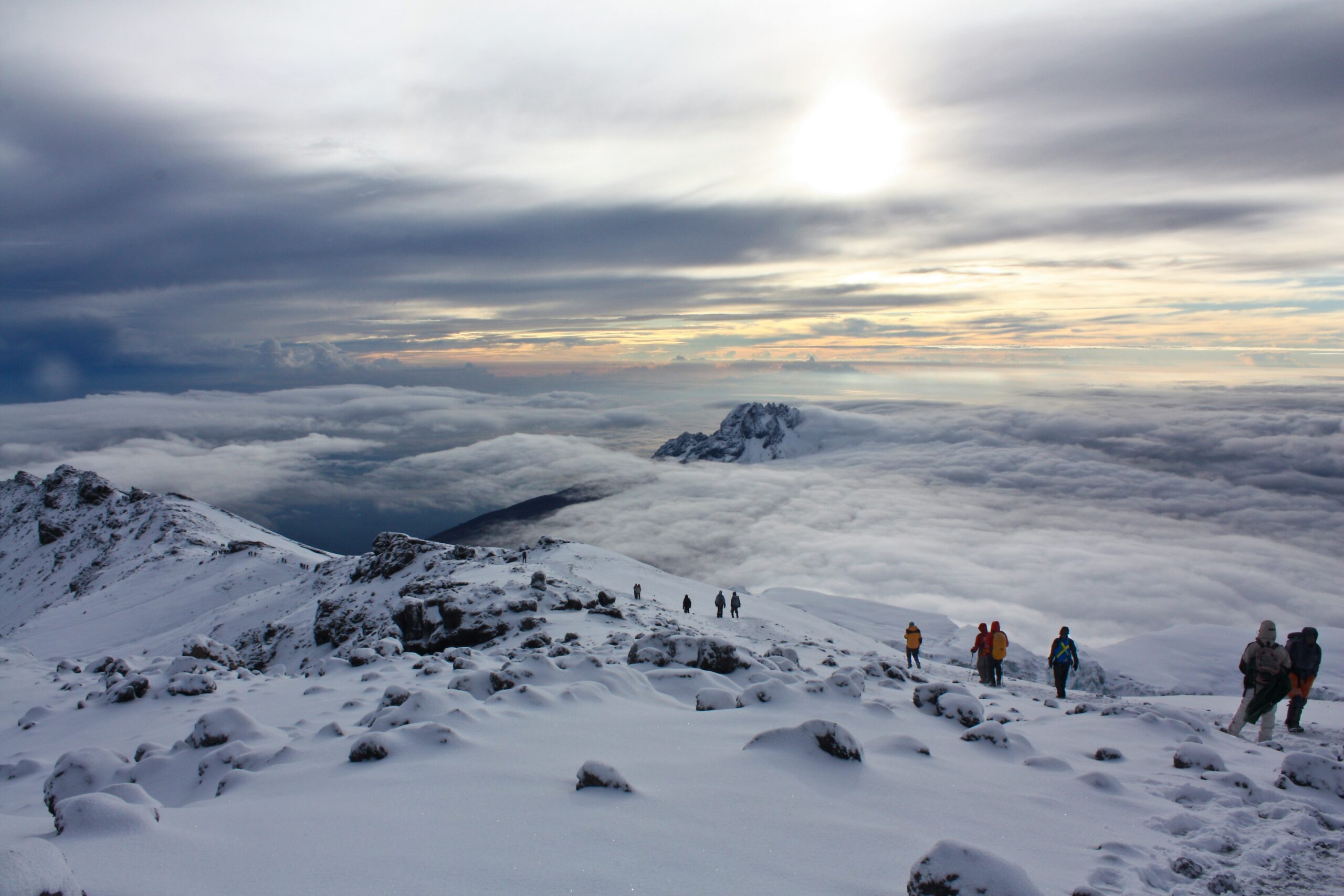
Mount Kilimanjaro, rising boldly from the plains of northern Tanzania, is the tallest mountain in Africa and one of the most iconic peaks on earth – the highest free-standing mountain in the world. Towering at 5,895 meters (19,341 feet), Kilimanjaro is a breathtaking giant that seems to pierce the sky, its snow-capped summit gleaming like a crown above the African savannah.
For many adventurers, the dream of climbing mount Kilimanjaro is a lifelong ambition, a quest to conquer Africa’s highest point. The sheer scale of climbing mount Kilimanjaro, Africa’s highest peak, is awe-inspiring, drawing thousands of trekkers each year.
Its name, believed to come from the Chagga community, carries deep cultural roots and mystery, just like the mountain itself.
For many adventurers, seeing the eternal snow of Kilimanjaro in the heart of the tropics is nothing short of magical – it draws thousands of trekkers each year, all hoping to stand above the clouds and witness the sunrise from the legendary Uhuru Peak.
The best time to climb Mount Kilimanjaro is December- March and June- October. Whether you’re chasing altitude or the adventure of a lifetime, Kilimanjaro delivers an unforgettable journey to the roof of Africa.
Mount Kilimanjaro Explained: Routes, and Success Tips
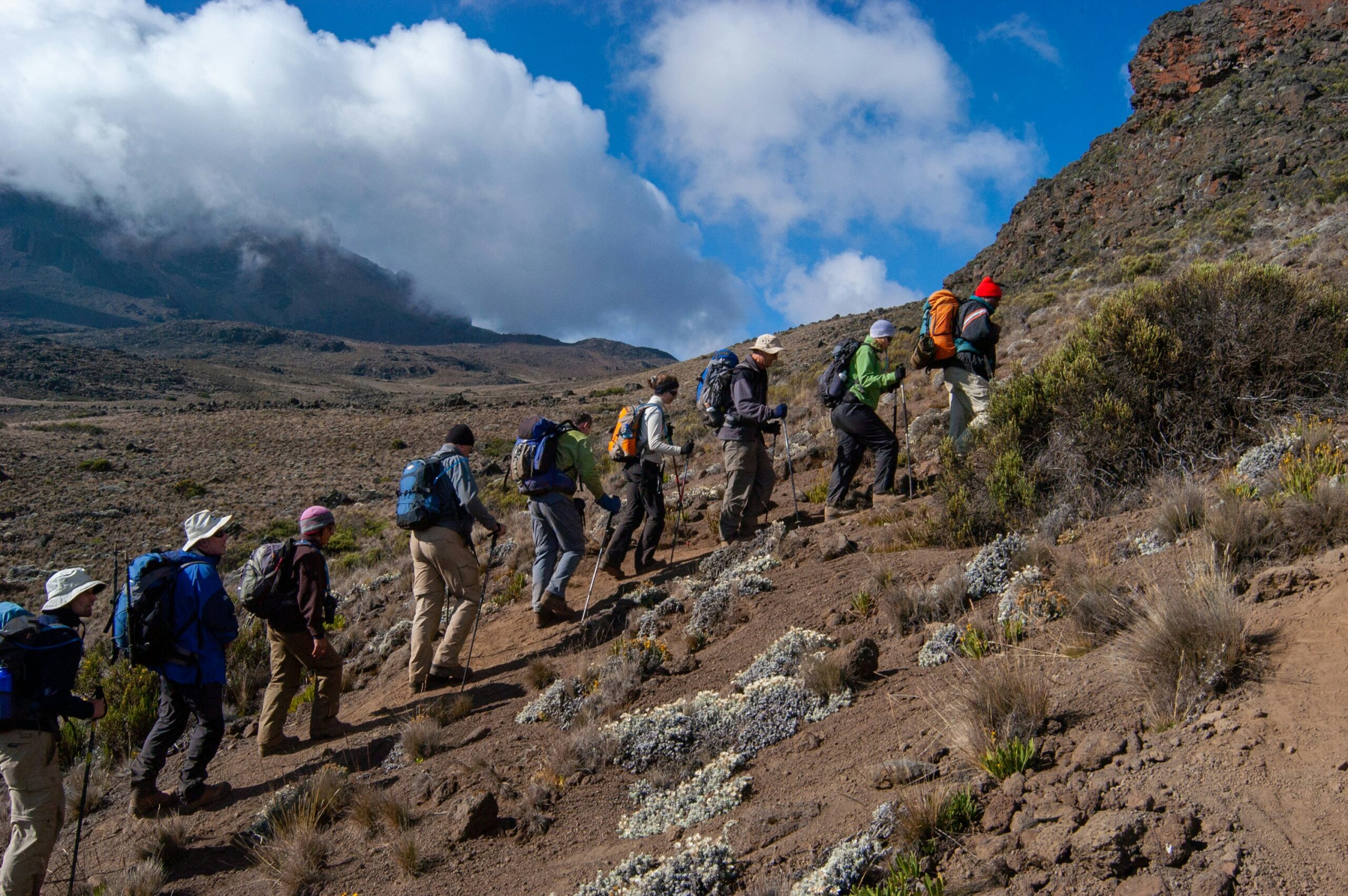
Climbing Mount Kilimanjaro is a thrilling journey that typically takes 5 to 9 days, depending on the route and pace you choose, the most amazing things about Kilimanjaro is that you don’t need any technical climbing skills just determination, good fitness and the will to reach the top.
Successful climbing mount Kilimanjaro requires careful planning and a steady pace, often referred to as ‘pole pole’ (slowly, slowly in Swahili), to allow for proper acclimatization. Each route offers a distinct perspective on the journey of climbing mount, from lush rainforests to stark alpine deserts, ensuring a varied and captivating experience.
There are several routes to conquer this legendary mountain, each offering its own unique beauty:
- Marangu Route is the only one with hut accommodations.
- Machame Route is scenic and popular for its gradual ascent.
- Lemosho and Shira Routes are known for their remote, wild beauty.
- Rongai Route approaches from the north and is less crowded.
- Umbwe Route is the steepest and most direct, ideal for experienced trekkers.
All routes ultimately aim for the summit at Uhuru Peak, the highest point on Kilimanjaro, perched on the edge of the volcanic Kibo Crater, while some also pass by Gillman’s Point and Stella Point, two other major landmarks along the way.
The sense of accomplishment after climbing mount to Uhuru Peak is truly unforgettable, a moment of triumph at the roof of Africa. Preparing for climbing mount Kilimanjaro involves not just physical training but also mental fortitude, as the journey tests both body and mind.
Whether you take the lush rainforest path or hike through the stark alpine desert, the journey to the “Roof of Africa” is pure adventure no ropes, no harnesses, just you, the trail, and the sky above.
Required fitness for Mountain climbing
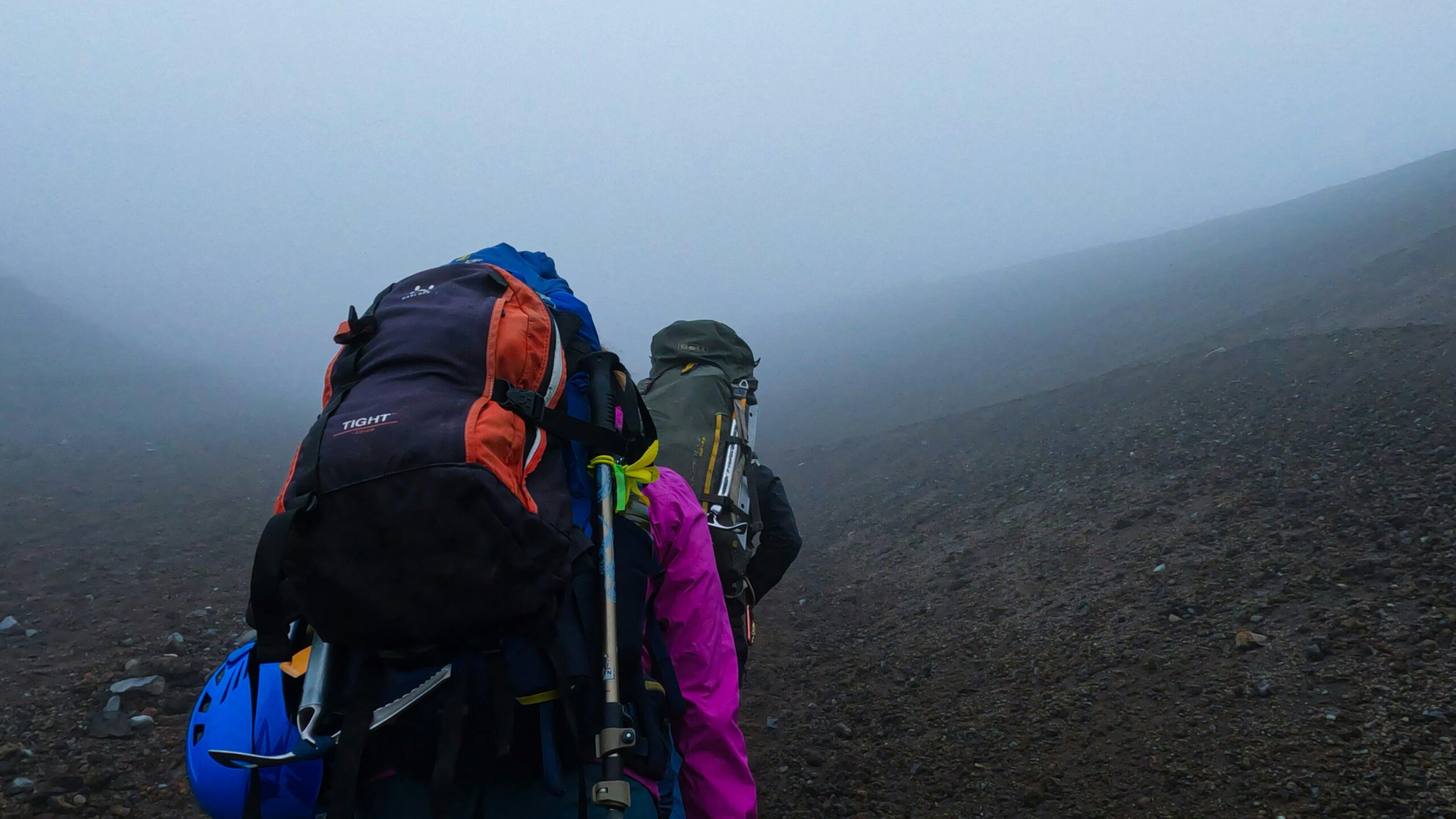
Proper fitness is paramount when considering climbing mount, ensuring not only safety but also maximum enjoyment of the breathtaking landscapes. Essential gear for climbing mount includes waterproof boots, warm layers, and trekking poles, all vital for a comfortable and secure ascent.
- Cardiovascular fitness- is crucial for mountain climbing because it helps your heart and lungs deliver oxygen efficiently to your muscles during sustained physical effort, especially at higher altitudes where oxygen is limited.
- Strength & endurance – enables you to carry loads, stabilize on uneven terrain and keep moving for long durations without fatigue.
- Flexibility& balance – flexible muscles and joints are less prone to strains, sprains and overuse injuries.
General required gears on trekking Mount Kenya or Mount Kilimanjaro
- Waterproof hiking boots
- Waterproof & windproof outer layer (jacket and pants)
- Warm hat & gloves
- Sun hat & sunglasses
- Buff or neck gaiter
- Sleeping bag
- Trekking poles
- Water bottles
- Snacks
- Climbing harness
- Helmet
- Climbing rope (usually 50–60m)
- Crampons (if climbing in icy/snowy conditions)
- Ice axe (depending on conditions)
- Belay device
- Carabiners (locking and non-locking)
- Slings, quickdraws
- Mountaineering boots (stiff-soled, crampon-compatible)