When most people think of Kenya, they imagine spectacular wildlife safaris, breathtaking landscapes, and the Great Migration. However, one of the country’s most fascinating cultural treasures is often overlooked: Kenyan music.
Kenyan music is as diverse as the country itself. With more than 40 ethnic communities, Kenya has developed a rich musical heritage that includes ceremonial songs, storytelling traditions, spiritual performances, dance music, and modern urban genres. From the poetic melodies of the Swahili Coast to the powerful drumbeats of Western Kenya and the vibrant sounds of Nairobi, music remains one of the best ways to understand the country’s history and identity.
For travelers seeking authentic cultural experiences, exploring Kenyan music traditions offers a unique opportunity to connect with local communities and traditions that have been preserved for generations.
What Makes Kenyan Music Unique?
Unlike many modern music traditions that focus primarily on entertainment, Kenyan music has historically served practical and cultural functions. Songs have been used to celebrate births, mark initiation ceremonies, honor ancestors, praise heroes, mourn the dead, tell historical stories, and unite communities during important events.
Each community has developed its own instruments, rhythms, dances, and song types, creating one of Africa’s most diverse musical landscapes.
Kenyan Music on the Swahili Coast
The Swahili Coast has produced some of the most sophisticated forms of Kenyan music, influenced by centuries of interaction between African, Arab, Persian, and Indian cultures.
Taarab Music
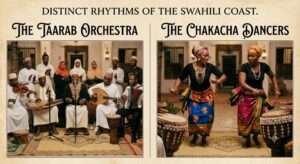
Taarab is among the most celebrated styles of Kenyan music. It combines Swahili poetry with Arabic and Indian musical influences and is often performed at weddings and cultural festivals.
Traditional Taarab ensembles feature instruments such as the oud, qanun, violin, accordion, and various percussion instruments. The lyrics are often poetic and filled with metaphor, discussing love, society, and daily life.
Chakacha Music and Dance
Chakacha originated among coastal communities and remains an important part of Swahili celebrations. Known for its energetic rhythms and graceful movements, Chakacha is commonly performed during weddings and festive occasions.
Luo Kenyan Music Traditions
The Luo community has played a major role in shaping both traditional and modern Kenyan music.
Benga Music
Benga emerged from traditional Luo rhythms and evolved into one of Kenya’s most influential modern music genres. Characterized by fast paced guitar melodies, Benga gained popularity across East Africa and continues to inspire contemporary musicians.
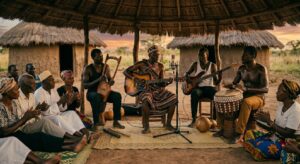
The Luo use an eight-stringed lyre, called nyatiti to play.
Ohangla
Ohangla is a percussion heavy performance style traditionally associated with ceremonies and celebrations. The music features powerful drumming and call-and-response singing.
Tero Buru
These funeral songs help communities honor and remember the deceased while providing comfort during periods of mourning.
Nyawawa Songs
Traditionally performed during cleansing rituals, Nyawawa songs are connected to spiritual healing and communal renewal.
Kalenjin Kenyan Music Traditions
The Kalenjin community has a rich musical culture closely connected to pastoral life and age-set traditions.
Cheptilet Songs
These songs are traditionally performed during initiation ceremonies and help teach values and responsibilities to younger generations.
Kamalet Songs
Kamalet songs celebrate cattle, bravery, and community achievements, reflecting the pastoral lifestyle of many Kalenjin communities.
Tumdo Songs
Performed during community gatherings, Tumdo songs often feature storytelling and historical narratives.
Maasai and Samburu Kenyan Music Traditions
The Maasai and Samburu communities are internationally recognized for their distinctive music and dance traditions.
Adumu: The Famous Jumping Dance
Often called the Maasai jumping dance, Adumu involves young warriors performing synchronized jumps while chanting rhythmic vocal harmonies.z
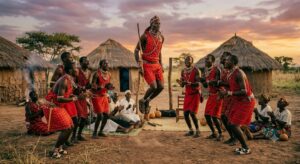
The performance symbolizes strength, endurance, and community identity.
Olamal Songs
These songs accompany age-set ceremonies and important social transitions.
Engilakinot Songs
Traditionally performed by women, these songs celebrate family life, community unity, and important social events.
Kikuyu Kenyan Music Traditions
The Kikuyu community has contributed significantly to both traditional and contemporary Kenyan music.
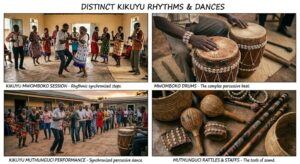
Mugithi Music
Mugithi is one of Kenya’s most popular contemporary traditional music styles. Featuring continuous guitar rhythms and audience participation, Mugithi remains a favorite at celebrations and social gatherings.
Mwomboko
This dance and music tradition emerged during the colonial era and remains popular during weddings and cultural festivals.
Ngogoyo Songs
Ngogoyo is a historical storytelling tradition that preserves community knowledge, legends, and important events.
Muthunguci Songs
Traditionally performed during initiation ceremonies, these songs played a role in educating younger generations.
Luhya Kenyan Music Traditions
Western Kenya is home to some of the country’s most energetic musical performances.
Isukuti Music and Dance
Isukuti is one of the most famous forms of Kenyan music and has received international recognition for its cultural significance.
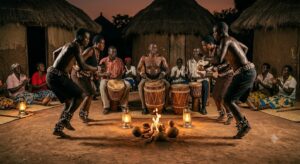
The performance combines drumming, singing, dancing, and community participation, creating an unforgettable cultural experience.
Lishelele Songs
These celebratory songs are performed during weddings and communal gatherings.
Kumuse Songs
Traditionally associated with agricultural activities, Kumuse songs helped coordinate communal work and strengthen social bonds.
Kamba Kenyan Music Traditions
The Kamba people have developed unique musical traditions that emphasize rhythm, spirituality, and community participation.
Kilumi
Kilumi combines singing, drumming, and dance in ceremonies related to healing, rainmaking, and initiation.
Mbeni Songs
These songs are commonly performed during social celebrations and community gatherings.
Nzele Music
Traditionally accompanied by string instruments, Nzele performances often involve storytelling and historical narration.
Kisii Kenyan Music Traditions
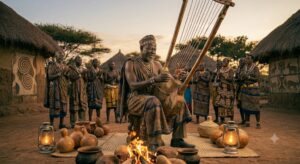
Obokano Music
The Obokano is a large lyre unique to the Kisii community. Skilled musicians use the instrument to accompany epic stories, cultural teachings, and historical narratives.
Ebisarate Songs
These songs are performed during community ceremonies and celebrations, helping preserve cultural values and identity.
Mijikenda Kenyan Music Traditions
The Mijikenda communities of the coast maintain several important musical traditions.
Mwazindika
This performance tradition is associated with healing ceremonies and spiritual practices.
Sengenya and Kifudu
These dances are commonly performed during funerals, celebrations, and social gatherings, promoting community cohesion and cultural continuity.
Modern Kenyan Music and Nairobi’s Urban Sound
Kenyan music continues to evolve, particularly in Nairobi, where modern genres blend local influences with global trends.
Genge Music
Popularized in the early 2000s, Genge became the soundtrack of urban Kenya through artists who used local languages and street culture to tell authentic stories.
Afro-Fusion
Modern musicians increasingly blend traditional Kenyan rhythms with contemporary pop, creating music that appeals to both local and international audiences.
Gengetone
Emerging in the late 2010s, Gengetone captures the energy, creativity, and everyday experiences of Nairobi’s youth through high energy beats and Sheng lyrics.
Kenyan Hip-Hop
Contemporary artists continue to shape modern Kenyan music through innovative rap styles that reflect social issues, personal experiences, and urban culture.
Where Can Travelers Experience Kenyan Music?
Travelers interested in experiencing authentic Kenyan music can visit:
- Cultural festivals along the Swahili Coast
- Community events in Western Kenya
- Maasai and Samburu cultural villages
- Traditional ceremonies where appropriate
- Nairobi’s cultural centers and performance venues
- Museums showcasing traditional instruments and music history
The Nairobi National Museum provides an excellent introduction to Kenya’s musical heritage through its collection of traditional instruments and cultural exhibits.
Why Kenyan Music Matters to Cultural Tourism
Music offers travelers a deeper understanding of Kenya beyond its famous wildlife. Every rhythm, dance, and song tells a story about the people who created it.
Experiencing Kenyan music allows visitors to engage with local communities, appreciate centuries old traditions, and gain insight into the cultural diversity that makes Kenya unique.
Kenyan music is a living archive of the nation’s history, traditions, and cultural identity. From the poetic Taarab melodies of the coast and the energetic Isukuti dances of Western Kenya to the legendary Benga rhythms of the Luo and the modern sounds of Nairobi, every community contributes a unique voice to Kenya’s musical landscape.
From traditional Kenyan music and cultural performances to world famous wildlife safaris, Kenya offers experiences that go far beyond the ordinary. At Bison Safaris, we believe every itch for adventure should be scratched. Contact us today to help you build an itinerary that combines authentic cultural encounters with unforgettable safari adventures.