When travelers think of Kenyan safaris, popular parks pop in their mind, example, Maasai Mara National Reserve, Amboseli National Park and much more. Yet hidden in Eastern foothill of Mount Kenya lies an underrated least crowded Meru National Park. Meru offers a rare combination of diverse wildlife, stunning landscapes, rich conservation history, and an authentic wilderness experience that many popular parks can no longer provide.
Meru National Park covers a vast area of 870 square kilometers of vast grasslands, dense forests, acacia woodlands, swamps and numerous rivers. It is a home of the big five, lion, leopard, elephants, rhinos, buffaloes, alongside cheetahs, hyenas, giraffes, zebras, hartebeests, elands, and numerous antelope species. Its also a home for more than 400 species of birds making the park a thriller for bird watching.
Rich history and conservation Success of Meru National Park
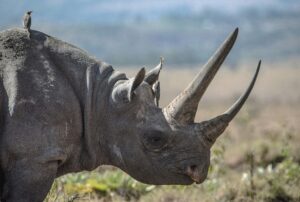
Meru National Park is involved in the conservation of several important wildlife species with a strong focus on protecting vulnerable and endangered animals. One of the park most significant conservation priority is protecting Black Rhinoceros. It is classified as critically endangered. Other conserved animals are the southern white rhinoceros which is classified as near threatened. There is also the grevy`s zebra, reticulated giraffe, elephants and other large predators.
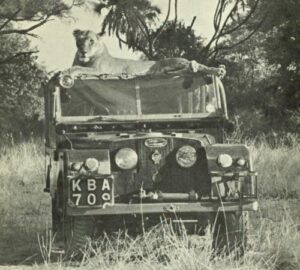
Through conservation, Elsa the lioness story was born. Elsa was raised by Joy and George Adamson during the 1950s. She was taken into care by the Adamson`s and they documented Elsa journey in the best selling book Born Free. Its is the remarkable story of raising a lioness and successfully reintroducing her to her natural habitat. It is from this book that inspired the film Born Free.
Unlike some of Kenya parks which are busier and crowded, Meru offers a quieter atmosphere where visitors enjoy game drives without a long lines of safari vehicles. The parks diversity supports an impressive range of wildlife while maintaining a sense of untouched wilderness.
Activities and tips when visiting Meru National Park
Visitors enjoy more than spotting wildlife. Bird watching for bird enthusiasts ranging from kingfishers and bee-eaters to fish eagles and hornbills. Nature photography of diverse scenery and endless savannah, scenic picnics, and exploring the parks rivers and viewpoints add to the experience. Meru park can be visited throughout the year, but the dry season generally makes wildlife easier to spot, as animals gather around water sources and vegetation is less dense.
The park is also an excellent destination for repeat safari travelers who have already visited Kenya’s more famous reserves and are looking for something different. Meru combines the wildlife richness of major safari destinations with the tranquility of a remote wilderness. It appeals to photographers, birdwatchers, conservation enthusiasts, and travelers seeking authentic experiences away from crowded tourist circuits.
Despite all these advantages, Meru National Park remains one of Kenya’s best kept safari secrets. Its distance from traditional tourist routes, limited international marketing, and the popularity of better known parks have contributed to its underrated status. However, for travelers willing to venture beyond the usual safari trail, Meru delivers an experience that is increasingly difficult to find elsewhere: abundant wildlife, breathtaking scenery, conservation heritage, and genuine wilderness without the crowds.
Reasons Why Meru National Park is Underrated
It offers incredible wildlife without crowds.
One of the biggest advantage of visiting Meru National Park is the opportunity to enjoy wildlife without traffic of cars or overcrowding of people.
While visitors in popular parks may find several vehicles surrounding a single animal sighting, Meru often provides private and uninterrupted encounters with wildlife. This creates a more authentic wilderness experience and allows visitors to spend more time observing natural animal behavior.
Its landscapes are more diverse than most safari.
On wet season the dusty landscape transforms to green ecosystem filled with fresh vegetations, flowering plants and flowing rivers. Those who travel to Meru during the rains are rewarded with lush landscapes, fewer crowds, abundant birdlife, dramatic photography opportunities, and often lower travel costs.
It has a rich conservation history.
Meru National Park played a significant role in global wildlife conservation through the work of George Adamson and Joy Adamson. The famous story documented in Born Free unfolded here, making the park an important historical destination for conservation enthusiasts.
One of the best places to see rhinos in a natural settings.
Meru Park is home to a well-protected rhino sanctuary that supports both black and white rhinos. Rhino sightings are among the highlights of a safari here, giving visitors a chance to observe one of Africa’s most endangered animals in a secure and natural environment. This makes Meru particularly attractive for travelers hoping to complete their Big Five checklist.
Delivers outstanding value for money.
Because Meru receives fewer visitors than Kenya’s most parks, travelers can often enjoy excellent safari experiences at a lower overall cost. Accommodation may be more affordable, readily available, and the experience feels more exclusive despite the lower visitor numbers. For travelers seeking authentic wildlife encounters without peak-season crowds, Meru offers exceptional value.
At Bison safari, we handle details from custom itineraries, to expert guides. Contact us to experience the thrill of Meru National Park.