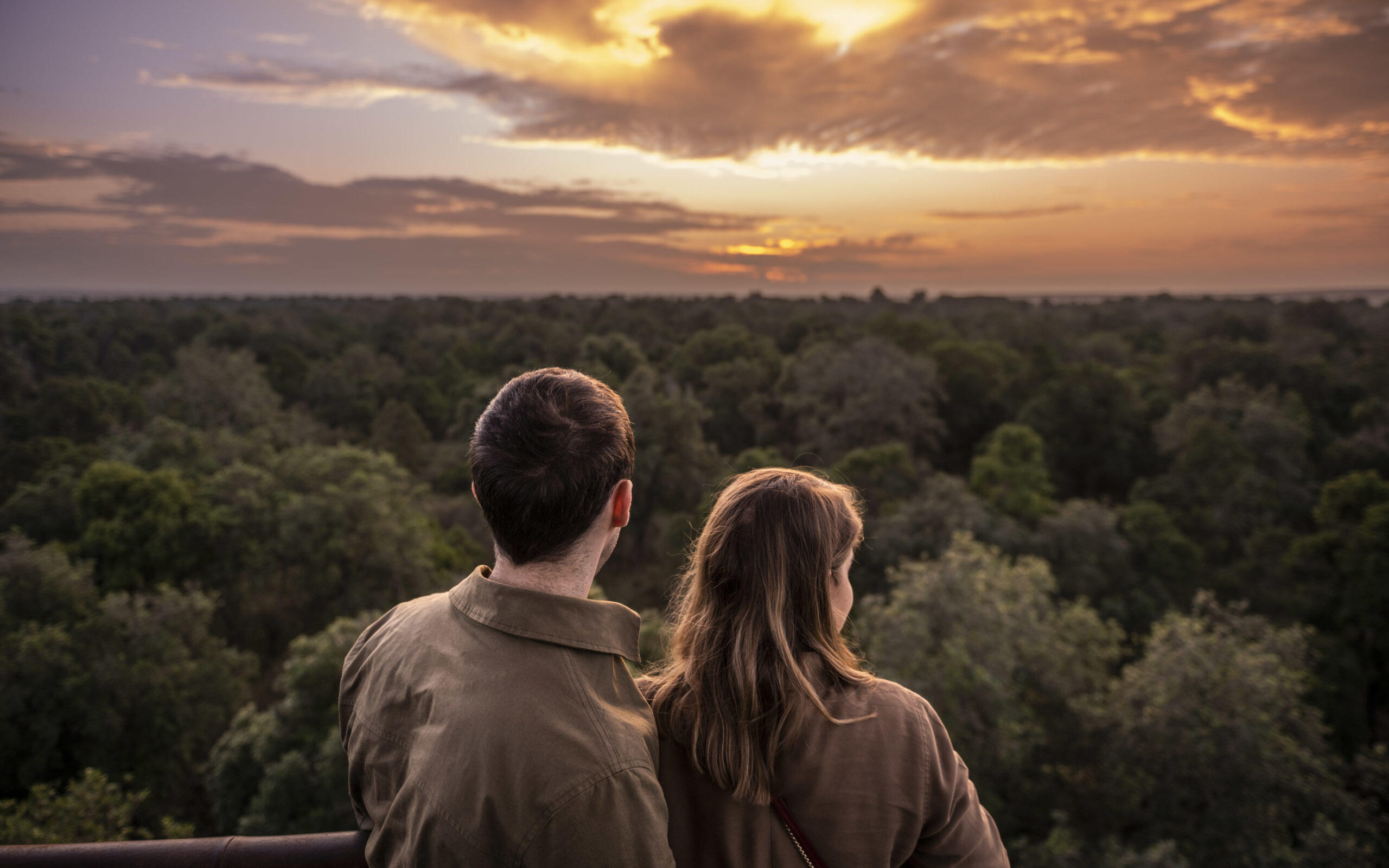
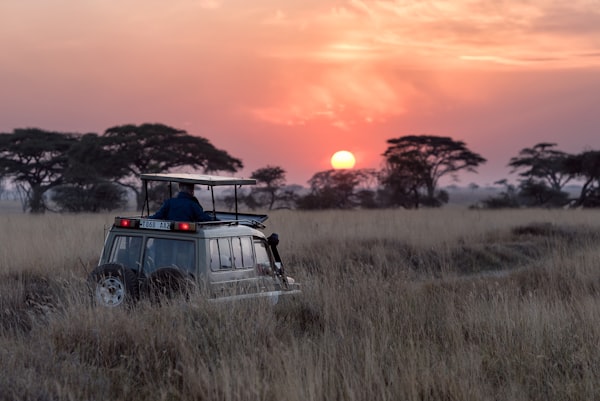
Kenya is one of Africa’s most exciting safari destinations, famous for its magnificent wildlife, dramatic landscapes and unforgettable encounters in the wilderness. From lions resting in the golden grasslands of the Maasai Mara to elephants walking beneath the shadow of Mount Kilimanjaro in Amboseli National Park, the country offers countless opportunities for photography.
In the past, capturing these moments often required expensive cameras, professional lenses and specialised photography skills. Today, smartphones have changed the experience dramatically. Almost every traveller can photograph wildlife, record safari moments and share their adventures with people around the world.
Smartphone photography in Kenya safari experiences is transforming how travellers document wildlife, interact with nature and promote destinations. It is also helping safari operators reach new audiences through authentic photographs and videos captured directly by their clients.
As smartphone technology continues to improve, the camera in a traveller’s pocket is becoming an important part of the modern Kenyan safari.
Making Wildlife Photography Accessible to Everyone

Modern smartphones come with high-resolution cameras, portrait modes, night photography features, image stabilisation and artificial intelligence tools that improve photographs automatically. These features make it easier for beginners to capture memorable wildlife encounters.
A visitor exploring the Maasai Mara can photograph a herd of elephants, capture a sunset over the savannah or record a lion resting beneath an acacia tree using a single device.
Smartphones are particularly useful for capturing wide landscapes, close wildlife encounters and everyday safari moments. They also allow travellers to switch quickly between photographs and videos without carrying several pieces of equipment.
However, smartphones still have limitations. Animals far away, fast-moving cheetahs and wildlife photographed in poor light can be difficult to capture clearly. Professional cameras with powerful telephoto lenses remain valuable for specialised wildlife photography.
Nevertheless, smartphone photography in Kenya safari experiences has made capturing beautiful memories easier and more affordable for a much wider range of travellers.
Social Media Is Promoting Kenya’s Safari Destinations

A short smartphone video of elephants crossing a river, a leopard resting in a tree or a lioness walking through golden grass can introduce Kenya’s wildlife to people thousands of kilometres away.
Unlike traditional tourism advertisements, these posts often show destinations through the eyes of real travellers. Their photographs, videos and personal stories can make a Kenyan safari feel more relatable to potential visitors.
Kenya’s tourism promotion efforts also recognise the value of user-generated content and mobile photography in showcasing the country’s attractions.
For safari operators, this creates an opportunity to reach new customers without relying entirely on expensive advertising campaigns.
When travellers share photographs from destinations such as the Maasai Mara, Amboseli, Samburu and Tsavo, they help create international awareness of Kenya’s diverse safari experiences.
Smartphone Photography Is Changing Safari Marketing

The growth of smartphone photography is changing how safari companies market their services. Instead of depending exclusively on professionally produced advertisements, tour operators can benefit from authentic content created by their clients.
A traveller’s photograph of elephants against Mount Kilimanjaro or a video of a lion spotted during a morning game drive can become valuable promotional material when shared with permission.
For a Kenyan safari company such as Bison Safaris, smartphone photography offers several practical marketing opportunities:
-
Social media engagement: Encourage guests to share their favourite safari moments and tag the company.
-
Authentic testimonials: Pair customer photographs with honest descriptions of their experiences.
-
Short-form videos: Use suitable guest footage to create engaging Instagram Reels, TikTok videos and Facebook content.
-
Website storytelling: With permission, feature guest experiences in blog posts and safari galleries.
-
Destination awareness: Show potential clients the landscapes, wildlife encounters and experiences they could enjoy on their own trips.
Smartphone content can also help smaller safari businesses compete for attention in a crowded tourism market. A memorable, authentic video can attract interest even when a company has a modest marketing budget.
However, quality and authenticity matter. Safari businesses should obtain permission before reposting guests’ images, respect their privacy and avoid presenting edited or misleading photographs as unaltered wildlife encounters.
The greatest marketing advantage comes when technology helps tell a genuine story about the safari rather than simply advertising a package.
Capturing More Than the Big Five

With a phone camera, visitors can document colourful birds, unusual insects, animal tracks, native plants and changing landscapes. They can also photograph traditional homesteads, local markets and cultural experiences encountered during their travels, with appropriate permission.
These photographs create a more complete record of the safari. Rather than returning home with only pictures of large mammals, visitors can document the different elements that make Kenya’s natural and cultural heritage distinctive.
For example, a traveller in Samburu can photograph the region’s rugged scenery and distinctive wildlife, while someone visiting Lake Nakuru can capture birdlife and lakeside landscapes.
Smartphones also make it easier to record short videos and add notes about species, locations and observations. These records can help travellers remember what they learned from their guides.
In this way, smartphone photography in Kenya safari experiences can encourage greater curiosity, helping visitors appreciate the complexity of nature instead of concentrating exclusively on the most famous animals.
Enhancing the Safari Experience Through Video and Storytelling

A smartphone allows a traveller to record elephants rumbling softly, birds calling in the early morning or zebras moving across the plains. When combined with photographs, these recordings create a richer personal account of a safari.
Short videos can also tell stories. A visitor might document a morning from the first rays of sunlight to the discovery of giraffes grazing in the distance. Another traveller might record a guide explaining how an ecosystem supports different species.
These small stories help communicate the atmosphere of a Kenyan safari to friends, family and online audiences.
Smartphones also provide convenient editing tools. Travellers can combine photographs, short clips, captions and music to create memorable travel diaries without needing advanced editing skills.
Nevertheless, recording should never take priority over experiencing the moment. Constantly watching wildlife through a screen can distract visitors from the sounds, smells and atmosphere of the wilderness.
The best approach is to capture a few meaningful moments and then put the phone away to enjoy the experience directly.
Smartphone Photography Is Encouraging More Domestic Tourism

A weekend visit to Nairobi National Park, for example, can produce photographs of giraffes, rhinos, lions and buffaloes against the city’s skyline. Travellers visiting Amboseli, Tsavo or the Maasai Mara can similarly share their experiences with friends and followers.
These photographs can inspire other people to plan domestic holidays, discover unfamiliar destinations and appreciate Kenya’s natural heritage.
Smartphone photography can also make safari experiences more attractive to younger travellers who enjoy documenting their adventures online. A well-composed photograph or short video can inspire people to explore destinations they might not previously have considered.
For safari operators, this presents an opportunity to promote affordable packages, weekend trips, family holidays and other experiences that appeal to the domestic market.
As more travellers share their journeys online, smartphone photography can help make Kenyan tourism more visible, accessible and appealing to a wider audience.
The Role of Smartphone Photography in Wildlife Conservation

When travellers photograph endangered species, beautiful landscapes and wildlife interactions, they can share stories that encourage others to appreciate and protect these natural resources.
A photograph of a rhino can introduce audiences to the challenges facing endangered wildlife. Images of elephants moving through their natural habitat can help illustrate the importance of protecting migration routes and maintaining connected ecosystems.
Social media can also provide conservation organisations with opportunities to communicate educational messages and reach audiences beyond traditional wildlife enthusiasts.
However, responsible wildlife photography must always put animal welfare before the perfect photograph.
Travellers should follow their guides’ instructions, remain in designated areas and avoid shouting, using flash unnecessarily or attempting to attract an animal’s attention. Visitors should never pressure a driver to leave established roads or approach wildlife dangerously to improve a photograph.
It is also important to be cautious when sharing the exact locations of vulnerable animals, particularly species threatened by poaching.
When used responsibly, smartphone photography can turn memorable safari moments into opportunities for conservation awareness and environmental education.
The Challenges of Smartphone Photography on Safari
Although smartphones have transformed wildlife photography, they are not perfect for every situation. Understanding their limitations can help travellers prepare for better results.

Limited zoom capabilities
Wildlife can be far away, especially in open reserves. Digital zoom can reduce image quality, leaving distant animals looking blurry. Travellers should use their phone’s optical zoom where available and avoid excessive cropping.
Low-light photography
Early morning and late afternoon are rewarding times for wildlife viewing, but changing light can make photographs challenging. Night mode can help with stationary subjects, although fast-moving animals may still appear blurred.
Dust, heat and battery life
Dusty roads, hot conditions and frequent video recording can affect devices and drain batteries. A protective case, a lens cloth, a power bank and sufficient storage space are useful preparations.
The temptation to photograph everything
Spending too much time on a screen can distract travellers from the experience itself. Taking photographs in moderation allows visitors to appreciate the wildlife encounter without missing its atmosphere.
These challenges do not diminish the value of smartphone photography. Instead, they highlight the importance of understanding the device, preparing properly and maintaining realistic expectations.
Practical Tips for Better Smartphone Photography on a Kenyan Safari

-
Clean your camera lens. Dust and fingerprints can reduce clarity, especially in bright sunlight.
-
Use natural light. Early morning and late afternoon often provide softer light and attractive colours.
-
Avoid excessive digital zoom. Use optical zoom if your device offers it, and crop the image later when necessary.
-
Keep your phone steady. Hold it with both hands or support it against a stable surface inside the vehicle.
-
Focus on the subject. Tap the animal on your screen to help your camera focus and adjust exposure.
-
Try landscape and portrait formats. Landscape images work well for wide savannah scenes, while portrait images can emphasise giraffes, trees and individual animals.
-
Record short videos. Capture movement, bird calls or a guide’s explanation when doing so is safe and appropriate.
-
Protect your phone. Use a case and keep the device protected from dust when not in use.
-
Carry a power bank. Long game drives and video recording can quickly drain your battery.
-
Respect wildlife. Never leave the vehicle, distract an animal or ask a driver to break park rules for a better shot.
Most importantly, listen to your safari guide. Their knowledge can help you anticipate wildlife behaviour and understand what is happening around you, making your photographs more meaningful.
The Future of Smartphone Photography in Kenyan Safari Tourism

Improvements in computational photography, image stabilisation, optical zoom and artificial intelligence are making it easier to capture and edit high-quality images. Faster mobile editing tools also allow travellers to publish photographs and videos while their safari is still underway.
Artificial intelligence can help improve exposure, reduce image noise and organise photographs. However, excessive editing can distort wildlife behaviour or create misleading representations of what a traveller actually saw.
Social media platforms will continue to provide opportunities for visitors, guides, conservation organisations and safari companies to share experiences with global audiences.
For safari companies, this creates opportunities to combine traditional hospitality with modern digital engagement. Guides can help visitors understand wildlife, while guests document their experiences and share them with the world.
In the years ahead, smartphone photography is likely to remain an important part of how people remember, discover and promote Kenyan safaris. Its greatest value, however, will come from combining technological convenience with genuine appreciation for wildlife and the natural environment.
Conclusion: Smartphone Photography Is Transforming the Kenyan Safari

From the vast plains of the Maasai Mara to the elephant-filled landscapes of Amboseli, a smartphone can help preserve memories that last long after a safari ends. It can also support destination marketing and conservation awareness when photographs are shared responsibly.
Yet, the true value of a safari goes beyond the photographs taken. Watching a lion move through the grass, hearing birds call at sunrise or observing elephants in their natural habitat are experiences that no screen can fully reproduce.
The best safari experience balances capturing memories with being present in the moment.
Planning to experience Kenya’s wildlife for yourself? Book your next Kenyan safari with Bison Safaris and discover incredible landscapes, unforgettable wildlife encounters and opportunities to capture your own safari memories.