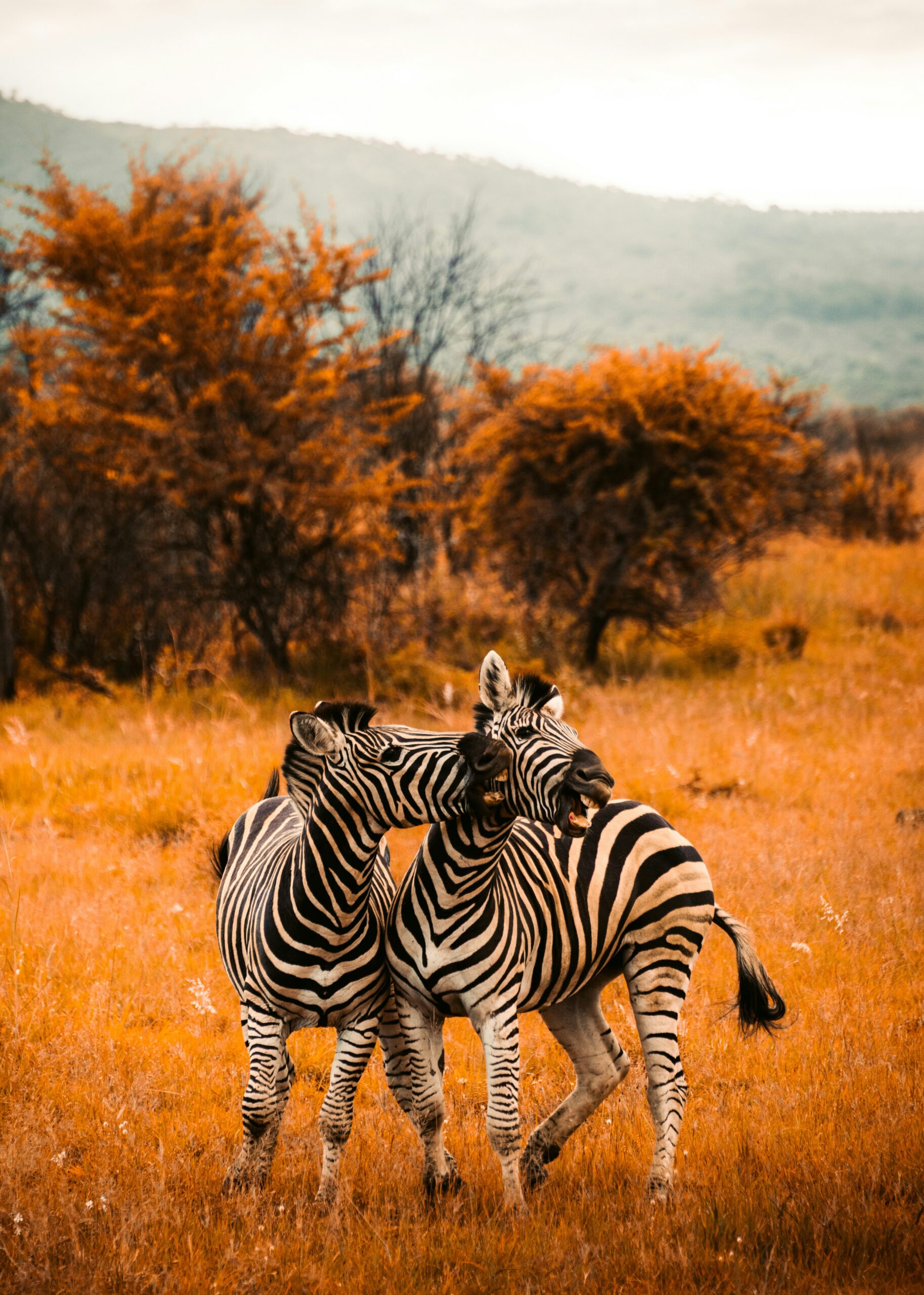
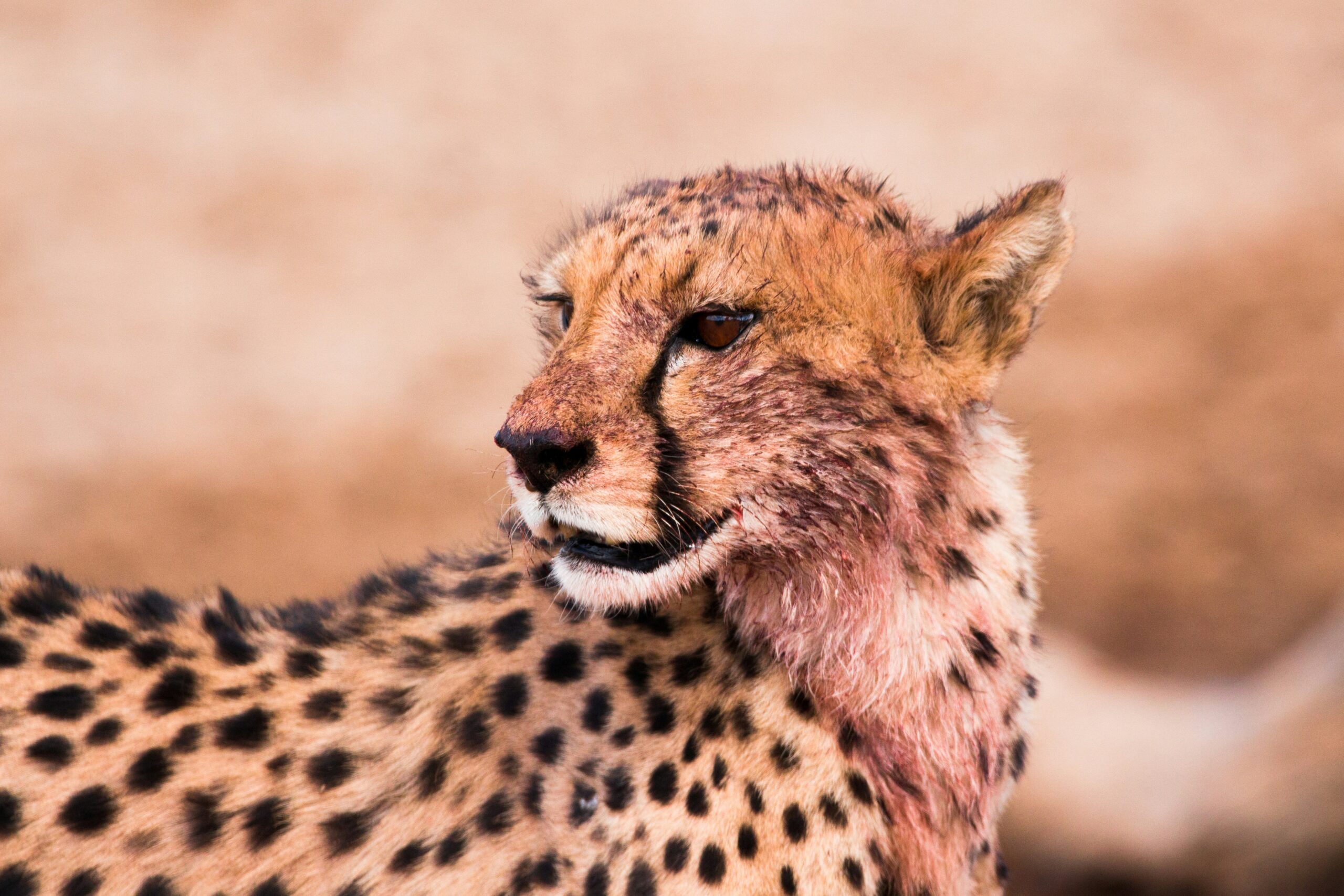
A Kenya safari with cultural experiences offers something that a wildlife focused itinerary alone cannot always provide. You can watch elephants moving across open plains in the morning, learn about the history and traditions of a local community later in the trip, and finish your day watching the sunset from a peaceful lodge. Instead of spending the entire holiday moving between parks, you experience different sides of the country at a pace that leaves room to enjoy them.
The challenge is bringing these experiences together without making the itinerary too crowded. Kenya has remarkable wildlife, diverse living cultures, beautiful coastlines and quiet places to unwind, but fitting everything into one holiday requires thoughtful planning. Destinations that look close on a map can involve lengthy journeys, while adding too many activities can leave you with little time to appreciate any of them.
The best approach is to decide what matters most to you, choose experiences that complement one another, and leave enough breathing room between the major activities. With the right combination, a Kenya safari with cultural experiences can feel adventurous, meaningful and genuinely restorative.
Why Combine Wildlife, Culture and Relaxation on a Kenya Safari?
Wildlife is often the main reason travellers visit Kenya. The country offers opportunities to see elephants, lions, giraffes, zebras, rhinos and numerous other animals in their natural habitats. Yet a holiday can become much more rewarding when it also introduces you to the places, people and traditions that give the landscape its wider meaning.
Cultural experiences add another dimension to a safari. Depending on the destination, you might explore a historic Swahili settlement, learn about local craftsmanship, visit a community led cultural center or discover how people have adapted their livelihoods to their surroundings. These experiences offer perspectives that a game drive cannot provide.
Relaxation is equally important. Early morning departures, long drives, changing accommodation and several hours in a safari vehicle can be tiring. Time to enjoy a lodge, swim where facilities are available, read outdoors or simply appreciate the scenery can make the whole journey more comfortable.
The aim is not to squeeze three different holidays into one. It is to create a trip in which wildlife, culture and relaxation complement one another.
Start With the Wildlife Experiences You Most Want
When planning a Kenya safari with cultural experiences, begin by identifying the wildlife encounters that matter most to you. This helps determine which destinations deserve the greatest share of your time and which additional experiences can fit naturally into the journey.
For travellers interested in elephants and dramatic mountain scenery, Amboseli National Park is a compelling option when conditions allow views of Mount Kilimanjaro. Those hoping to explore a wider range of wildlife may consider destinations such as Lake Nakuru National Park or Samburu National Reserve, depending on their interests and travel dates.

The Masai Mara is another well known choice for wildlife viewing, but it is not necessary to include every famous reserve in one itinerary. A smaller number of well chosen destinations can provide a more satisfying experience than a rushed journey through several parks.
Consider how much time you want to spend on game drives, whether photography is a priority, and if you would prefer a private vehicle or a shared safari. These decisions influence the pace of the trip and the amount of flexibility available for other activities.
Once the wildlife portion is clear, it becomes easier to identify cultural experiences and relaxing stays that fit the same route.
Choose Cultural Experiences That Add Meaning to the Journey
A Kenya safari with cultural experiences should introduce you to living communities and local heritage rather than treat culture as a brief attraction to tick off a list.
Kenya’s cultural diversity means that the experience can look very different from one region to another. On the coast, for example, travellers can explore Swahili architecture, historic settlements, food traditions and maritime heritage. Inland, locally organized cultural visits may offer opportunities to learn about traditional crafts, music, food, pastoral livelihoods or community conservation initiatives.

Lamu Old Town is a particularly interesting example of Kenya’s cultural heritage. Recognized by UNESCO as a World Heritage Site, it preserves a historic Swahili settlement shaped by centuries of cultural exchange and trade. Its narrow streets, traditional buildings and carved wooden doors offer a different perspective on Kenya from the country’s wildlife reserves. You can learn more through the UNESCO World Heritage Centre’s Lamu Old Town profile.
For travellers who want to combine a wildlife safari with coastal heritage and downtime, the Kenyan coast can be an appealing extension. Our Kenya Beach Guide provides a starting point for exploring coastal destinations.
When choosing a community visit, look for experiences organized with local participation and clear benefits to the people involved. Ask what the visit includes, whether photography is permitted, and whether the activity is appropriate for the community’s customs. Cultural encounters are more rewarding when visitors approach them with curiosity, respect and a willingness to listen.
Make Room for Relaxation Between Activities
One of the easiest mistakes when planning a Kenya safari with cultural experiences is assuming every available hour should be filled with an activity.
A typical safari day may begin before sunrise, particularly when travellers want to take advantage of cooler morning conditions for wildlife viewing. After a game drive, there may be breakfast, a transfer, lunch or another scheduled activity. Repeating this pace for several days without a break can become exhausting.
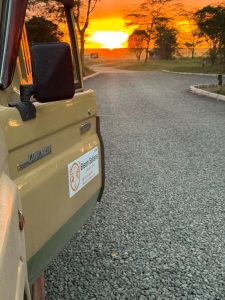
Relaxation does not have to mean spending an entire day doing nothing. It can be as simple as returning to camp after a morning game drive instead of scheduling another excursion, choosing accommodation with a swimming pool or comfortable outdoor spaces, or allowing an afternoon to enjoy the surrounding scenery.
The right choice depends on the traveller. Someone who enjoys photography may prefer a quiet afternoon reviewing images and preparing for the next morning. A couple might value a leisurely meal and time together, while a family may need a less demanding schedule for children.
When comparing accommodation, check which facilities are actually available and included in the price. A swimming pool, spa treatment, guided nature walk or other activity should not be assumed to be part of every lodge stay.
Building in rest also creates flexibility. If a journey takes longer than expected or a wildlife encounter extends the morning’s activities, you will not feel that the entire itinerary has fallen behind.
Select Destinations That Work Together
The geographical arrangement of a Kenya safari with cultural experiences matters just as much as the attractions themselves.
A route that combines destinations efficiently leaves more time for wildlife viewing, cultural activities and relaxation. A poorly planned route can spend a surprising amount of the holiday on transfers, repeated journeys or unnecessary changes of accommodation.
Consider three broad approaches.
A wildlife safari followed by a coastal stay. Travellers can spend several days exploring a wildlife destination before continuing to the coast for historic sites, local food, beaches and a slower pace. The exact route depends on the starting point, transport connections and the time available.
A wildlife safari with a nearby cultural experience. Where suitable activities are available close to the chosen park or conservancy, travellers may be able to include a cultural visit without making a major detour. The operator should confirm the location, duration and arrangements before the itinerary is finalized.
A slower regional journey. Rather than covering a large part of Kenya, travellers can concentrate on a smaller area and explore its wildlife, heritage and landscapes in greater depth. This can be especially appealing for people who dislike frequent packing and long road transfers.
Before confirming any route, check realistic driving times, road conditions, opening hours and activity schedules. If a destination requires a flight or a long transfer, consider whether the experience justifies the additional time and cost.
How Many Days Do You Need?
There is no single ideal duration for a Kenya safari with cultural experiences. The right length depends on your priorities, budget, transport arrangements and whether the holiday includes international arrival and departure days.
A shorter trip can still be rewarding if you concentrate on one main wildlife destination and add a compatible cultural activity. Trying to visit several distant parks, explore a historic town and spend time at the coast within a few days is likely to create an unnecessarily rushed schedule.
With approximately a week, there may be more flexibility to combine a wildlife focused section with a cultural stop or a relaxing coastal extension. Longer holidays can accommodate additional destinations, but more days should not automatically mean more activities. Sometimes the greatest benefit comes from staying longer in fewer places.
Example: A Five-Day Wildlife and Culture Escape

A five-day itinerary could focus on a single wildlife region and a nearby cultural experience, with sufficient time to rest. This example illustrates the structure rather than promising a fixed route; the final destinations should be selected according to current transport arrangements and available activities.
Day 1: Arrival and settling in. Transfer to the first accommodation, rest after the journey and confirm the schedule for the following day. Avoid arranging an ambitious excursion immediately after a long international flight.
Day 2: Wildlife exploration. Dedicate the day to game drives in the selected reserve or park. Allow time to appreciate sightings instead of treating the day as a race to see as many species as possible.
Day 3: Wildlife and a slower afternoon. Enjoy a morning game drive, then return to the lodge for lunch and leisure time. If the property offers suitable facilities or optional activities, this can be an opportunity to enjoy them.
Day 4: A cultural experience. Visit an established cultural attraction or participate in a locally organized experience that fits the route. Allow enough time to engage with the activity rather than squeezing it between long transfers.
Day 5: Breakfast and departure. Enjoy a relaxed morning if the departure schedule permits, then transfer to the airport or onward destination.
This arrangement works best when the cultural activity is genuinely accessible from the chosen wildlife region. If it requires several hours of travel, a longer itinerary or a different destination combination may be preferable.
Example: A Seven-Day Safari With a Coastal Finish
Travellers who want wildlife, cultural discovery and more substantial relaxation could consider a seven-day structure that includes a safari followed by time on the coast.
The first part of the journey could focus on game drives in one carefully selected wildlife destination. After the safari, the itinerary could continue to the coast, where travellers might explore Mombasa’s historical attractions or spend time in Lamu, depending on the chosen route.
The remaining days could include a cultural or heritage visit, time to enjoy the beach, and an unhurried final morning before departure. The precise sequence depends on flight schedules, road transfers and the departure airport.
This style of itinerary allows the trip to change pace naturally. The wildlife section provides the adventure, the cultural visit adds context, and the coastal stay creates space to unwind.
Keep Your Budget Balanced Across the Three Experiences
A well planned Kenya safari with cultural experiences does not have to be the most expensive itinerary available. The important thing is to understand where your money is going and which elements matter most to you.
Accommodation, park fees, transport, private vehicles, flights, meals and optional activities can all affect the final cost. A trip that includes several destinations may also require additional transfers or extra nights that are easy to overlook when comparing headline prices.
Start by deciding which experiences are essential. If wildlife viewing is your main priority, you might prefer to spend more on a strategically located camp or an additional night in the wildlife region. If cultural discovery is equally important, allocate enough time and money for a meaningful guided experience rather than treating it as an afterthought.
Relaxation can sometimes be built into the accommodation you already need. Choosing a comfortable property with suitable leisure facilities may offer better value than adding several separate excursions.
Before booking, ask for a clear breakdown of inclusions and exclusions. Confirm whether park fees, cultural activities, meals, transfers and domestic flights are covered, and which expenses you will need to pay separately.
Our guide to transparent Kenya safari pricing can help you understand the importance of comparing what a quotation actually includes, rather than choosing an itinerary based only on its starting price.
Avoid These Common Planning Mistakes
Even a promising itinerary can become disappointing when its activities are poorly balanced.
One common mistake is including too many destinations. Each additional stop can mean packing, checking out, transferring and settling in again. If you spend most of the holiday travelling between attractions, you may have little time to enjoy the places you came to see.
Another is scheduling cultural visits without checking the arrangements. Some experiences require advance booking, specific opening hours or coordination with local hosts. Confirming these details beforehand helps avoid missed opportunities and rushed visits.
It is also worth avoiding assumptions about cultural activities. Not every community offers the same experiences, and visitors should not expect ceremonies, private gatherings or traditional practices to be staged on demand. Choose activities that are openly offered to visitors and respect any restrictions set by hosts.
Finally, do not leave relaxation until the end of the trip. A quiet afternoon during the wildlife portion or an extra night in a suitable location can make the entire holiday feel more enjoyable.
The best itinerary is not necessarily the one with the most activities. It is the one that gives each experience enough time to be worthwhile.
Plan a Kenya Safari That Reflects Your Interests
A Kenya safari with cultural experiences can bring together the country’s wildlife, living heritage and peaceful landscapes in a single holiday. The key is to make deliberate choices. Prioritize the wildlife you most want to see, select cultural activities that fit the route, and leave enough time to enjoy the accommodation and surroundings.
Think about the pace you prefer, the amount of time you have, and the experiences you would regret missing. Then build the itinerary around those priorities rather than trying to include every attraction.
At Bison Safaris, travellers can explore different safari options and discuss an itinerary suited to their interests, dates and budget. If you are considering a trip that combines wildlife viewing, cultural discovery and time to unwind, start by exploring the available Kenya safari packages. You can then enquire about a route that brings those experiences together in a practical and enjoyable way.
A memorable safari does not need to be packed from morning to night. Sometimes, the most rewarding journeys are the ones that leave enough room to discover something new, connect with the places you visit and simply enjoy being there.