Understanding what is mandatory for a safe and enjoyable Kenya safari, especially regarding health requirements like the yellow fever vaccine, is crucial for every traveler. In this comprehensive guide from Bison Safaris, we share expert tips and insights to ensure your adventure is both memorable and healthy. Navigating international travel regulations can be complex, but being well-informed about vaccinations and health precautions is the first step towards a worry-free journey into the heart of Africa.
Yellow fever poses a genuine health risk in certain parts of Kenya, especially in areas popular for safaris, such as the Masai Mara, Amboseli, and Tsavo National Parks, as well as other inland regions. Although some areas in Kenya have a low risk of transmission, travelers visiting wildlife reserves are still exposed to mosquito bites that can transmit the virus. The vaccine not only protects your health during your safari but it is also a key travel document for many countries, making it a critical consideration for international travel. Kenya specifically requires proof of yellow fever vaccination if coming from or passing through areas where yellow fever is common, such as many countries in South America and other parts of Africa. This makes the yellow fever vaccine essential before embarking on your safari adventure, and in some cases, it is explicitly mandatory for entry depending on your travel history.
While the yellow fever vaccine is not universally mandatory for entry into Kenya for all travelers, it is highly advisable if your itinerary includes visiting risky areas, particularly the popular safari circuits. Understanding this nuance is key to proper preparation. Bison Safaris always recommends consulting with a travel health professional to assess your individual risk based on your specific travel plans and origin country.
Is the yellow fever vaccine mandatory for entry in Kenya?
While the vaccine is not strictly required for every traveler upon entry, it is important to understand that Kenya safari regions often fall within areas where yellow fever transmission is possible. For instance, if you are arriving from or have transited through a country with a high risk of yellow fever transmission, presenting a valid vaccination certificate is indeed mandatory for entry into Kenya. This regulation is in place to protect both international visitors and the local population from potential outbreaks. Always check the latest requirements based on your specific travel history.
Kenya’s most visited parks and reserves such as Masai Mara, Amboseli, and even coastal areas like Diani, despite their beauty, are home to mosquito populations. While not all mosquitoes carry the yellow fever virus, the risk of exposure in these natural environments makes proactive protection a wise choice. Ensuring you are vaccinated provides an invaluable layer of security against this potentially severe illness.
Leading global health organizations like the CDC and WHO strongly advise travelers to get yellow fever vaccination if visiting regions with high risks, which includes many parts of Kenya. This recommendation is not merely a suggestion; for many, it becomes practically mandatory for ensuring peace of mind and health security during their safari. Being vaccinated protects you during your safari and also prevents complications if planning to travel to other countries that may have stricter entry requirements for travelers coming from Kenya.
Why is the yellow fever vaccine recommended for safaris?
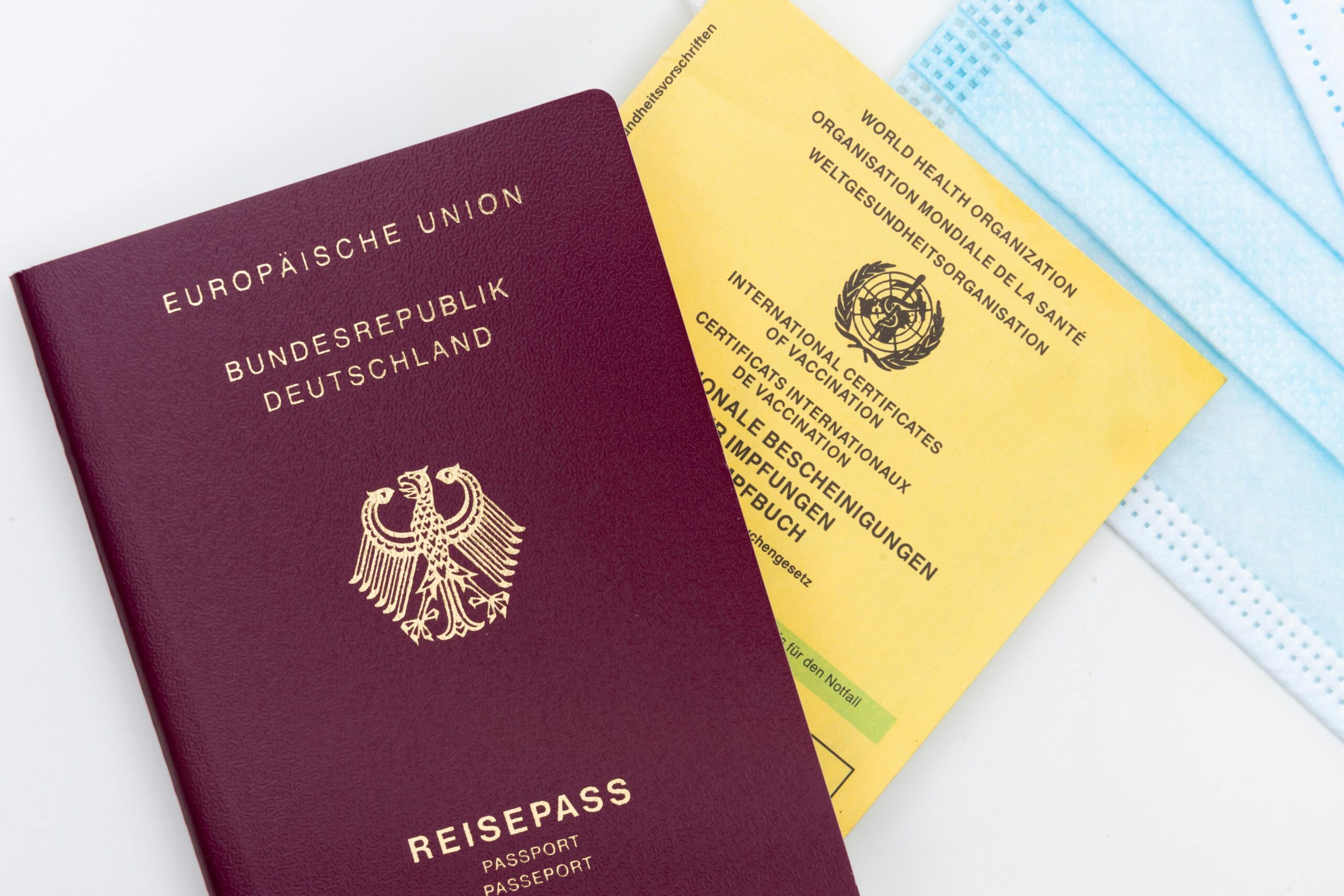
Getting the yellow fever vaccine before your safari helps you stay compliant with global health regulations, which is often practically mandatory for seamless international travel. Kenya was classified by the World Health Organization as a yellow fever-endemic country. This classification means that travelers leaving Kenya may need to show proof of vaccination when entering other countries, even if they weren’t required to show it upon entering Kenya. This is a crucial point for multi-country itineraries, as failure to comply could lead to denied entry or quarantine in your next destination.
Furthermore, safari destinations are often situated in remote or rural regions where access to immediate, advanced medical care may be limited. In such environments, prevention through vaccination becomes paramount. It significantly reduces the risk of contracting yellow fever, allowing you to fully immerse yourself in the incredible wildlife and stunning landscapes without undue health concerns.
Key considerations and precautions when planning your Safari
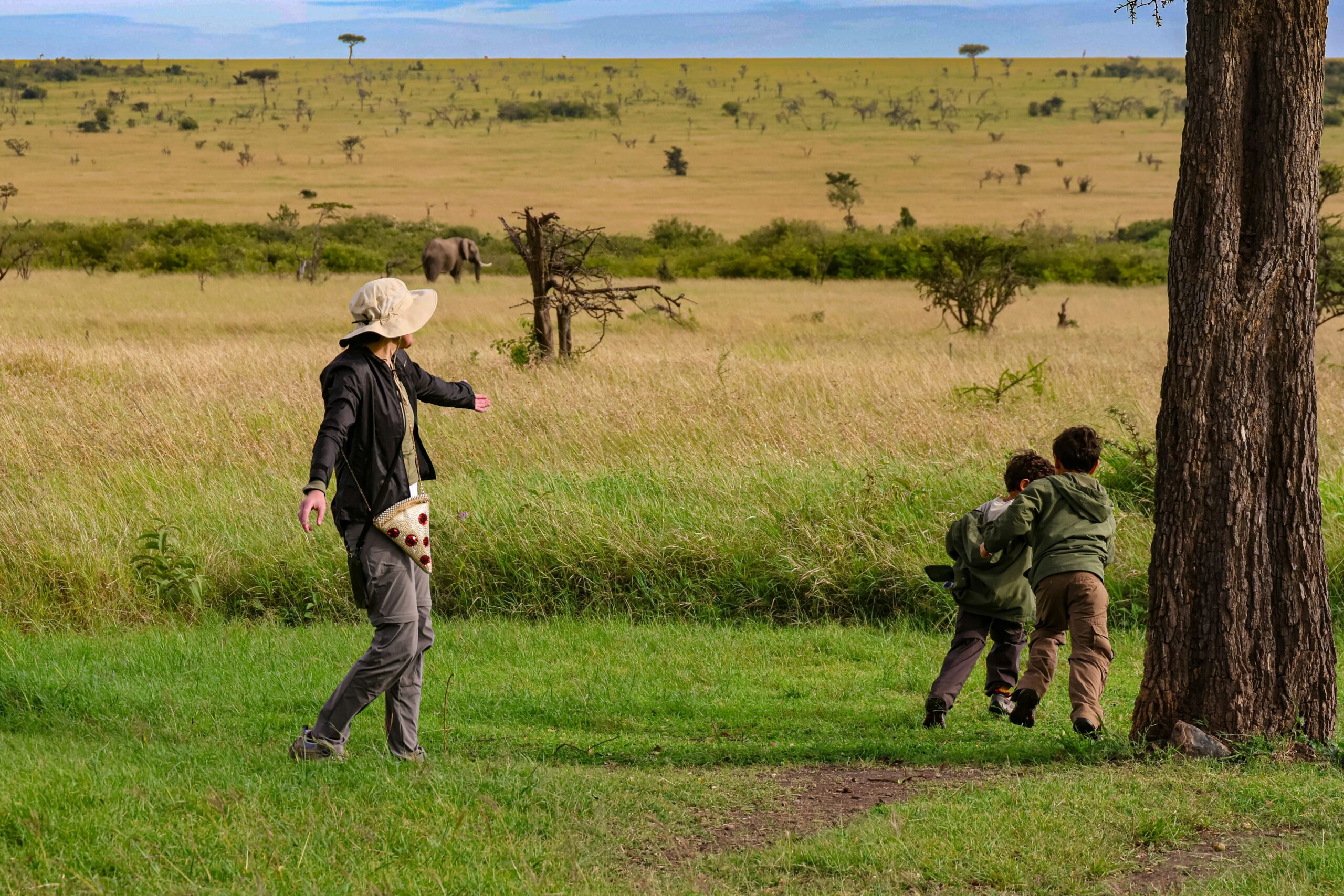
Beyond vaccinations, a holistic approach to health and safety is mandatory for an unforgettable and worry-free safari experience. Here are some key considerations and precautions Bison Safaris recommends when planning your adventure:
- Some Kenya safari regions in remote areas may lack immediate access to advanced medical facilities making prevention the best strategy.
- Consulting, your health professional in advance ensures you meet entry requirements and helps build tailored vaccination and medication plans suited to your itinerary and health status.
- It is important to carry a basic travel health kit including oral rehydration salts, antiseptic wipes, and any personal medications.
- The health requirements change especially during outbreaks by checking the latest guidance from health authorities and embassies is crucial.
- Combining proper vaccination, mosquito protection and personalized medical advice helps you stay safe and enjoy your safari to the fullest.
- The right precautions and considerations help you focus on incredible wildlife and stunning landscapes that make your safari moments unforgettable on top of Form.