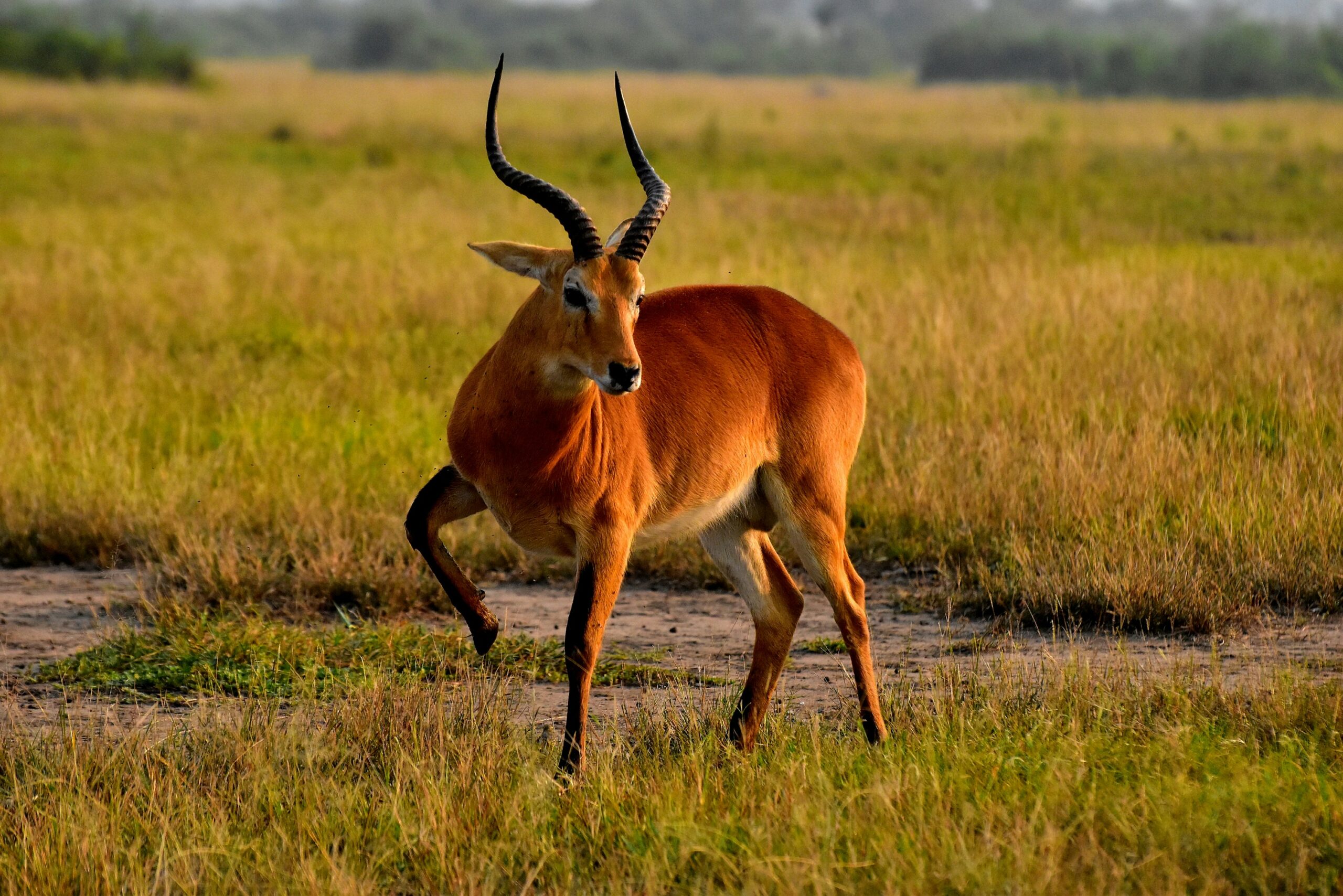
A safari in Kenya offers the opportunity to see elephants crossing open plains, giraffes moving through the bush and lions resting in the shade. For travellers with mobility disabilities, enjoying these experiences requires more than choosing a national park and booking accommodation. Transport, room layouts, bathroom facilities and access to wildlife viewing areas all need careful consideration.
A wheelchair accessible safari in Kenya should be planned around the traveller’s individual needs, preferred level of independence and comfort. Some travellers can transfer from a wheelchair into a vehicle seat, while others need to remain in their wheelchairs throughout the journey. Accommodation requirements, the amount of walking involved and the availability of suitable assistance can also differ considerably.
With the right preparation, travellers can make informed decisions about destinations, accommodation and transport before committing to a booking. This guide explains what to consider when planning a safari and the questions to ask to ensure that the proposed arrangements are suitable.
What to Consider When Planning a Wheelchair Accessible Safari in Kenya
Accessibility is not a single feature that a property or safari operator either has or lacks. It involves several arrangements working together throughout the trip.
For example, a lodge may have a spacious ground floor room but an uneven path between the entrance and the restaurant. A safari vehicle may offer excellent wildlife visibility but have high steps that make boarding difficult. A property may advertise accessible facilities without providing the specific bathroom features a traveller needs.
Start by identifying the arrangements that are essential for a comfortable trip. Consider whether the traveller needs a ramp or lift, can transfer independently, uses a manual or powered wheelchair, or requires assistance with particular activities.
It is also helpful to establish how much time the traveller is comfortable spending in a vehicle, whether frequent breaks are necessary and which facilities must be accessible without assistance.
Communicate these requirements to the safari operator before selecting an itinerary. Clear information allows the operator to assess the available options and explain any limitations before the booking is confirmed.
Choosing a Suitable Safari Vehicle
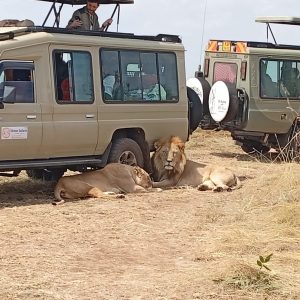
The safari vehicle is one of the most important parts of the planning process. Standard four-wheel-drive vehicles are built to handle rough terrain, and their entrances, seating arrangements and interiors are not necessarily suitable for wheelchair users.
Depending on the traveller’s requirements, a suitable arrangement might involve an adapted vehicle with a ramp or lift, secure wheelchair restraints and enough space to accommodate mobility equipment. Other travellers may prefer to transfer into a conventional vehicle seat, provided boarding can be managed safely.
Ask the operator to explain exactly how the proposed vehicle is configured. Confirm the entrance height, the available space, the method of securing the wheelchair and any limits relating to the weight or dimensions of the equipment.
For powered wheelchairs, discuss battery requirements and transport arrangements in advance. If the traveller needs assistance with transfers, establish who will provide that assistance and whether the arrangement is appropriate for the traveller’s needs.
Road conditions matter as well. Some game drive tracks can be uneven, making journeys bumpy and potentially uncomfortable. A private vehicle may allow greater flexibility over the timing and duration of game drives, but it should not automatically be assumed to be wheelchair accessible.
Request photographs or a video of the actual vehicle before paying a deposit. If the proposed arrangements do not meet the traveller’s requirements, ask whether a different vehicle or itinerary can be arranged.
Selecting Suitable Accommodation
Accommodation can influence the comfort and independence of the entire safari. A property that looks beautiful in photographs may still present practical difficulties for a traveller with limited mobility.
When comparing lodges and camps, ask about the exact room that would be allocated. Check whether there is a step free route from the vehicle drop off point to the room, restaurant and other essential facilities.
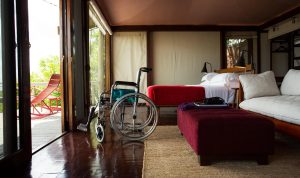
Bathroom arrangements deserve particular attention. Depending on the traveller’s needs, important features may include a roll-in shower, grab rails, a shower seat, suitable toilet access and sufficient space to maneuver a wheelchair. Door widths and the distance between the bed and bathroom may also affect usability.
Tented camps require additional checks. Although a tent may have a spacious interior, the surrounding paths could be uneven, sandy or steep. Dining areas and other facilities may also be some distance from the accommodation.
Ask the property to provide recent photographs of the room entrance, bathroom and relevant routes. Confirm whether the photographs represent the actual room being offered rather than a different room within the same property.
If the traveller needs personal care assistance, establish whether a companion or professional carer should accompany them. Do not assume that lodge employees are available or trained to provide personal care.
Choosing a Suitable Safari Destination
Kenya has several national parks that offer memorable wildlife experiences. The most appropriate destination depends on the traveller’s interests, the available accommodation and the practicality of the proposed route.
Amboseli National Park
Amboseli is famous for its elephant herds and, when conditions permit, views of Mount Kilimanjaro. Its open landscapes offer excellent opportunities to observe wildlife from a vehicle.
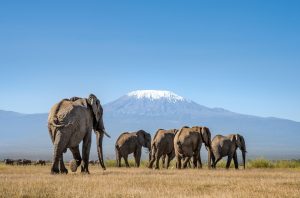
Before booking, confirm the suitability of the proposed game drive vehicle, the condition of the planned routes and the accessibility of the selected accommodation. Ask whether the itinerary can include shorter drives or rest periods if needed.
Lake Nakuru National Park
Lake Nakuru is worth considering for travellers interested in a range of wildlife within a relatively compact destination. Its location can also make it a useful option for an itinerary that limits long transfers from Nairobi.
However, the suitability of a visit still depends on the vehicle, accommodation and planned activities. Confirm these arrangements individually rather than assuming that the park’s size guarantees an easy trip.
Nairobi National Park
For travellers staying in the capital, Nairobi National Park offers an opportunity to experience wildlife without immediately undertaking a multi day journey.
A shorter outing may suit visitors who prefer a less demanding schedule or want to assess their comfort with safari travel before planning a longer holiday. Confirm the vehicle’s boarding arrangements, the availability of suitable facilities and the length of the proposed excursion.
Tsavo East and Tsavo West
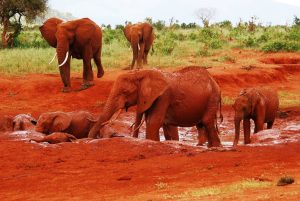
Tsavo East and Tsavo West are known for their expansive landscapes and diverse wildlife. Their size makes it especially important to consider driving distances, road conditions and the location of accommodation.
Ask the operator to plan realistic transfer times and identify suitable places to rest. A well paced itinerary may be more comfortable than attempting to cover too much ground in a short period.
None of these destinations should be assumed to be fully accessible in every respect. The final decision should be based on confirmed transport, accommodation and activity arrangements that match the traveller’s specific needs.
Planning a Comfortable Itinerary
A successful safari should allow enough time to enjoy the experience without making every day exhausting. The right pace depends on the traveller’s mobility, stamina, personal preferences and the length of the journey.
Where the budget and itinerary allow, staying for several nights at one suitable property can reduce the need to pack, transfer and settle into new accommodation repeatedly. It can also allow more time to enjoy the surroundings without rushing between destinations.
Consider scheduling game drives during the parts of the day that best suit the traveller. A morning outing followed by a relaxed afternoon may be preferable to several consecutive activities.
For longer distances, compare road transfers with domestic flights. Flying can reduce travel time, but small aircraft may have steps, limited cabin space and restrictions on mobility equipment. Contact the airline in advance to establish its boarding assistance procedures and requirements for transporting wheelchairs and batteries.
Build flexibility into the schedule. Ask the operator what alternatives are available if a planned activity proves uncomfortable, road conditions change or a transfer takes longer than expected.
The goal is to create an itinerary that provides meaningful wildlife experiences while allowing the traveller to remain as comfortable and independent as possible.
Questions to Ask Before Booking
Before confirming a wheelchair accessible safari in Kenya, ask the operator for clear answers about the practical arrangements.
Transport and game drives
- Is the proposed vehicle adapted for wheelchair access?
- Can the traveller remain in their wheelchair during the drive, or will a transfer into a vehicle seat be necessary?
- How will the wheelchair be secured?
- Is there enough space for mobility aids and additional equipment?
- Can game drives be shortened or adjusted to allow for rest breaks?
Accommodation
- Is there a step free route between the vehicle drop off point and the allocated room?
- Does the bathroom have the specific facilities the traveller requires?
- Are the restaurant and other essential guest areas accessible?
- Are paths level and suitable for the traveller’s mobility aid?
- Can recent photographs of the actual room and bathroom be provided?
Travel arrangements
- Are suitable airport transfers available?
- What assistance can be arranged during boarding and accommodation transfers?
- Are additional costs for specialized transport or equipment included in the quotation?
- What happens if the planned vehicle or room becomes unavailable?
- Which activities might involve steps, uneven ground or extended walking?
Ask for important arrangements to be confirmed in writing. This makes it easier to compare quotations and address any limitations before travelling.
Understanding the Cost of an Accessible Safari
The cost of a safari depends on the length of the trip, travel season, accommodation category, destinations and transport arrangements. Additional requirements may affect the total price.
An adapted vehicle, specialized transfers, equipment hire or a longer stay at a suitable property may increase costs. Travellers should also establish whether park fees, meals, airport transfers, domestic flights and any necessary support arrangements are included.
When requesting a quotation, describe the traveller’s requirements clearly. Include the type of wheelchair or mobility aid, whether independent transfers are possible, essential bathroom features and the preferred length of the trip.
Ask for a breakdown of the proposed costs and exclusions. Comparing quotations on the same basis helps identify whether an apparently cheaper package leaves out important arrangements.
For further information about the costs involved in organizing a wildlife holiday, read our guide to transparent pricing for Kenya safari packages.
Preparing for Departure
Once the itinerary has been confirmed, prepare for the practical details that can make the journey easier.
Keep essential medication and important mobility related supplies in accessible hand luggage, subject to airline requirements. If the traveller uses a powered wheelchair, obtain the airline’s current instructions for batteries, equipment handling and transport well before departure.
Bring any cushions, positioning supports or personal equipment that help maintain comfort during longer journeys. Confirm that the equipment can be transported safely and that suitable charging arrangements are available where necessary.
Review travel insurance carefully. Check the policy’s coverage for medical assistance, mobility equipment, emergency evacuation and the activities planned during the trip. Understand any exclusions and the procedures for obtaining assistance while abroad.
Share essential requirements with the safari operator before arrival. Confirm airport transfers, vehicle arrangements, room features and any assistance that has been agreed. Resolving these details in advance can reduce uncertainty once the journey begins.
Travellers can also consult our information on travel health insurance for a Kenya safari when preparing for their trip.
Making the Most of Your Safari Experience
A wildlife holiday should be planned around the traveller rather than expecting every visitor to fit a standard itinerary. People with mobility disabilities have different preferences, equipment requirements and levels of independence, and these differences should guide the arrangements.
The most useful planning process involves open communication, realistic expectations and confirmation of the details that matter most. Photographs of vehicles and rooms, written confirmations and a flexible schedule can all help travellers make informed decisions.
Kenya’s wildlife and landscapes offer memorable experiences, but the quality of a safari depends on more than the destination alone. Suitable transport, comfortable accommodation and a manageable pace all contribute to a rewarding journey.
Planning a wheelchair accessible safari in Kenya starts with understanding your individual mobility requirements and verifying the facilities available at each stage of the journey. Before booking, contact safari operators and accommodation providers directly to confirm vehicle access, room facilities and any assistance you may need. Request written confirmation of essential arrangements and compare the options carefully before making your decision. With thorough preparation, you can make a more informed choice about experiencing Kenya’s remarkable wildlife and landscapes.