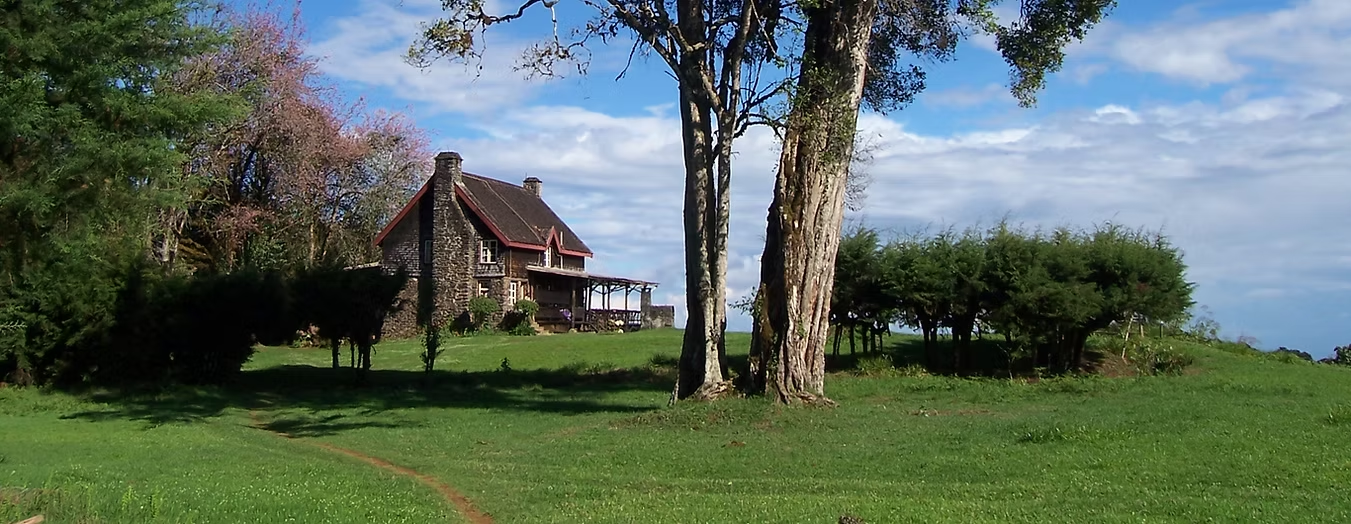
Beyond the famous savannah plains of the Masai Mara and far from Kenya’s busy tourist routes lies one of the country’s best-kept secrets, the Loita Hills. This remote region in southern Kenya shelters the ancient Loita Forest, often called “Kenya’s Last Indigenous Forest. Loita remains untouched by modern development, towering indigenous trees, clear rivers, sacred valleys and strong Maasai traditions. For travelers seeking real adventure, peace and authenticity away from crowded destinations, the Loita Hills offer a unique experience.
Where Are the Loita Hills Located in Kenya
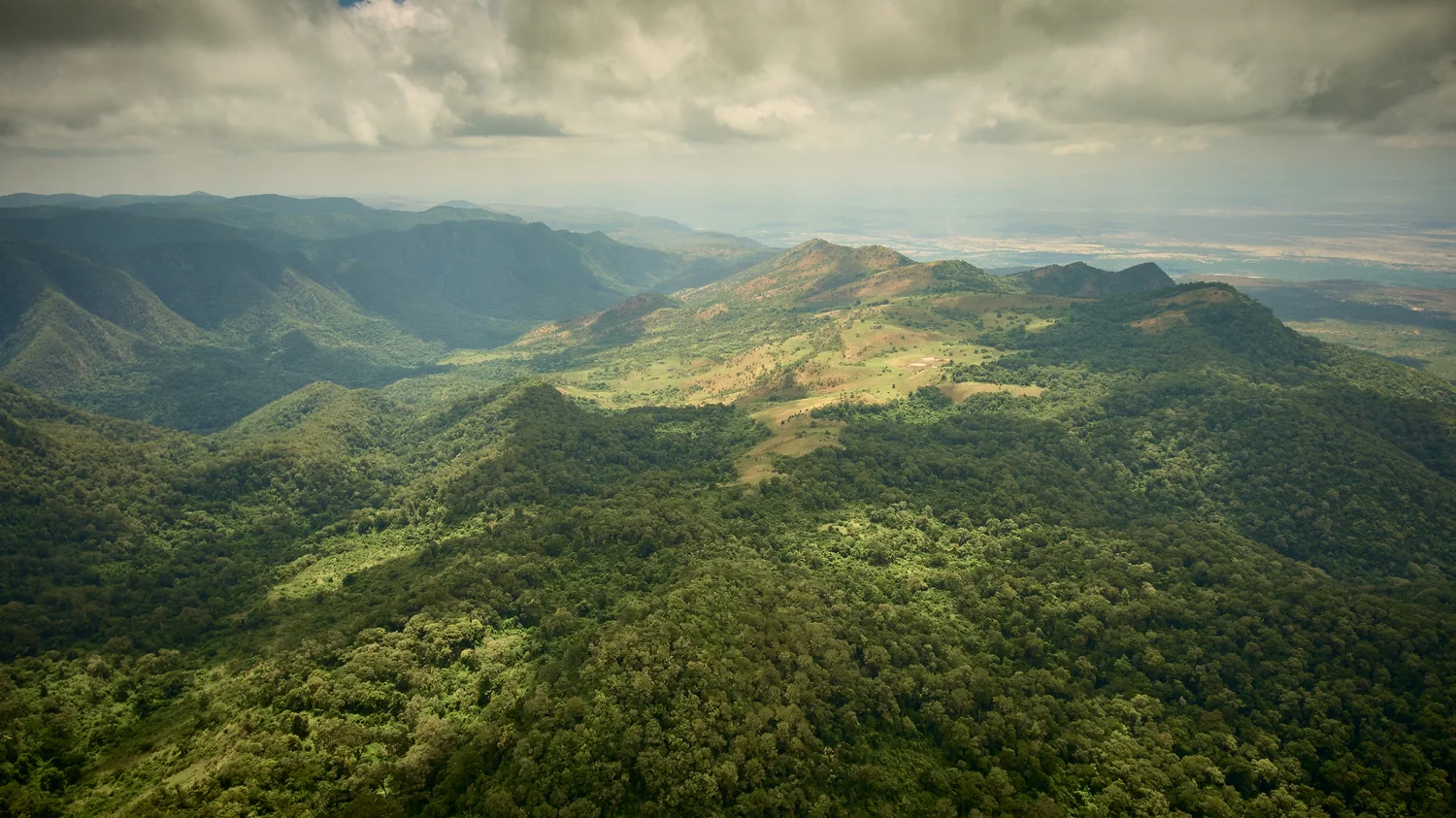
Deep in the heart of Narok County in southern Kenya lies a part of Africa that seems to have been left behind by time. The Loita Hills are a rugged and beautiful part of Kenya that offers tourists a window into pre-colonial Africa.
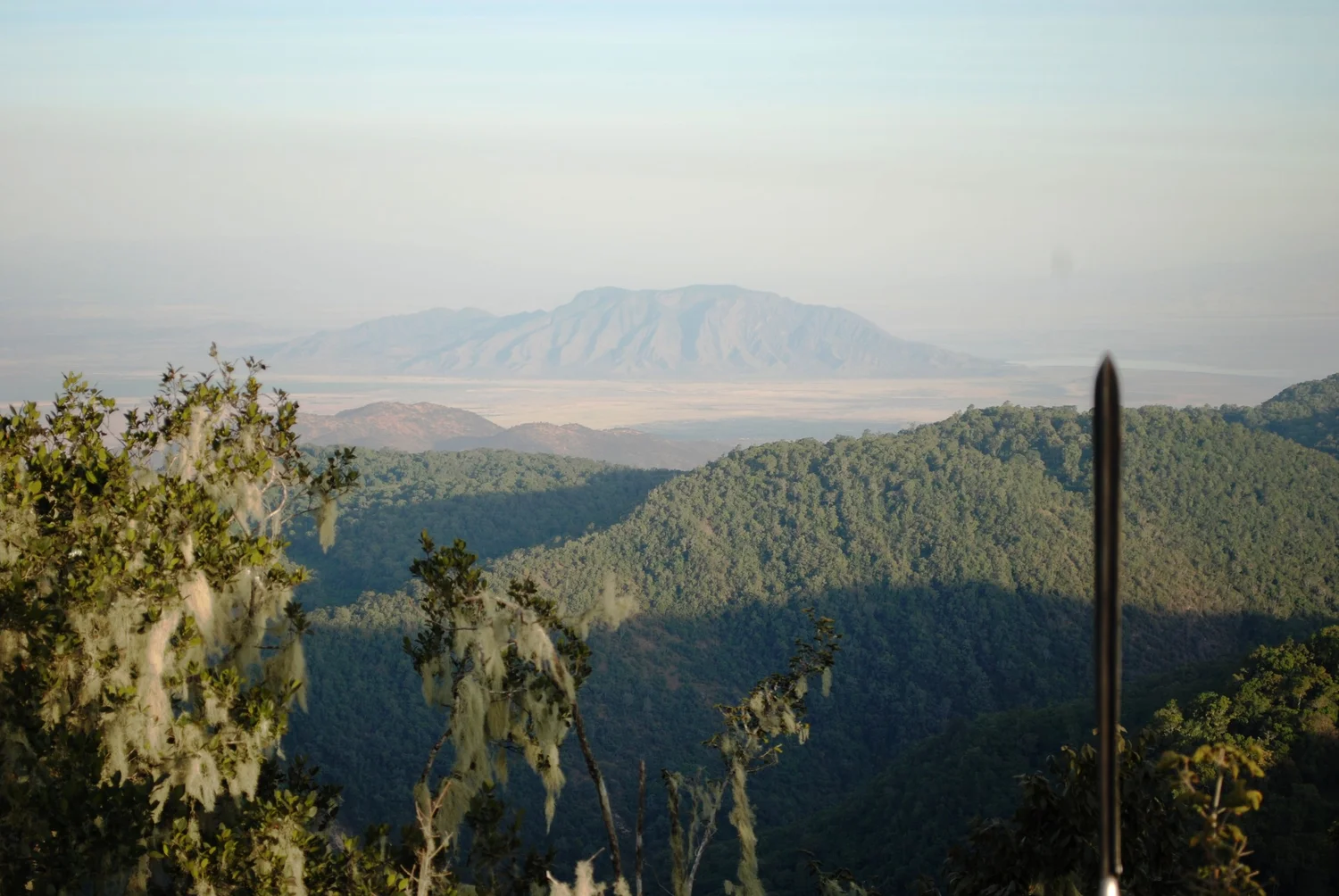
This is a region where local people’s way of life is so closely intertwined with the natural environment that it is hard to distinguish between them in many ways. Just east of the world famous Maasai Mara National Reserve, the Loita Hills form part of the Greater Maasai ecosystem of western Kenya, but offer a totally different Safari experience to that found on the bustling plains of the Mara. This region of beautiful countryside is characterized by rolling hills of green, deep valleys and dark canyons covered in dense regrowth and tall trees that stretch back centuries.
There is a reasonable range of amenities within reach at Narok town, the largest urban center within reach. After that, however, the journey to Loita becomes remote and beautiful and it is the remoteness which is a major component of the camp’s charm – it is off the beaten track, and the feeling of being in a true wilderness setting is unforgettable.
Why Loita Forest Is Called Kenya’s Last Indigenous Forest
Large-scale agriculture, commercial logging and exotic timber plantations have transformed much of the landscape in Kenya, but the Loita Forest is different. Known locally as Naimina Enkiyio, or the Forest of the Lost Child, it is often referred to with somber reverence as Kenya’s last indigenous forest. At high altitude, it is one of the country’s only remaining closed-canopy forests, and although it is technically un-gazette and un-protected, local communities safeguard it.
Many of Kenya’s major forests are under threat due to rampant encroachment and degradation. Forests like the Mau Complex and the Aber dares are increasingly losing out to farmlands, real estate and human settlements, yet the Loita Forest has miraculously survived for centuries as a pristine forest. The main reason the last indigenous Forest has so far not been touched lies in the hands of the Maa community living in its borders. The Loita Maasai consider the last indigenous Forest a communal heritage that has been left in trust to their generation.
Loita forest is protected in the true sense by a set of ingenious bylaws and a profound belief by the Maasai of what is good for them and the forest. To the Maasai of Loita forest, the last indigenous forest is not a resource to be cut down or mined for profit. That thinking comes from outside. To the Maasai, the last indigenous forest is sacred. The model of community-driven conservation here is a grassroots effort and a global model for the kind of environmental and anthropological work that is now taking place at Loita.
Natural Beauty of the Loita Hills Landscape
The Loita Hills have an otherworldly beauty. Unlike the sun-scorched landscape of the lower savanna, the hills are permanently damp and green. With an elevation above 2,000 meters, the Loita Hills function as a water reservoir for the lower terrain, catching moisture from clouds and mists. The climate is cool and wetter than that found below, remaining “wet” throughout the year.
The topography is a masterclass in natural diversity:
- Misty Highlands: Our views from Loita are typically wake-up calls at dawn, with morning mists which hover at about eye-level for the first hour or so of daylight before gradually clearing to a bright, beautiful day with green hillsides in full swing.
- Deep River Valleys: The hills are sliced by numerous permanent streams and rivers which have chiseled out hidden valleys over thousands of years.
- Natural pools and waterfalls provide secluded areas of outstanding beauty; clear water cascades over mossy boulders into natural swimming holes.
In terms of flora, the last indigenous forest offers some of the most spectacular sights, dominated by huge Podo and Cedar trees some hundreds of years old. The thick forest undergrowth is made up of a carpet of ferns and orchids, while supporting a marvelous though often invisible population of Loita’s creatures. In contrast to the open plains where almost all the wildlife is plainly visible, here creatures tend to blend into the forest surroundings.
Black and White Colobus monkeys laze in the trees. Bushbucks, Vervet Monkeys and a host of Birdlife inhabit these rich Woods which are highlighted by the brilliant colors of Turacos and a host of Species of Butterflies.
Cultural and Spiritual Importance to the Maasai Community
The rolling hills of the Loita Conservation Area are the very heart of the Maasai’s ancestral home, and for the Loita Maasai the hills are not just where they live, but are indeed a core part of who they are as a community. Perhaps the most traditional of all Maasai groups in Kenya, they have avoided the ever present Westernization that has taken hold in areas closer to Nairobi or through the gates of the famous Mara.
A Sacred Sanctuary
Forests are often where the most sacred Maasai rituals take place. This is where boys become men, and where the community’s elderly come to pray for rain, or ask for guidance. The last indigenous forest is an important site that shapes how people use the land. Certain patches are off limits, whether it be to chop down trees or allow livestock to graze, because they are believed to be inhabited by spirits, or to be the site of the most holy of ceremonies
The Living Pharmacy
The Maasai of Loita have a vast knowledge of the forest’s plant life. The last indigenous forest acts as a living pharmacy with the majority of the treatments derived from the forest’s trees in the form of bark, roots and leaves. These treatments are given for simple ailments such as stomach upsets as well as more complex cleansing rituals that are an integral part of Maasai culture. Traditionally the knowledge is passed down from older generations to younger generations. This ensures the Maasai are still the main beneficiaries and caretakers of the last indigenous forest.
Why Loita Hills Remain One of Kenya’s Least Visited Destinations
While the Maasai Mara pulls in the tourists by the hundreds of thousands, the remote Loita Hills remain one of Kenya’s most off the beaten path destinations. And it remains that way on purpose, thanks to ongoing conservation efforts that have protected both the landscape and its Maasai inhabitants from widespread tourist development.
However, unlike other tourist hotspots where commercial cultural tourism has served to strip indigenous cultures of their worth and use gullible visitors to exploit them for profit, local community members have expressed relief that ethical community tourism options are beginning to emerge in the area.
There are no large luxury safari lodges or paved airstrips to Loita Hills and no staged Maasai dances on a schedule. If you happen to be visiting and see a Maasai ceremony, it will be because it is taking place for the community concerned, not for the sake of the photograph. Loita Safari Camp offers a truly authentic and off the map safari experience that is not for the faint hearted and demands a degree of hardship and travel involved that few tourists experience.
Best Time to Visit the Loita Hills
Travel to the Loita Hills is at the best, weather permitting, as these incredible highlands do not have all-weather roads and must be climbed at the correct time of year.
Dry Season (June to October): Considered the best time for trekking and wildlife photography, this period provides clear trail conditions, fewer obstacles when taking steep ascents and descents, and cool temperatures throughout.
The Short Dry Season (December to March): Another good time to visit the reserve as the skies clear up bringing great views of the surrounding Great Rift Valley escarpment and vistas across the Mara plains.
The “Rainy Seasons” in Southern India- April-May (after the monsoons have passed) and November (before the full monsoons start)- are challenging to access. Monsoon rains turn roads made of black cotton soil into deep mires, making travel difficult or impossible, while forest trails can become incredibly slippery and even climbable slopes collapse. However, for those intrepid enough to make the journey, the rewards are an un-lovely landscape made beautifully wild and profuse.
Things to Do in the Loita Hills
Guided Walks in the Sacred Loita Forest
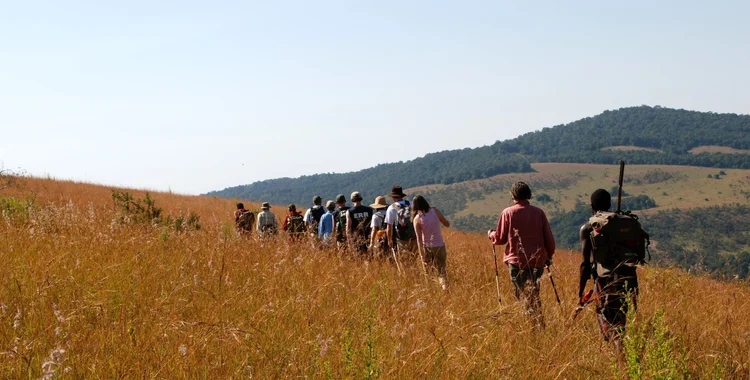
Sensory overload is what you get when you go for a walk through the Loita Forest. Your Maasai guide who grew up in the woods will point out leopard scratch along a tree trunk, use a wild pepper plant to rub salve into a scratch, or whistle and ask if you can hear the bird. The last indigenous forest is an incredible space – so incredibly beautiful it would be almost painful were it not for the profound silence that inhabit it. The walks are slow, meditative, and excellent.
Hiking and Trekking Across the Rolling Loita Hills
Trekking in the Loita Hills of East Africa offers some of the most fantastic treks in the region, challenging yet rewarding with breathtaking ridges giving amazing views right down to Tanzania. A particularly exciting trek takes you from the forest edge right down to the floor of the Great Rift Valley. We set up a wonderful camp at night at these high-elevation ridges and watch the stars twinkling into night as the African night fills with noises of strange insects and animals.
Bird Watching and Wildlife Observation
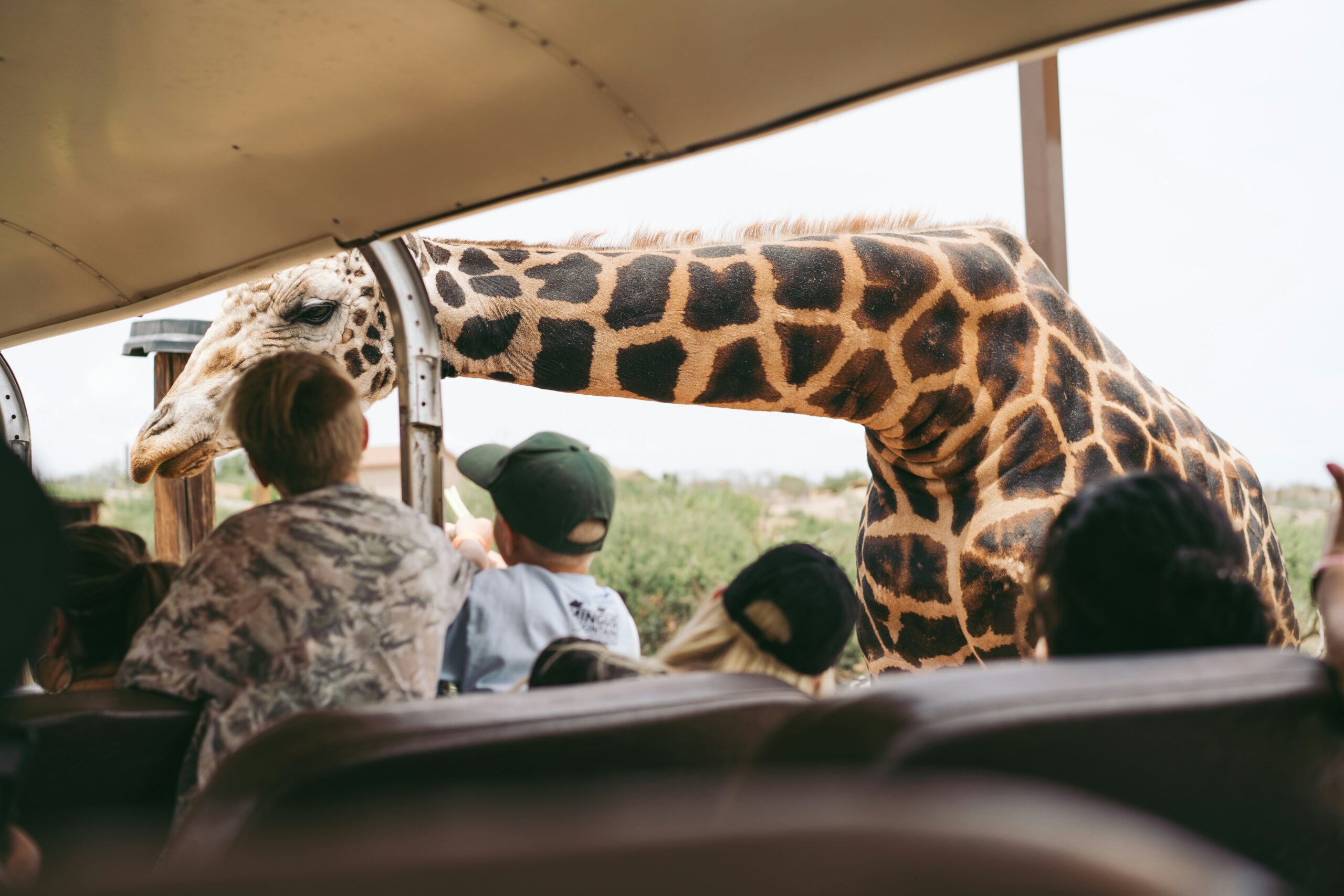
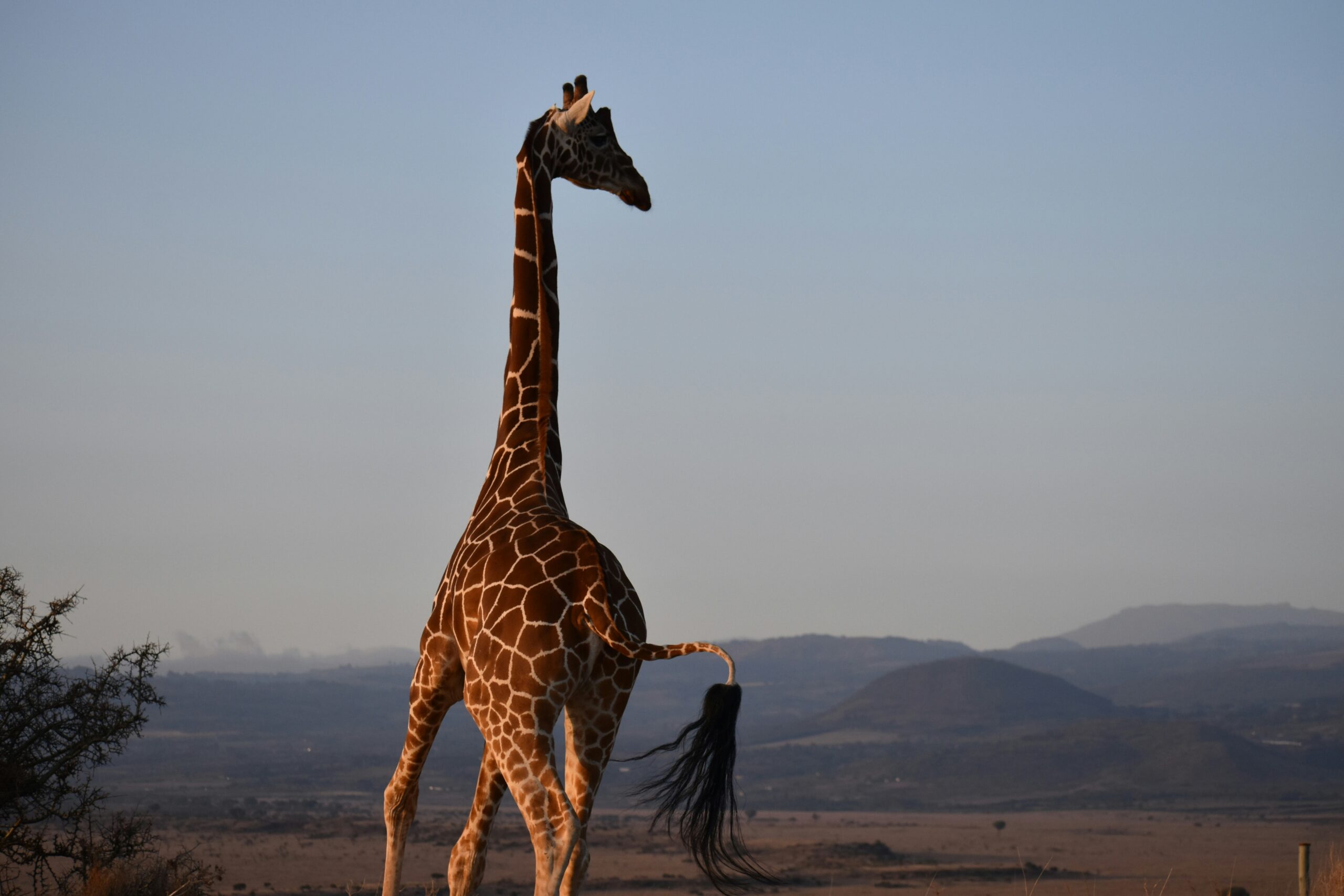
For the birder, Loita must be absolute heaven! The birding varies from montane forest to open moorland and of course there are the thermals on which to scan for the raptors including several species of eagle. While you will not see the Big Five in the same numbers as in the Mara Valley, there is little quite as exciting as tracking down a forest elephant or seeing a giant forest hog which are rarely seen by visitors due to the restricted access to this area.
Photography and Scenic Exploration
Loita Hills offer endless opportunities for photographers and content creators. The dramatic landscapes, misty forests, traditional Maasai villages and colorful culture provide perfect subjects for photography. Whether a professional photographer or taking pictures, Loita provides unique and unspoiled scenes.
Medicinal Plant and Herbal Learning Tours
We can’t find much on educational outlets in Loita that focus on the region’s flora, so this is a great find. Your tour is conducted by a local herbalist, typically an elder from the region. He or she will show you the many uses of the Olamai tree including its antibacterial properties. You’ll also see the uses of the Ol-misigiyioi, or Sandpaper tree. This is a unique look into sustainable living.
Horse Riding Through Maasai Land
In some parts of the Loita Hills, visitors enjoy guided horse riding through the open plains and gentle hills. Riding through Masai land on horseback gives a unique perspective of the landscape and allows travelers to explore areas that are difficult to reach by vehicle.
Mountain Biking and Off-Road Adventures
For the thrill seekers, the cattle tracks and dirt roads provide a great network of single track mountain biking trails, often bumpy and rough, traveling through the last indigenous forest edges and between the Maasai manyattas.
.
Stargazing in One of Kenya’s Darkest Skies
Loita is one of the best places in Kenya for stargazing. On clear nights, the sky is filled with bright stars and visible constellations.
As modern development continues to change many parts of Kenya, Loita Hills still stand as a powerful symbol of community conservation and respect for nature. Protected for generations by the Masai people, the last indigenous forest remains one of the indigenous ecosystems. By supporting responsible tourism and respecting local traditions, travelers help ensure that the unique landscape survives for many years to come.
The Future of Loita: A Symbol of Hope
As modern development, infrastructure and climate change continue to alter the landscapes of Kenya, the Loita Hills are a beacon of hope as a model of community conservation. The last indigenous forest still stands as testament to the ability of indigenous communities to manage their land using their own traditions when given the power and voice to do so.
Loita is not just where travelers go on holiday, it is also where they make a difference by supporting a culture and ecology oriented over profit tourism model. Visiting the last indigenous forest while supporting the Loita Maasai community through low-impact, responsible tourism can ensure that this natural oasis is never truly lost to the world, and can continue to inspire future generations. The stillness and natural beauty of the Loita Hills is a powerful and evocative place that reminds us of the Earth as it once was, new and untouched.
Do you have a specific area of Loita Maasai traditional conservation methods you would like to explore in further detail?