I. Introduction.
The two lakes could not be more different. For a start Lake Naivasha is a freshwater lake set in a wonderful setting of yellow bark acacia trees and geothermal sites to explore by bike while, Lake Nakuru is a dramatic alkaline soda lake in a national park and famous for its prehistoric rhinos, tree climbing lions, elusive leopards and its wonderful sunsets and views.
When comparing Lake Naivasha vs Lake Nakuru it is important to more than just compare the two lakes. The experiences that you will get from each of the lakes are of a completely different nature. On one hand you have a fresh water lake with a fresh water experience full of yellow acacia trees, geothermal vents, and many other features.
You can cycle along the lake and explore all of the features of the lake and its surrounding area. You can also take a boat trip around the lake and get up close and personal with the many animals that reside on the shores of the lake including zebras and giraffes.
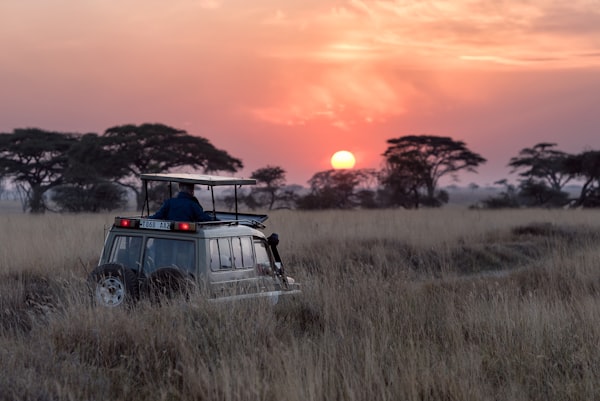
On the other hand you have a salt water lake with an experience that is full of excitement and adventure. A safari to Lake Nakuru is a chance to experience the deep wilderness of the Rift Valley in a 4 wheel drive vehicle, with the possibility of seeing a wide variety of animals including prehistoric rhinos, tree climbing lions, and elusive leopards.
In this definitive guide to Lake Naivasha vs Lake Nakuru, we cover everything you need to know about both lakes. We include the wildlife density, costs of activities and more. We have also broken down the travel time to and from both lakes as well as information about the various accommodations that are available. Our guide will help you to choose the best destination for your Kenyan itinerary.
II. Geographical Overview and Accessibility.
The route down into the Great Rift Valley for a road trip out of Nairobi is always exciting. The classic A104 road is a winding affair, with an ever changing view of the escarpment dropping down to the valley floor. However, planning a road trip to two lakes in very different locations is a matter of understanding the travel logistics to each.
First up is Lake Naivasha. In terms of a closer, more accessible trip from Nairobi for a night or two Lake Naivasha is closer at roughly 90km northwest of Nairobi. From Nairobi it takes around two hours depending on the inevitable traffic between Limuru and Nairobi.
The roads to Naivasha are fully paved, it’s a straight shot down South Lake Road, the entrance to which is off the main A104 Highway. At the junction of A104 and South Lake Road there are huge Acacia Trees, providing tall green canopies which make for a stunning photo. As a self drive weekend trip to a camp on the Lake Naivasha water’s edge it’s a real winner, easy to manage in a hired 2 wheel drive car or even a small hire 4 wheel drive.
A journey to Lake Nakuru is quite different and more tiresome, when compared to the route to Lake Naivasha. Lake Nakuru is about 160km north of Nairobi, approximately a 3 hour drive along the highway, passing through several large towns along the Rift Valley, finally arriving at the city of Nakuru, from where the national park gates are just a short drive. The park itself is a completely different world, with its own contrasting geographical, terrestrial and wilderness characteristics.
Beyond the actual roads to the lakes themselves there are many geographical aspects between Lake Naivasha and Lake Nakuru that offer up much contrast too. While Lake Naivasha is a wonderful, fresh water lake at a very high elevation (of some 1,884 meters / 6,170 ft above sea level), situated within lush green settings and surrounded by lush papyrus swamps in all directions, Lake Nakuru is a shallow and also a very alkaline (or rather: soda-like) lake.
Situated within a huge and typical grassland setting that drops away sharply down from the many rocky ridges in the area, towards great Euphorbia and acacia woodland settings too.
III. The Wildlife Showdown.
Many first time visitors to East Africa for a safari, assume that Lake Naivasha and Lake Nakuru are two locations found within East Africa to see wildlife on a safari, and therefore can be described by the same characteristics when comparing each other. They are two completely different ecosystems, worth visiting both, depending where you want to experience your safari.
The Wildlife on show at Lake Naivasha Freshwater Animals – Hippo’s being the largest species of Freshwater Animal that can be observed on Lake Naivasha. I have never been disappointed when sitting in a small boat, watching the sun set over the water, that I have not heard the calls of the Hippo’s from just 50 yards in front of me.
Many of the Hippos in Lake Naivasha are very active, unlike those found in Lake Nakuru’s saline water. There are several occasions when I have seen a Hippo emerge from the water and cross the lawns of the Hotels and Lodges, feeding on the grass as they make their way. This large creature is an interesting one to observe.
Another animal that is found frequently at the Lake Naivasha waters edge is the African Fish Eagle. Found perched high up in trees for example Yellow Fever Trees with exposed skeletons or dead branches amongst live leaves, they wait patiently for long periods of time for a moment to grab a fish from the waters edge of the water.
The majority of fish found in Lake Naivasha are Tilapia that are constantly jumping out of the water and re-entering it creating small ripples on the surface, this gives the perfect opportunity for an African Fish Eagle to swoop down from its perch and grab itself a healthy meal to eat.
Naivasha wildlife safari’s greatest asset is the Crescent Island Sanctuary, a wildlife haven on a small island in the middle of Lake Naivasha in Kenya.There are no large predators here such as lions or hyenas therefore walking safaris on the island are allowed and are absolutely unique because you are able to walk amongst wild animal such as giant Hippos, Wildebeest, Mongoose, Zebra, Giraffe’s as well as birds found on the island.
The herbivore animals in the sanctuary roam freely through grasslands and depending on season, will search for greener pastures and water throughout the island. Being on foot here offers visitors a truly up close and personal encounter with wildlife in Kenya unlike what is found in normal national parks where animals roam freely but are mostly seen from the inside of a 4 wheeled drive vehicle.
On the other hand, there is the chance to experience a safari that most safaris fail to deliver in terms of tracking heavy predators in a healthy ecosystem, in other words a full and complete safari experience from the confines of a well maintained 4 wheeled drive from your seat on safari. With the focus on big and rare animals you will be guaranteed to see all the Big Four of Lion, Leopard, Buffalo and Rhino.
And, of all the places in East and Central Africa, Lake Nakuru is one of the most successful sanctuaries for the conservation of both the endangered Black and White Rhino, with well over thirty black animals and five black and two white White Rhino scattered throughout the Park, in particular, several family groups of Black Rhinos with large bull guarding the ladies.
White rhinos of the Lake Nakuru Sanctuary are another highlight of my wildlife safari experience. This sanctuary is home to over 30 black and white rhinos, some of them in family groups. Large white male bulls can be found in the grassy areas of the lake’s shoreline and are so peaceful in their natural surroundings. Occasionally a tantrum can occur when a rhino suddenly charges off, crashing to the ground in a heap of fur and horn.
The predators at Lake Nakuru far outweigh the wildlife found at Lake Naivasha, primarily due to the large numbers of Rhinos found at Lake Nakuru, both the Black species found globally and the White species found in certain parts of Africa.
There are few animals greater than a Rhinoceros and none more iconic than the White variety. A family of Rhinos are cropping the grass as if unaware of the others presence and all are in a fantastic scenery of the lake providing the perfect backdrop to a fantastic safari experience. There are also huge numbers of Black Rhinoceros that have been found at Lake Nakuru making it a true treat for any animal lover to have an encounter with such a mysterious creature.
True predators will love the wildlife of Lake Nakuru, with her Tree-Climbing Lions, many large big cats including healthy numbers of Lions, Leopards and Hyenas as well as loads of other predators. One of the best places to spot these animals is from the rocky outcropping known as Baboon Cliff, offering breathtaking views over the rest of the national park.
With its own special Eco-system and large amount of water in the form of Lake Nakuru, it’s possible to spot Leopards in trees from this vantage point, lounging about in the thick Euphorbia forest as well as basking in the sun in the exposed clearing. Seeing a Leopard up close is a thrill that few can match and one that will leave long-lasting memories of your time on Safari.
The big difference then, in this Showdown, between Lake Naivasha and Lake Nakuru are the experiences that are afforded by the two very separate eco-systems. Naivasha offers very intimate encounters with the fresh-water species and all herbivores, in a walking safari or from a boat. Lake Nakuru then, on the other hand, offers the classic, raw and highly successful safari experience where clients go to track the heavy weight Predators and other rare species of the megafauna from the high vantage point of a 4×4 Safari Vehicle.
IV. The Flamingo Factor.

A vision that many associate with the Great Rift Valley, is of a long stretch of brightly colored shallow water, often a neon pink, of a lesser flamingo colonized lake, often of a bright blue color.
A few years ago this was probably the most known symbol for tourism in Kenya, Lesser Flamingos living in their hundreds of thousands at Lake Nakuru, known to have reached a maximum of 1 Million birds, in shallow alkaline water feeding on the rich blue-green Spirulina algae. Many years of excellent tourist photography have ensured that images of the Nakuru flamingos are regarded around the world as being the very best of this species.
Yet these changes over the last decade in the tectonic plates and the water levels in the Rift Valley mean that many of the Lakes are under stress and have undergone considerable change. I have to manage clients’ expectations greatly as to what they can see on Nakuru as the water levels in the Lake have greatly increased and the water is far deeper and less alkaline than it was prior to 2005 which is when the spirulina algae that the lesser flamingos eat began to decline dramatically.
This being said the Flamingos have moved to other areas of the Rift Valley but in great numbers can still be seen on the mud shoreline of Nakuru, depending on the time of year you visit however the numbers can vary from thousands to many tens of thousands.
So where are the flamingos of Lake Nakuru?. Most have moved to other alkaline waters such as Lake Bogoria or Lake Elementaita with shallower waters, which have more Spirulina. Thousands of lesser flamingos now reside around the muddy shoreline of Nakuru depending on the time of year. It is possible to see thousands but the large pink masses of millions of birds seen before are not guaranteed to be seen. This is how birdwatching is ecologically realistic these days.
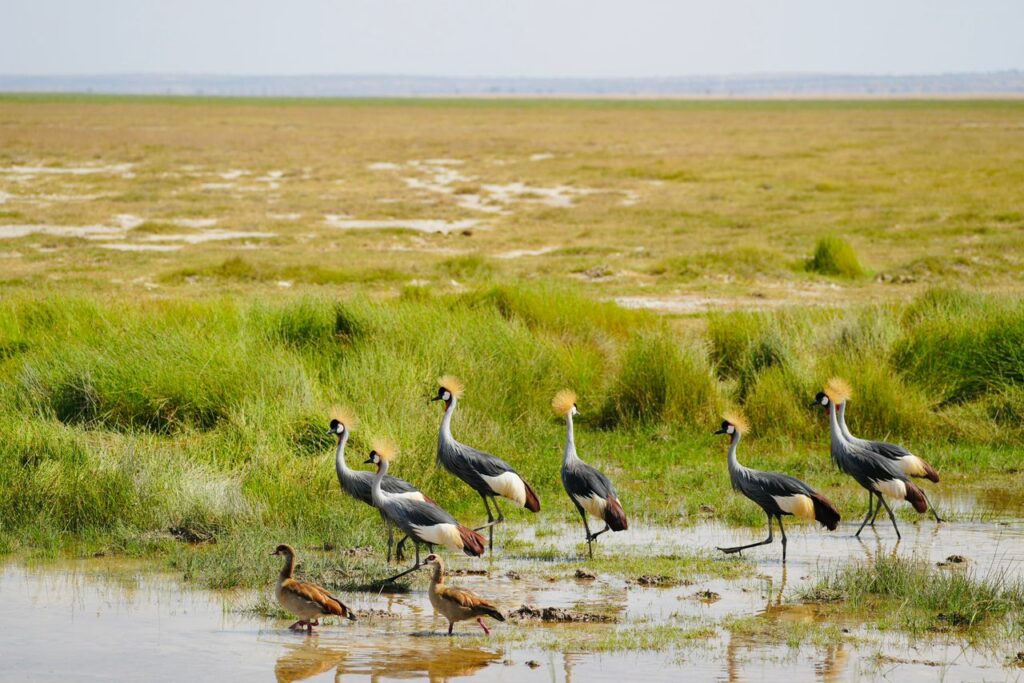
Birdwatching on Lake Naivasha vs Lake Nakuru. In terms of flamingos as featured in most adverts about the Great Rift Valley, Lake Nakuru is the only place to go, in the sense that whilst thousands of lesser flamingos can often be found near the mud shore of Lake Nakuru, often by the thousands, the numbers can fluctuate dramatically depending on the time of year and in general Nakuru’s birdlife is far more influenced by the lake’s changeable and inherently unreliable eco-system.
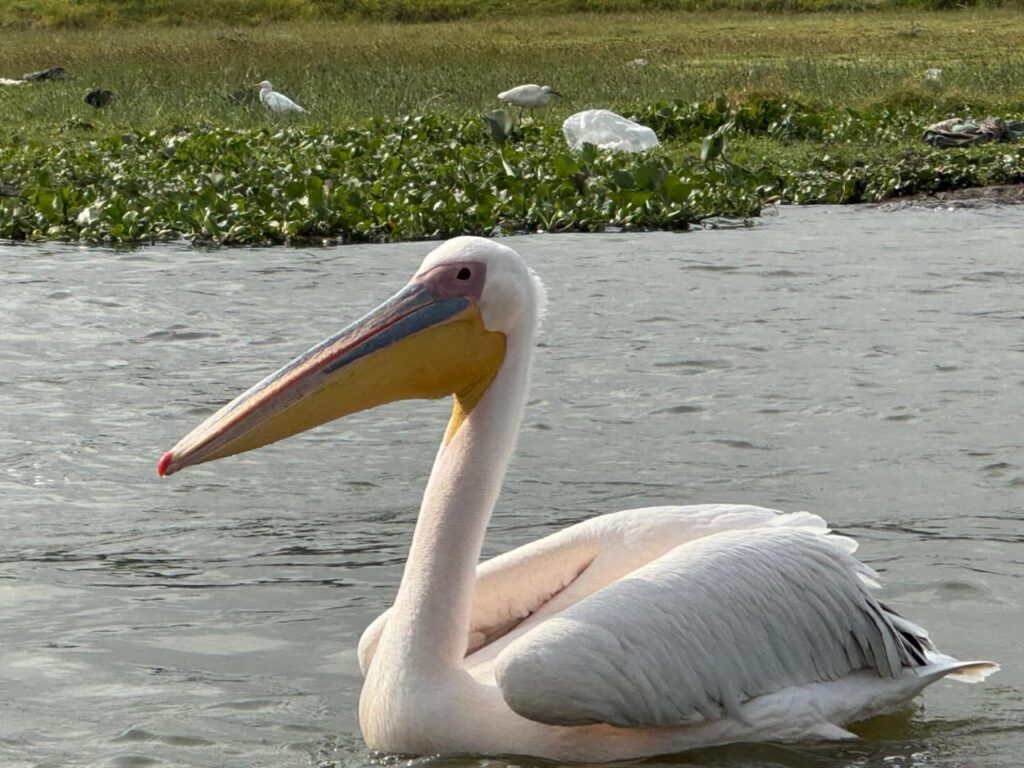
It is best to go to Lake Nakuru with a modern ecologically realistic impression of the birdlife that can be found in the Rift Valley. In terms of fresh water Lake Naivasha is always going to offer a completely different set of birds, mostly larger, such as, white pelicans, numerous species of storks, fish eagles and many more birds of water than Nakuru can ever hope to offer.
V. Activities & Experiences: What Can You Actually Do?.
After getting a feel for the two different landscapes that consist of the two lakes and the diversity of animals that inhabit the area around both lakes we will focus on the different activities that you can participate in to fill your days in the vicinity of both lakes.
This section is called Beyond the Game Drive: Public Lake Naivasha activities and Private Lake Nakuru National Park Game Reserve activities. Both public Lake Naivasha and private Lake Nakuru National Park offer the active traveler a diverse range of physical activities including Game Drives, whilst private Lake Nakuru National Park is primarily a first-rate game reserve with the main activity being a Game Drive.
In Public Lake Naivasha there are so many more fantastic things to do than take a Game Drive: Within the landscape of the Game Drive there are many more activities within Lake Naivasha shown right is an image of a private boat safari on Lake Naivasha here you would be out on the lake within a motorized wooden boat (with local guide) to explore the floating water lilies on the shoreline and the deep channels of the lake within which Hippos reside and every now and again will ‘yawn’ with mouth wide open.
And then there are the birds and the local boat captains have a special relationship with the African fish eagles, indeed with a sharp whistle and throwing of small fish into the water they can ‘call down’ these birds within seconds in front of your very eyes!
More of physical activities for the guest at public Lake Naivasha can be found outside of Game Drive: Shown right is an image of a private boat safari on Lake Naivasha – here you would be out on the lake within a motorized wooden boat (with local guide) to explore the floating water lilies in the shoreline and the deep channels within which the hippos can ‘yawn’ with mouth wide open.
When it comes to the birds, the local boat captains have a special relationship with the African fish eagles, indeed with a sharp whistle and throwing of small fish into the water, they can ‘call down’ these birds within seconds in front of your very eyes! After your safari trip around Lake Naivasha proceed to Hell’s Gate National Park.
One of the few Kenya National Parks, where visitors are allowed to walk, hike, bike, and even rock climb, here, cyclists may rent sturdy mountain bikes at the main park gate, Elsa, and explore the many scenic red-dirt tracks, often running side by side to African wildlife: zebras, warthogs, bush-duikers and Thomson’s and Grant’s gazelles.
The landscape of Hell’s Gate National Park is dominated by huge, imposing, silvery columns of Obsidian and Basalt, including the famous Fischer’s Tower – as well as geo-thermal steam that looks like white columns in the distance.
The Adventure in Hell’s Gate National Park, a real Earthy Exercise Playground in Kenya, will cost you a fraction of what you pay for an experience of premium quality National Parks and Resorts in Kenya – like for example Lake Nakuru for where non-resident adults pay $90 per person per day. The rent for a sturdy mountain bike here for your physical activities will cost you a mere $10 per day.
On the other hand a relaxing day at Lake Naivasha can be spent at Elsamere, a Conservation and Education Centre formerly home to Joy and George Adamson of Born Free fame. The Centre is now a Heritage Site containing an impressive collection of East African Art and Curios. The grounds of Elsamere are surrounded by beautifully maintained gardens with lawns and patio areas where afternoon high tea can be served amidst yellow fever trees – and with a little luck Black and White Colobus Monkeys can be seen playing in the tree tops.
Adventure at Lake Naivasha primarily involves active adventure such as cycling, long treks and physical exploration around the lake. On the other hand, Lake Nakuru is best known as a first class wildlife reserve that offers its visitors Game Drives between early morning and late afternoon to spot as many species of wildlife as possible in the park.
The park is a premium enclosed National Park with many endangered species therefore the majority of Game Drives are conducted in 4 wheel drive safari vehicles along dirt tracks which eventually return to a designated viewpoint at the end of the Drive.
A typical day of our Lake Nakuru Big 5 Search starts early with an exit from your Lodge for an early morning Game Drive within the boundaries of the Lake Nakuru National Park. Late in the afternoon you will reenter your lodge, bringing an end to the days searches of endangered species within the premium enclosed National Park of Lake Nakuru.
You will depart from the park boundary following a number of dirt tracks. Along the way to the end of your day you will pass through areas of the park where the Lake runs up against the shoreline and continue into the dense Yellow Fever Forest.
This is the best place to view Black and White Rhinoceros. Following the circumference of the Lake you will ascend the rugged terrain to the upper slopes of the escarpment. From Baboon Cliff, one of the few views that you can get out of your 4 wheel drive vehicle, you will be able to look down to the cliff to view the Soda Lake below. Many of the animals found within the park’s boundaries frequent the cliffs in search of food.
In addition to views of the animals that reside on the face of the cliffs, you can also get up close and personal with the resident Rock Hyrax’s and Baboon’s.
Even further south on this circular tour of Lake Nakuru is the Makalia Falls which is a solitary single waterfall of about 10m/33ft down a volcanic face which can be viewed from a variety of angles during the wet season. Down at the base of the Makalia Falls there is a very short guided walk that takes you through to the waterfall and back which enables you to get to see this incredible hidden treasure. A cool, wonderful refreshing spot to take a break on a very hot day.
The comparison of activities to take part in at both Public Lake Naivasha and Lake Nakuru, has highlighted the fact that the Public Lake Naivasha far outweighs that of the Lake Nakuru with its earthy exercise playgrounds such as those on the shores of Public Lake Naivasha as opposed to the traditional methods of the Game Drives structured in the premium enclosed National Park of Nakuru for example to be viewed from the comfort of your luxury Safari Vehicle.
We wish you Earthy Exercise Playgrounds like Naivasha’s and the traditional ‘Game Drives’ structured,sanctuary viewed from the comfort of your luxury Safari Vehicle in National Park of Nakuru above all.
VI. Cost, Budget, and Practicalities.
By contrast, we break down the numbers comparing Lake Naivasha to Lake Nakuru in more detail, and from a basic pricing perspective, conclude that for clients wondering how to best budget for their safari experience, the two lakes are worlds apart, We as outfitters and safari operators, stress to our clients that it is very important to distinguish between these two beautiful lakes’ financial models and provide a breakdown in order to facilitate an informed decision and ensure our travelers obtain the utmost value for their buck.
Lake Nakuru is a Premium National Park, managed by the Kenya Wildlife Service (KWS). It charges a fixed conservation fee of $90 per day for non-resident adults, $45 per day for children and students to visit the lake and surrounding area for conservation area, KES 2,025 per day for Kenyan residents (KES 1,050 for children) and KES 1,500 (KES 750 for children) for East African citizens.
There is also a charge for entry with your safari vehicle to the conservation area. Smaller local 4x4s are charged KES 300 per day, while larger vehicles and those with trailers are charged KES 600 per day. Once you have paid the fixed fee for the conservation area, you may use all the roads, enter all the forests and enjoy the many scenic views within the conservation area without any additional charges.
Lake Naivasha, the other prime lake in the region, has no entry fee to the lake itself and thus it’s the number one destination for self-drive safari operators on a very tight budget. The costs for activities at Lake Naivasha are ‘modular’ in nature and thus you only pay for the specific experience you wish to have while on safari at Lake Naivasha.
A standard 1 hour boat ride on Lake Naivasha from a public jetty can cost between KES 2,500 and KES 3,500 for the entire boat and this can be split between up to 6 tourists and so each tourist pays around $20-$25 for the 1 hour boat ride.
A walking safari experience on Crescent Island Game Sanctuary can cost around $33 USD per adult non-resident with children paying around 16 USD per child, while Kenyan residents pay around 1,100 KES per person and citizens of East Africa pay around 800 KES per adult citizen.
To enter the scenic park of Hell’s Gate National Park to go for a cycling safari experience costs around 50 USD per adult non-resident and 675 KES per resident adult while citizens of East Africa pay around 500 KES per adult citizen. Once inside Hell’s Gate National Park as a scenic park there is a permit fee of 10 USD per person or 300 KES per person to cycle within the National Park.
As an example the entry charge for the walking safari on Crescent Island Game Sanctuary is $33 for non-resident adults, $16 for children. The charge for residents and citizens is KES 1,100 and KES 800 respectively. To enter Hell’s Gate National Park as a scenic park (on foot or by bicycle) costs $50 for non-resident adults, KES 675 for residents and KES 500 for citizens. In addition to the above a separate fee of $10 or KES 300 is required for a cycling permit.
In my breakdown to allocate your safari budget between Lake Naivasha and Lake Nakuru I clearly describe the financial dynamics and costs of both lakes. While Lake Naivasha is very popular with the budget-conscious self-driver due to its costs that can be as low as $20 per person for a boat ride on the lake, Lake Nakuru offers a higher-end experience of a curated national park with a unified entry fee which includes big-game like rare rhinos and predators.
A couple traveling on a budget can have a quality safari experience at Lake Naivasha for less than $60 per person for a short boat ride on the lake and a scenic walk among zebras on Crescent Island Game Sanctuary. But then again, even at premium pricing, Lake Nakuru offers a lot of value for money. The park gates and various sanctuaries within the lakes’ ecosystems accept M-Pesa and credit cards. It is, however, advisable to have small cash bills in both local currency and US dollars for the boat operators, local safari guides and other support staff.
VII. Accommodation & Lodging: Where to Sleep.
When you go on safari, the way you spend your time can be greatly affected by where you stay. And as I have outlined in detail in my previous two blog posts, there are two fundamentally different ways to spend your time on safari here around Lake Naivasha and Lake Nakuru. Hence when comparing two destinations, the options of accommodation have to be a very important aspect as well.
Then of course there are the decades of developed hospitality at Lake Naivasha’s Resorts. From the sprawling, manicured gardens where the free grazing animals roam, every time you go out to your glass doors morning, noon or night you can expect to see something Wild and Beautiful Giraffes and Water Bucks abound at the two premier Resorts of Lake Naivasha Lake Naivasha Sopa Resort and the historic Country Club situated on the shores of Lake Naivasha.
I believe that of all the destinations that we visited while traveling across Africa, Naivasha has by far the best Resorts. With acres of land to wander around in beautiful gardens containing a variety of Fever Trees, that provide welcome shade for guests to sit and read a book, stay cool while on Safari. But Naivasha is not just for the high end traveler, there are also many more low cost accommodation options at Resorts and Safari Lodges, Self-Catering Campgrounds and Safari Sites.
My personal favorite of the more basic type of accommodation would be Camp Carnelley’s – a Site of grassy pitches with banda-style accommodation, a mixed bag of International and local cuisine served up at the bar and restaurant located on the shores of the Lake, which attracts a variety of independent travelers – including many Backpackers and Party Animals, as well as families on Safari and groups of locals on a weekend getaway.
However, if you are serious safari goers then there are options within Lake Nakuru National Park. Sarova Lion Hill Game Lodge and Lake Nakuru Lodge would be excellent options for wildlife and resort. The guest can relax in their rooms and even from the verandas of the rooms sipping hot tea and listening to hyenas and owls calling for the night. The option of business type hotels, guesthouses and also airbnb within the town of Nakuru is also very cost effective for the travelers.
After having experienced both destinations during the day, I can say that the comparison between Lake Naivasha and Lake Nakuru mainly relates to two different kinds of safari experiences. On the one hand, you have the old, established, lakeside-style holiday in the bush. On the other hand, there is the rather more focused, enclosed, luxury style safari, with a main emphasis on the wildlife within the park itself.
For budget travelers, both places have a lot of options for camping or basic, self-serve accommodation. For the independent traveler on the road, as I am, Lake Naivasha has by far the most options for open-air camping.
VIII. Best Time to Visit and Weather.
In planning a trip to the Rift Valley, it is very important to understand the “season” in Kenya and how it affects a safari to both Lake Nakuru and Lake Naivasha destinations. The two dry seasons and two wet seasons in the Rift Valley affect both destinations in specific practical ways.
The two dry seasons, from January to the end of March and from mid-July to end of October, are the best times to visit Lake Nakuru and Lake Naivasha. Cool nights and warm days with very little to no rain characterize these months.
In Lake Nakuru the lack of vegetation makes it easier to track down rhinos and other predators as they congregate around the water sources which are drying up. In Lake Naivasha dry ground makes mountain biking through Hell’s Gate and walking on Crescent Island a real pleasure.
In contrast the two wet seasons, April to end June (longer rains) and November to end December (shorter rains) see the Rift Valley transform into a lush green belt of immense beauty. For travelers though, the comparison of Lake Naivasha vs Lake Nakuru turns to that of road access to both lakes. While it is possible to drive around Lake Nakuru National Park during the wet season, the lower section of the lakeshore can have thick mud on the dirt tracks and requires a good 4×4 and an experienced driver to traverse in safety.
On the other hand in Lake Naivasha heavy rainfall can pose problems for the afternoon boat safaris as strong winds can ensue and be against safety regulations, whilst cycling through the Hell’s Gate gorge can be particularly hazardous with the risk of sudden flash flooding.
Really it depends on you and when you can get to come. The two shoulder-seasons of the years; October and beginning of end of the year’s March; offer you the very best time to tour around the Rift Valley whilst having the wonderful benefits of good road surfaces, warm weather and few human masses of tourists– traveling alone or in groups and allowing for ample opportunity to quietly take in the true unadulterated peaceful splendor of Rift Valley landscapes upon which the great African skies stretch to horizons.
IX. The Head-to-Head Comparison.
After providing several comparisons between Lake Naivasha and Lake Nakuru now it’s time to stop providing comparisons and rather allow each traveler to choose based on his or her very own profile as to which destination is ‘Best’ for them.
1. The Time-Starved Traveler.
Another factor which I take into account when giving advice between Lake Naivasha and Lake Nakuru for the time-starved traveler on a short safari from Nairobi such as a weekend getaway is how much time will be required for traveling on the roads to and within the park as well as the amount of time spent searching for wildlife.
For example even a single night on a safari to Nakuru would require a minimum of 36 to 36 hours for the whole trip as the three hours drive down the highway would take up a considerable amount of time. Leaving early in the morning (6:30 am) would mean arriving back in Nairobi late in the evening (9:30 pm) on the same day and would truly, be a highway marathon Not really for the faint of heart, And quite honestly not something that most people would wish to do.
2. The Family Safari with Kids.
Another scenario to play out here would be that of The Family Safari with Kids. In the end, any good safari needs to offer plenty of opportunities for every member of a family to get something out of the experience.
But that means also ensuring that hours sitting in a vehicle will be kept to a minimum in order to stop even the very youngest of children losing interest or, worse still, turning into a human time bomb for a subsequent toddler meltdown.
To go on safari and experience wild animals in their natural habitat is something special for anyone and with children of a very young age this has to be done in the best way in order not to wear them out (and also the parents) but at the same time to make a positive impact so that they do get something out of it in the end. For families, therefore, Naivasha would be far better than Nakuru.
At Naivasha there are plenty of very fun things for children to do during a safari which will, without doubt, wear them out and offer plenty of truly memorable moments during which they can see wild animals up close in their own habitat.
Exploring Hell’s Gate National Park by bike for example will mean that families can go at their own pace to explore a very beautiful part of Africa in a very leisurely manner in order to see fish and hippo that live on the waters of a very beautiful lake and to run with a couple of very stripy zebras. It would be very easy to think of many more examples such as this to make the very most of your family safari holiday to Naivasha.
3. The Photographer’s Paradise
There are also other factors to take into account when choosing a lake to visit based on landscape. A safari can include other activities such as trekking and this would require a backdrop of dramatic geographical features and this would be better provided by a large lake with a mix of a large area of fresh water and of dramatic volcanic scenery of thick ridges and deep cliff faces.
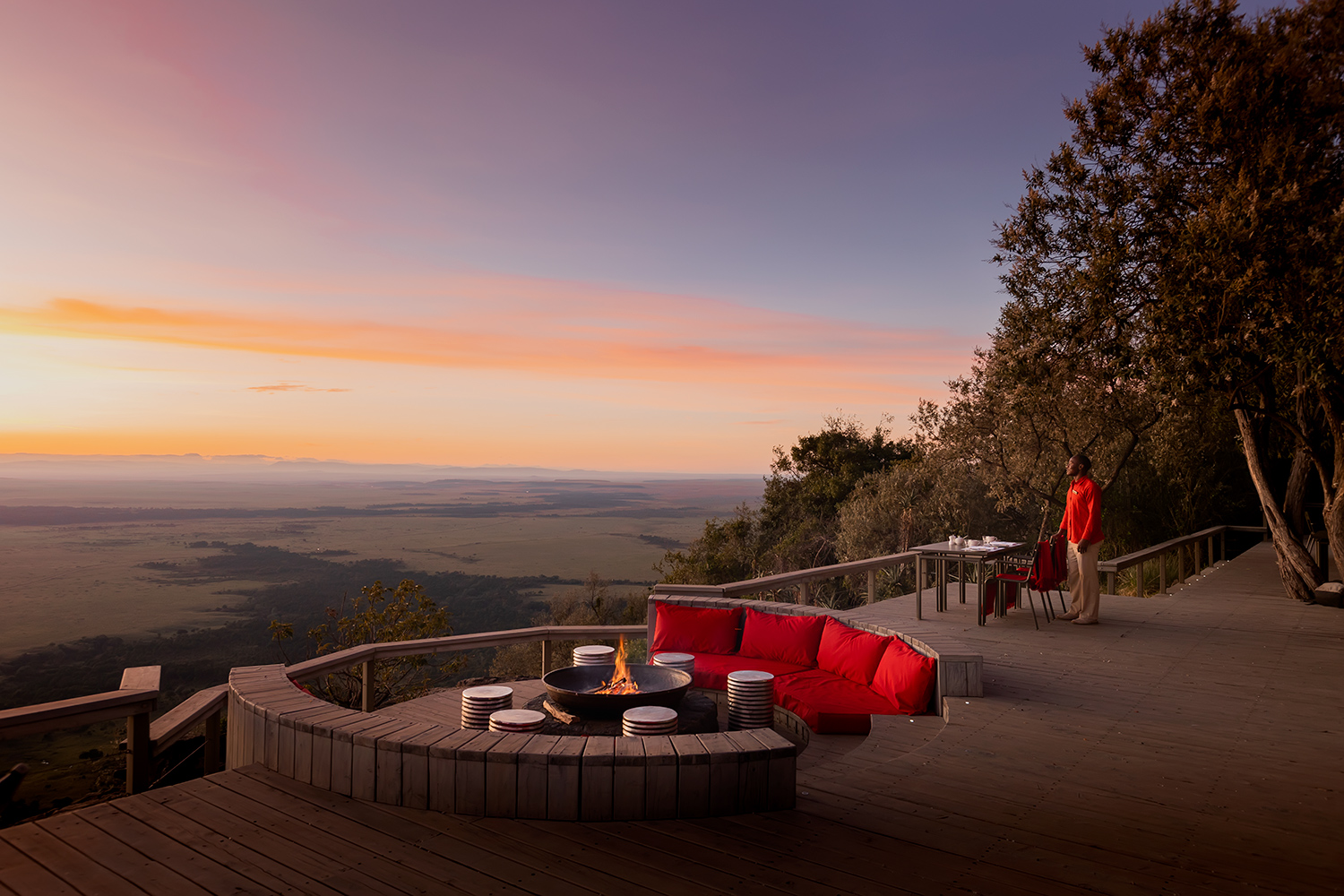
The best Lake for wildlife viewing with a scenic landscape is Lake Nakuru. Scenic horizons of wide open plain with a heavy concentration of mammals are more than a match for any other landscape for a photographer. Within this the golden hour or the time close to sunset, when the rim of the sun sets below the rim of a volcano provides some of the best shots ever.
This is in marked contrast to Lake Naivasha which offers an intimate canvas for your photographs of a freshwater lake surrounded by soft grasses and quiet channels of water set against a backdrop of quiet bush. The golden light which reflects off the water of the lake creates for some of the most romantic of photographs including those of birds, of water and of man trying to survive on foot within the natural environment.
X. Making the Decision: Who is Each Lake For?.
The final decision of whether to choose Lake Naivasha or Lake Nakuru for your safari holiday is really down to the sort of traveler you are and what sort of pace of holiday you are looking for in Kenya.
If you are a very active person who needs loads of physical freedom, who loves to be able to walk out of your accommodation and be among wild animals (herbivores) and are traveling with very active children who need to be constantly entertained and stimulated then Lake Naivasha is the perfect spot for a relaxed flexible self contained weekend break. With the ability to have any morning start and to completely be out of the rigid rules of a National Park you can sit on a lush green lawn with hippos emerging from the water as the sun sets!
Choose Lake Nakuru for the more classic, real safari experience, with a chance to go in search of the big cats, as well as the black and white rhinos that are here in great numbers and are fully protected.
With its open savannah and fantastic scenery of rocky outcrops and of dense euphorbia and acacia forests, Lake Nakuru National Park is a place that is simply made for the great outdoors. It’s a dream for photographers, with its stunning scenery and amazing wildlife, all set against the fantastic backdrop of the sun rising and setting over the lake, or shining down through the trees in the morning and afternoon.
And of course, if you simply cannot choose between Lake Naivasha vs Lake Nakuru and feel that both destinations would be fantastic for your safari holiday then the ultimate answer would be a 3-day split-stay safari, staying in the first destination for the first afternoon and night and then travel up to the second destination for the following couple of days.
So the plan could be to arrive at your safari holiday resort in the afternoon and go out on a sunset boat trip across the lake. Next morning after breakfast you could then cycle through the Hell’s Gate Gorge and afterwards drive up to the lake in Nakuru for lunch at a scenic spot.
The following day you then have a full-day game drive in the National Park with plenty of time to track down the Big 5, and to explore all of the different habitats within the park, returning to Nairobi in the evening for your connecting flight or transfer. This would be the ultimate Great Rift Valley safari holiday.
To summarize this Lake Naivasha vs Lake Nakuru post and why you should pick a 3 day split-stay safari, or not basically it comes down to how much an active outdoors type you are, and how hands on you wish to be with wild herbivores vs an iconic deep wilderness safari with true predators, big 5 animals tracking and enormous rhinos vs relaxing safari, seeing loads of animals in the savannah and exploring some spectacular landscapes to capture in huge photos. For those who really cannot choose between the two for their Kenyan holiday safari – a split-stay is the only option for the best safari holiday in Great Rift Valley.
XI. Conclusion & Final Thoughts.
Safari Adventure: Lake Naivasha or Lake Nakuru?. Two Great Options for Your Safari. We already explained in our last post that it is not possible to go on a cycling safari along cliffs made of volcanic rock around Lake Naivasha.
Yet exploring a beautiful lake on foot hand in hoof with giraffes, a wildlife tracking safari or following the huge rhinos’ spoor along the lake’s shore on a sunny day are only but a few of the endless possibilities of a Lake Naivasha or Lake Nakuru safari adventure.
So for your road trip safari first book a local safari guide and then off you go with your binoculars as the perfect starting point for your trip! Lake Naivasha vs Lake Nakuru. We present to you both possibilities for your next adventure!