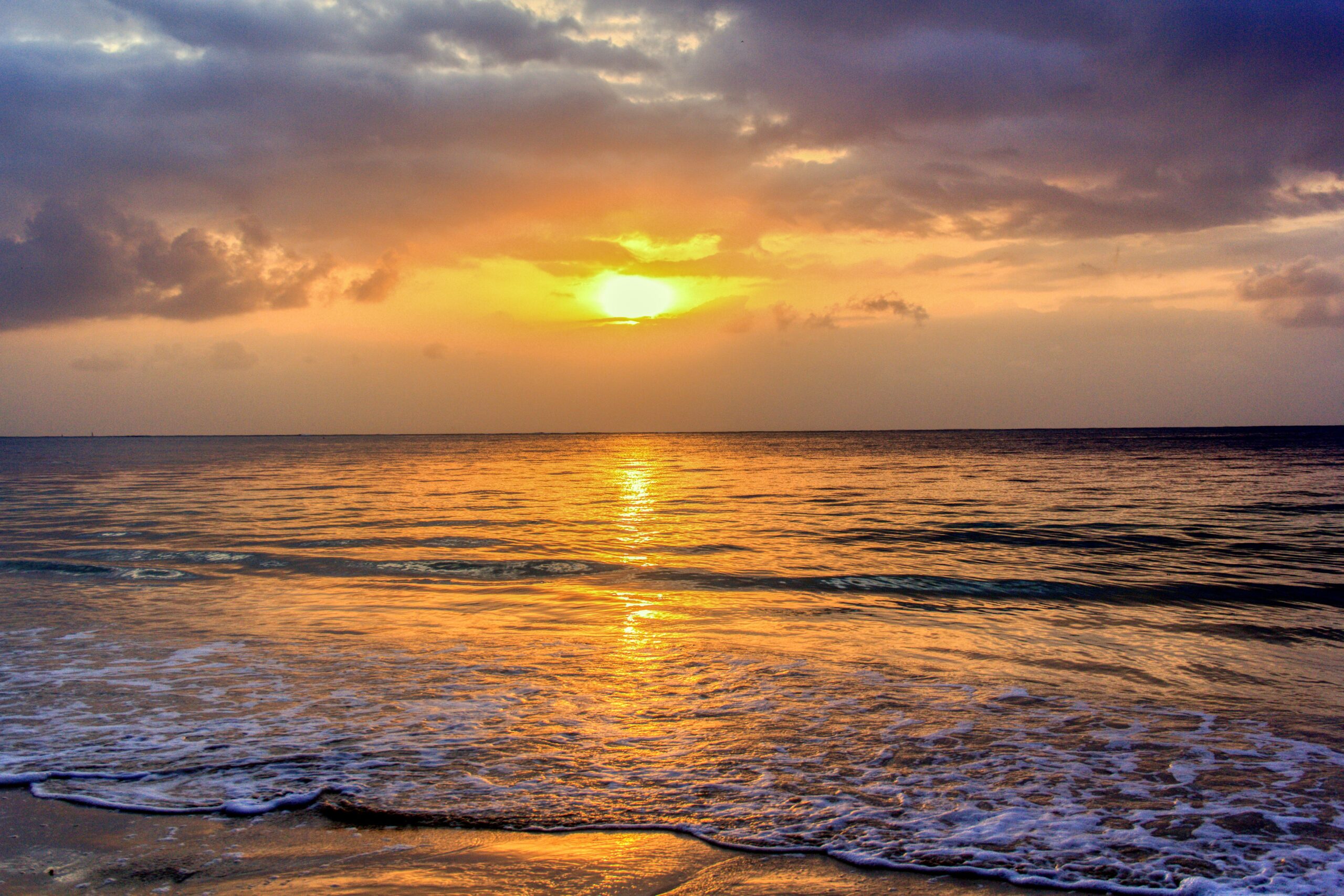
When people think of Kenya, iconic destinations like the Maasai Mara, Amboseli National Park, and Diani Beach often come to mind. Yet beyond its spectacular landscapes and famous wildlife, lies another side of Kenya that many travelers overlook. Exploring these lesser known historical sites in Kenya offers a valuable opportunity to uncover ancient ruins, sacred forests, forgotten forts, prehistoric caves, and centuries-old settlements that tell the story of Kenya’s rich cultural evolution.
Scattered across the country, these lesser known historical sites in Kenya are rare gems that offers unforgettable experiences for travelers seeking authentic adventures away from the crowds. They offer insights into Kenya`s diverse past while supporting sustainable tourism and local communities.
Why Visit Lesser Known Historical Sites in Kenya?
Visiting lesser known historical sites in Kenya allows travelers to experience the country’s culture without crowds usually found in most popular destinations. These sites preserve centuries of history and reflect the traditions, architecture and lifestyle of the communities that helped shape modern Kenya. Each visit helps safeguard Kenya’s invaluable heritage for future generations.
Thimlich Ohinga – Migori County.
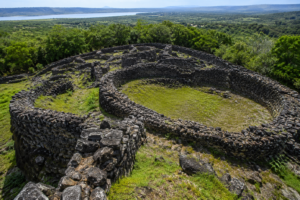
Hidden in west Kenya, Thimlich Ohinga is remarkable lesser known historical site in Kenya and one of East Africa impressive archaeological discovery. These misterious wall stoned structure is believed to have been built 500 years ago.
Recognized as a UNESCO World Heritage Site, Thimlich Ohinga provides valuable insight into early pastoral communities that once inhabited the Lake Victoria region. The settlement served as a fortified community where families lived, protected livestock and defended themselves from external attack.
Highlights
- Massive stone enclosures
- Ancient settlement remains
- UNESCO World Heritage recognition
- Rich archaeological significance
Takwa Ruins – Lamu County.
Located on Manda island its accessible only by boat, the Takwa Ruins are among Kenya’s most secluded historical treasures. It was once a Swahili trading town dating back to 15th century. The town features coral stone houses, an ancient mosque, tombs, and winding pathways that transport visitors back to the height of the Swahili civilization.
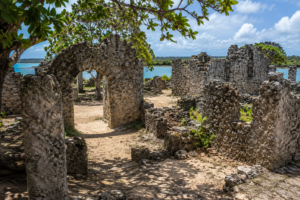
Surrounded by mangrove forests and pristine beaches, Takwa offers history in an unforgettable coastal setting. It flourished during the Indian Ocean trade before eventually being abandoned and becoming one of the most fascinating lesser known historical sites in Kenya.
Jumba la Mtwana – Kilifi County.
Situated just North of Mombasa, Jumba la Mtwana is an abandoned Swahili settlement dating to the 14th century. . The name “Jumba la Mtwana,” meaning “The Large House of the Slave,” is believed to have originated from local folklore, although the exact origin remains uncertain. The site features well-preserved mosques residential houses and tombs overlooking the Indian Ocean.
Walking along the coastline of Jumba la Mtwana and hearing waves crashing on nearby cliffs create a natural beauty and experiences hard to miss. Its significance of coastal setting makes it an excellent destination for photography, cultural exploration and picnics.
Highlights
- Ancient trade history
- Scenic Taita Hills
-
- Cultural storytelling
- Off-the-beaten-path experience
Mwariro Market Ruins – Taita Taveta County
Nestled within the Taita Hills are the remnants of the once bustling Mwariro trading center.
Centuries ago, this marketplace connected inland communities with coastal traders dealing in ivory, iron tools, beads, and spices.
Today, visitors can explore the ruins while learning about traditional trade routes that shaped East African commerce.
Mnarani Ruins – Kilifi County.
Found on the edge of Kilifi Creek, Mnarani ruins is a former Swahili settlement dating back to 14th century. Visitors can explore the remains of ancient mosques, coral stones buildings and elaborate tombs while enjoying views of the creek.
This lesser known historical site reflects richness of Swahili civilization and the importance of maritime trade along East African coast.
Siyu Fort – Lamu County
Siyu Fort is a lesser known historical site in Kenya located on Pate Island. Unlike many forts was built by Swahili people themselves during the 19th century. The fort served as a defensive structure against external threats. It symbolized local resistance and architectural ingenuity. It offers tourist and visitors insight into Swahili military architecture and local history.
Fort Jesus Underground Passages – Mombasa
While Fort Jesus attracts thousands of visitors each year, few explore its lesser-known underground chambers, tunnels, and hidden storage areas.
Built by the Portuguese in 1593, the fort witnessed centuries of conflict involving Portuguese, Omani Arabs, and the British.
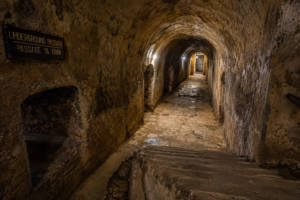
Exploring its hidden sections provides a deeper appreciation of the fort’s strategic military importance along the Indian Ocean coast.
Rabai Kaya Forest – Kilifi County
Often overshadowed by Kenya’s national parks, Rabai Kaya Forest is a sacred site deeply connected to the Mijikenda people.
The forest contains ancient fortified villages known as Kayas, where generations preserved cultural traditions, leadership systems, and spiritual practices.
Walking through the forest with local guides offers a unique opportunity to understand Kenya’s living heritage.
Shimoni Slave Caves – Kwale County
The Shimoni Caves tell one of Kenya’s most emotional historical stories.
During the East African slave trade, these limestone caves served as temporary holding areas before enslaved people were transported across the Indian Ocean.
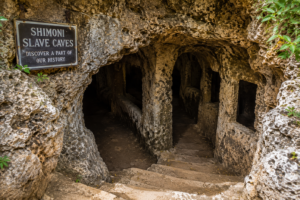
Today, guided tours educate visitors about this difficult chapter in history while promoting remembrance and cultural understanding.
Nearby Wasini Island offers excellent snorkeling and dolphin excursions.
The Importance of Preserving Lesser Known Historical Sites In Kenya.
The lesser known historical sites in Kenya are a living record of Kenya`s identity. They preserve ancient architecture, cultural traditions, ancient civilizations, thriving trade networks, colonial encounters, sacred traditions archaeological discoveries and stories that continue to educate future generations.
Protecting these sites helps researchers understand human history better while strengthening national pride and cultural appreciation.
Why Explore Kenya’s Lesser Known Historical Gems?
Kenya is renowned for its spectacular wildlife and breathtaking landscapes, but its lesser known historical sites reveal an equally captivating story. From ancient Swahili settlements along the Indian Ocean coast to prehistoric stone enclosures in western Kenya, these hidden gems showcase centuries of trade, cultural exchange, architecture, and resilience.
Exploring lesser known historical sites such as Thimlich Ohinga, Takwa Ruins, Jumba la Mtwana, Mnarani Ruins, Siyu Fort, Mwariro Market Ruins, Shimoni Slave Caves, Rabai Kaya Forest, and the underground passages of Fort Jesus allows travelers to discover a side of Kenya that many visitors miss.
These destinations offer unique benefits, including:
- Authentic cultural experiences away from crowded tourist attractions.
- Opportunities to learn about the Swahili civilization and Kenya’s rich archaeological heritage.
- Stunning photography locations featuring ancient architecture and dramatic coastal scenery.
- Educational experiences for students, researchers, and history enthusiasts.
- The chance to support local communities through cultural tourism and guided tours.
Whether you’re fascinated by archaeology, African history, or cultural heritage, Kenya’s hidden historical treasures provide unforgettable journeys through the country’s diverse past.
Frequently Asked Questions
What is the oldest lesser known historical site in Kenya?
Thimlich Ohinga Archaeological Site is considered one of the oldest lesser known historical site. Archaeological evidence suggests that the dry-stone settlement was established around the 15th century and served as a fortified community for pastoral societies in western Kenya. It is renowned for its remarkable stone-wall engineering and historical significance.
Which lesser known historical sites in Kenya are UNESCO World Heritage Sites?
Thimlich Ohinga Archaeological Site is a UNESCO World Heritage Site recognized for its exceptional dry-stone architecture and cultural importance.
Additionally, Rabai Kaya Forest forms part of the Sacred Mijikenda Kaya Forests, a UNESCO World Heritage Site that protects sacred forests and fortified villages central to the traditions of the Mijikenda communities.
Although Takwa Ruins, Jumba la Mtwana, Mnarani Ruins, Siyu Fort, Shimoni Slave Caves, and Mwariro Market Ruins are not individually designated as UNESCO World Heritage Sites, they remain invaluable cultural and archaeological landmarks that reflect Kenya’s rich history.
Are Kenya’s lesser known historical sites suitable for families?
Yes. Most of these lesser known historical sites are family-friendly and offer educational experiences suitable for visitors of all ages.
Children and students can learn about Kenya’s ancient civilizations, Swahili culture, archaeology, and the East African slave trade through guided tours and museum exhibits. Sites such as Jumba la Mtwana, Mnarani Ruins, Thimlich Ohinga, and the Fort Jesus Underground Passages are particularly popular for school excursions and family outings.
Parents should note that locations like Shimoni Slave Caves discuss the history of slavery, which may require age-appropriate explanations for younger children.
When is the best time to visit Kenya’s lesser known historical sites?
The ideal time to explore Kenya’s historical sites is during the dry seasons:
- June to October
- January to March
These months offer pleasant weather for photography, easier road access to destinations, and comfortable conditions for walking through archaeological ruins and cultural landscapes.
If you’re planning to visit coastal lesser known historical sites such as Takwa Ruins, Jumba la Mtwana, Mnarani Ruins, Siyu Fort, or Shimoni Slave Caves, the dry season also provides calmer sea conditions for boat transfers and outdoor exploration.
Inspired to discover Kenya’s lesser known historical site and their treasures? Contact Bison Safaris to create a personalized itinerary that combines ancient heritage sites, authentic cultural experiences, and world-class wildlife safaris for an unforgettable journey.