The Lake Naivasha vs Lake Nakuru sit majestically within the Great Rift Valley, offering unique experiences that attract thousands of visitors annually. When comparing Lake Naivasha vs Lake Nakuru, each offers distinct advantages that cater to different types of travellers. Choosing the best Rift Valley lake Kenya offers depends on your travel preferences, budget and the type of experience you are seeking. Lake Naivasha provides adventure activities and diverse wildlife encounters, while Lake Nakuru delivers classic safari experiences with guaranteed big game viewing. This Kenya lake safari comparison reveals significant differences in wildlife viewing, activities, accessibility and overall visitor experience.
Whether planning your first Kenya safari or return adventure, understanding the unique characteristics of these two remarkable lakes help you make informed decision. Both destinations showcase the incredible biodiversity and natural beauty that make Kenya a premier safari destination.
Lake Naivasha
Lake Naivasha stands as Kenya’s freshwater lake, positioned at 1,884 meters above sea level in Nakuru County. This stunning body of water spans approximately 139 square kilometres, though its size fluctuates with seasonal rainfall patterns. The lake’s freshwater nature sets it apart from other Rift Valley lakes, creating unique ecosystem that supports diverse wildlife and vegetation. The lake’s name derives from Masai word “Nai’posha,” meaning “rough water,” referring to sudden storms that arise on its surface. It surrounded by papyrus swamps and acacia forests, creating a picturesque setting that attracts visitors. The lake’s relatively shallow depth, makes it ideal for various water activities while supporting numerous bird species and hippos.
Lake Naivasha attractions extend to the surrounding area includes such as Gate National Park and Crescent Island Game Sanctuary. The lake supports Kenya’s thriving flower industry, with numerous flower farms dotting the shoreline fascinating study in balancing economic development with conservation efforts.
Lake Nakuru
Lake Nakuru occupies approximately 45 square kilometers but packs incredible wildlife density within Lake Nakuru National Park’s 188 square kilometers. This alkaline lake sits at 1,754 meters above sea level, creating the perfect conditions for algae that attract millions of flamingos during peak seasons. The lake’s alkaline nature, with pH levels reaching 10.5, creates unique ecosystem dominated by blue-green algae. This alga serves as primary food source for lesser and greater flamingos, creating spectacular pink carpets.
Lake Nakuru national park serves as a rhino sanctuary, protecting black and white rhinoceroses’ populations. The park’s compact size makes it excellent for game viewing, with visitors spotting lions, leopards, buffalo and various antelope species during game drive. The famous tree-climbing lions of Nakuru add unique element to wildlife viewing experiences .The park’s diverse habitats include grasslands, rocky cliffs, acacia forests and euphorbias, creating homes for over 450 bird species. Baboon Cliff offers panoramic views of the lake and surrounding landscape, while Makalia Falls provides scenic waterfall experience during the rainy season.
Wildlife Comparison: Diversity vs Density
When evaluating wildlife experiences, Lake Naivasha vs Lake Nakuru comparison reveals two different approaches to animal encounters. Lake Naivasha offers diversity through multiple parks and conservancies, while Lake Nakuru provides concentrated wildlife viewing.
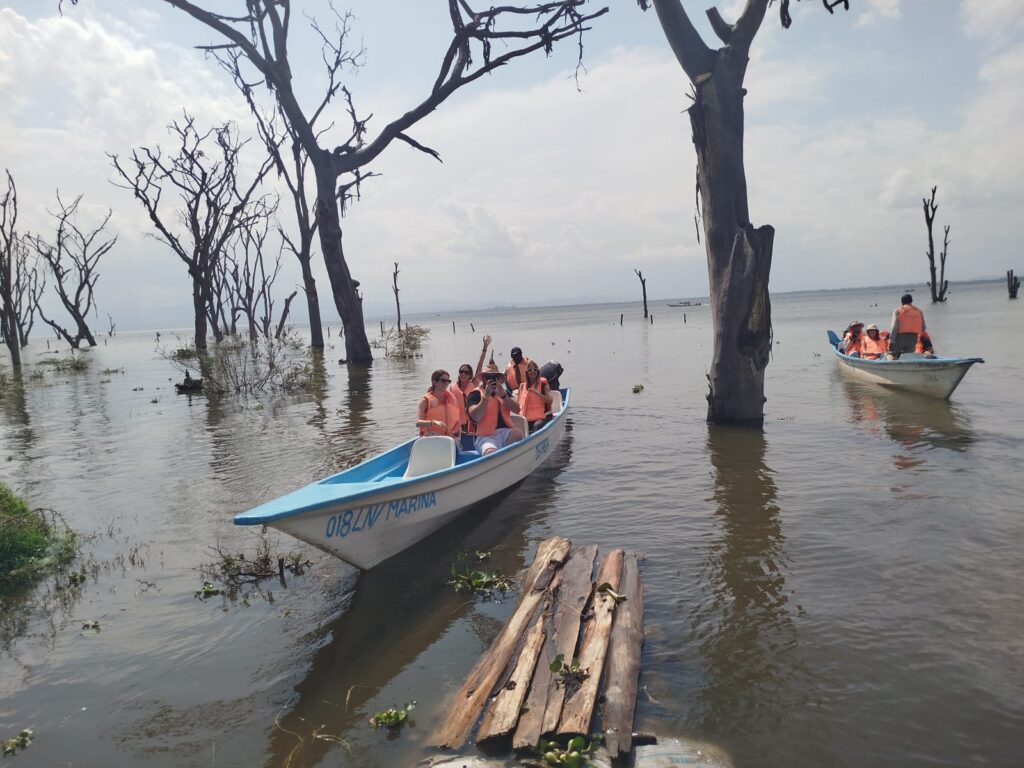
Lake Naivasha’s wildlife spreads across several areas. The lake hosts large hippo populations, with over 1,500 individuals calling these waters home. Boat safaris provide excellent opportunities to observe these massive mammals up close, along with numerous water birds such as fish eagles, pelicans and cormorants. Crescent Island’s walking safari allows visitors to approach giraffes, zebras, wildebeest and various antelope species on foot, creating intimate wildlife encounters. Hell’s Gate National Park adds another dimension to Lake Naivasha attractions, featuring buffalo, eland, hartebeest and smaller predators like serval cats and caracals. The park’s unique landscape includes towering cliffs, gorges and geothermal features create dramatic backdrops for wildlife photography.
Lake Nakuru wildlife viewing focuses on guaranteed sightings within a compact area. The park’s rhino population exceeds 100 individuals, making it one of Kenya’s most reliable locations for viewing black and white rhinos. Lions are frequently spotted, often resting in the distinctive yellow-barked acacia trees giving them “tree-climbing” reputation. The flamingo spectacle remains Lake Nakuru’s crown jewel, though numbers fluctuate based on water levels and algae availability. During peak periods, over two million flamingos cover the lake’s surface, creating nature’s most spectacular displays. Even during lower flamingo periods, the lake supports diverse water birds such as pelicans, storks and various duck species.

Activities and Experiences: Adventure vs Safari
The activity offerings represent the most significant difference in Kenya lake safari comparison. Lake Naivasha caters adventure seekers and families wanting diverse experiences, while Lake Nakuru focuses on traditional safari activities with exceptional wildlife viewing opportunities.
Lake Naivasha activities span water, land and air experiences. Boat safaris provide the primary water-based activity, allowing visitors to navigate among hippos while observing water birds and enjoying lake scenery. Hell’s Gate National Park offers unique adventure opportunities such as rock climbing, cycling and walking safaris. The park’s gorges provide hiking experiences through dramatic landscapes, while the geothermal area showcases natural hot springs and steam vents. These activities make Lake Naivasha appealing to families with older children and adventure-oriented travellers.
Lake Nakuru activities centre on game drives and bird watching within the national park. The park’s excellent road network allows for morning and afternoon game drives, with different routes revealing various habitats and wildlife concentrations. Photography enthusiasts particularly appreciate the park’s scenic viewpoints and reliable wildlife sightings.The park’s compact size, cover significant ground during game drives, often encountering multiple species within short timeframes.
Accessibility and Practical Considerations
Transportation and accessibility play crucial roles in determining the best Rift Valley lake Kenya offers for your specific travel situation. Both lakes provide relatively easy access from Nairobi with different advantages and challenges.
Lake Naivasha sits approximately 90 kilometers northwest of Nairobi, accessible via tarmac road through Naivasha town. The journey typically takes 1.5 to 2 hours by road, making it feasible for day trips from the capital. Multiple accommodation options exist around the lake, from budget campsites to luxury lodges, providing flexibility for various travel budgets. The area around Lake Naivasha offers multiple entry points and activity centres, allowing visitors to customize their experiences. Hell’s Gate National Park has own entrance, while various conservancies and boat operators provide different access points to lake activities. This flexibility makes Lake Naivasha p suitable for self-drive visitors and those wanting to explore at their own pace.
Lake Nakuru requires entry through Lake Nakuru National Park gates, with the main gate located near Nakuru town. The lake sits approximately 160 kilometers northwest of Nairobi, requiring 2.5 to 3 hours of driving time. The route passes through the scenic Rift Valley escarpment, providing beautiful views during the journey. Park fees for Lake Nakuru National Park are higher, reflecting the park’s national park status and conservation efforts. The fees include access to all park areas and activities, providing good value for wildlife enthusiasts. Accommodation options exist within the park and nearby Nakuru town, though luxury options are limited compared to Lake Naivasha.
Best Time to Visit: Seasonal Considerations
Timing your visit significantly impacts your experience, understanding seasonal patterns helps determine which location offers the best Rift Valley lake Kenya experience during your travel dates.
Lake Naivasha provides year-round accessibility and activities, though certain seasons offer advantages for specific interests. The dry seasons (January-March and July-October) provide the best weather for outdoor activities and clearest lake views. During these periods, wildlife concentrates around water sources, improving game viewing opportunities in Hell’s Gate and surrounding areas. The rainy seasons (April-June and November-December) bring lush vegetation and increased bird activity, appealing to bird watchers and photographers. Some roads may become challenging and outdoor activities might be limited during heavy rainfall periods.
Lake Nakuru’s visiting times depend largely on flamingo populations and general wildlife activity. The dry seasons typically provide the best game viewing as animals concentrate around the lake and water sources. Flamingo numbers fluctuate throughout the year based on water levels and algae availability, making it difficult to guarantee the spectacular pink displays. The park remains accessible year-round, though road conditions deteriorate during heavy rains. Wildlife viewing generally improves during drier periods when vegetation is less dense and animals are easily spotted.
Accommodation Options: Luxury to Budget
Both destinations offer accommodation ranges from budget camping to luxury lodges, Lake Naivasha provides diverse options due to longer tourism history and larger area.
Lake Naivasha accommodations include luxury lakeside lodges with private boat access, mid-range hotels in Naivasha town and budget camping sites around the lake. Many lodges offer all-inclusive packages combining accommodation, meals and activities. The variety allows travellers to find options matching their budgets and preferred comfort levels.
Lake Nakuru accommodation options centre on lodges within or near the national park. Several luxury lodges offer elevated positions with panoramic lake views, while budget options exist in Nakuru town.
Cost Comparison: Budget Planning
Understanding costs helps determine which destination offers better value for your specific travel style and budget.
Lake Naivasha offers budget-friendly options due to lower park fees for Hell’s Gate and availability of various accommodation price points. Boat safari costs vary by operator and duration, while activities like cycling in Hell’s Gate provide affordable adventure options.
Lake Nakuru higher park fees reflecting its national park status such as park fees. Game drive costs depend on use of park vehicles or self-drive options providing cost savings for experienced safari travellers.
The Verdict: Which Lake Suits You Best?
Determining the best Rift Valley lake Kenya depends on your priorities, interests and travel style. Lake Naivasha excels for travellers seeking diverse activities, adventure experiences and family-friendly options. Its combination of water activities, walking safaris and adventure sports creates a well-rounded destination for various age groups and interests.
Lake Nakuru stands out as wildlife enthusiasts prioritizing guaranteed game viewing and safari experiences. The park’s compact size, reliable wildlife sightings and spectacular flamingo displays make it ideal for first-time safari visitors and serious wildlife photographers.
For adventure seekers and families with diverse interests, Lake Naivasha provides the better choice. The variety of activities, accommodation options and accessibility make it suitable for longer stays and mixed-interest groups. Wildlife enthusiasts and photographers should choose Lake Nakuru for game viewing opportunities and iconic African safari atmosphere. The park’s rhino sanctuary status and reliable big game sightings provide classic safari experiences.
Both lakes offer unique experiences that showcase Kenya’s incredible natural diversity. Many visitors choose to experience both destinations during extended Kenya safaris, allowing them to appreciate the distinct character each lake provides. Whether choosing Lake Naivasha or Lake Nakuru, both destinations deliver memorable experiences that highlight Kenya as Africa’s premier safari destination.