Kiunga Marine National Reserve is a paradise on the Kenya’s coast. Nestled along the Indian Ocean shoreline of Lamu, it is a renowned destination for lovers of the sea and marine life. Having been established in 1979 it spans an area of 270km, this spectacular reserve is managed by the Kenya Wildlife Service. What makes Kiunga extraordinary is the collection of over 50 pristine islands scattered across crystal-clear waters. Today, join me as we set sail into the heart of Kiunga Marine Reserve and discover the magic that lies beneath the surface.
What makes Kiunga Marine National Reserve a gem?

Healthy marine ecosystem
The reserve is made up of rich coral reefs, sweeping seagrass meadows and mangrove forests that line its shores. Together these ecosystems form a unique ecosystem that supports a vast range of marine life and ensures the delicate balance of the ocean environment is maintained. This biodiversity hotspot is one of the most important marine conservation areas along Kenya’s coast offering both beauty and ecological value.
The waters of Kiunga are alive with a breathtaking variety of aquatic animals such as angelfish, parrotfish, butterflyfish and clownfish swirling through dazzling shoals. Sea turtles and dolphins glide gracefully through the open waters adding to the spectacle. The mangroves provide shelter for baby fish, crabs, prawns and other small marine creatures starting life in safety, serving as a vital nesting ground for many species. Rare and elusive animals like the dugong can also be found grazing peacefully on the seagrass, undisturbed by human activity.
Mangrove tours
During a mangrove tour at Kiunga Marine Reserve visitors enjoy a peaceful boat ride through winding channels lined with dense mangrove forests. Along the way guides share insights into the ecological importance of mangroves including their role in protecting coastlines, filtering water and serving as vital nurseries for fish, crabs and prawns. Wildlife sightings are common with chances to spot sea turtles, mud crabs and a variety of coastal birds. The experience also offers opportunities for photography, birdwatching and learning about local conservation efforts that help preserve this fragile ecosystem.
Snorkelling and diving in Kiunga Marine National Reserve

Snorkelling and diving excursions at Kiunga Marine Reserve gives visitors a chance to explore clear unspoiled waters teeming with marine life. snorkelers glide over vibrant coral reefs, divers can explore deeper waters around nearby islands like Kiwayu, Munira, Pate and Kinyika which feature dramatic underwater landscapes with coral gardens, caves and drop-offs. These activities often take place around low tide when visibility is best, offering a stunning view of Kiunga’s underwater world and its status as a true marine biodiversity hotspot.
Dhow Cruises in Kiunga Marine National Reserve
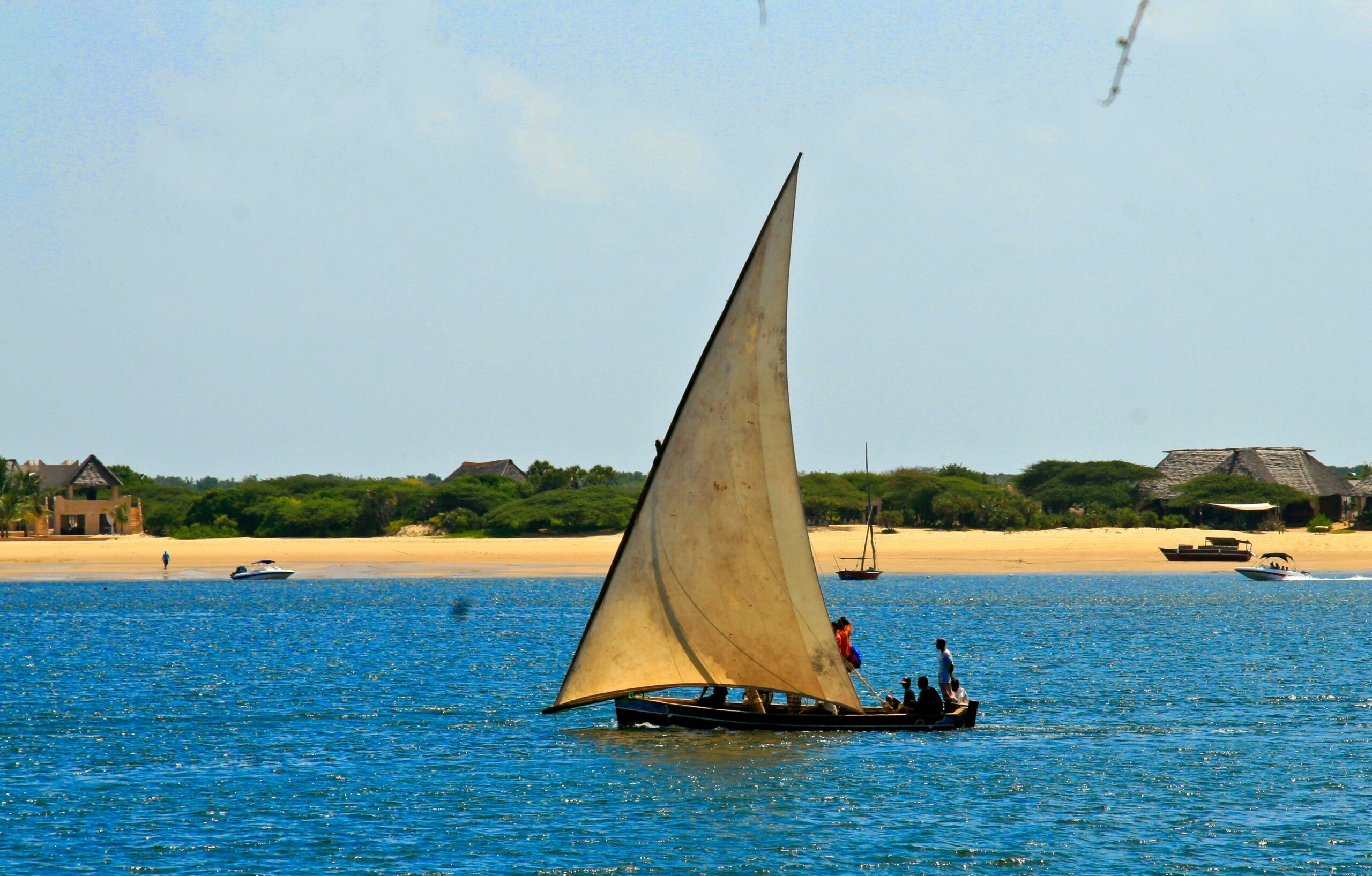
Dhow cruises at Kiunga Marine Reserve offer a peaceful way to explore the remote coastline aboard a traditional Swahili sailing boat. As you glide through mangrove channels and open sea you can enjoy scenic views, spot marine wildlife and relax on deck. Many dhow trips include stops for snorkeling or swimming at coral-rich islands, along with freshly prepared seafood meals on board.
Sunbathing in Kiunga Marine
Kiunga’s remote beaches like Kiwayu Island offer a quiet spot to relax under the tropical sun. It’s perfect after water activities with soft sand, sea breezes and beautiful coastal views.
Windsurfing in Kiunga Marine

Windsurfing at Kiunga is ideal for all skill levels thanks to steady winds and clear waters. It is a fun way to enjoy the scenery while gliding past reefs and mangroves.
Best Time to Visit Kiunga Marine National Reserve
The best time to visit Kiunga Marine Reserve is June to September for snorkelling, diving and birdwatching thanks to calm seas and clear visibility. For turtle nesting visit between November and March. Avoid April and May due to heavy rains.
How much is the park fees to Kiunga Marine National Reserve
The park fees for Kiunga Marine National Reserve vary by season and visitor category. For Kenyan citizens and East African Community residents, the fee is Ksh 300 for adults and Ksh 150 for children or students during the high season and Ksh 200 for adults in the low season. International visitors pay USD 25 for adults and USD 10 for children or students in the high season, while in the low season the fee is USD 20 for adults.