El molo & is one of the most rewarding experiences for any traveller. In this guide, we share expert tips and insights.
When people think of Kenya, most imagine the Maasai warriors in the Masai Mara with their colorful beadwork; these images dominate guidebooks, travel magazines and tourist brochures. Beyond the Masai Mara, in the remote and harsh landscapes of northern Kenya, two little-known tribes, the Elmolo and Rendille, found around the shores of Lake Turkana and the surrounding deserts, represent Kenya’s oldest and unique cultures. Today, they are referred to as Kenya’s “forgotten tribes,” slowly disappearing under the pressure of modern challenges. A safari to witness the unique heritage of el molo & is an unforgettable journey into Kenya’s past.
Below is the story of Kenya’s forgotten tribes, their unique ways of life and why they are becoming Kenya forgotten tribes. This exploration delves deep into the lives of the el molo & other fascinating communities.
The El Molo Tribe of Lake Turkana
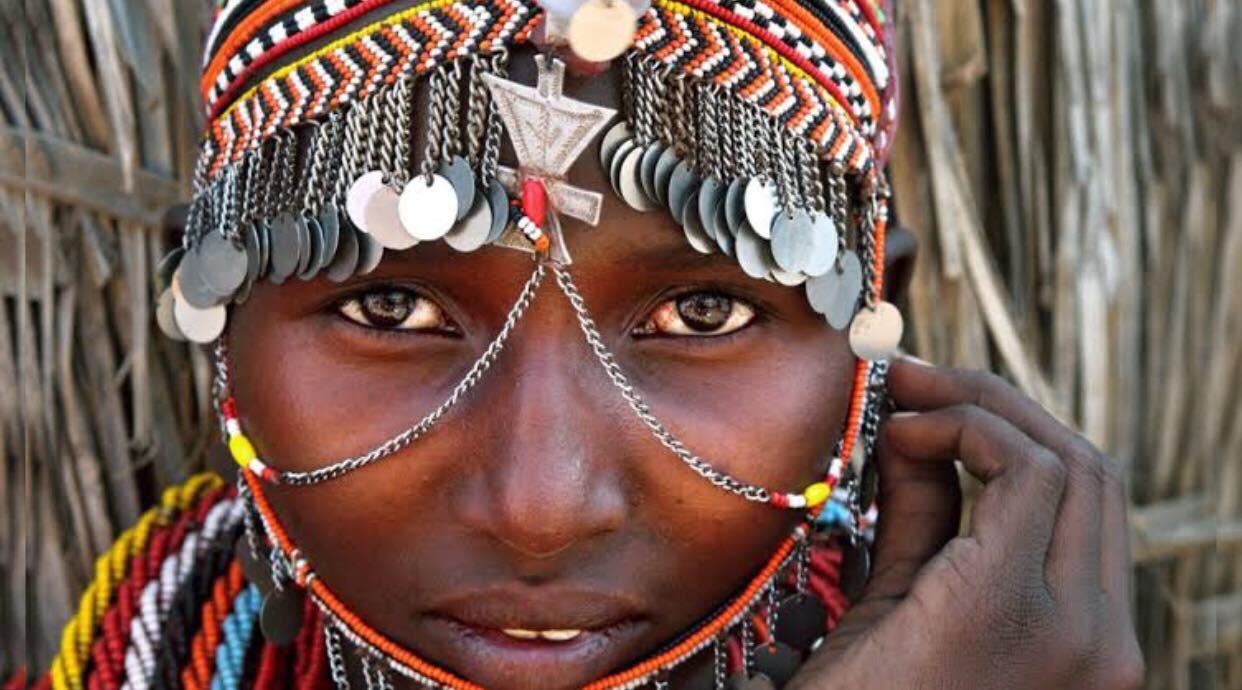 Elmolo is believed to be the smallest ethnic group in Kenya, living along the southeastern shores of Lake Turkana, near Elmolo Bay. Their entire life has been built around the lake for centuries and fishing is their main way of surviving. Understanding the challenges faced by el molo & their neighbors is crucial for cultural preservation.
Key Cultural Highlights
Exclusive dependence on fishing
The neighboring tribes, such as Turkana and Samburu, focused on cattle and trade; the Elmolo remained dependent on fishing. This made them economically isolated and limited their interaction with other communities. This isolation highlights the unique survival strategies of el molo & their deep connection to Lake Turkana.
Canoe fishing using traditional rafts
Their traditional techniques, such as using small rafts and simple spears, remain stuck in old methods that produced little income. These ancient fishing methods are a testament to the enduring traditions of el molo & their ancestors.
Why the El Molo Are Disappearing

Isolation from trade and education
They spend most of their time on the lake hence little involvement in schooling, politics or modern business, making them invisible to the rest of Kenya. The lack of external engagement impacts the future of el molo & their distinct way of life.
Intermarriage with neighboring tribes for survival
As their numbers reduced, Elmolo married into Samburu and Turkana families, making them almost culturally extinct. This intermarriage, while ensuring survival, also blurs the unique identity of el molo & their heritage.
The Rendille Tribe: Nomads of the Northern Desert
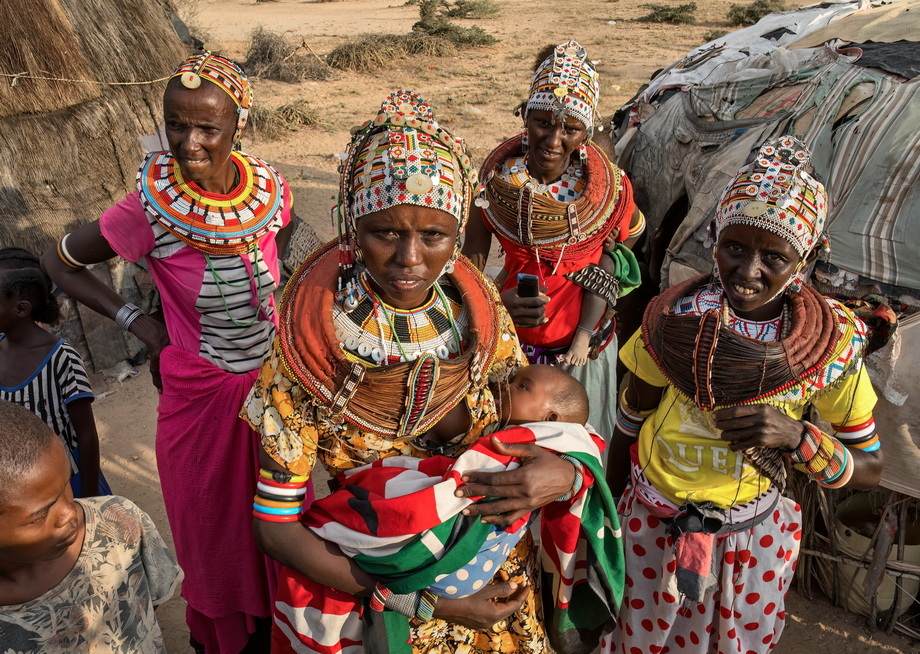
The Rendille community lives in dry lands north and east of Lake Turkana, stretching into Marsabit County. They are pastoralists and camels are central to their survival, providing milk, meat, transport and social status. The Rendille move across the desert, following seasonal grazing routes for their animals.
While distinct, the stories of the Rendille often intertwine with those of el molo & the broader Lake Turkana region.
Distinctive Rendille Traditions
Camel-centered economy
Rendille constantly move with their camels, making it difficult for them to access schools, healthcare or government services. They rely entirely on camels for food and income, limiting economic opportunities. Their nomadic lifestyle presents different challenges compared to the lake-dwelling el molo & their fishing culture.
No cultural tourism
The Rendille do not perform for visitors like the Maasai or Samburu, hence their traditions are private and rarely known by outsiders. This privacy ensures the authenticity of their culture, much like the understated presence of el molo & their community.
Why the Rendille Are Disappearing
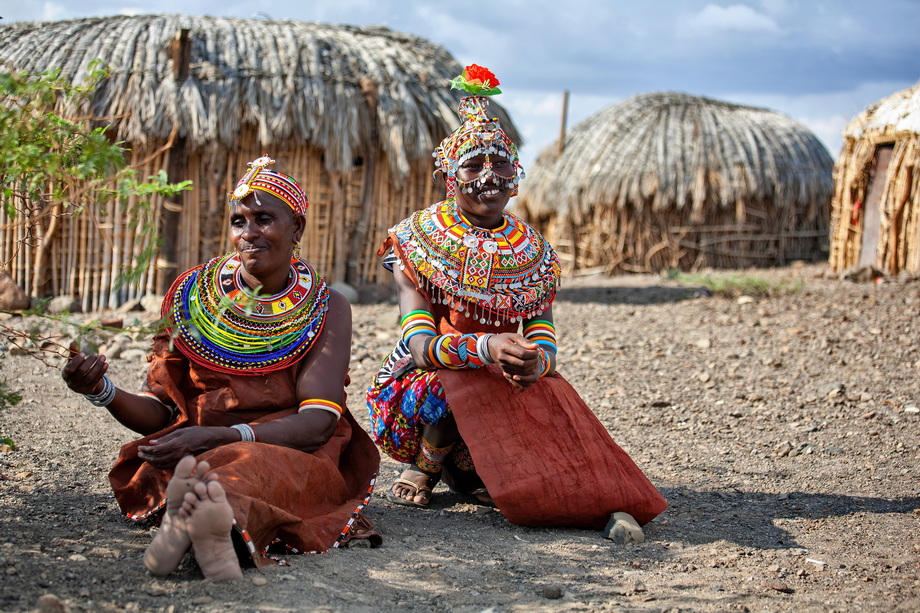
Remote desert locations
The deserts around Lake Turkana are harsh, hot and far from towns, keeping the Rendille culture invisible.
Drought and conflict
Climate change and shrinking grazing lands have created hardships that have forced families to migrate, weakening their culture further.
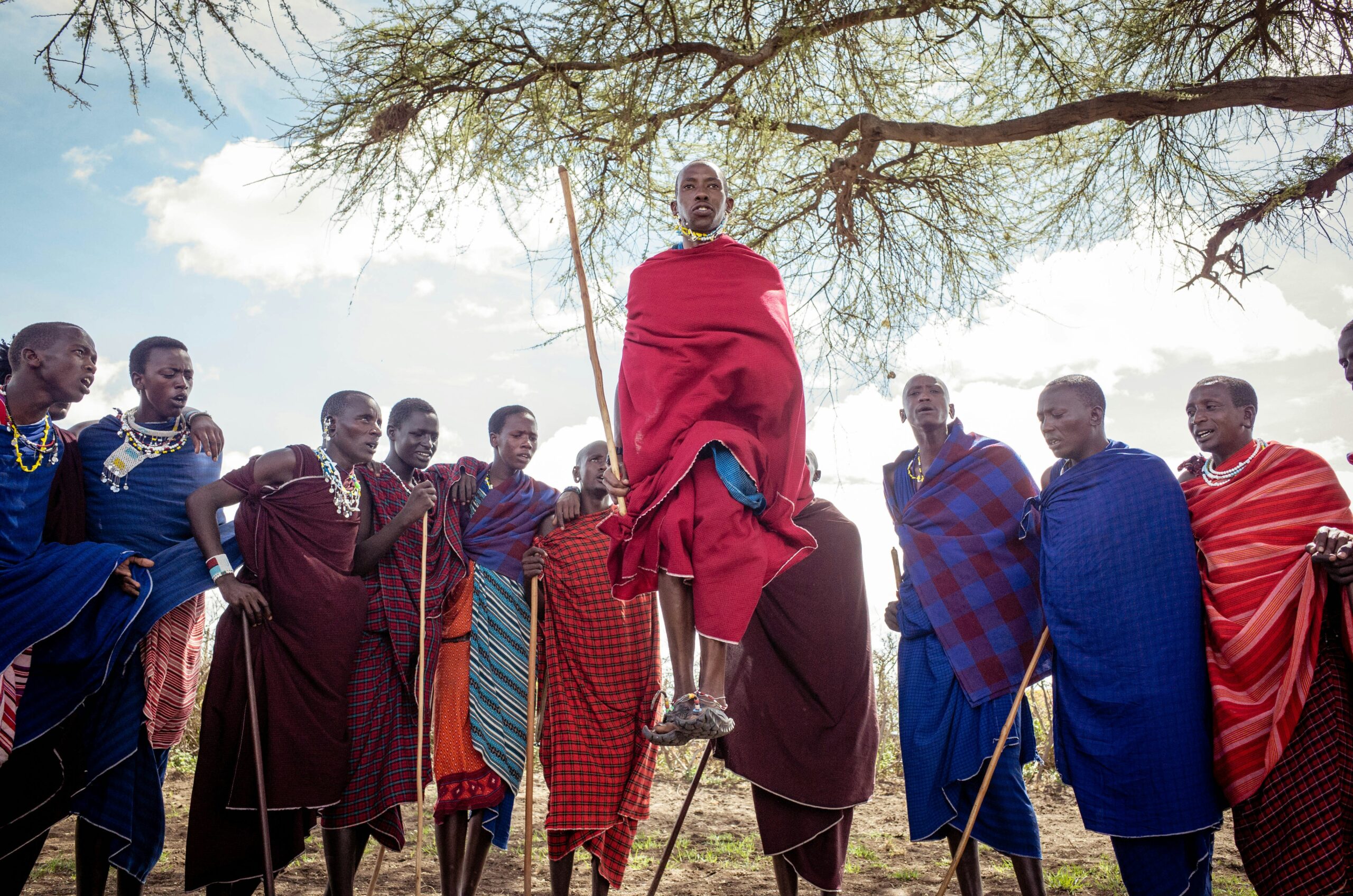
El Molo & Rendille vs Maasai & Samburu
|
Aspect |
El Molo & Rendille | Maasai & Samburu |
|
Tourism exposure |
Very low | High |
|
Location |
Remote Northern Kenya |
Popular Safari areas |
|
Cultural preservation |
Intact |
Partly commercialized |
| Photography access | Restricted & respectful |
Widely open |
Why Lake Turkana Is Kenya’s Last Cultural Frontier

One of Africa’s least visited regions
Lake Turkana is located in northern Kenya, far from major towns, roads and tourist routes. Its desert climate is extreme, with high temperatures and scarce water, making it difficult for visitors to reach.
Home to cultures unchanged for centuries
The Elmolo and Rendille live traditional lifestyles of fishing, camel herding and surviving in extreme conditions. They do not perform for tourists or engage with mainstream society, keeping their cultures hidden.
Lack of tourism exposure
Unlike the Maasai or Samburu, these tribes don’t sell crafts or entertain visitors. As a result, very few people outside the region know about their unique way of life.
Cultural vulnerability
Modern challenges such as climate change, droughts and shrinking resources threaten traditional livelihoods. These pressures impact both the Rendille and the el molo & their ability to sustain ancient practices.
Historical invisibility
Centuries of living quietly, away from trade routes and national attention, have kept these communities largely undocumented. Their languages, rituals and knowledge risk disappearing without deliberate preservation efforts.
The El Molo and Rendille are not just tribes, they are living testaments to resilience, adaptation and cultural survival. The enduring spirit of el molo & their community is truly inspiring. In a country famous for wildlife and well known tribes, Northern Kenya preserves the soul of untouched Africa.
If you’re seeking a safari experience beyond the Maasai and Samburu, Lake Turkana is where Kenya’s most powerful stories still live.