November can be a rewarding time to explore Kenya’s wilderness, particularly for travellers who want beautiful green landscapes, excellent photographic opportunities and a different perspective on the country’s famous wildlife. However, planning a Kenya safari in November requires more than choosing a destination and booking a camp. Seasonal rainfall can affect road conditions, wildlife visibility and the overall experience, making the choice of destination and itinerary especially important.
For travellers considering a Kenya safari in November 2026, there is another important consideration. The Kenya Meteorological Department’s October–December seasonal outlook indicates increased rainfall across much of the country. This means visitors should prepare for potentially wetter conditions than the usual descriptions of the short-rains season might suggest.
That does not mean you should rule out a safari. Instead, it means understanding what November offers, where to go, what to expect and how to plan a trip that suits your interests.
Is November a Good Time for a Kenya Safari?
Yes, a Kenya safari in November can be an excellent experience, provided you choose your destinations and activities with the season in mind. November falls within Kenya’s short rains period, when parts of the country begin to change from dry, dusty landscapes into greener environments.
For photographers, the changing scenery can be a major attraction. Fresh vegetation, dramatic cloud formations and softer light can create striking wildlife photographs. The arrival of migratory birds also makes this period particularly interesting for birdwatchers, while visitors who prefer a quieter atmosphere may appreciate travelling outside the busiest migration months.
However, November is not automatically better or cheaper than every other safari month. Rainfall varies considerably between regions, and wetter conditions can make wildlife more difficult to spot when vegetation becomes thicker. Heavy rain may also affect access to some locations, depending on the condition of individual roads and tracks.
The best approach is to match your expectations to the season. If witnessing the most famous Great Migration river crossings is your main priority, November is generally not the ideal month because the main herds typically move back towards Tanzania. If you are interested in resident wildlife, green scenery, birdlife and a more flexible safari experience, November deserves serious consideration.
What Is the Weather Like in Kenya in November?
November is traditionally associated with the short rains, but conditions differ across Kenya. Coastal areas, highlands, open savannahs and northern arid regions do not receive identical rainfall, so it is important to look beyond a national average when planning your trip.
For November 2026, the Kenya Meteorological Department’s seasonal forecast calls for enhanced rainfall over much of the country during the October–December period. The forecast also warns of prolonged wet spells and occasional storms in some areas. These are seasonal projections rather than guarantees of the weather you will experience at a particular camp or park.
You should therefore plan for a mixture of conditions and check updated forecasts for your chosen destinations before departure.
How Rain Affects Game Drives
Rain does not automatically cancel a safari or prevent you from seeing wildlife. Game drives can still be productive during wet weather, and the changing light can create memorable viewing and photography opportunities.
The main challenge is that abundant water and fresh vegetation can spread animals across a wider area. Tall grass and thicker vegetation may also make some species harder to spot than during drier months. In addition, heavy rainfall can leave some unpaved roads muddy or difficult to navigate.
Early morning drives can be worthwhile, but the day’s conditions should guide the final plan. Travellers should choose experienced safari operators who understand local routes and can adapt activities when weather or road conditions change.
For official weather updates, consult the Kenya Meteorological Department’s seasonal forecasts.
Best Places for a Kenya Safari in November
The right destination can make a considerable difference to your November safari. Rather than assuming that every national park offers the same conditions, consider what each location is known for and how well it matches your interests.
Masai Mara National Reserve: Resident Wildlife and Green Scenery
The Masai Mara remains one of Kenya’s most compelling safari destinations in November. Although the main Great Migration herds are generally back in Tanzania by this period, the reserve supports resident wildlife throughout the year, including lions, elephants, giraffes, zebras and numerous antelope species.
The green-season landscape provides a different photographic experience from the familiar golden grasslands of the dry months. Clouds can add drama to the horizon, and the changing vegetation gives the reserve a fresh appearance.
Wildlife sightings are never guaranteed, however. Thicker vegetation can make some animals more difficult to locate, and heavy rain may affect access to particular tracks. A well-planned itinerary with sufficient time for game drives is therefore more useful than expecting every outing to deliver the same sightings.
If the Mara is your preferred destination, explore our Masai Mara safari guide to learn more about the reserve and how seasonal conditions influence a visit.
Amboseli National Park: Elephants and Kilimanjaro Views
Amboseli is particularly appealing to travellers who want to see large elephant herds against the backdrop of Mount Kilimanjaro. Its open plains and wetlands support a varied wildlife experience, while the mountain provides a spectacular setting when visibility is good.
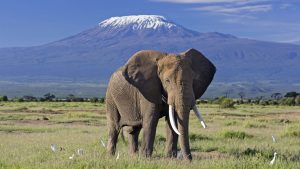
November’s changing weather can produce dramatic skies and fresh green scenery. Clear mountain views are possible, particularly when clouds lift, but they should never be treated as a certainty. Rain and cloud cover can obscure Kilimanjaro for extended periods.
Amboseli is worth considering for travellers whose priorities include elephants, landscape photography and a distinctive setting. Allowing enough time at the destination also gives you greater flexibility to work around changing weather.
Samburu National Reserve: A Different Side of Kenya’s Wildlife
For travellers interested in species associated with northern Kenya, Samburu offers a different experience from the southern savannah parks. The reserve is known for animals such as Grevy’s zebra, reticulated giraffe, gerenuk, the Somali ostrich and Beisa oryx, known as the Samburu special five, alongside familiar safari species.
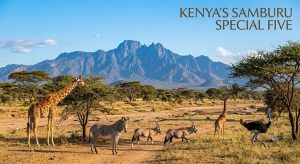
Its more arid environment gives it a distinctive landscape and wildlife character. However, northern Kenya is not immune to seasonal rainfall, and local conditions can change. Visitors should confirm current access and weather conditions rather than assuming Samburu will remain dry throughout November.
Samburu can be an excellent addition for travellers who have already visited the Mara or Amboseli, or who want a safari focused on wildlife diversity beyond the most familiar destinations.
Lake Nakuru National Park: Wildlife and Birdwatching
Lake Nakuru National Park offers a different combination of interests, including rhinos, Rothschild’s giraffes, other wildlife and a rich variety of birdlife. Its relatively compact size can make it a useful option within a wider itinerary through Kenya’s Rift Valley.
November may appeal to birdwatchers because migratory birds begin arriving in the region during the broader northern-hemisphere migration season. However, the species seen and their abundance vary, and the presence of flamingos on the lake can fluctuate with changing ecological conditions.
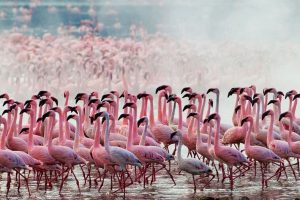
For visitors who enjoy both mammals and birds, Lake Nakuru can add variety to a safari without requiring every day to be devoted to long game drives across extensive savannahs.
Wildlife to Look for During a November Safari
One of the attractions of a Kenya safari in November is that the experience extends beyond the most famous seasonal spectacle. Kenya’s national parks and reserves support resident wildlife throughout the year, although the ease of spotting individual animals varies with location, vegetation and weather.
In the Masai Mara and Amboseli, visitors may encounter elephants, lions, giraffes, zebras, buffaloes and a variety of antelope. Samburu offers opportunities to look for its distinctive northern species, while Lake Nakuru is an important destination for travellers interested in rhinos and birdlife.
November can also be an interesting time for birdwatching as migratory species arrive alongside Kenya’s resident birds. This is especially appealing to travellers who enjoy identifying species, observing feeding behaviour and photographing birds rather than concentrating exclusively on large mammals.
If birds are a major reason for your trip, consider a dedicated birdwatching itinerary rather than treating bird sightings as an incidental part of a conventional game-drive safari. Our birdwatching safaris in East Africa provide a useful starting point for exploring that option.
Remember that a green landscape does not guarantee easier wildlife sightings. Animals may be more dispersed, and some can be harder to see in thicker vegetation. Spending enough time in each destination and working with knowledgeable guides can help you make the most of your visit.
Is a Kenya Safari in November Cheaper?
November can offer opportunities for better value, but travellers should not assume that every safari package will be discounted or that every accommodation provider follows the same seasonal pricing.
Prices depend on the destination, accommodation category, length of stay, transport arrangements, park fees and the exact dates of travel. Demand can also rise towards the festive holiday period, so the cost of a safari in early November may differ from one departing in late December.
For a meaningful comparison, ask for the total cost of your intended itinerary rather than comparing headline prices alone. Establish whether accommodation, meals, park entry fees, transfers, game drives and other listed activities are included. Also check for exclusions, additional charges and the terms that apply if weather affects your plans.
Travellers who are flexible with their dates or accommodation preferences may have more options. However, the best-value safari is not necessarily the cheapest one. Reliable transport, suitable accommodation and an itinerary that gives you enough time to enjoy each destination all contribute to the overall experience.
What to Pack for a November Safari in Kenya
Packing for November means preparing for warm weather as well as the possibility of rain. You do not need an entirely different wardrobe from the one used for a conventional Kenya safari, but a few practical additions can make the trip more comfortable.
Bring lightweight, breathable clothing for daytime activities, along with a light fleece or jacket for cooler mornings and evenings. A waterproof rain jacket is particularly important given the rainfall outlook for the 2026 short-rains season. Waterproof protection for camera equipment, phones and other electronics is also worth considering.
Choose comfortable, closed shoes with good grip, especially if your itinerary includes walking activities. Pack sun protection, a hat, insect repellent and any personal medication you normally use. A small day bag can keep essentials accessible during game drives, while a reusable water bottle helps you stay hydrated.
If your safari includes domestic flights, check the operator’s and airline’s luggage requirements before packing. Small aircraft may have strict weight and bag-size restrictions, so a large hard-shell suitcase may not be suitable.
Finally, avoid packing on the assumption that rain will occur every day. The aim is to be prepared without carrying unnecessary items, leaving you comfortable across a range of conditions.
How to Plan a Successful November Safari
The most useful planning decision is choosing a route that matches your priorities rather than trying to visit as many parks as possible. A shorter itinerary with sufficient time for game drives may provide a more rewarding experience than a rushed schedule with several long transfers.

Start by deciding what matters most to you. If your priority is classic big-game viewing, the Masai Mara and Amboseli may be worth considering. If you want distinctive northern wildlife, Samburu offers a different perspective. Birdwatchers may prefer an itinerary that includes Lake Nakuru or other sites selected for their particular interests.
Next, discuss the likely conditions with your safari operator. Ask how recent rainfall is affecting the routes you intend to use, whether any activities require special arrangements and what alternatives are available if conditions change. Confirm the accommodation, transport and inclusions before paying a deposit.
It is also sensible to allow some flexibility in your schedule. Heavy rain can affect travel times on unpaved roads, and a route that looks straightforward on a map may take longer under difficult conditions. Your operator should help you choose realistic driving times and avoid unnecessary transfers.
If you are comparing several itineraries, request a quotation based on the same travel dates, number of travellers, accommodation standard and inclusions. This makes it easier to compare what each option genuinely offers.
Who Should Choose a November Safari?
A November safari can be especially appealing to photographers who enjoy green landscapes, travellers interested in birdwatching and visitors who prefer exploring Kenya beyond the peak Great Migration period.
It may also suit travellers who are flexible about wildlife sightings and understand that the weather can influence each day’s activities. Those who enjoy the atmosphere of a changing landscape may find the season just as memorable as the dry months, even when the experience is different.
On the other hand, November may be less suitable for someone whose main objective is witnessing the famous Mara River crossings or who has little flexibility around travel dates and activities. Travellers who are particularly concerned about rain should discuss their expectations with an experienced operator before committing to a route.
There is no single best month for every visitor. The right time depends on what you hope to see, how you prefer to travel and how comfortable you are with seasonal uncertainty.
Plan Your Kenya Safari in November with Bison Safaris
A successful November safari begins with choosing destinations that fit your interests, understanding the seasonal conditions and building an itinerary that allows enough time to enjoy each location. With the 2026 short-rains outlook indicating increased rainfall across much of Kenya, checking current conditions and planning for flexibility are particularly important.
Whether you are dreaming of elephants beneath Mount Kilimanjaro, resident wildlife in the Masai Mara or a birdwatching focused adventure, Kenya offers several ways to experience its wilderness during this changing season.
Bison Safaris can help you explore suitable destinations, compare accommodation options and plan a trip around your dates, budget and interests. Rather than relying on a generic itinerary, request a personalized quotation that clearly explains what is included and helps you make an informed decision.
If you are considering a Kenya safari in November, start planning early, ask the right questions and choose an itinerary designed around the experience you want to have.