| Licensed Tour Operator

Safari Safety for Children: The Complete Guide to a Safe Family Safari in Kenya

Elizabeth Muriuki
Elizabeth Muriuki Safari Consultant
July 22, 2026 12 min read

A family safari in Kenya is one of the most rewarding travel experiences you can share with your children. From watching elephants roam freely across the savannah to spotting a pride of lions resting beneath an acacia tree, every wildlife encounter creates memories that last a lifetime. Beyond the excitement, a safari offers children a rare opportunity to learn about wildlife, conservation, and the natural world in a way that no classroom can replicate.

Unlike a visit to a zoo, however, a safari takes place in the animals’ natural habitat. Kenya’s national parks and conservancies are home to free-roaming wildlife that behaves according to instinct, making it essential for every visitor to respect both the environment and the animals that live there. Children are naturally curious and adventurous, which is part of what makes a safari so magical, but they may not always understand the importance of following safety guidelines around wild animals.

Fortunately, family safaris are very safe when proper precautions are taken. Professional safari guides are trained to ensure guests enjoy close wildlife encounters responsibly, while parents play an equally important role in helping children understand how to behave during the adventure. By preparing your child before the trip and reinforcing a few simple safety rules throughout the safari, you can focus on enjoying the experience with confidence and peace of mind.

Whether you’re planning your first family safari or returning to explore another corner of Kenya’s wilderness, this guide will help you understand everything you need to know about safari safety for children, from preparing before you travel to staying safe during game drives and at safari camps.

The Importance of Safari Safety for Children

One of the biggest misconceptions first-time visitors have is believing that a safari is similar to visiting a zoo. While both experiences allow you to observe incredible wildlife, the environments are completely different.

In a zoo, animals live within enclosed spaces where their movements are controlled and monitored. On safari, however, animals roam freely across vast landscapes, behaving exactly as nature intended. Lions hunt, elephants protect their calves, buffaloes move in large herds, and predators follow their natural instincts without barriers separating them from visitors.

Although safari vehicles are specifically designed to provide a safe way of observing wildlife, the animals themselves remain unpredictable. Even species that appear calm can react suddenly if they feel threatened, startled, or protective of their young.
Safari safety for children

Children often see the world differently from adults. Their excitement may lead them to stand up for a better view, point enthusiastically, speak loudly, or try to get closer to an animal out of curiosity. These are natural reactions, but they can become risky in a wildlife environment if children haven’t been taught the importance of safari safety.

Teaching children how to behave on safari is not about making them afraid of animals. Instead, it helps them develop respect for wildlife while understanding that they are visitors in nature. It also teaches valuable lessons about patience, responsibility, and conservation, qualities that extend far beyond the safari itself.

When children understand why safari rules exist, they are more likely to follow them, making the experience safer and more enjoyable for the entire family.

Preparing Your Child for a Family Safari

Good preparation begins well before you arrive in Kenya. Taking time to introduce your child to the safari experience helps build excitement, reduces anxiety, and makes it easier for them to follow safety guidelines once the adventure begins.

If your child has never seen large wild animals before, start by showing them wildlife documentaries, picture books, or photographs of the animals they are likely to encounter. Introduce familiar species such as elephants, lions, giraffes, zebras, rhinos, buffaloes, hippos, and cheetahs, while explaining simple facts about where they live and how they survive in the wild.

It is equally important to explain what a safari is really like. Many children imagine that animals will appear everywhere they look, but wildlife viewing requires patience. Some game drives may involve travelling for a while before spotting animals, while others may reward you with several sightings in quick succession. Helping children understand this beforehand encourages them to enjoy the entire journey rather than focusing only on seeing the Big Five.

Before you travel, talk through the basic safari rules in a way that is easy for children to understand. Explain that safari guides are there to keep everyone safe, that animals should never be disturbed, and that staying quiet often leads to better wildlife sightings. You can even make learning fun by pretending to go on a safari at home and practicing using quiet voices while “searching” for imaginary animals.

Choosing a safari that suits your child’s age is another important part of preparation. Younger children generally enjoy shorter game drives with plenty of breaks, while older children may appreciate longer wildlife excursions, photography opportunities, or conservation activities. A flexible itinerary allows everyone to enjoy the safari without feeling rushed or overwhelmed.

Packing children with realistic expectations is just as important as packing their luggage. Let them know there may be early morning starts, long drives, changing weather, and moments that require patience and quiet observation. When children know what to expect, they are more likely to enjoy the adventure and cooperate throughout the trip.

Family-Friendly Wildlife Destinations in Kenya

Kenya offers a variety of wildlife experiences that are suitable for families with children. Each destination introduces young travellers to different animals, habitats, and conservation efforts, making every visit both educational and memorable.

Some of the best family-friendly wildlife destinations include:

  • Giraffe Centre, Nairobi – Children can safely feed the endangered Rothschild’s giraffes while learning about giraffe conservation and the importance of protecting endangered species.
  • Nairobi National Park – A perfect introduction to safari, where children can spot lions, rhinos, giraffes, zebras, buffaloes, and many other animals just minutes from the city.
  • David Sheldrick Wildlife Trust Elephant Orphanage – Children learn how orphaned elephants are rescued, rehabilitated, and eventually released back into protected habitats.
  • Masai Mara National Reserve – One of Africa’s most iconic safari destinations, offering opportunities to learn about the Big Five, predator-prey relationships, and the spectacular Great Migration.
  • Amboseli National Park – Famous for its large elephant herds and breathtaking views of Mount Kilimanjaro, allowing children to observe elephant family behaviour and understand the importance of habitat conservation.
  • Lake Nakuru National Park – Home to rhinos, Rothschild’s giraffes, flamingos during the right season, and hundreds of bird species, making it an excellent destination for learning about biodiversity.
  • Ol Pejeta Conservancy – A leading conservation destination where children can discover rhino protection programmes, chimpanzee rescue efforts, and anti-poaching initiatives.
  • Samburu National Reserve – Introduces families to unique northern Kenya wildlife known as the Samburu special five, including Grevy’s zebras, reticulated giraffes, gerenuks, Beisa oryx, and Somali ostriches.
  • Tsavo East and Tsavo West National Parks – Known for their famous red elephants, volcanic landscapes, and diverse ecosystems that demonstrate how different habitats support different wildlife.

Each of these destinations offers children an opportunity to appreciate Kenya’s remarkable wildlife while learning valuable lessons about nature and conservation in a safe and supervised environment.

Essential Safari Safety Rules for Children

Following a few simple rules can make the difference between a good safari and a truly memorable one. These guidelines are designed to protect your family while ensuring wildlife remains undisturbed in its natural habitat.

Always Stay Inside the Safari Vehicle

One of the most important rules of safari safety for children is remaining inside the safari vehicle unless your guide specifically tells you it is safe to get out.

Safari vehicles provide a protective viewing platform because wild animals generally recognize them as large, non-threatening objects. Over many years, wildlife has become accustomed to seeing these vehicles moving quietly through national parks without posing a danger.
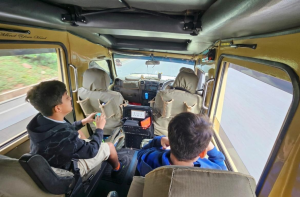
Kids staying inside the safari vehicle is one of the safari safety for children precautions

The moment someone steps outside, however, the situation changes. To a lion, elephant, buffalo, or any other wild animal, a person on foot is much more noticeable than someone seated inside a vehicle. Even animals that appear relaxed can react unpredictably if they feel surprised or threatened.

Teach your child one simple rule before every game drive:

We only leave the vehicle when the safari guide says it is safe.

Children should also remain seated throughout the game drive, avoid leaning out of windows, and keep all parts of their body safely inside the vehicle at all times.

These simple habits help ensure every wildlife encounter remains both exciting and safe.
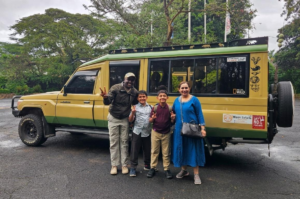
Keep Noise Levels Low

The African wilderness is naturally peaceful, and one of the greatest joys of a safari is listening to the sounds of nature. Birds calling from the trees, elephants communicating with one another, or the distant roar of a lion all become part of the experience.

Children are naturally excited when they spot wildlife, but loud voices, shouting, or sudden screams can disturb animals and cause them to move away before everyone has a chance to observe them. Excessive noise can also affect the experience of other visitors who have come to enjoy the tranquility of the bush.

Encourage your child to use a quiet voice throughout the game drive and explain that staying calm often leads to better wildlife sightings. Many of the most memorable safari moments happen when everyone remains silent and simply watches nature unfold.

Listen to Your Safari Guide

Safari guides are highly trained professionals who understand wildlife behaviour and know how to respond in different situations. They can recognize signs that an animal is relaxed, curious, or becoming uncomfortable, allowing them to make decisions that keep both visitors and wildlife safe.

Before each game drive, remind your child that the guide’s instructions should always be followed immediately. Whether the guide asks everyone to remain seated, stay quiet, or avoid sudden movements, these instructions are given with everyone’s safety in mind.

Safari safety for children

Children should also know that asking questions is encouraged. In fact, many safari guides enjoy sharing fascinating facts about wildlife and answering children’s questions. However, they should wait for an appropriate moment if the guide is concentrating on a close wildlife encounter.

Learning to trust and listen to the guide helps children understand that a safari is a shared adventure where everyone has a role in ensuring it remains safe and enjoyable.

Never Feed or Attract Wildlife

One of the most important lessons children can learn on safari is that wild animals should always remain wild.

Although monkeys, baboons, birds, or even antelope may appear friendly, feeding them can change their natural behaviour and encourage them to associate people with food. Animals that become accustomed to being fed may begin approaching vehicles, camps, or picnic sites, creating unnecessary risks for both wildlife and visitors.

Children should never:

  • Throw food from the safari vehicle.
  • Offer snacks to animals.
  • Leave food unattended during picnic stops.
  • Try to tempt wildlife to come closer.

It is equally important not to wave, clap, whistle, or call out to attract an animal’s attention. While children may simply want a better view or photograph, disturbing wildlife can interrupt natural behaviour and sometimes provoke an unwanted reaction.

The best wildlife encounters happen when animals behave naturally without human interference. Observing them quietly from a respectful distance creates a far more authentic and rewarding safari experience.

Keep Hands and Belongings Inside the Vehicle

Children often become eager to take photographs or point excitedly when wildlife comes close. However, hands, cameras, binoculars, hats, and other belongings should always remain inside the vehicle.

Objects hanging outside the window can attract the attention of curious animals or become damaged during the drive. More importantly, reaching outside the vehicle can place children unnecessarily close to wildlife.

Encourage children to hold cameras securely, use binoculars from their seats, and avoid leaning out for a closer look. A safari vehicle is designed to provide excellent views without anyone needing to leave the safety of their seat.

Safari Safety at Camps and Lodges

Many first-time visitors are surprised to learn that several safari camps and lodges in Kenya are unfenced. This allows wildlife to move naturally through the surrounding environment, creating a more authentic safari experience while maintaining strict safety procedures for guests.

For this reason, children should always remain under adult supervision when walking around the camp or lodge.

Parents should ensure that children:

  • Stay within designated guest areas.
  • Walk with an adult at all times, especially after dark.
  • Follow all instructions given during the lodge safety briefing.
  • Never approach animals that wander through the camp.
  • Keep room doors closed when not in use.

Many safari lodges provide escorts to accompany guests between their rooms and the main lodge after sunset. These escorts are familiar with the surrounding wildlife and should always be used whenever they are available.

Even smaller animals such as monkeys and baboons should be treated with caution. Although they may seem playful, they are intelligent and can become aggressive if they think food is available.

By following lodge safety guidelines, families can relax and enjoy the unique experience of staying close to nature while remaining safe.

Essential Packing List for a Safe Family Safari

Packing wisely helps ensure children remain comfortable throughout the safari while reducing the likelihood of avoidable problems.

Some of the most important items to include are:

  • Lightweight, neutral-coloured clothing to help children stay comfortable without attracting unnecessary attention from wildlife.
  • Warm jackets or fleece sweaters for early morning and evening game drives, when temperatures can be surprisingly cool.
  • Wide-brimmed hats to provide protection from the African sun.
  • Child-safe sunscreen to prevent sunburn during outdoor activities.
  • Insect repellent to help protect against mosquito bites.
  • Comfortable walking shoes for exploring lodges and visitor centres.
  • Reusable water bottles to keep children hydrated throughout the day.
  • Healthy snacks for longer journeys between wildlife sightings.
  • Binoculars to help children observe animals from a safe distance.
  • A camera or smartphone so they can capture memorable moments.
  • Wet wipes, tissues, and hand sanitiser for added convenience during the trip.
  • Any personal medication your child may require, along with a small first-aid kit for minor emergencies.

Packing a wildlife checklist or children’s field guide can also make the safari more interactive by encouraging children to identify and record the animals they see each day.

Teaching Children About Wildlife Conservation

A safari offers much more than incredible wildlife sightings, it also provides an opportunity to inspire the next generation of conservationists.

As children observe animals in their natural habitats, they begin to understand why protected areas are so important. They learn that every species, from the smallest bird to the largest elephant, plays a role in maintaining healthy ecosystems.

Parents can encourage these lessons by talking about the importance of protecting wildlife, respecting natural habitats, and leaving no trace when visiting national parks and conservancies.

Simple actions such as disposing of rubbish responsibly, avoiding disturbance to wildlife, and appreciating animals without interfering with them teach children that responsible tourism helps protect nature for future generations.

Many conservation centres and national parks also offer educational programmes that introduce children to wildlife research, habitat restoration, and species conservation, helping them develop a deeper appreciation for Kenya’s remarkable natural heritage.

Frequently Asked Questions About Safari Safety for Children

Is a safari safe for young children?

Yes. A safari is generally very safe for children when you travel with a reputable safari operator, follow your guide’s instructions, and supervise your children throughout the trip.

What is the best age for children to go on safari?

There is no single ideal age, as every child is different. However, many families find that children aged five years and above are able to enjoy game drives, understand safety instructions, and appreciate wildlife sightings. Younger children can also have wonderful safari experiences, provided the itinerary is designed around their needs.

Can babies join a safari?

Some safari lodges and tour operators welcome families with babies, while others have minimum age requirements for game drives. Private safaris are often the most suitable option for families travelling with infants because they offer greater flexibility.

What should children wear on safari?

Children should wear lightweight, comfortable clothing in neutral colours such as khaki, green, brown, or beige. Layering is recommended because mornings and evenings can be cool, while afternoons are often warm.

Are safari lodges suitable for families?

Yes. Many safari lodges in Kenya are designed with families in mind and offer spacious accommodation, child-friendly meals, swimming pools, and activities suitable for young travellers. Choosing family-friendly accommodation helps ensure children remain comfortable throughout the safari.

A family safari in Kenya is one of the most enriching adventures you can share with your children. Beyond the excitement of seeing Africa’s iconic wildlife, it offers valuable lessons about nature, conservation, patience, and respect for the environment.

By understanding the principles of safari safety for children and preparing your family before the journey begins, you can create a safari experience that is both safe and unforgettable. Simple habits such as staying inside the vehicle, listening to your guide, respecting wildlife, and supervising children at all times allow everyone to enjoy close wildlife encounters responsibly.

At Bison Safaris, we believe that every family deserves a safari experience that is exciting, educational, and worry-free. Our experienced guides and carefully planned family-friendly safaris are designed to help children discover Kenya’s extraordinary wildlife while giving parents the confidence to relax and enjoy every moment. With the right preparation and expert guidance, your family’s safari will become more than just a holiday, it will be a lifelong memory and the beginning of a deeper appreciation for Africa’s incredible natural heritage.

Elizabeth Muriuki

Written by Elizabeth Muriuki

Safari Consultant

Elizabeth Muriuki is part of the Bison Safaris team, bringing expert knowledge and passion for wildlife to every safari experience.

Chat with us!

You cannot copy content of this page