Fees to avoid is one of the most rewarding experiences for any traveller. In this guide, we share expert tips and insights.
A Kenyan Safari entails more than just booking a safari; it’s about understanding the costs, planning your budget and being aware of any hidden fees. To truly enjoy your adventure, understanding the various fees to avoid is paramount. Safaris in Kenya come with the exciting anticipation of spotting the Big 5, witnessing the Great Migration and more adventures. However, beneath the allure lies a complex web of expenses that quickly add up.
The safari costs encompass more than the sticker price of the tour package; it reflects a combination of components, including season of travel, level of accommodation, duration of your trip, specific national parks you visit (each with varying entry fees), mode of transport and whether you opt for a private or group safari. By carefully reviewing these elements, you can identify potential fees to avoid and ensure a smoother financial journey. Understanding the underlying components is crucial for effective budgeting, allowing you to tailor your Kenyan Safari adventure to your financial comfort.
What drives Kenya’s Safari costs?
Several key factors determine the overall price of your Kenyan safari:
Season of travel
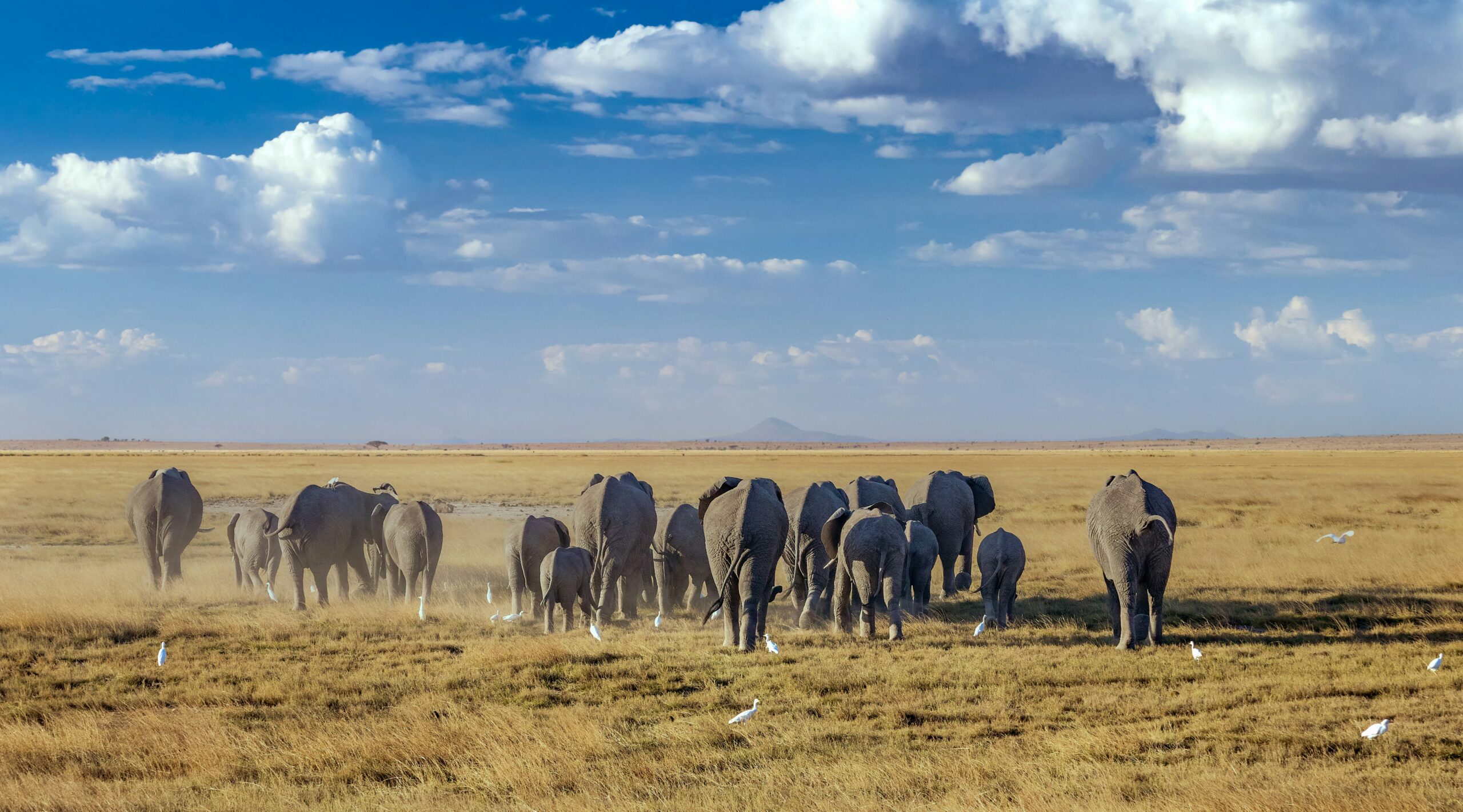
One of the biggest cost differentiators in determining your Kenya safari costs is the season of travel. Kenya experiences wet and dry seasons, offering a unique safari experience and different price points.
Traveling during peak dry season from July to October and mid-December to February coincides with the Great Wildebeest Migration in Masai Mara, meaning higher demand, larger crowds and significantly inflated prices. Being aware of these seasonal variations helps you identify peak season fees to avoid if you’re on a budget.
The shoulder season (typically February-March and November) offers moderate pricing.
The green season and low season (April to June and parts of November) are at a fraction of the cost.
Accommodation level

When budgeting for a Kenyan safari, the choice of accommodation level is one of the most significant cost drivers. The options range from budget to luxurious, each offering a distinct experience and price point. Here’s a breakdown of typical accommodation levels you encounter
- Budget accommodation: It is an affordable option and ideal for adventurous travelers on a tight budget.
- Mid-range accommodation: This level strikes a balance between comfort and cost, providing a good safari experience without the premium price tag of luxury options.
- High-end accommodation: High-end lodges and camps offer unparalleled comfort and service, making the safari experience more exclusive. The higher price always reflects exclusivity and the range of included activities.
The choice of accommodation level significantly impacts daily safari cost, considering comfort preferences, desired level of exclusivity and overall budget. Understanding the nuances of each tier is key to identifying unnecessary fees to avoid, especially if luxury isn’t your top priority.
Safari type & group size
Here’s a breakdown of the safari type and group size you encounter
- Group joining safaris: Sharing a vehicle with other travelers (up to 8 people) is the most budget-friendly option. Choosing a group safari is an excellent way to minimize costs and identify certain fees to avoid that come with private tours.
- Private safaris: Offering more flexibility and exclusivity comes at a higher price, depending on comfort level.
Duration of safari
The longer the safari, the more you pay, especially for daily park fees. Careful planning of your trip duration can help you manage costs and identify specific daily fees to avoid if you have a strict budget.
Park entry fees
These are mandatory and charged on a per-person, per-24-hour basis and vary significantly by park and season. Always confirm if your package includes these, as unexpected fees to avoid can quickly inflate your budget.
Mode of transport
Here’s a breakdown of the modes of transport you encounter
- Road safari: It is more affordable, usually by a customized safari van or 4×4 Land Cruiser. Opting for a road safari is a practical way to manage your budget and one of the key fees to avoid if you’re looking for cost savings.
- Fly-in safari: Saves travel time and offers stunning aerial views, but it’s expensive
Budgeting Tips for Your Kenya Safari
Here are some tips to help you save money while enjoying an amazing experience:
Travel during low or shoulder season
This is the most effective way to save money and still get incredible wildlife sightings with fewer crowds and significant discounts. This strategy directly helps you identify and minimize the higher seasonal fees to avoid during peak travel times.
Joining a group safari
Splitting the cost of transport and guide with other travelers reduces per-person expenses. This is a prime example of how smart choices can help you identify and reduce individual fees to avoid.
Opting for budget or mid-range accommodation
Comfortable tented camps and budget lodges offer excellent access to wildlife areas and a fantastic experience at a fraction of the cost. By choosing wisely, you can significantly cut down on accommodation fees to avoid, without compromising on the safari experience.
Booking in advance during the Peak Season
Booking 6-8 months in advance secures better rates and availability, especially during the great wildebeest migration. Early booking is a clever tactic to lock in favorable prices and avoid last-minute inflated fees to avoid.
Book with a legit tour operator
Booking with a reputable Kenyan tour operator such as Bison Safaris cuts out commissions charged by online booking services, allowing for better negotiation. Working directly with us helps you understand all costs upfront and identify any hidden fees to avoid from third-party platforms.
Ready to experience Kenya’s wildlife without breaking the bank?
Explore affordable adventures with Bison Safaris’ Budget Kenya Safari Packages, offering curated itineraries for every traveler – from Masai Mara group joining safaris to Amboseli’s budget lodges.
Hidden Safari Fees to Avoid on Your Kenyan Safari

Even with careful planning, unexpected costs can creep into your safari budget. Knowing these common fees to avoid will empower you to budget more accurately. Be vigilant about the following.
Park fees
Many national parks and reserves in Kenya charge daily entry fees, often not included in a safari package. Always confirm whether your quote includes these, as understanding these potential fees to avoid is crucial for accurate budgeting.
Premium activities
Activities such as hot air balloon rides, night game drives and walking safaris come at an extra cost. Always ask about the activities included and plan for the activities you want to experience. Being clear on what’s included helps you manage your budget and avoid unexpected fees to avoid for these premium experiences.
Transport costs
Airport transfers and domestic flights come with extra charges if not clearly stated. Clarify whether your quote includes all transport, especially if your safari involves multiple destinations. Ensuring all transport is covered upfront helps you identify and plan for any additional transport fees to avoid.
Visa and travel insurance
If the Safari package doesn’t cover the cost of a visa or travel insurance, ensure you arrange and budget before you travel. These are essential costs, and budgeting for them separately helps you avoid unexpected fees to avoid that might arise from last-minute arrangements.
Laundry, drinks and extra meals
Not all safari packages include laundry services, alcoholic drinks or extra meals. Some camps charge separately for bottled water and snacks. Always check things included to avoid unexpected charges. A clear understanding of what’s provided helps you manage your daily expenses and identify these common fees to avoid.
Tips and gratuities
Tipping is customary on safari, especially for guides and drivers. It is not mandatory, but often expected and appreciated and add up if not planned for in advance. While a gesture of appreciation, budgeting for tips in advance helps you avoid unexpected fees to avoid at the end of your trip.
Currency exchange and credit card fees
Using international cards or exchanging money at hotels and airports comes with hidden fees and poor exchange rates. Some lodges or shops may charge extra for card payments. To avoid this, use local payment methods like M-Pesa where possible and plan your cash needs. Being mindful of these financial details is key to minimizing currency exchange fees to avoid and ensuring your money goes further.
Dreaming of the Big 5 on a budget?
Bison Safaris specializes in low-cost, high-value safaris. View our budget-friendly tours and start planning your adventure today!
Planning a Kenyan safari is all about knowing what drives costs, budgeting wisely and watching out for any hidden fees. We, at Bison Safaris, are always here to help you save more and get the best experience. With our expertise, you’ll be well-equipped to identify and manage all potential fees to avoid, ensuring a smooth and enjoyable journey. Planning carefully, making smart choices and with Bison Safaris’ guidance, you enjoy Kenya’s incredible wildlife without overspending, making your dream safari unforgettable and stress-free.