A safari in Kenya is one of the most memorable travel experiences in the world. From witnessing the Big Five to enjoying breathtaking landscapes and diverse cultures, Kenya offers unforgettable adventures for travelers. If you are planning your first safari, proper preparation can make the difference between a good trip and an exceptional one.
Here are ten essential tips to help first time safari travelers make the most of their Kenyan adventure.
1. Choose the Right Time to Travel
Kenya offers excellent wildlife viewing throughout the year, but different seasons provide different experiences. The dry seasons, from June to October and January to February, are particularly popular because animals gather around water sources and vegetation is less dense, making wildlife easier to spot.
2. Pack Smart and Travel Light
Pack comfortable clothing suitable for warm days and cooler mornings. Neutral colors such as khaki, brown, green, and beige are ideal because they blend with the environment and are less likely to attract insects. Don’t forget essentials such as sunscreen, sunglasses, a hat, comfortable walking shoes, and personal medications.
3. Bring a Good Camera and Binoculars
Wildlife sightings can happen at any moment. A camera helps capture unforgettable memories, while binoculars allow you to see animals that may be far from the vehicle. Even if you use a smartphone, carrying a power bank can help ensure you never miss a special moment.
4. Follow Your Guide’s Instructions
Safari guides are trained professionals who understand animal behavior and park regulations. Always listen to their instructions and remain inside the vehicle unless advised otherwise. Their knowledge can greatly enhance your wildlife viewing experience.
5. Be Patient During Game Drives
Wild animals move freely in their natural habitats. Unlike a zoo, there is no guarantee of seeing a specific animal immediately.
Patience often leads to the most rewarding sightings, and every game drive offers a unique experience.
6. Respect Wildlife
Maintain a safe distance from animals and avoid making loud noises. Wildlife should be observed without disturbing their natural behavior.
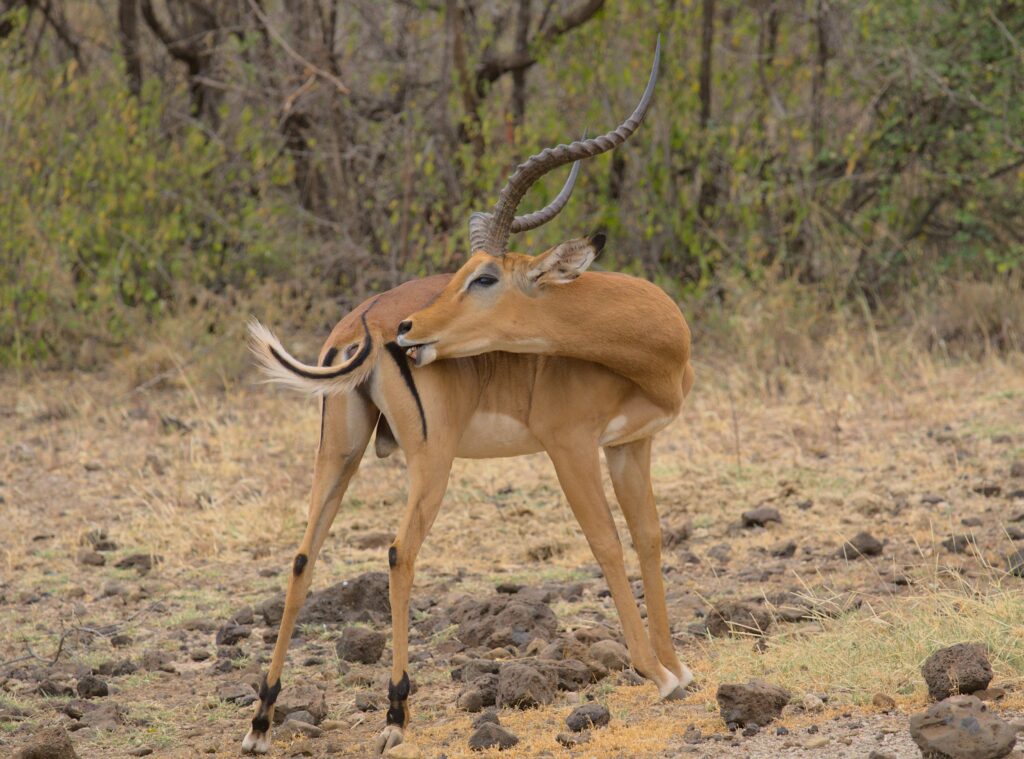
Responsible tourism helps protect Kenya’s rich biodiversity for future generations.
7. Stay Hydrated
Game drives can last several hours, especially during warm weather. Carry enough drinking water and stay hydrated throughout the day. Many safari operators provide water, but it is always wise to carry your own bottle as well.
8. Learn About the Destination Before You Travel
Reading about Kenya’s national parks, wildlife, and local cultures can make your safari more meaningful. Understanding the destination’s culture, ecosystem and the animals you encounter adds depth to the experience and helps you appreciate conservation efforts.
9. Respect Local Communities
Many safari destinations are located near local communities. Respecting local customs, traditions, and cultures creates positive interactions and supports sustainable tourism.

Consider purchasing locally made crafts and souvenirs to support community livelihoods.
10. Book With a Reputable Tour Operator
A professional tour operator helps ensure a safe, comfortable, and well organized safari experience. From transportation and accommodation to knowledgeable guides, choosing the right company can significantly improve your trip.
In summary, research reviews, compare itineraries, and select an operator with a strong reputation for quality service. In summary, a first time safari in Kenya should be an exciting journey filled with incredible wildlife encounters and unforgettable memories. By planning ahead, packing wisely, and following expert guidance from Bison Safaris, travelers can enjoy a smooth and rewarding experience. Whether visiting the Masai Mara, Amboseli, Tsavo, or any of Kenya’s other remarkable destinations, proper preparation is the key to making the most of every moment.