In the modern travel and tourism industry, Family Friendly Cultural Tourism play a vital role in shaping how young travelers experience the world. Whether on safari, in local communities or during cultural tours. Introducing children to diverse traditions in a safe, engaging and educational way creates lasting memories. However, not all cultural experiences are suitable for children. Understanding what works and what doesn`t is key to creating meaningful and responsible interactions
Why child friendly cultural experiences matter
Family Friendly Cultural Tourism helps children develop global awareness, empathy and respect for diversity. In destinations like Kenya, where culture is rich and diverse, children can learn through authentic experiences such as storytelling, traditional music, and local community visits. When designed properly, these interactions enhance both educational tourism and family travels experiences.
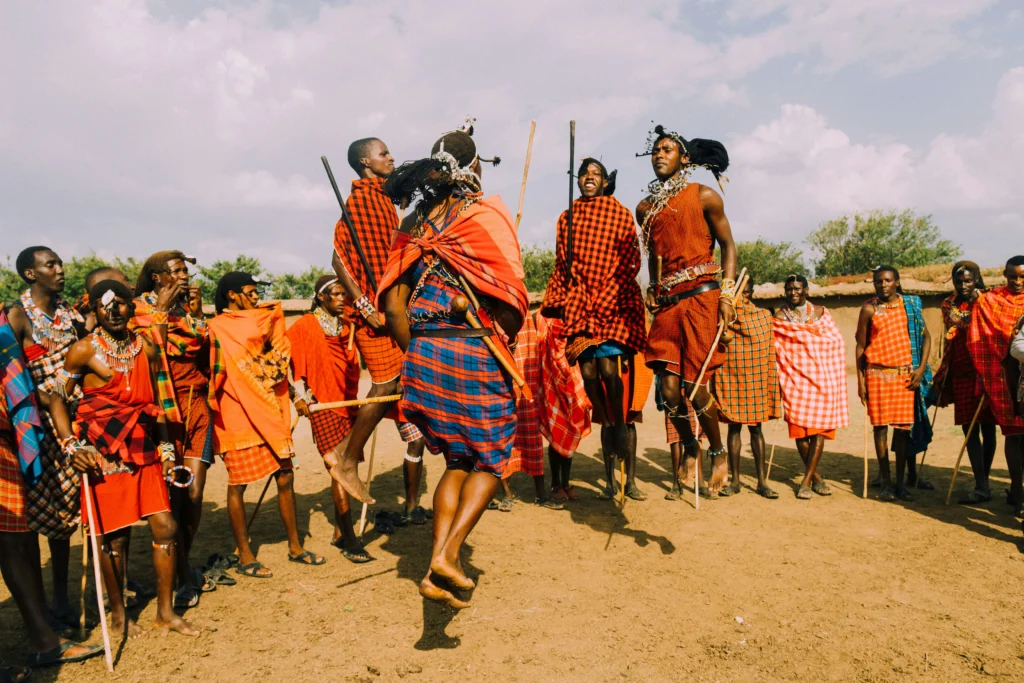
What works in Family Friendly Cultural Tourism
Interactive cultural activities
Children learn best through participation. Activities like traditional dance, storytelling sessions, beadwork, and local games allow them to engage directly with culture.
For example: during a cultural visit, children can join a simple traditional dance with a local community or learn how to make basic beads bracelets This hands-on involvement makes the experience fun and memorable.

Age appropriate learning.
Using simple and relatable examples ensures children understand and enjoy the experience. Cultural guides and facilitators should adapt explanations to suit different age groups.
For instance, instead of explaining Family Friendly Cultural Tourism history, a guide can compare traditions to things children already know like relating a cultural celebration to a birthday party or school event.
Visual and hands on experience.
Bright colors, artifacts, musical instrument and traditional attire capture children`s attention. For example: children can try on traditional clothing, hold simple musical instruments or watch how local crafts are made making the experience more interactive.
Storytelling and cultural narratives.
Stories are powerful tools for teaching culture. Sharing folktales legends, and real life experiences helps children understand traditions in an engaging and memorable way
For Instance, a local guide sharing folktales about animals, heroes or traditions can keep children engaged while teaching important cultural values.
What does not work in cultural experiences for children.
Information overload
Too many facts or long explanations can overwhelm children. Cultural learning should be simple, engaging and broken into small digestible parts.
Stereotyping and misinterpretation
Presenting culture in a narrow or generalized way can create misunderstandings. Authentic cultural tourism should reflect the diversity and depth of communities.
Passive learning methods.
Long lectures or non-interactive sessions reduce sessions reduce interest. Children need active participation to stay engaged and absorb information.
Forcing participation.
Not all children are comfortable engaging immediately. Forcing involvement can create anxiety. Instead, allow children to explore at their own pace.
Lack of cultural sensitivity.
Poorly planned interactions can lead to disrespect or discomfort for local communities. Responsible tourism practices should always be patronized.
Best practices for family friendly cultural tourism.
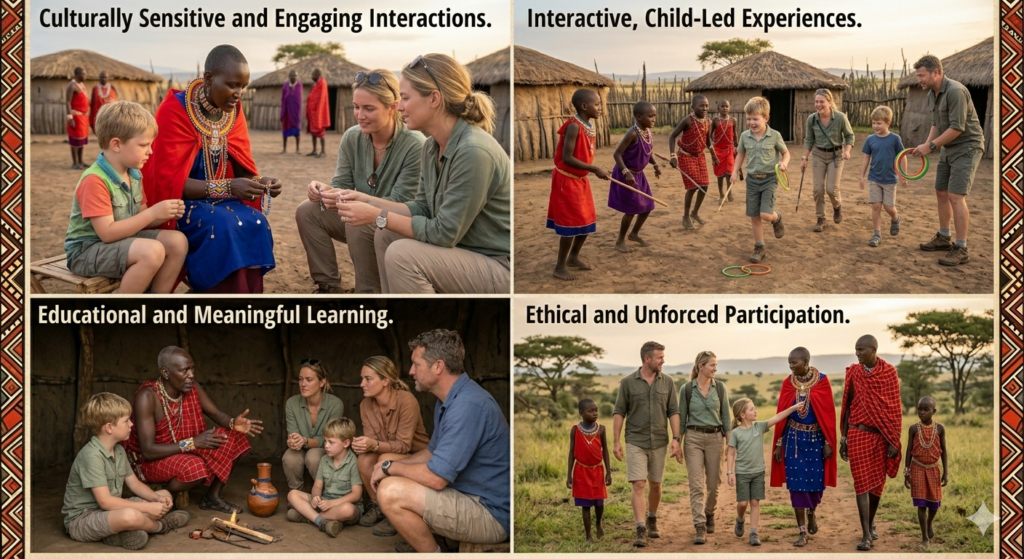
Design family oriented cultural tours. The activities should be tailored to suit both children and adults
Train guides in child engagement. Tour guides should know how to communicate with children in a fun and simple way.
Incorporate educational and fun activities. Learning should feel like play
Ensure ethical and respectful interactions. Cultural tourism must respect local communities and avoid exploitation.