Kenya
Kenya 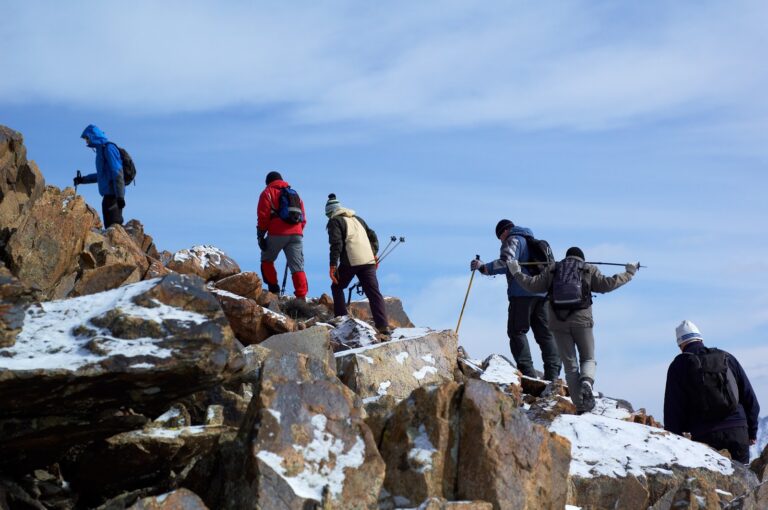 Mid-Range
5 Days
Mid-Range
5 Days
About Mount Kenya Trekking
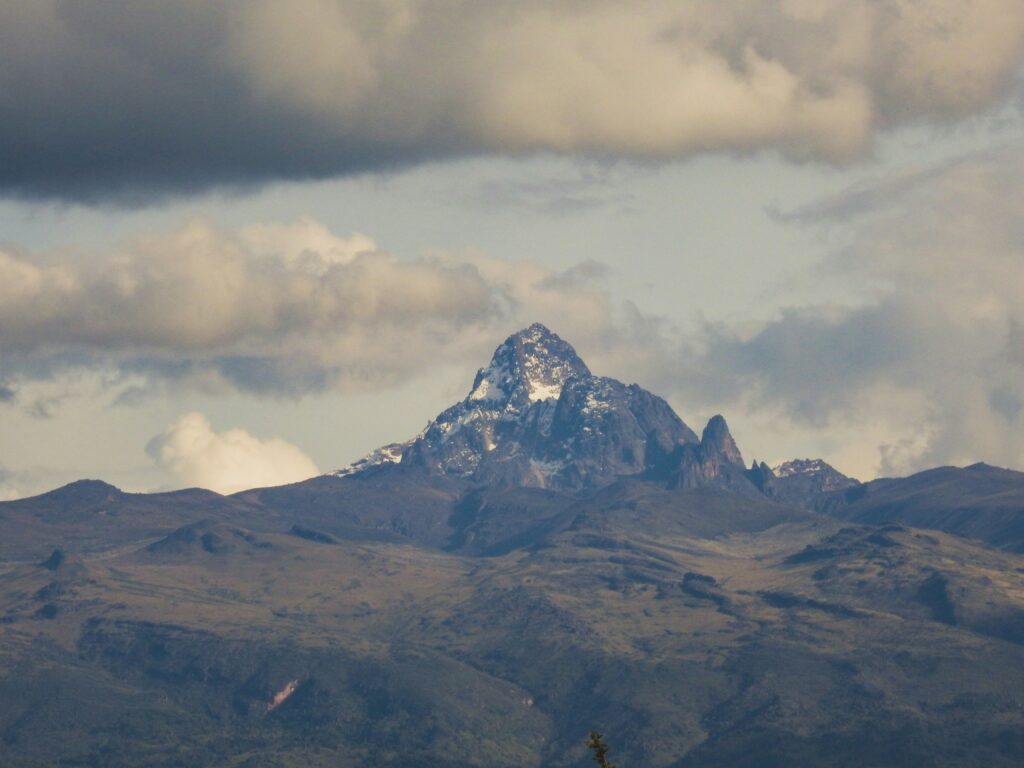
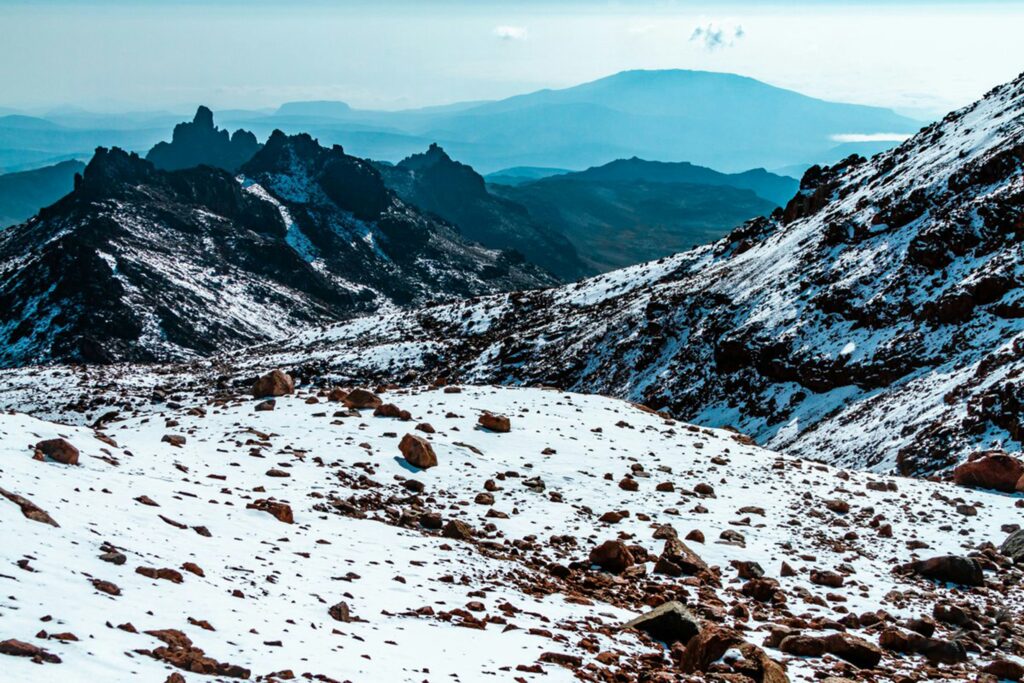
Dominating the central Kenyan skyline, Mount Kenya is a colossal, ancient stratovolcano whose jagged, snow-capped spires sit in defiant contrast to the equatorial sun. This UNESCO World Heritage site is far more than just an alternative to Kilimanjaro; it is a more rugged, intimate, and biologically diverse sanctuary that offers a true wilderness experience. Formed over 3 million years ago, the mountain’s dramatic topography is defined by deep, U-shaped glacial valleys and sheer volcanic cliffs that challenge both the casual trekker and the elite rock climber.
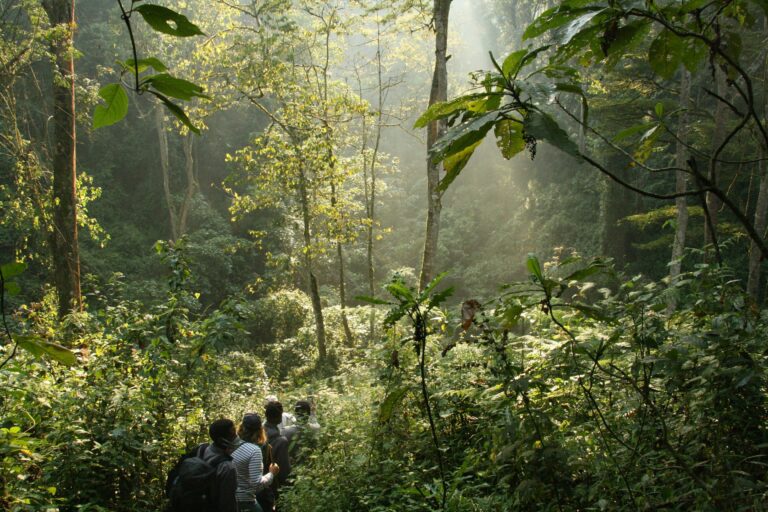
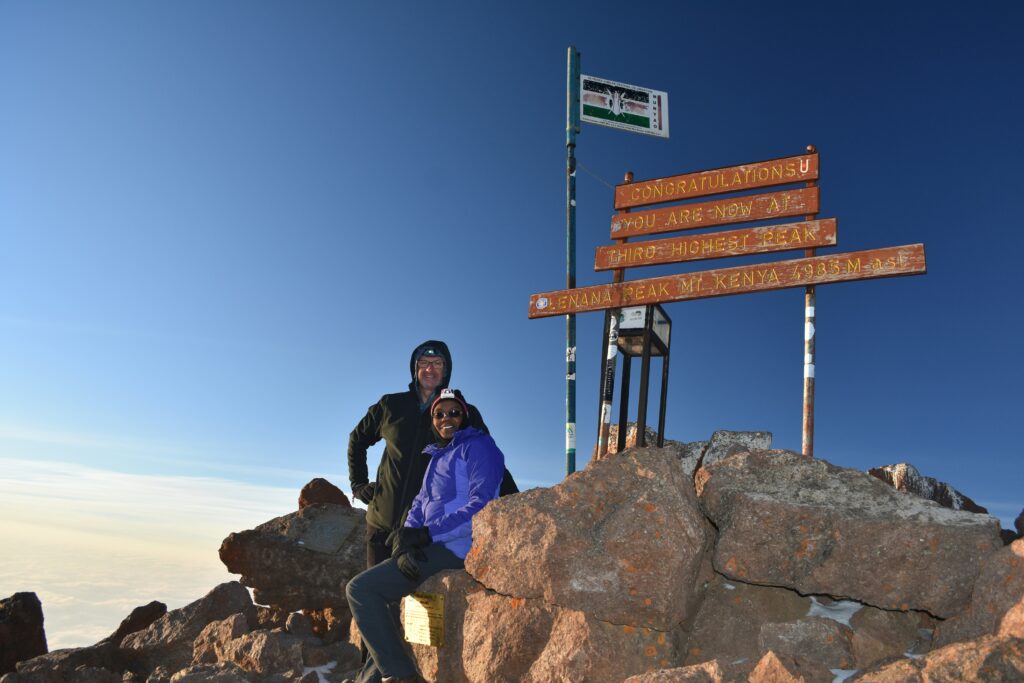
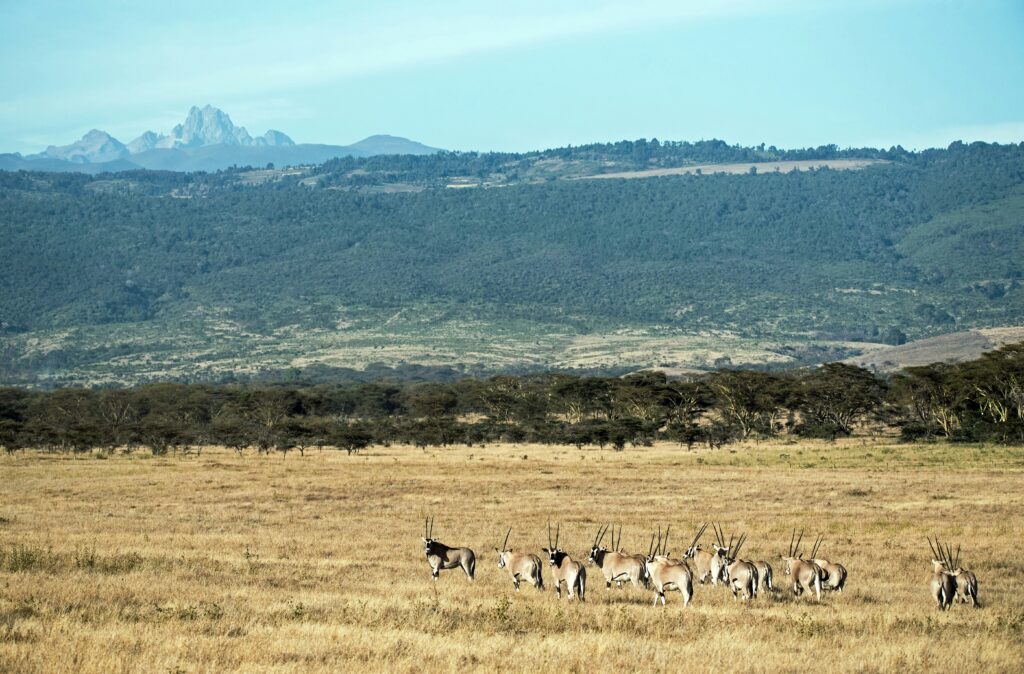
While the primary allure for many is reaching Point Lenana at 4,985 meters in Mount Kenya, the true magic lies in the ascent through five distinct ecological zones. You begin in dense, mist-shrouded montane forests – home to the big 5 -before transitioning through a belt of towering bamboo and into the surreal Afro-alpine moorlands.
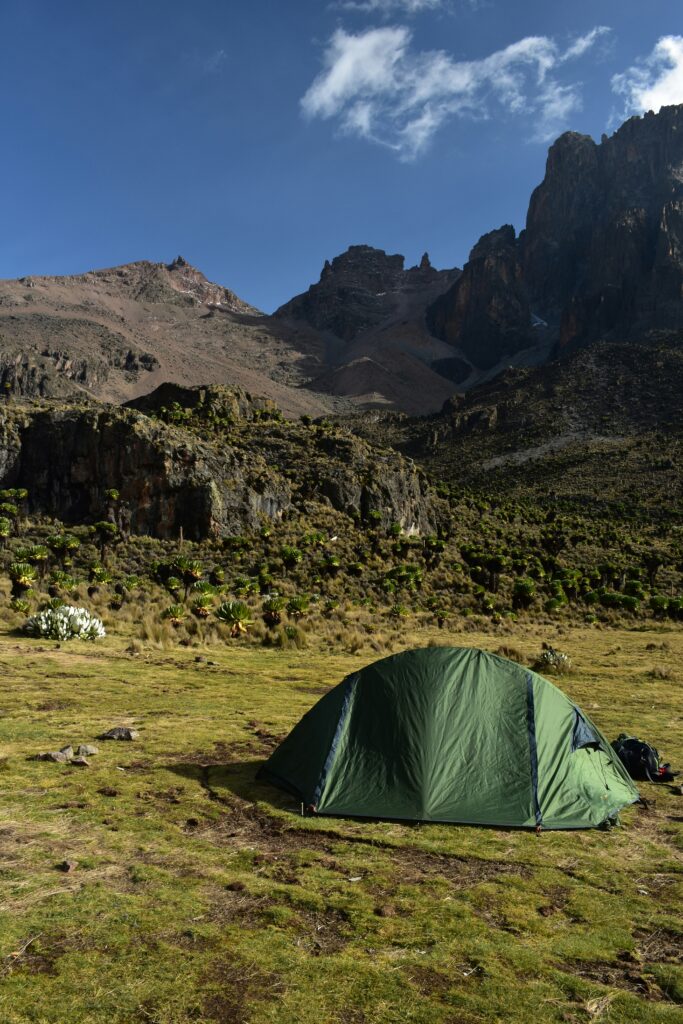
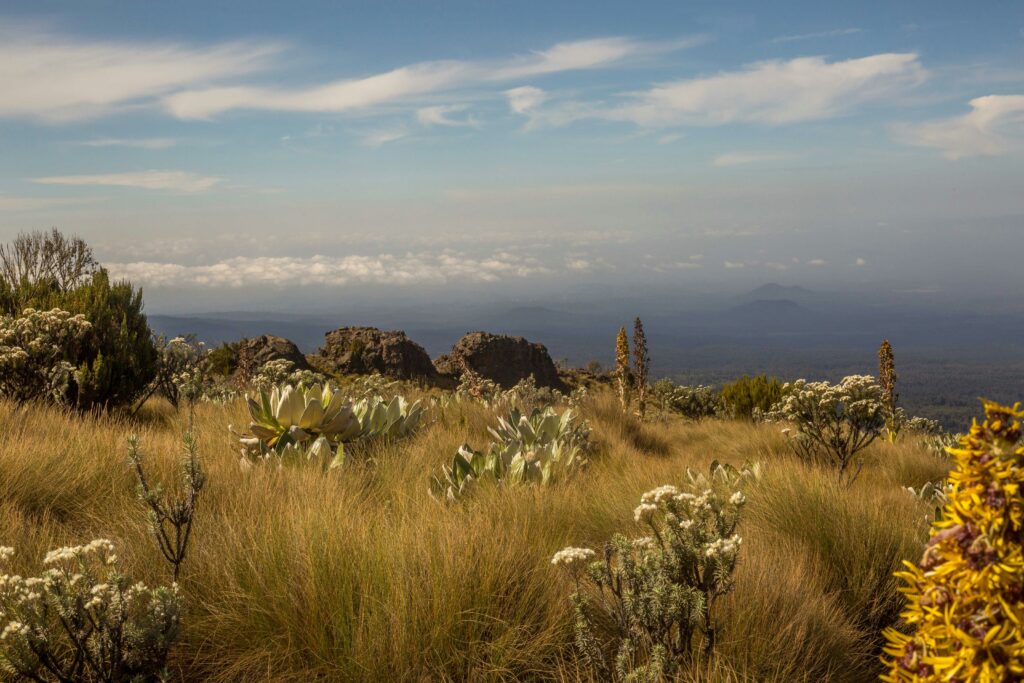
Here, the landscape takes on a prehistoric quality, populated by “botanical giants” like the endemic Giant Lobelias and Senecios that thrive in a climate famously described as “winter every night and summer every day.” With its crystal-clear glacial tarns reflecting the twin technical peaks of Batian (5,199 m) and Nelion, Mt Kenya Trekking provides a spiritual and physical journey through one of the most unique high-altitude environments on Earth.
Why trek Mount Kenya?
Unlike other mass-tourism peaks, Mt Kenya offers solitude. It features a unique “vertical bog,” stunning U-shaped glacial valleys, and the chance to see the big 5 in the lower forest zones. It is a UNESCO World Heritage site and a biosphere reserve of immense beauty.
Major Trekking Routes:
- Sirimon Route: The most popular for its steady altitude gain and beautiful forest approach.
- Chogoria Route: The most scenic, featuring Gorges Valley and the spectacular Lake Michaelson.
- Naromoru Route: The fastest but steepest ascent, famous for the “Vertical Bog” challenge.
- Burguret Route: A wild, less-trodden path through dense jungle for experienced hikers.
Must Visit Attractions:
- Mau Mau Caves: Historic hideouts used during Kenya’s struggle for independence.
- Lake Alice: A remote, pristine lake on the Chogoria side perfect for trout fishing in Mount Kenya National park.
- The Diamond Couloir: A world-famous ice climbing route for technical experts.
Practical Safari Tips:
- Acclimatize: Spend at least 3 nights on the ascent to avoid altitude sickness.
- Pack Layers: Temps range from 20°C in the forest to -10°C at the summit.
- Hydrate: Drink at least 4 liters of water daily to help your body adjust to the thin air.
The Afro-Alpine Wonderland
Between 3,000m and 4,000m , the landscape transforms into a prehistoric world. You will encounter Giant Lobelias and Senecios that grow up to 10 meters tall, set against a backdrop of jagged volcanic ridges. This unique botanical zone is a highlight of any Mt Kenya Trekking expedition, offering a visual experience found nowhere else on Earth.
What Makes It Special
Destination Highlights
Big 5 Encounters
Dense montane forests host elephants and buffaloes often seen on trails.
Point Lenana Sunrise
The 4,985 m summit offers stunning views on clear mornings.
Giant Flora Exploration
Hike through groves of prehistoric Giant Lobelias and Senecios.
Glacial Tarns
Discover emerald-green high-altitude lakes like Lake Alice and Michaelson.
Vertical Bog Challenge
A unique muddy trek through the moorlands that tests every hiker's grit.
Technical Rock Climbing
World-class granite climbing on the twin peaks of Batian and Nelion.
Photo Gallery
Mount Kenya Trekking in Pictures
Browse Packages
Mid-Range
5 Days
Mount Kenya Trekking Safari Packages
From budget shared safaris to luxury flying experiences — find the perfect adventure for your style and budget.
Mid-Range
5 Days
Accommodation Options
Where to Stay
Budget
Tourist Camps
Comfortable mountain huts or campsites for the rugged, self-sufficient trekker.
- Old Moses Camp (Sirimon)
- Shipton’s Camp (High Altitude)
- Met Station (Naromoru)
From $30/night
Mid-Range
Tented Lodges
Charming forest lodges offering hot showers, cozy fireplaces, and soft beds.
- Castle Forest Lodge
- Serena Mountain Lodge
- Bantu Mountain Lodge
From $150/night
Luxury
Premium Lodges
High-end retreats with spa facilities, gourmet dining, and private helipads.
- Fairmont Mount Kenya Safari Club
- Ol Pejeta Bush Camp
- Solio Lodge
From $450/night
Planning Your Visit
Best Time to Visit
Dry Season
January - March- Clear skies
- Ideal weather - Warm days
- High visibility
- Dusty trails
Cool Season
July - October- Misty mornings
- Cool temps
- Active wildlife
- Crisp air
Wet Season
November - December- Afternoon rain
- Fresh snow
- Empty trails
- Lush greenery
Common Questions
Mount Kenya Trekking FAQ
Yes. For safety and navigation, the Kenya Wildlife Service (KWS) requires all trekkers to be accompanied by a licensed guide. Porters and cooks are also highly recommended to ensure you can focus on acclimatization.
The Sirimon Route is widely considered the best for beginners due to its gradual altitude gain and steady terrain. For those seeking the most scenic experience, the Chogoria Route is the top choice.
The golden rule is "Pole Pole" (Slowly, Slowly). Most successful trekkers choose a 4 or 5-day itinerary to allow their bodies to adjust. Hydration is critical - aim for 4 liters of water daily.
The dry seasons - January to March and July to October - offer the clearest skies and most stable footing. January and February are particularly popular for technical climbs of Batian and Nelion.
For Point Lenana (4,985 m), no technical gear is needed—just sturdy hiking boots and warm layers. However, the highest peaks, Batian and Nelion, require full rock-climbing equipment and advanced technical skills.
Signal is intermittent. You may find reception at major camps like Shipton’s or Old Moses, but it is unreliable at higher altitudes and in deep valleys.
Location
Getting There
LocationCentral Highlands
By Road200 km Accessible via the A2 highway through Thika to Nanyuki or Naromoru
By AirDaily scheduled flights from Wilson Airport to Nanyuki or Kamok Airstrip
GPS Coordinates-0.1508° S, 37.3083° E