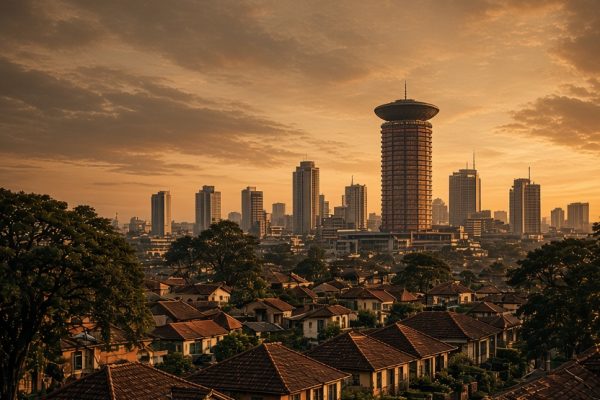
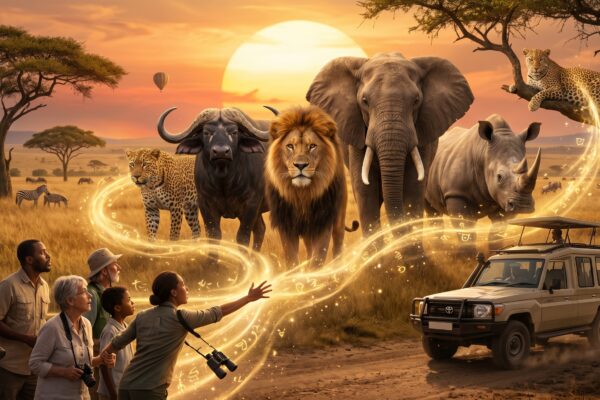
Imagine having the golden plains of the Masai Mara all to yourself -without the gold-plated price tag of the peak season.
Kenya is described as the heart of African safaris, with vast savannahs, towering acacia trees, shimmering lakes, and iconic wildlife, capturing the imaginations of travelers. From the thrilling predator hunts in Masai Mara to herds of elephants in Amboseli and unique species of Samburu, Kenya offers an unparalleled safari experience, combining adventure, culture and breathtaking landscapes.
The cost of a Kenyan safari during peak season can be overwhelming. Fortunately, travelers can enjoy Kenya without overspending during the shoulder season. The shoulder season is the period before or after peak tourist months, offering a sweet spot between cost, weather and wildlife activity.
In Kenya, these periods are typically April to May and October to November. Understanding Kenya’s shoulder seasons, travelers plan an affordable and unforgettable safari without paying the premium of peak-season travel. In this guide, we explore why shoulder seasons are ideal for safaris in Kenya and how to make the perfect window for adventure, value and breathtaking wildlife experiences.
Defining Kenya’s Shoulder Seasons in Detail
When we talk about the ‘Shoulder Season’ in Kenya, many people think of one long, monolithic period. In fact, because of the variable rains across the country, we can talk of several different shoulder seasons, each with a unique character. The first of runs from January to March. It follows the short rains of November and December, but is before the heavy long rains of April/May. Whether the long summer months feature sunshine or occasional thunder storms, this is an excellent time to visit. The area will be green and grasses short allowing great visibility for spotting wildlife. The air clarity is exceptional in these months and warmth lingers well into the evenings providing the perfect setting for an early morning game drive.
While many would argue that shoulder season takes place during the late spring and early fall, before the peak of summer and after the crowds have melted away, the second – and arguably more overlooked – takes place in the weeks and months after Thanksgiving. Specifically, late October, November and into mid-December.
We’re now entering the period known as the “short rains” and while the name may imply that the whole season will be punctuated by rain it’s more typically a series of short bursts, sharp thunderstorms that erupt in the late afternoon or evening. Grey sky/horizon, with spectacular storms moving through and clearing to bright blue as the sun sets out here. Periodic rain for the rest of the week with plenty of dramatic, moody, purple-hued skies. Also worth noting here is that there is a small “shoulder” season in late June before the crowds arrive for the Great Migration in July. The long grass is tall and green, and with the morning sun shining brightly the light is crisp and perfect for photography. By recognising the micro-seasons of the year, travellers can choose the safari of their dreams, whether it be hot and bright in February, or cool and fresh in November, without having to pay peak-season prices – that frenzied July-to-October period when every other tourist seems to be on safari.
Safari Destinations in Kenya for Shoulder Season
The Masai Mara
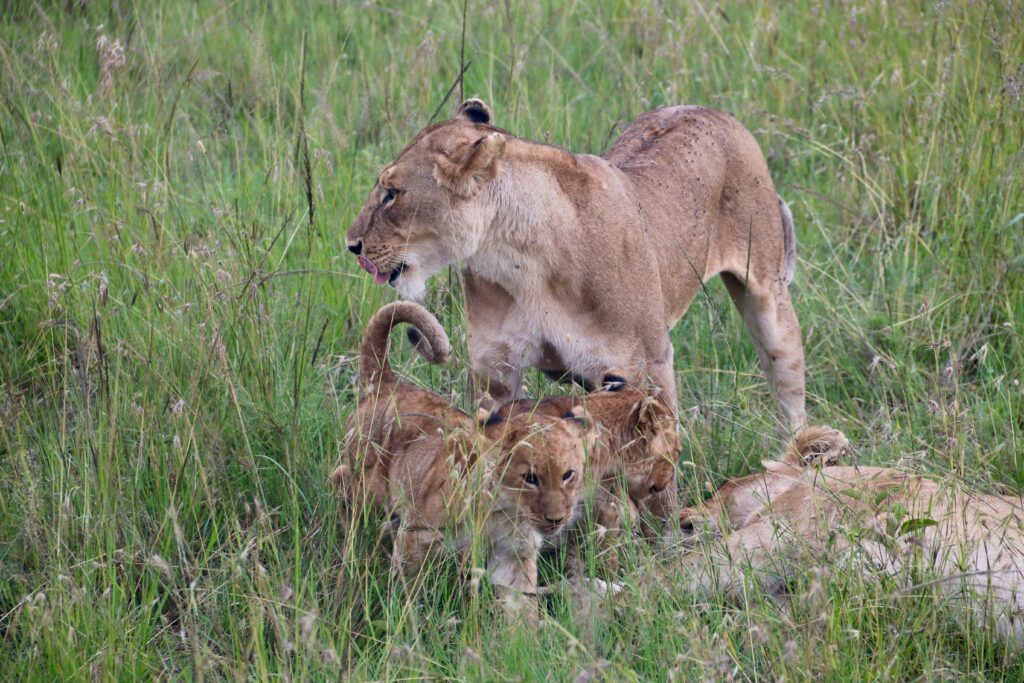
It is Kenya’s most iconic safari destination, renowned for abundant wildlife and dramatic plains. During April to May and October to November, the park is less crowded, giving travelers intimate wildlife encounters. Mara’s post-rain greenery creates vibrant and photogenic landscapes that contrast beautifully with the golden dry season, perfect for photographers and nature lovers.
Amboseli National Park

Famous for majestic elephant herds and iconic views of Mount Kilimanjaro during the shoulder season, the park is quieter and more serene. The plains are lush, waterholes are full and wildlife is active, providing excellent opportunities for spotting elephants, zebras and birdlife against the backdrop of snow-capped Kilimanjaro.
Samburu and Shaba Reserves
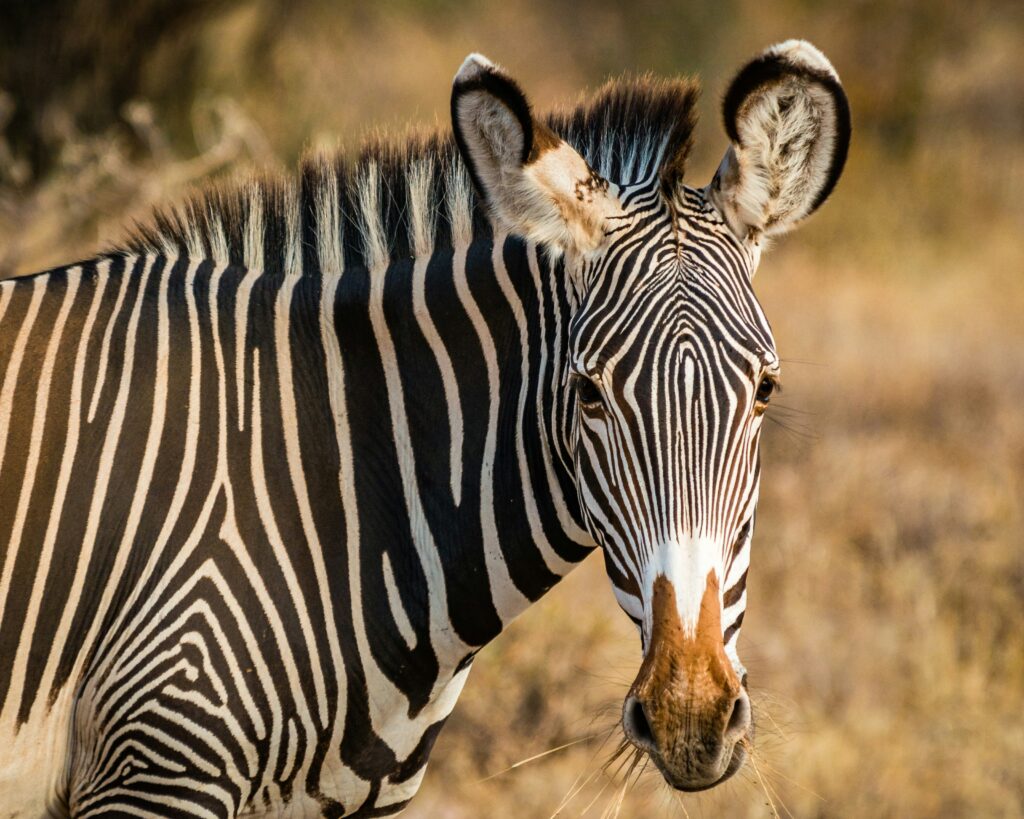
The Northern Kenya’s Samburu and Shaba reserves offer unique and rare wildlife species such as Grevy’s zebra, reticulated giraffes, Somali ostriches and gerenuks. During this season, these reserves are less crowded and animals are visible and active. The landscapes are lush yet rugged, creating dramatic scenery for wildlife viewing and photography.
Lake Naivasha & Crescent Island
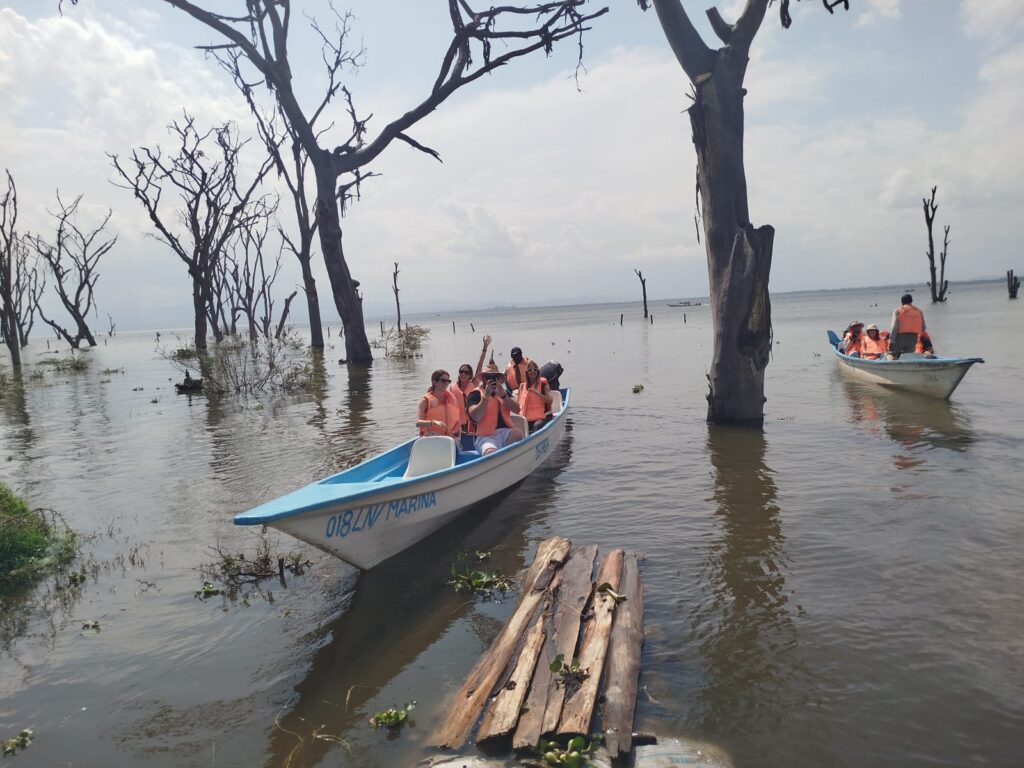
Lake Naivasha offers a different safari experience, combining water-based activities with traditional game viewing. During the shoulder season, the lake is full and vibrant, attracting hippos, water birds, and giraffes on nearby Crescent Island. With fewer tourists, you enjoy peaceful boat rides and walking safaris with minimal crowds.
Tsavo East & West National Parks
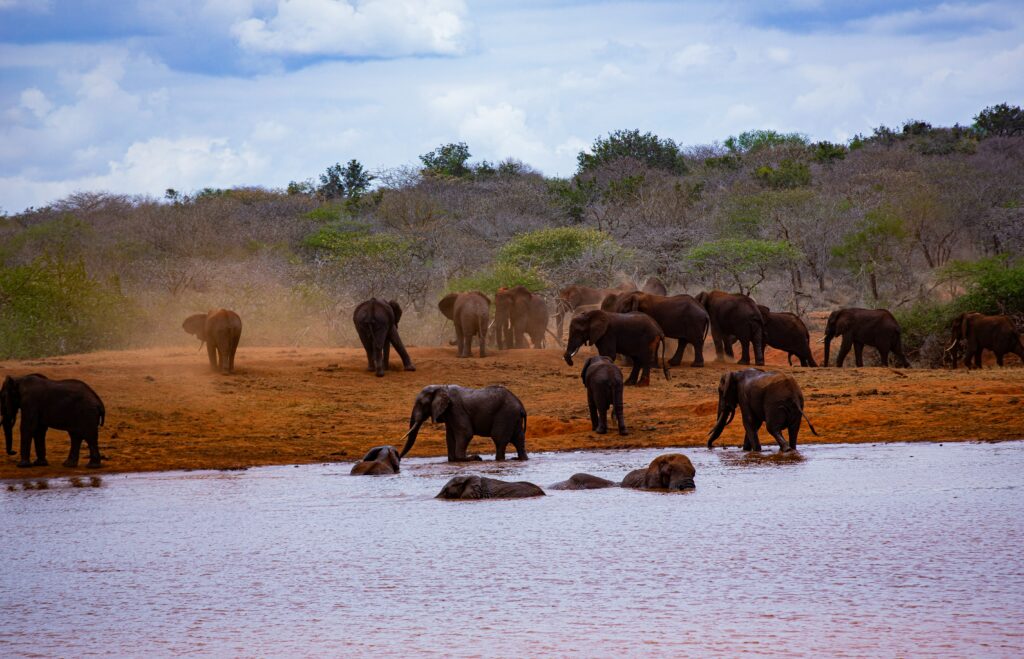
Tsavo is famous for its diverse landscapes, elephants, lions and volcanic formations. It is ideal for travelers to explore these massive parks with fewer tourists and lower prices during this season. The rains give lush vegetation and flowing rivers, making the Tsavo plains more photogenic and alive.
Meru National Park
Meru is a lesser-known gem, offering excellent wildlife sightings without the crowds. The park is accessible after the rains, with waterholes attracting animals such as elephants, lions, rhinos and buffalo during this season. The green landscapes, combined with fewer vehicles on game drives, create a tranquil and immersive safari experience, ideal for photographers and travelers.
Laikipia Plateau
Laikipia offers an exclusive safari experience during this season; travelers benefit from lower rates and smaller crowds. Wildlife is active, water is plentiful after the rains and dramatic plateaus and rolling hills provide stunning scenery for photography and wildlife spotting.
Why Shoulder Seasons Are Ideal for Kenya Safaris
Lower Costs
It is well known that travelling on the shoulder season can save lots of money on your safari in Kenya. While it is easy to calculate simple percentages off the usual high-season tour price, not a lot of attention is given to the finer details about where exactly the savings actually occur.
In the luxury camps and hotels we use, there is typically a saving of 20% to 40% per person per night on the usual high-season rack rate.This drastic reduction means that mid-range budget travelers can suddenly afford a five-star luxury experience that would otherwise be entirely out of reach.
The drastic reduction in room rates during the winter season means mid-range travelers can now easily afford five-star luxury they never could have afforded before.
Many tours and travel packages also offer competitive prices during the shoulder season. Furthermore, many camps and lodges have stay-pay promotions where you may be able to get a free night. For example, stay three nights, pay for two or stay four nights, pay for three. By taking advantage of these offers on consecutive nights, a ten day trip could easily save thousands of dollars.
For solo travelers, the shoulder season is often the best time to go on a Safari, as during the peak migration months, many lodges will charge steep single supplements. However, in November and February these single supplements are often reduced or waived entirely in order to fill empty rooms.
You might be surprised to learn that the cost of flying into the International terminal at Nairobi’s Jomo Kenyatta International Airport (JKIA) during the shoulder season is less than having your friends and family drive you out to the Domestic terminal on the opposite side of the airport the last leg. The months outside of Northern Hemisphere summer vacation and winter holidays come with lower airline fares to encourage travel during slow times.
In addition to fixed national park entry fees, many of the private Kenya conservancies reduce their conservation fees during the shoulder season.. When considered together, these financial levers make for a shoulder season safari the absolute most cost-effective way to experience world-class African wildlife.
Fewer Crowds
However, it may be the most important luxury of all: space. Kenya’s premier game viewing parks – the Maasai Mara, Amboseli and Nakuru to name three – are world famous. And famously crowded in the peak season months of July and August.The masses tend to congregate around the most popular sights, turning what should be a natural encounter into a media event.
A handful of high-profile animals are gawked at by a dozen or more 4x4s at a time, as the cacophony of idling diesel engines, click-click-clicking cameras and streams of chattering tourists drowns out the sounds of the African wilderness. But by the shoulder season, the congestion dissolves. There’s no more queueing for a spot. You can drive for half a day through the rolling plains of the Mara or the red dirt roads of Tsavo, rarely passing another car.
And when your guide finally tracks down a sleeping pride of lions tucked under a canopy of thorns, it’s all but guaranteed you’ll have the tree to yourself. Complete silence can be your vacation long-term. Sit in utter stillness and listen to the rustling of grass and ripples of wind, the deep breaths of massive cats, or the far-off piercing call of a fish eagle as it soars overhead.
Each safari lodge has a limited number of guests, and since your dedicated guide and staff will be giving you the utmost in hyper-personalized service, your vacation can unfold exactly as you envision it. If you want to sit for hours and watch the change in behavior of one animal, you can do just that.
Lush and Vibrant Landscapes
The rains leave lush greenery, flowing rivers and full lakes. The scenery is photogenic, with vibrant colors and dramatic skies providing a perfect backdrop for wildlife.
Unique Wildlife Experiences
After the rains, many animals give birth, making it extraordinary and highly rewarding for nature lovers and photographers.
Comfortable Weather
The weather offers milder temperatures, clear skies and refreshing air, making early and late game drives more comfortable.
Excellent Photography Opportunities
One of the biggest myths about a Kenyan safari is that great wildlife viewing only occurs during the Great Migration. However, January to February and April to May season, often provides the most exciting, dynamic, and best wildlife viewing of the year with great action and photography.
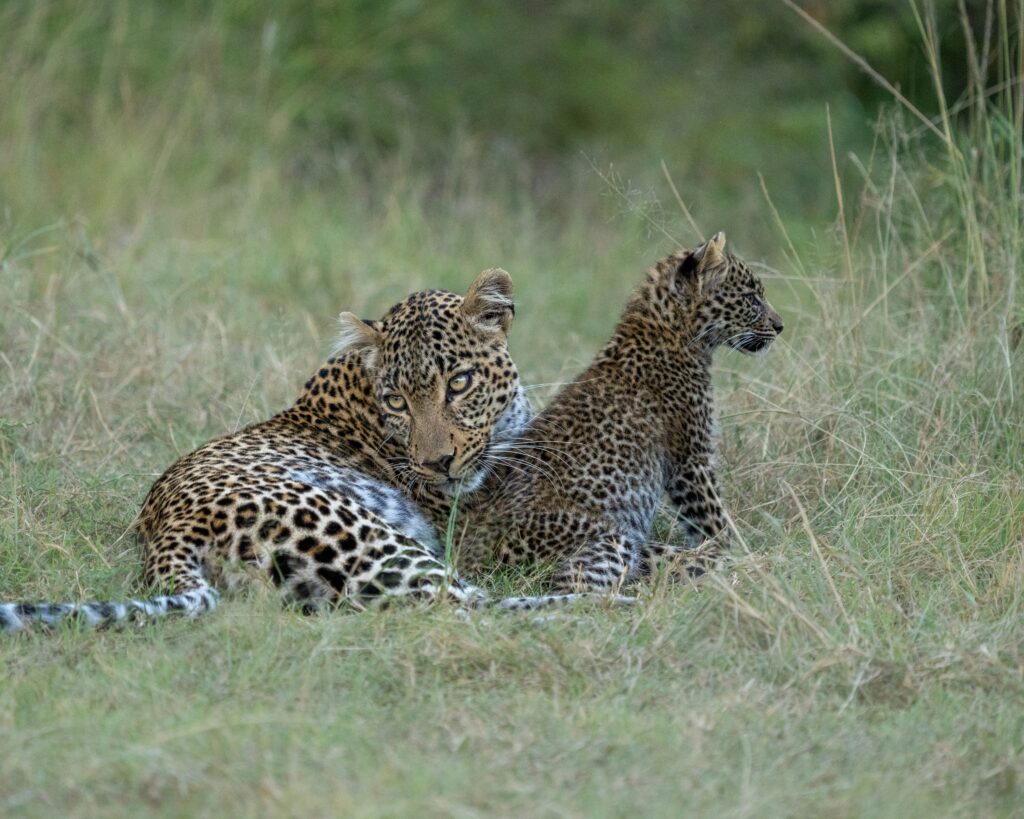
In January and February, it is the birthing season for many of the plains game species. The savannah is in a constant state of renewal as everything seems to be growing up all at once. The savannah turns into one huge nursery with wobbly, wobbly calves of impala, zebra and wildebeest and of course the inevitable lion, leopard, cheetah and hyena that is always ready to capitalize on this abundance of vulnerable young.
With such young prey comes a lot of action packed interactions between predators and prey that can rival the best of the best of peak season. Everything is growing up all at once and The savannah is in a constant state of renewal as new calves tumble and wobble about their clumsy but adorable feet.
Meanwhile the experienced nursery of life, always ready for advantage, consists of wobbly, wobbly calves of impala, zebra and wildebeest and of course the inevitable lion, leopard, cheetah and hyena always ready to capitalize on the offering. The action packed interactions between mother and young and those ever present predators can rival the best of the best of peak season.
Lions with tawny fur, elephants with slate-grey skin. It’s easily the best time of year for photography in Africa: the so-called shoulder season with its short rains scrubbing all the dusty grime out of the air to deliver astonishingly sharp and clear visibility. And a fresh-washed landscape gleams at your feet.
Transitioning from October’s dry, yellow grass to lush, green fields of wonder provides a sharp color contrast against the backdrop of the spectacular lighting of approaching afternoon thunderstorms. This provides photographers with dramatic conditions that were not present during the flat-lit days of August.
Discounted Luxury Experiences
Kenya’s shoulder season – those wonderful periods outside of the main migration seasons when the crowds dissipate – offer up some fantastic financial savings to travelers. But while it’s often the lower-end lodges and safari camps that see the biggest savings in terms of per-night rate for their more basic rooms and shared facilities, those seeking luxury lodges and exclusive tented camps can still enjoy a drastic cut in cost as well.
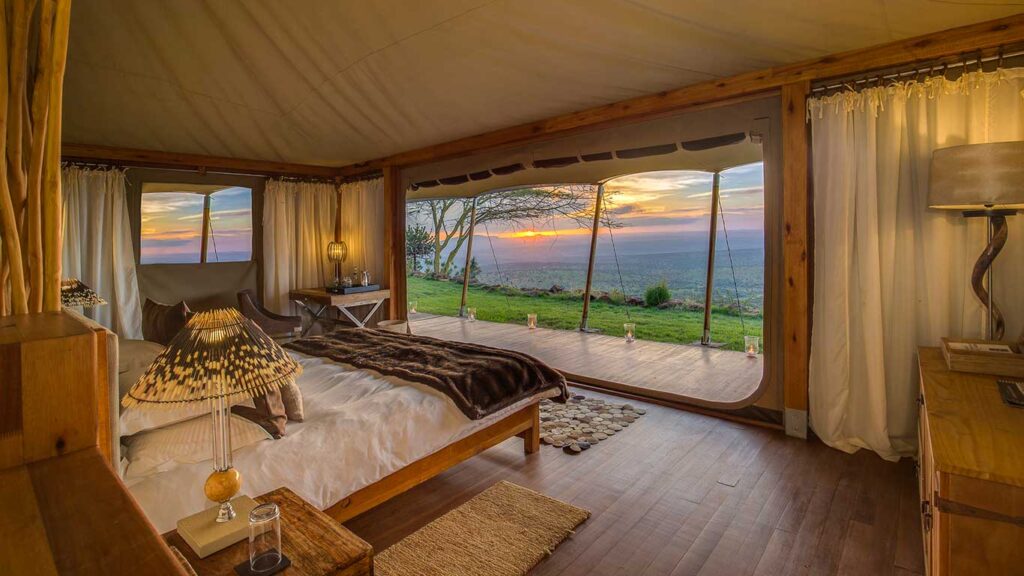
While top-shelf safaris can cost $1,000 + per person, per night during peak season – based on when the Great Migration’s wildebeest herds are most active – prices drop to perhaps one-third that amount once the crowds are gone.However the decrease in price means that luxury can be afforded to those on a budget. Travelers can opt for canvas tents with copper standalone bathtubs, large plunge pools, and mahogany verandahs.
These lowered rates often include upgraded services such as a personal butler, complimentary spa treatments and multi-course meals prepared by celebrity chefs by some safari operators. Many high-end safari operators are also offering an aggressive stay-pay this season in Kenya. Many lodges offer a ‘4th night free’ or ‘complimentary hot air balloon’ on longer stays, but it’s the far greater value you get from a shoulder season safari that really packs a punch.
Flexibility and Availability
For those longing to go on a peak-season Kenyan safari, the inflexibility of the itineraries normally in place, caused by the fact that camps like these are fully booked for July and August well in advance, can be one of the most disappointing aspects of planning a trip out here. On a shoulder season safari however, there is far more room for manoeuvre.
For every pre trip plan that we make, there is a corresponding chance that it can be realised out on Safari. Being able to stay an extra night in the Maasai Mara due to superb recent sightings of lions and other wildlife is just as likely as being able to stay for an earlier return. The spaciousness and availability of lodges and the ability to take unhurried game drives enables this flexibility.
It means you are not to the ransom of a lodge schedule, and don’t have to spend half the day switching cars to view some spread out animal sighting because other guests are arriving at the same time. Should you want to hang out by a hippo pool for three hours and do nothing else, you can. Or you might sleep in and have breakfast in bed. That’s what I call the shoulder season’s operational advantage.
Balanced Safari Experience
But what makes the shoulder seasons the best times to go on safari in Kenya? Indeed, during the height of the dry season the landscape can be parched, and dusty, and miserable; while in the peak of the long rains the roads may be impassable and game drives get ruined. However the shoulder periods of these seasons strike a balance, and make for an ideal time to come visiting. It’s all about being just right.
All around us is a land full of vibrancy, full of life and full of color. The occasional storms of recent days have washed away a lot of dust from the air, a blessing to many who suffer from allergies or wear contact lenses. The lush green of the Savannah is at its best, providing fresh feed to all herbivores and keeping them active and healthy. As a result, all predators in the land are on full view and at their most active.
We are not recommending any increase in the density of human destinations along wildlife areas, indeed the prevailing equilibrium is just right in terms of providing tourists with satisfactory levels of both wildlife viewing opportunities and comfort .
Shoulder Season Safari Tips
Book Lodges and Tours Early
While the shoulder season offers up wonderful availability during the months when the peak migration months don’t quite coincide with the calendar months, the thought of leaving last minute planning to some flustered tourist is far from accurate.
Seasoned travellers and even seasoned safari goers are starting to realize just how wonderful the ‘in between’ months are, and as a result the most wonderful boutique camps and the very best guides get booked up just as quickly as during the peak months.
Reserving your space early will lock in current lowest prices for the event, in addition to ensuring you pick the best location in camp, whether it’s a riverfront “sweet” or a larger Family Suite for bigger crews. Let us handle all the details while you reap the rewards.
Pack Smart for Unpredictable Weather
It’s well known that the weather during shoulder season can be tricky. Even on a single day, there might be cool mornings, hot afternoons, and unexpected evening thunderstorms. That means you have to pack smart, with lots of layers in your travel wardrobe.
- Essentials to Pack: Top 10 List for a Safari Holiday – Bringing the Right Outfit for Early Morning and Late Evening Game Drives.
- Midday: Wear breathable, moisture-wicking shirts and convertible trousers that can adapt as the equatorial sun heats the plains.
- Evening: Pack a compact, light weight rain jacket in your backpack, just in case it decides to drizzle.
- Replace your hefty hiking boots with a pair of comfortable, waterproof trail running shoes that will handle the damp camp track fine but ventilate when it’s hot.
Consider Lesser-Known Parks and Conservancies
While most visitors flock to the famous Maasai Mara during peak season, shoulder season offers the perfect opportunity to discover the unspoilt wonders of other Kenya wilderness areas off the beaten track.
Laikipia: Known for experimenting in conservation models, Laikipia offers visitors a chance to track endangered wild dogs and black rhinos, and also offers activities not permitted in national parks such as guided walking safari and night drives.
Also worth visiting are Samburu and Shaba in the dry north, characterized by rugged, parched terrain and home to the Samburu Special Five, much rarely seen species including the reticulated giraffe, Grevy’s zebra, Somali ostrich, beisa oryx and long-necked gerenuk.
Meru National Park: Famous as the setting for the true-life story of “Born Free,” Meru is known for its lush swampy areas, fast flowing rivers and high grass plains. Very quiet and it offers a 100% wild and solitary African safari experience.
Plan for Flexible Itineraries
Considering timing for a safari? Consider time off other tourists rather than just the time of year. Yes, some months are better than others but in peak season, the drivers follow a fairly set-out itinerary, whereas having more time in shoulder season allows you to follow the trail of hot dust that your driver guide leaves, in whatever direction he thinks you should go. Discuss the order of priority with your driver guide upon arrival.
Leopard spotting is a high priority for you to have the flexibility in your itinerary to go in search of them. Fresh footprints lead along a dusty dry river bed, as we follow on from yesterday’s tracks. Having some flexibility in the itinerary is important too, and this trip allows for a bush breakfast to be enjoyed should the occasion arise, or to fit in a longer full-day game drive with sandwiches for lunch.
Take Advantage of Photography Opportunities
For both amateur and professional photographers, the shoulder season is often a much-underappreciated time of year. While many dream of visiting parts of Africa during the dry season for optimal wildlife viewing, the reality is that all of that dry weather creates a horrible haze that results in some pretty flat, un-interesting photography light.
The occasional rains of the shoulder season serve as a powerful cleaning agent, washing away all of that dusty air and delivering razor-sharp clarity in their wake.It’s hard to find much to complain about when you get purpling thunderstorm clouds set against warm, sunny and brightly-coloured golden grasses.
Of course there’s little risk of heat haze at this time of the year, and that’s especially important when using the telephoto end of a zoom. Here you’ll find a selection of award-winning imagesAs Migratory species arrive in numbers and New-borns start to emerge, the diversity of subjects is huge and fascinating.
Combine Safari with Cultural Experiences
The shoulder seasons are less crowded, which makes it easier to visit local communities such as the Maas or Samburu, making your trip more immersive and meaningful.
April to May and October to November season in Kenya, offers a perfect balance for travelers seeking an affordable, immersive and unforgettable safari experience. Beyond cost savings, this season provides flexibility, comfort and an intimate connection with nature and local culture.
This season is ideal because it combines affordability, excellent wildlife viewing, stunning landscapes and an immersive safari experience, making smart choice for both first-time visitors and seasoned safari enthusiasts.