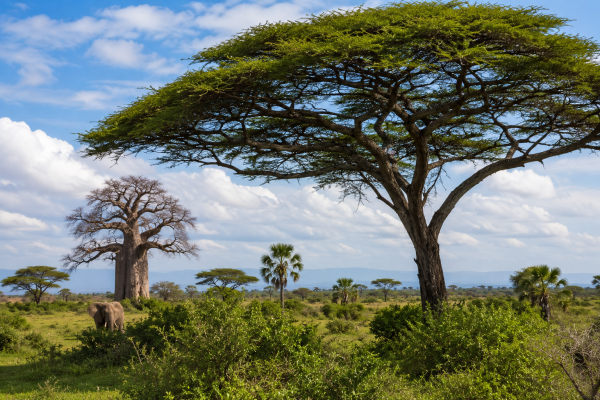
Beehive fences in Kenya are one of the most innovative and nature based solutions used to reduce human–elephant conflict. In rural areas near wildlife reserves, elephants often raid farms in search of food, causing major crop losses for farmers.
Instead of using electric fences or harmful methods, communities in Kenya are now using bees as a natural deterrent. This approach not only protects crops but also supports conservation and sustainable tourism.
At Bison Safaris, we highlight such conservation stories because they give travelers a deeper understanding of Kenya’s wildlife beyond the safari experience.
What Are Beehive Fences in Kenya?
Beehive fences in Kenya are simple but effective barriers made by hanging beehives along the boundaries of farms. These hives are connected with wires so that any disturbance triggers the bees.
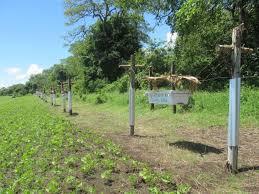
The system works because elephants naturally avoid bees. When they sense or disturb the hives, they quickly retreat, preventing damage to crops.
This makes beehive fences a non-violent and eco-friendly solution to human–wildlife conflict.
How Beehive Fences in Kenya Work
Beehive fences→ Elephant deterrence→ Reduced crop raiding
The process behind beehive fences in Kenya is simple but very effective:
- Beehives are installed along farm boundaries
- Wires connect the hives to form a protective fence
- When elephants push or shake the fence, bees become disturbed
- The sound and threat of bees cause elephants to move away
This natural reaction helps prevent destruction without harming animals or people.
Benefits of Beehive Fences in Kenya
Protection for Farmers
Farmers can protect their crops from elephants without constant guarding or expensive fencing systems.
Reduced Human–Elephant Conflict
Beehive fences in Kenya significantly reduce dangerous encounters between people and elephants.
Sustainable Income from Honey
Farmers can harvest honey and beeswax, turning conservation into an additional income source.
Eco-Friendly Conservation Method
Unlike electric fences, beehive fences do not block wildlife movement or damage ecosystems.
Community Empowerment
Local communities become active participants in wildlife conservation rather than victims of it.
Beehive Fences in Kenya and Wildlife Tourism
For visitors on safari, beehive fences offer a powerful conservation story that goes beyond game drives.
In places near Amboseli, Tsavo, and Laikipia, travelers can learn how communities are protecting their farms while living alongside elephants.
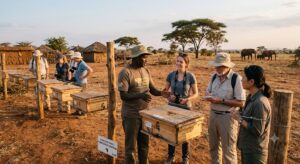
This adds depth to the safari experience because tourists don’t just see wildlife, they understand the efforts behind protecting it.
Where Beehive Fences in Kenya Are Used
Beehive fence projects are found in several parts of Kenya, especially in areas close to wildlife habitats:
- Laikipia Conservancies
- Parts of Amboseli ecosystem
- Community farmlands near Tsavo
- Rural farming areas bordering wildlife corridors
These regions show how innovation and tradition can work together in conservation.
Challenges of Beehive Fences in Kenya
While effective, beehive fences in Kenya also face some challenges:
- Bee colonies can be affected by drought or disease
- Maintenance is needed to keep hives active
- Initial setup costs may be difficult for some farmers
- Not all regions are suitable for beekeeping
Despite these challenges, the system continues to grow due to its long-term benefits.
Why Beehive Fences in Kenya Matter for Conservation
Beehive fences in Kenya represent a shift in conservation thinking. Instead of separating humans and wildlife, this approach encourages coexistence.
It shows that:
- Nature can provide solutions to human problems
- Communities can benefit directly from conservation
- Wildlife protection can support local livelihoods
This balance is essential for the future of conservation in Africa.
Beehive fences in Kenya are a powerful example of how simple, nature-based solutions can solve complex conservation challenges. By using bees to deter elephants, communities protect their crops while preserving wildlife.
This innovation proves that humans and nature can coexist when solutions are designed with both in mind.
For travelers, it adds a deeper layer to the Kenyan safari experience, one where every elephant sighting is part of a larger conservation story.
At Bison Safaris, we believe a safari should be more than just wildlife viewing, it should be an educational and transformative experience.
When you travel with us, you don’t just see elephants in places like Amboseli or Tsavo. You also learn about innovations like beehive fences in Kenya and how local communities are protecting wildlife in sustainable ways.
This makes your journey more meaningful and connected to real conservation efforts on the ground. Learn more about our experiences by viewing some of our safari packages here and choose the adventure that suits you best.