A Kenya safari can look simple from the outside. Pick a park, choose a camp, book a vehicle and head into the wilderness. In reality, there is much more to getting the pieces right.
How many days should you spend in each destination? Should you drive between parks or fly? Which accommodation fits your budget without putting you too far from the places you want to explore? What should be included in the quotation? And what happens after you have paid and the excitement of the booking gives way to the practical details of preparing for the trip?
These are the kinds of questions that sit behind every safari.
At Bison Safaris, the planning process is built around helping travelers put those pieces together. Based in Nairobi, Bison has been operating since 2009 and offers safari experiences across Kenya, from budget shared journeys to private and luxury itineraries.
But choosing a safari company is about more than knowing where the animals are. It is also about knowing who is handling the details of your journey.
Starting With the Traveler, Not a Standard Package
There is no single version of a Kenya safari that works for everyone.
A couple visiting Kenya for the first time may want a private itinerary combining the Masai Mara with Amboseli. A family may need a slower pace and accommodation suited to children. A solo traveler may prefer a shared safari to keep costs down. A wildlife enthusiast may care more about spending extra time in a particular ecosystem than ticking several parks off a list.
Bison Safaris offers different safari styles, including budget, mid-range, luxury and flying safaris, as well as specialized experiences such as honeymoon and migration safaris. The company’s tours can also be filtered by destination, budget and duration.
The point of having different options is not to make every traveler fit a package. It is to give the planning conversation somewhere to begin.
Turning Travel Ideas Into an Itinerary
Knowing that you want to see elephants, spend time in the Mara or finish your trip at the Kenyan coast is only the beginning. The practical part comes next.
A safari itinerary needs to consider distances between destinations, the amount of time available, accommodation, game drives, park fees, transfers and the pace of the journey.
This is where a safari operator’s local knowledge becomes useful.
Bison Safaris describes its approach as tailor-made, with itineraries built around a traveler’s budget, interests and preferred pace. Its current safari portfolio covers destinations including the Masai Mara, Amboseli, Lake Nakuru, Naivasha and Samburu, alongside other Kenyan destinations.
Rather than simply adding destinations because they are famous, the planning process should ask a more important question: What do you actually want your time in Kenya to feel like?
For some travelers, that means long game drives and wildlife photography. For others, it might mean combining wildlife with culture, hiking or a few quiet days by the coast.
Choosing Between Shared and Private Safaris
One of the earliest decisions many travelers face is whether to join a shared safari or have a private vehicle.
A shared safari can make sense for travelers who want to control costs and do not mind traveling with other guests. A private safari provides more flexibility over the pace and itinerary.
Neither option needs to be treated as universally better. They simply suit different kinds of travelers.
Bison Safaris offers both shared and private safari options across its range of itineraries, allowing travelers to consider the type of experience that fits their group and budget.
This distinction is worth discussing before a quotation is prepared because the vehicle arrangement can affect both the price and the character of the trip.
Understanding Your Safari Quotation
A safari quotation should tell you more than a final price. It should help you understand what you are actually buying.
Accommodation, meals, transportation, park or reserve fees, activities and transfers can all affect the total cost of a safari. Some items may be included while others remain the traveler’s responsibility.
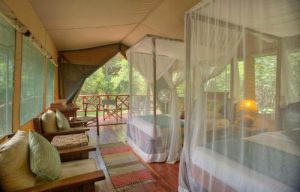
That is why Bison Safaris has a separate focus on transparent pricing. Its pricing guide explains its approach to showing inclusions and exclusions, including accommodation, meals, transportation, park fees and activities, while identifying expenses such as visas, international flights, insurance, tips and personal expenses where applicable.
For travelers comparing several safari quotations, this distinction matters.
Two itineraries can have similar prices on paper while offering different accommodation, transport arrangements, activities or inclusions.
A useful quotation should therefore make comparison easier, not more confusing. Explore more in our guide on our commitment to transparent pricing & premier Kenya safari packages.
Keeping Communication Open Before the Trip
The relationship with a safari company should not begin and end with a booking confirmation.
Travelers often have questions after receiving an itinerary. Can a dietary requirement be accommodated? Can an extra night be added? Is an airport transfer included? Can the order of destinations be changed? What happens if the flight arrives late?
Bison Safaris’ current contact process allows travelers to submit their preferred dates, number of travelers, safari interests and budget when requesting a proposal. The company also offers contact through WhatsApp, telephone, email and its Nairobi office.
That gives the traveler an opportunity to discuss the trip before committing to an itinerary.
For an international visitor who may be planning a Kenya safari from thousands of kilometers away, being able to ask questions directly can be just as important as finding the right lodge.
The Vehicle Is Part of the Safari
Once the itinerary is settled, the safari vehicle becomes one of the most important practical parts of the journey.
Game drives can involve several hours on the road, often over rough tracks and open terrain. The vehicle needs to work for both transportation and wildlife viewing.
Bison Safaris currently describes its safari vehicles as custom 4×4 Land Cruisers with pop-up roofs, charging facilities and refrigerators. The company’s website also highlights window access for guests.
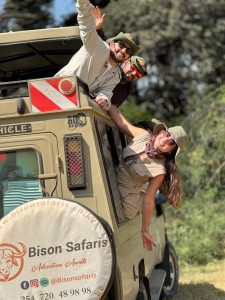
A pop-up roof allows travelers to stand while watching wildlife and gives a wider view of the surrounding landscape.
It is a small detail when looking at a safari brochure, but a significant one when you are several hours into a game drive.
The Guide Shapes What You Notice
Wildlife is unpredictable.
A safari guide cannot guarantee what will appear around the next bend, but an experienced guide can help travelers understand what they are seeing and where to look.
Bison Safaris says its safari experiences are led by experienced guides, while its tours page describes guides with extensive bush experience.
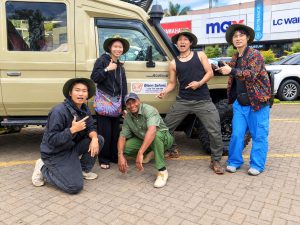
That matters because a safari is not only about spotting animals.
It is about understanding the landscape around them: why a herd is gathered in one place, what tracks in the road might reveal, why birds are behaving differently or why a particular stretch of habitat looks the way it does.
The guide becomes the connection between the traveler and the environment.
From Budget Safaris to More Specialized Journeys
Not everyone arrives in Kenya with the same budget or the same idea of luxury.
For some travelers, the priority is seeing as much wildlife as possible while keeping accommodation costs manageable. Others may want private vehicles, premium camps, flights between destinations or a more exclusive experience.
Bison Safaris currently lists budget, mid-range and luxury safari options, alongside flying safaris and specialized experiences. Its tour collection includes short trips as well as longer multi-destination itineraries.
That range is useful because the right safari is ultimately the one that fits the traveler.
A shorter budget safari can still produce extraordinary wildlife encounters. A luxury safari can provide a different level of comfort and privacy. What matters is understanding the differences before choosing.
What Travelers Should Ask Before Booking
Even when working with an established safari operator, travelers should ask questions.
Before confirming a Kenya safari, it is worth checking:
- Which accommodation is included?
- Is the safari shared or private?
- What type of vehicle will be used?
- Are park and conservancy fees included?
- Which meals are included?
- Are airport transfers included?
- Which activities are optional?
- What expenses are excluded?
- How flexible is the itinerary?
- Who should you contact if your plans change?
These questions are not signs that something is wrong.
They are simply part of making sure both sides understand what has been agreed.
Bison Safaris also has a separate guide on questions travelers should ask before booking a Kenya safari, covering practical issues around destinations, accommodation, inclusions and travel requirements.
What Happens When the Planning Comes Together?
The best safari itineraries do not necessarily contain the largest number of destinations.
Sometimes the difference is in the details.
It might be leaving enough time for a full day in the Masai Mara rather than spending much of the day driving to another park. It might be choosing a camp that makes sense for the route. It might be flying between destinations when road travel would take too much of the holiday. Or it might simply be building a trip around the traveler’s actual interests instead of starting with a generic itinerary.
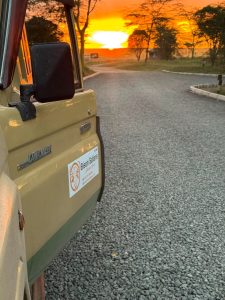
This is the part of safari planning that is difficult to see when you are only looking at a price.
The finished itinerary is the result of dozens of smaller decisions.
Planning a Kenya Safari With Bison Safaris
Bison Safaris is ultimately part of the process that happens before the game drive begins.
From its Nairobi base, the company offers a range of Kenya safari experiences and works with travelers to shape itineraries around different budgets, travel styles and interests. Its current offering combines tailor-made planning with shared and private safari options, while its pricing approach is designed to show travelers what their packages include and exclude.
For anyone researching safari companies, the most useful starting point is not simply asking, “How much does a Kenya safari cost?”
It is asking, What kind of journey do I want, what should it include, and who do I want helping me put it together?
Once those questions are clear, choosing the right safari becomes much easier. If you are ready to start planning, explore Bison Safaris’ Kenya safari packages or contact us with your preferred dates, group size, interests and budget.