Northern Kenya adventure tourism is emerging as one of the most exciting opportunities in Kenya’s travel industry. While destinations such as the Maasai Mara, Amboseli and the Kenyan Coast remain internationally famous, the country’s vast northern landscapes offer something increasingly valuable to modern travelers: adventure, authenticity, remoteness and discovery.
From the dramatic Chalbi Desert and Marsabit to the shores of Lake Turkana, the wildlife-rich landscapes of Samburu and Laikipia, Northern Kenya provides a remarkable combination of wilderness, culture, wildlife and outdoor experiences.
Kenya’s tourism authorities are also looking to diversify tourism beyond traditional safari and beach products, with greater attention being given to niche experiences, community tourism and underdeveloped destinations.
This makes Northern Kenya particularly well positioned to become Kenya’s next adventure-tourism frontier.
What Makes Northern Kenya Different?
Northern Kenya covers an enormous and diverse area. Its landscapes range from dry savannahs and rugged mountains to deserts, volcanic formations and the shores of Lake Turkana.
Unlike the more established safari destinations, many northern destinations still feel remote and relatively undiscovered. That sense of exploration is exactly what adventure travelers increasingly seek.
The National Tourism Service Portal highlights desert experiences in northern Kenya, including the Chalbi Desert, Marsabit National Park and Lake Turkana, while also promoting activities such as camel trekking, desert exploration and cultural experiences.
For travelers who want more than conventional game drives, this creates an opportunity to experience a different side of Kenya.
The Chalbi Desert Offers a Unique Desert Adventure

One of the biggest attractions for Northern Kenya adventure tourism is the Chalbi Desert.
Located near Marsabit, Chalbi is characterized by enormous open spaces, salt flats, sand, rocky terrain and dramatic desert scenery. The landscape is radically different from Kenya’s famous green savannahs.
Travelers can experience the desert through 4×4 expeditions, camel trekking, photography, camping and cultural encounters. The combination of challenging terrain and isolation makes the journey itself part of the attraction.
For adventure travelers, reaching remote desert landscapes can be just as rewarding as arriving at a traditional tourist attraction.
Lake Turkana Could Become a Major Adventure Destination

Few destinations in Africa have the visual drama of Lake Turkana.
Often called the Jade Sea because of its distinctive color, Lake Turkana is surrounded by rugged desert landscapes and volcanic terrain. Its remote location gives visitors an experience that is difficult to replicate elsewhere in Kenya.
Lake Turkana can support several forms of adventure tourism, including:
- Desert expeditions
- Boat and water-based activities
- Camping
- Photography
- Fishing experiences
- Cultural tourism
- Archaeological exploration
- Birdwatching
- Off-road driving
Turkana County identifies desert safaris, water sports around Eliye Springs, birdwatching, cultural tourism and eco-lodges among its tourism investment opportunities.
The region also contains important archaeological and cultural attractions. Sibiloi National Park and the islands of Lake Turkana form part of the Lake Turkana National Parks World Heritage Site, adding an important historical dimension to the adventure experience.
Northern Kenya Has Extraordinary Wildlife
Adventure tourism does not mean abandoning Kenya’s traditional wildlife experience.
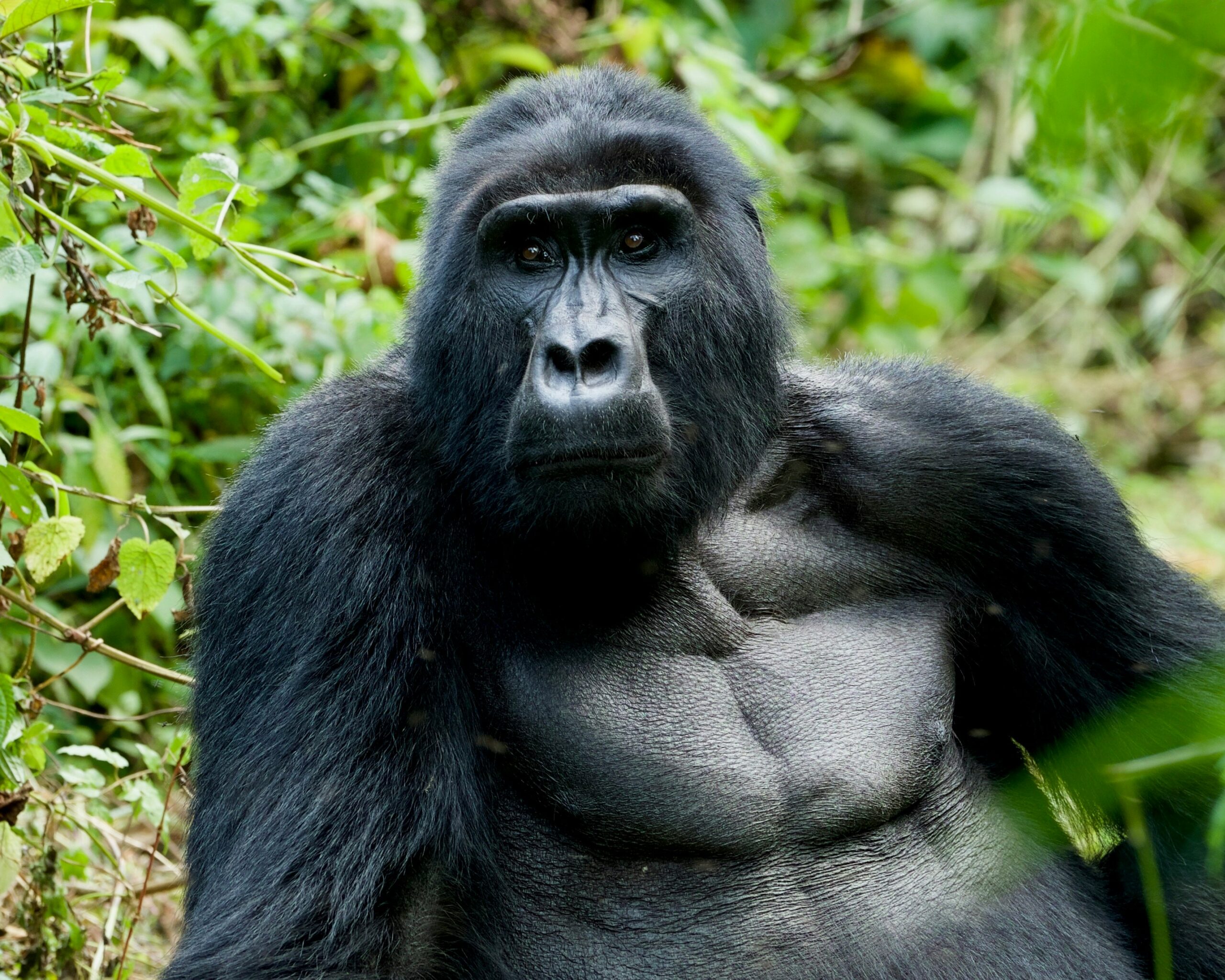
Northern Kenya is home to species that are particularly attractive to wildlife enthusiasts. The wider Northern Kenya landscape supports large populations of elephants and important populations of species such as reticulated giraffe, Grevy’s zebra and other wildlife. The government’s Northern Kenya Integrated Conservation Programme covers a large landscape and highlights the region’s importance for biodiversity and wildlife conservation.
Places such as Samburu, Laikipia and the surrounding conservancies therefore provide an ideal bridge between classic safari tourism and more adventurous travel.
Visitors can combine wildlife viewing with walking safaris, horseback experiences, cultural visits, camping and conservation activities, depending on the destination and operator.
Community Tourism Can Make the Experience More Authentic

One of Northern Kenya’s greatest tourism assets is its cultural diversity.
The region is home to communities including the Samburu, Turkana, Rendille, Gabbra, Borana and other pastoralist communities. Their traditions, crafts, music, food, livestock practices and knowledge of the environment can add depth to an adventure itinerary.
However, cultural tourism should be developed responsibly. Visitors should engage with communities through respectful, locally managed experiences rather than treating culture simply as an attraction.
Kenya’s tourism strategy has increasingly emphasized community participation, conservation-based tourism and the development of niche tourism products.
When communities receive meaningful economic benefits, tourism can become a stronger incentive for conservation and sustainable development.
Off-Road Adventures Could Become a Major Attraction
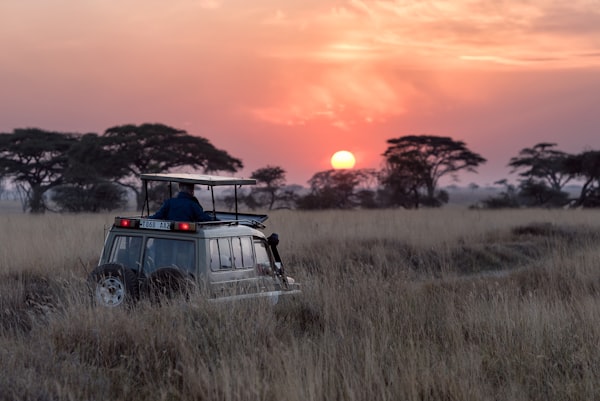
Northern Kenya adventure tourism is naturally suited to 4×4 adventure tourism.
The region’s rugged tracks, desert landscapes, mountains, dry riverbeds and remote settlements can create an exciting overland experience for travelers who enjoy getting away from conventional tourist routes.
A Northern Kenya adventure tourism itinerary could combine:
Nairobi → Samburu → Marsabit → Chalbi Desert → Lake Turkana
Such a journey would allow travelers to experience wildlife, mountains, desert scenery, cultural encounters and one of Africa’s most distinctive lakes within a single expedition.
The Kenya Tourism Board’s recent expansion of adventure tourism through its Mountain and Trails Series, including 4×4 off-road experiences, demonstrates growing institutional interest in adventure-based tourism.
Northern Kenya Is Perfect for Experiential Travel
Modern travelers increasingly want to experience destinations rather than simply see them.
Instead of spending several days moving between standard sightseeing locations, adventure travelers may prefer experiences such as:
- Sleeping under the stars in the desert
- Walking with experienced local guides
- Exploring remote landscapes by 4×4
- Meeting local communities
- Photographing dramatic landscapes
- Trekking through rugged terrain
- Exploring archaeological sites
- Watching wildlife in conservancies
- Enjoying traditional food and cultural performances
Northern Kenya has the ingredients needed to create these immersive experiences.
The government’s tourism planning documents have previously identified opportunities around Lake Turkana, Samburu and Marsabit for activities such as camel trails, cultural experiences, scenic trails and niche tourism.
Infrastructure Could Open New Opportunities
One of the biggest challenges for Northern Kenya has historically been accessibility.
However, investment in roads, airstrips, accommodation and regional connectivity could gradually make remote destinations easier to reach.
Turkana County, for example, has highlighted investment in tourism infrastructure and improvements to roads and air access as part of efforts to strengthen the destination.
More recently, plans involving Lake Turkana ferry services and development around Moyale have also highlighted the broader push to improve connectivity in the northern region.
Better infrastructure does not necessarily mean turning Northern Kenya into a mass-tourism destination. Instead, carefully planned infrastructure could support low-volume, high-value adventure tourism.
Conservation and Adventure Tourism Can Work Together

Perhaps the greatest opportunity lies in connecting northern Kenya adventure tourism with conservation.
Northern Kenya contains extensive wildlife landscapes outside conventional national parks. Laikipia provides an important example of how tourism, conservation and community land management can work together. Current regional tourism information describes a large conservation landscape in Laikipia supported significantly by safari tourism.
A similar approach could help other northern destinations generate revenue while protecting wildlife and supporting communities.
Tourism can provide income for guides, drivers, accommodation providers, conservancies, artisans, cultural groups and local businesses. When properly managed, that economic value can strengthen the argument for protecting natural landscapes.
Northern Kenya Offers Something Rare: Remoteness
One of the strongest selling points of Northern Kenya is its sense of space.
In an increasingly connected world, travelers are looking for destinations where they can escape crowds, disconnect from everyday routines and experience landscapes that feel genuinely wild.
Northern Kenya adventure tourism can offer that feeling.
The vast distances, limited development and dramatic landscapes create an atmosphere of exploration that is difficult to reproduce in heavily visited destinations.
For photographers, filmmakers, hikers, overlanders and experienced safari travelers, this remoteness could become one of the region’s biggest competitive advantages.
Adventure Tourism Could Spread Tourism Benefits
Kenya’s tourism industry has traditionally been concentrated around several major destinations.
Expanding Northern Kenya adventure tourism could help distribute tourism activity to additional counties and communities.
The Ministry of Tourism has specifically emphasized diversification, investment in underutilized destinations and stronger collaboration between government, private businesses and communities.
This could create opportunities for:
Local employment: More visitors can create demand for guides, drivers, cooks, accommodation staff and craftspeople.
Small businesses: Tourism can support local restaurants, transport companies, cultural groups and tour operators.
Conservation: Tourism revenue can help finance wildlife and habitat protection.
Infrastructure: Increased tourism demand can encourage improvements in roads, communications, accommodation and air connectivity.
Cultural preservation: Responsible cultural tourism can create economic incentives for maintaining traditional crafts, stories and practices.
Challenges That Northern Kenya Must Overcome
The potential is enormous, but Northern Kenya adventure tourism should not be developed without addressing important challenges.
Accessibility
Some destinations remain difficult to reach, particularly during periods of heavy rain. Adventure tourism needs reliable transport options, clear route information and emergency support.
Safety
Tourism operators must carefully assess security conditions and use appropriate local knowledge, guides and operating procedures. Adventure should never mean unnecessary risk.
Environmental pressure
Fragile desert and semi-arid ecosystems can be easily damaged by poorly managed tourism. Waste management, responsible driving and visitor limits will be important.
Community participation
Local communities should be genuine partners in tourism development. Tourism projects should create meaningful employment, business opportunities and conservation benefits.
Skilled adventure guides
As the market grows, Kenya will need guides trained in wilderness safety, first aid, navigation, wildlife behavior, cultural interpretation and responsible tourism.
Why Northern Kenya Could Be Kenya’s Next Adventure-Tourism Frontier
The future of Kenyan tourism is unlikely to depend on one type of experience.
The country already has world-class wildlife, beaches and cultural attractions. The next stage is to diversify those experiences and introduce travelers to places that offer something different.
Northern Kenya has many of the ingredients needed for that transformation: vast wilderness, spectacular landscapes, rare wildlife, rich cultures, deserts, mountains, archaeological heritage and Lake Turkana.
Government tourism planning is already emphasizing product diversification, niche tourism, community participation and the development of new circuits.
The opportunity, therefore, is not simply to send more tourists north. It is to develop high-quality, sustainable and locally beneficial adventure experiences.
The Future of Northern Kenya Adventure Tourism
Northern Kenya could eventually become one of Africa’s most distinctive adventure destinations.
Imagine a traveler beginning with wildlife in Samburu, crossing the rugged landscapes around Marsabit, experiencing the vastness of the Chalbi Desert, meeting local communities and finishing beside the dramatic shores of Lake Turkana.
That is more than a safari.
It is an expedition.
With responsible investment, improved accessibility, strong conservation partnerships and community-led tourism, Northern Kenya adventure tourism has the potential to become a major new chapter in Kenya’s tourism story.
For adventurous travelers searching for something beyond the familiar safari circuit, Northern Kenya may be where Kenya’s next great adventure begins.