Most dangerous snakes in Kenya include some of Africa’s deadliest reptiles, capable of delivering highly potent venom and causing serious medical emergencies. Kenya is home to a wide variety of reptiles and wildlife. Visitors interested in learning more about the country’s biodiversity can also explore our guide to Kenya’s most fascinating wildlife species. While most snakes avoid human contact, a few species pose a serious threat due to their potent venom, aggressive defensive behavior, or frequent encounters with people. Understanding these dangerous snakes can help hikers, farmers, tourists, and local communities stay safe while exploring Kenya’s diverse landscapes.
Most Dangerous Snakes in Kenya: Top Venomous Species
Black Mamba (Dendroaspis polylepis)
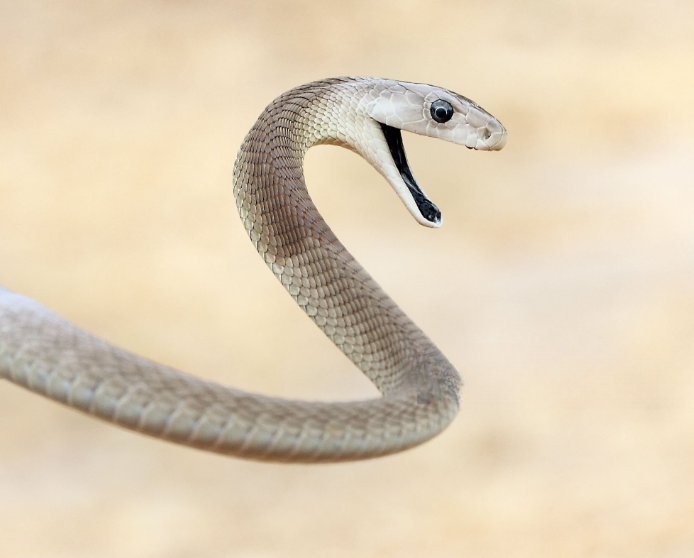
The Black Mamba is widely regarded as the most dangerous snake in Kenya. Despite its name, it is usually grey or olive-brown, with the inside of its mouth appearing black when threatened. It is Africa’s longest venomous snake and can reach speeds of up to 20 km/h. Its venom attacks the nervous system and can cause paralysis and respiratory failure if treatment is not received quickly.
Where found: Savannahs, rocky hillsides, woodlands, and agricultural areas.
Danger Level: Extremely High
Puff Adder (Bitis arietans)
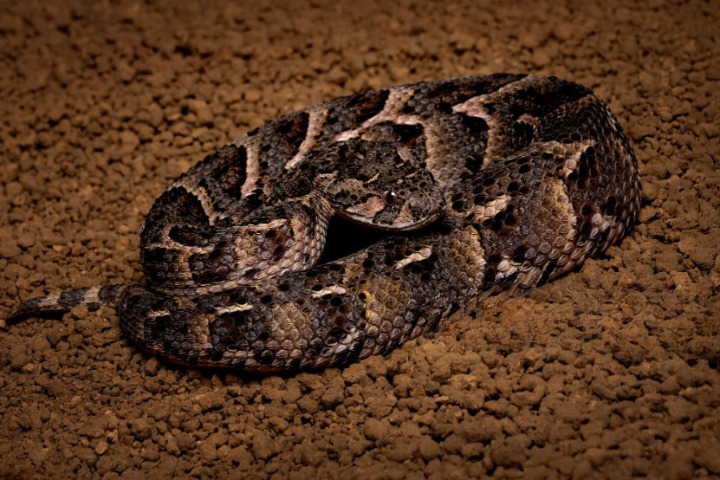
The Puff Adder, among the most dangerous snakes in Kenya, is responsible for more snakebite incidents in Africa than almost any other species. Its excellent camouflage makes it difficult to spot, causing many people to accidentally step on it. The venom destroys tissue and can lead to severe swelling, bleeding, and permanent injury.
Where found: Grasslands, farms, forests, and bushland throughout Kenya.
Danger Level: Very High
Egyptian Cobra (Naja haje)
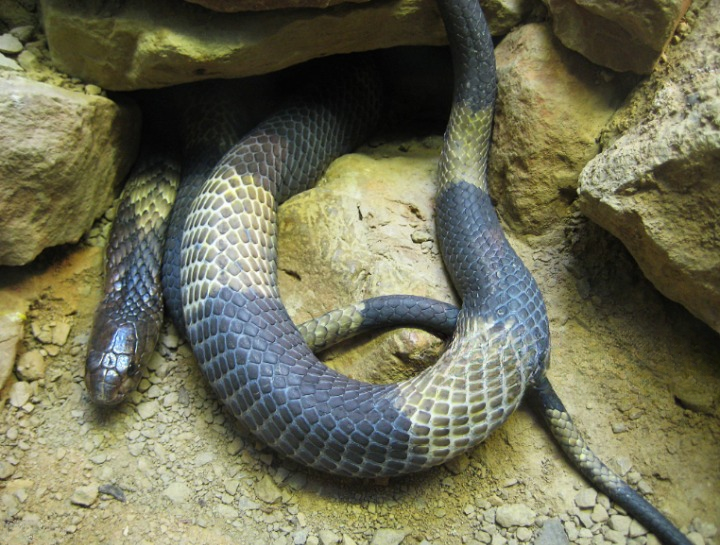
The Egyptian Cobra, among the most dangerous snakes, is one of the largest cobra species in Africa. Its venom primarily affects the nervous system and can cause respiratory failure. This species is common in arid and semi-arid regions of northern Kenya.
Where found: Dry savannahs, scrublands, and rocky habitats.
Danger Level: Very High
Red Spitting Cobra (Naja pallida)
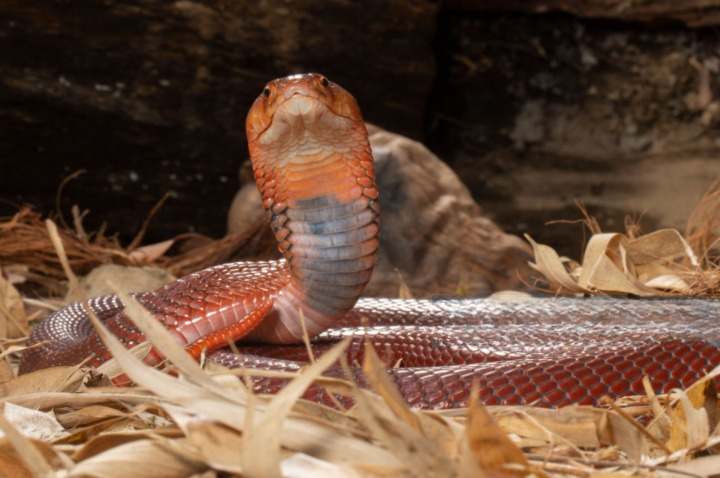
The Red Spitting Cobra is famous for its ability to accurately spit venom into the eyes of potential threats. Eye contact with the venom can cause intense pain and temporary blindness. Its bite can also result in severe tissue damage.
Where found: Northern and eastern Kenya.
Danger Level: Very High
Black-Necked Spitting Cobra (Naja nigricollis)
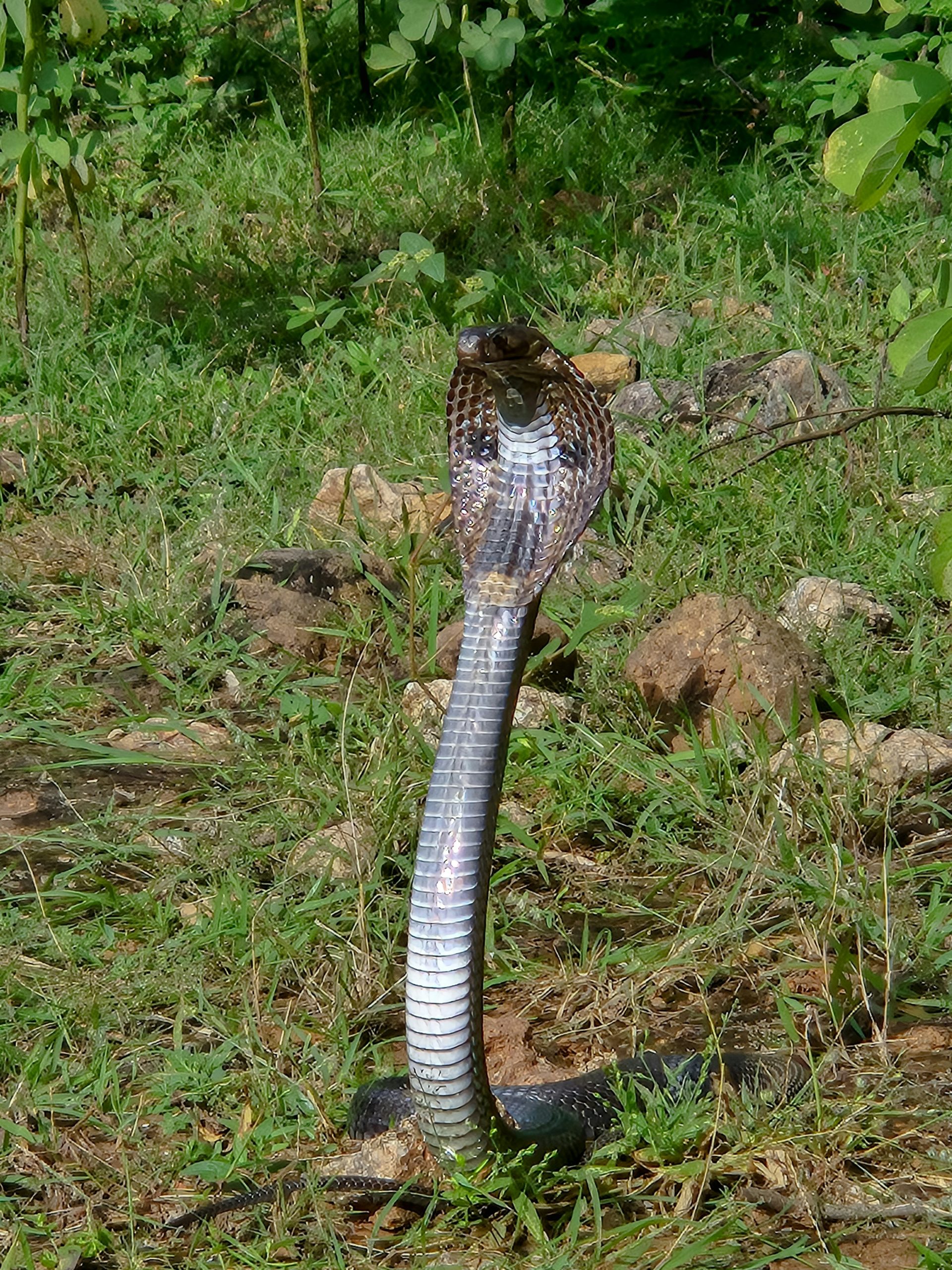
This cobra, among the most dangerous snakes in Kenya, can project venom several meters with remarkable accuracy. Besides causing eye injuries, its bite often leads to extensive tissue destruction around the wound.
Where found: Savannahs and dry woodlands.
Danger Level: High
Boomslang (Dispholidus typus)
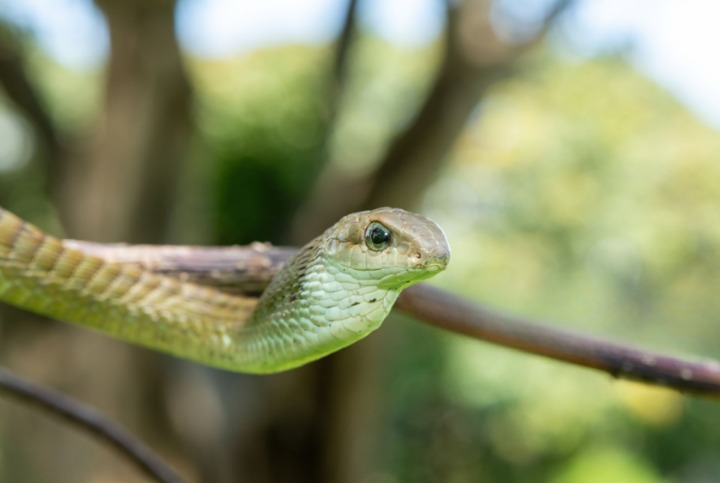
The Boomslang, among the most dangerous snakes in Kenya, is a tree-dwelling snake known for its powerful hemotoxic venom, which interferes with blood clotting. Symptoms may take hours to appear, making bites particularly dangerous if medical treatment is delayed.
Where found: Woodlands, forests, and riverine habitats.
Danger Level: High
Carpet Viper (Echis pyramidum leakeyi)
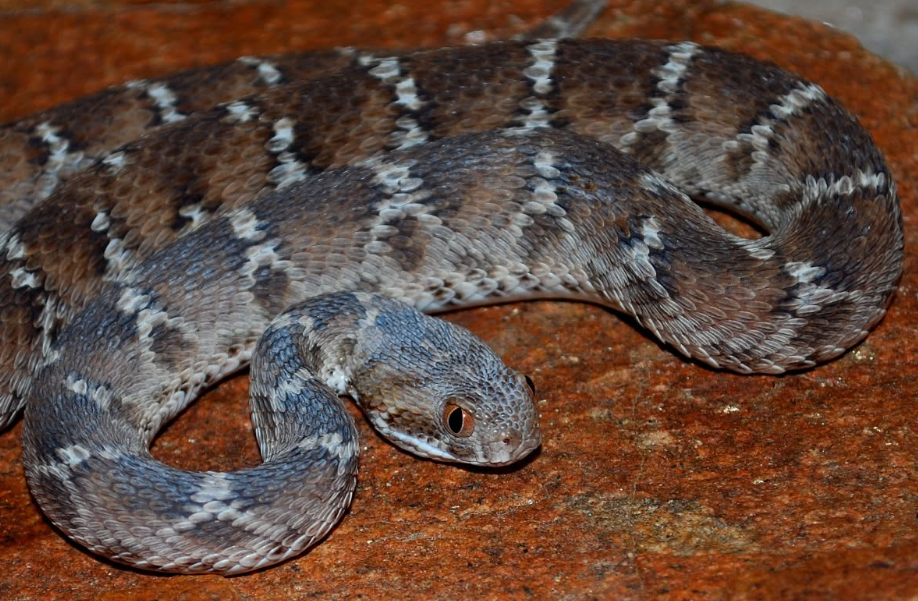
The Carpet Viper, among the most dangerous snakes in Kenya, is small but highly venomous. It is responsible for many serious snakebite cases in East Africa. Its venom can cause severe bleeding and organ damage.
Where found: Arid and semi-arid regions.
Danger Level: High
Eastern Green Mamba (Dendroaspis angusticeps)
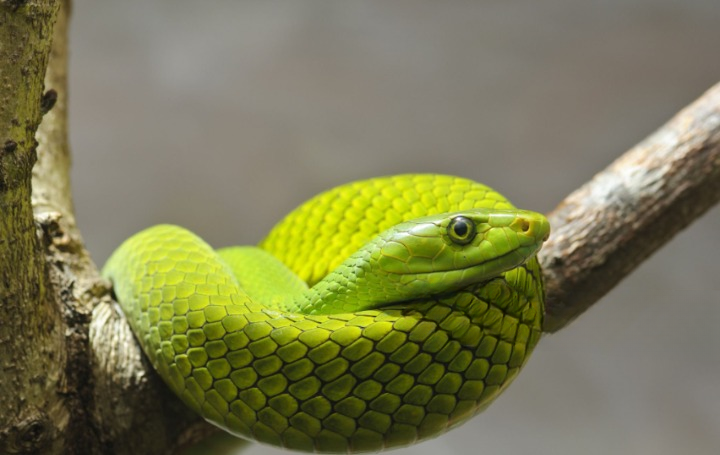
The Eastern Green Mamba, among the most dangerous snakes in Kenya, is a beautiful bright-green snake found mainly in coastal forests. Though shy and rarely aggressive, its venom is extremely potent and can quickly affect the nervous system.
Where found: Coastal Kenya and forested areas.
Danger Level: High
Large Brown Spitting Cobra
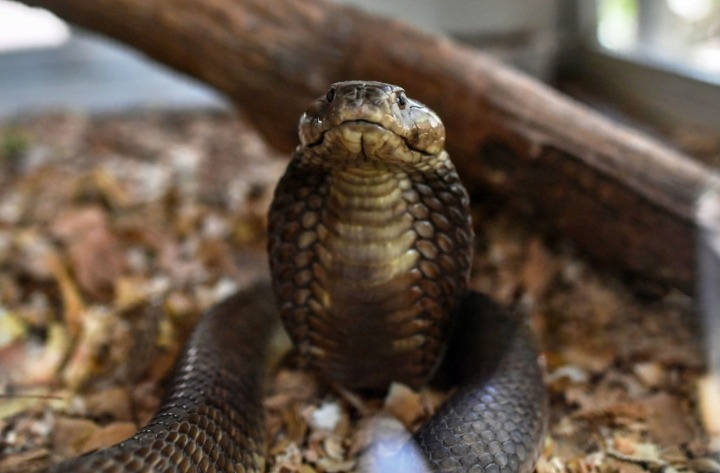
This species, among the most dangerous snakes, is known for severe tissue damage caused by its venom. It can also spit venom accurately into the eyes of predators and humans.
Where found: Dry bushland and savannah habitats.
Danger Level: High
Stiletto Snake (Atractaspis spp.)
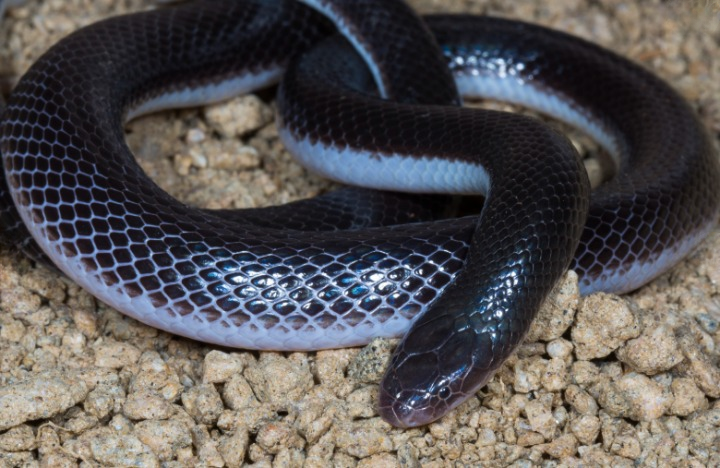
Although not as famous as cobras and mambas, the Stiletto Snake possesses unique side-stabbing fangs that can inject venom without opening its mouth fully. Bites can cause severe pain and tissue damage.
Where found: Underground burrows and loose soil habitats.
Danger Level: Moderate to High
How to Avoid Snake Encounters in Kenya
- Wear closed hiking boots when walking in long grass.
- Use a flashlight when walking at night.
- Avoid placing hands into holes, logs, or rock crevices.
- Keep campsites and homes free from rodents that attract snakes.
- Maintain a safe distance if you encounter a snake.
What to Do If Bitten by a Snake
- Stay calm and limit movement.
- Move away from the snake.
- Seek immediate medical attention.
- Do not cut the wound or attempt to suck out venom.
- Remove jewelry and tight clothing near the bite area.
- If possible, remember the snake’s appearance for identification.
-
FAQ: Most Dangerous Snakes in Kenya
What is the most dangerous snake in Kenya?
The Black Mamba is widely considered the most dangerous snake in Kenya due to its highly potent venom and speed.How many dangerous snakes are found in Kenya?
Several species are considered the most dangerous snakes in Kenya, including cobras, mambas, puff adders, and boomslangs.
Conclusion
The most dangerous snakes in Kenya include the Black Mamba, Puff Adder, Egyptian Cobra, Red Spitting Cobra, and Boomslang. While encounters are relatively rare, understanding these species and following basic safety precautions can greatly reduce the risk of snakebite. Whether you are exploring Kenya’s national parks, hiking through the countryside, or working on a farm, awareness remains your best defense against these remarkable but potentially deadly reptiles.