Africa is a continent of extraordinary contrasts. One day, you could be watching lions roam across endless savannahs. The next, you might find yourself wandering through an ancient city where centuries-old traditions are still part of everyday life, or standing before monuments that have survived for thousands of years.
These unforgettable places have one thing in common, they’re recognized as UNESCO World Heritage Sites.
From the towering Pyramids of Giza and the wildlife-rich Serengeti to Morocco’s medieval medinas and Botswana’s breathtaking Okavango Delta, UNESCO World Heritage Sites in Africa showcase the continent’s incredible history, cultures, and natural wonders. They’re more than popular tourist attractions; they’re places considered so valuable that protecting them is a shared responsibility of the entire world.
Today, Africa is home to 98 UNESCO World Heritage Sites, spread across more than 35 countries. Together, they tell remarkable stories of ancient civilizations, thriving ecosystems, architectural brilliance, and communities that have shaped the continent for generations.
Choosing which ones to visit can feel overwhelming, especially if you’re planning your first trip to Africa. That’s why we’ve carefully selected 20 of the best UNESCO World Heritage Sites in Africa, places that offer unforgettable experiences, fascinating history, and breathtaking scenery while capturing the incredible diversity of the continent.
Whether you’re a wildlife enthusiast, a history lover, an adventure seeker, or simply looking for travel inspiration, these destinations deserve a place on your bucket list.
What Are UNESCO World Heritage Sites?
Before exploring the best UNESCO World Heritage Sites in Africa, it helps to understand what makes these places so special.
A UNESCO World Heritage Site is a landmark or area recognized by the United Nations Educational, Scientific and Cultural Organization (UNESCO) as having Outstanding Universal Value. In simple terms, these are places considered so important to humanity that they deserve to be protected and preserved for future generations.
To earn World Heritage status, a site must meet strict international criteria. Some are recognized for their cultural significance, preserving ancient cities, archaeological ruins, religious monuments, and architectural masterpieces that tell the story of human civilization. Others are celebrated for their natural beauty, unique ecosystems, or exceptional biodiversity.
UNESCO groups World Heritage Sites into three categories:
- Cultural Sites – These include historic cities, ancient ruins, temples, palaces, and other landmarks that reflect humanity’s cultural achievements. Examples in Africa include the Pyramids of Giza in Egypt, Lamu Old Town in Kenya, and the Rock-Hewn Churches of Lalibela in Ethiopia.
- Natural Sites – These protect landscapes of exceptional beauty or ecological importance, such as the Serengeti National Park in Tanzania, the Okavango Delta in Botswana, and Bwindi Impenetrable National Park in Uganda.
- Mixed Sites – A smaller number of destinations are recognized for both their natural and cultural significance, highlighting the close relationship between people and the landscapes they have inhabited for centuries.
Visiting these places isn’t just about seeing famous landmarks. It’s about experiencing the stories, cultures, and environments that have helped shape Africa and the world.
Why Visit UNESCO World Heritage Sites in Africa?
Africa’s UNESCO World Heritage Sites offer something that ordinary tourist attractions often cannot, a genuine connection to the continent’s past, present, and future.
Imagine standing where ancient pharaohs once ruled, walking through centuries-old Swahili towns where traders from Arabia and India once docked their ships, or watching mountain gorillas in a rainforest that has remained largely unchanged for thousands of years.
Every destination tells a different story.
Some sites celebrate remarkable achievements in architecture and engineering. Others preserve ecosystems that support wildlife found nowhere else on Earth. Many continue to serve as living cultural centers where traditions, ceremonies, and ways of life have been passed from one generation to the next.
Visiting UNESCO sites also supports responsible tourism. Entrance fees and conservation initiatives help protect these irreplaceable places while creating jobs and opportunities for local communities.
Perhaps the greatest reason to explore UNESCO World Heritage Sites in Africa is their incredible diversity. Within a single journey, you can experience deserts, mountains, rainforests, medieval cities, coral islands, archaeological wonders, and some of the world’s finest safari destinations.
No two UNESCO sites are exactly alike, and that’s what makes discovering them so rewarding.
The Best UNESCO World Heritage Sites in Africa
With nearly one hundred UNESCO-listed destinations spread across the continent, narrowing the list isn’t easy. Every site has its own story, its own character, and its own reason for being recognized.
The following places have been selected because they combine historical significance, natural beauty, cultural importance, and unforgettable visitor experiences. If you’re wondering where to begin your journey, these are some of the very best UNESCO World Heritage Sites in Africa.
Pyramids of Giza, Egypt
Rising from the edge of the Sahara Desert, these monumental structures have captured the imagination of travelers for more than four millennia. Built as royal tombs for Egypt’s pharaohs, they remain one of humanity’s greatest architectural achievements and the only surviving Wonder of the Ancient World.
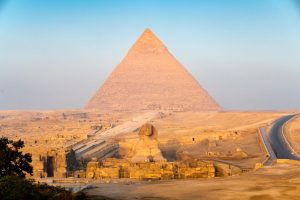
Standing beside the Great Pyramid of Khufu is a humbling experience. Its sheer size is difficult to appreciate until you’re standing at its base, looking up at millions of carefully placed limestone blocks that have endured thousands of years of wind, sand, and history. Nearby, the Great Sphinx continues to guard the plateau, adding another layer of mystery to this legendary landscape.
While history is the main attraction, the atmosphere makes the visit unforgettable. Watching the sun rise over the pyramids or seeing them glow golden at sunset is a moment that stays with travelers long after they leave Egypt.
A visit to Giza is often paired with Cairo’s world-class museums, allowing you to admire the treasures recovered from ancient tombs before seeing the monuments where many of those stories began.
Why it’s worth visiting:
- Home to the last surviving Wonder of the Ancient World.
- One of the world’s most iconic historical landmarks.
- An extraordinary introduction to ancient Egyptian civilization.
- Unforgettable sunrise and sunset views over the desert.
Serengeti National Park, Tanzania
If there’s one place that captures the spirit of an African safari, it’s the Serengeti.
Stretching across northern Tanzania, Serengeti National Park is one of the world’s greatest wildlife destinations and one of the most celebrated UNESCO World Heritage Sites in Africa. Its endless golden plains support one of the largest concentrations of wild animals anywhere on Earth, making every game drive an unforgettable adventure.
The Serengeti is best known for the Great Migration, an annual journey involving more than 1.5 million wildebeest, accompanied by hundreds of thousands of zebras and gazelles. As they move in search of fresh grazing, they encounter powerful river currents, waiting crocodiles, and predators such as lions and cheetahs, creating one of nature’s most spectacular events.
Even outside the migration season, the Serengeti rarely disappoints. Lions lounge beneath acacia trees, elephants wander through open grasslands, giraffes browse quietly on treetops, while leopards remain hidden among the branches, rewarding patient visitors with unforgettable sightings.
Every visit offers something different, reminding travelers that nature is never scripted.
Why it’s worth visiting:
- Witness the world-famous Great Migration.
- Exceptional wildlife viewing throughout the year.
- One of Africa’s finest safari destinations.
- Home to the iconic Big Five and hundreds of bird species.
Stone Town, Zanzibar, Tanzania
Some destinations impress with dramatic landscapes.
Stone Town captivates through its atmosphere.
The historic heart of Zanzibar is a fascinating maze of narrow streets, intricately carved wooden doors, bustling markets, and coral-stone buildings that reflect centuries of cultural exchange. African, Arab, Persian, Indian, and European influences blend seamlessly, creating one of the most distinctive towns on the continent.

For centuries, Stone Town was an important trading hub along the Indian Ocean, where merchants exchanged spices, textiles, and other valuable goods. Today, traces of that rich heritage remain visible everywhere, from historic mosques and former merchant houses to lively bazaars filled with the scent of cloves, cinnamon, and freshly brewed coffee.
One of the best ways to experience Stone Town is simply by wandering without a plan. Around almost every corner, you’ll discover hidden courtyards, charming cafés, local artisans, or another beautifully carved doorway with its own story to tell.
As evening falls, the waterfront comes alive. At Forodhani Gardens, locals and visitors gather to enjoy freshly grilled seafood, Zanzibar pizza, and sugarcane juice while watching traditional dhow boats drift across the Indian Ocean.
Why it’s worth visiting:
- One of East Africa’s best-preserved Swahili towns.
- Rich blend of African, Arab, Persian, and Indian cultures.
- Beautiful architecture and vibrant local markets.
- The perfect destination to combine history with Zanzibar’s famous beaches.
Lamu Old Town, Kenya
Imagine a town where cars are replaced by donkeys, centuries-old buildings line narrow alleyways, and traditional dhow boats remain part of everyday life.
Welcome to Lamu Old Town.
Located on Kenya’s northern coast, Lamu is the oldest continuously inhabited Swahili settlement in East Africa. Founded in the 12th century, it flourished as an important trading port, welcoming merchants from Arabia, Persia, India, and beyond.
Unlike many historic towns that have become open-air museums, Lamu is very much alive. Families continue to live in beautifully preserved coral-stone houses, craftsmen practice skills passed down through generations, and the call to prayer echoes across the town just as it has for centuries.
Life moves at a slower pace here. Visitors spend their days wandering through quiet streets, sailing on traditional dhows, exploring local markets, and enjoying fresh seafood overlooking the Indian Ocean.
It’s this authenticity that makes Lamu one of the most rewarding cultural destinations among the best UNESCO World Heritage Sites in Africa.
Why it’s worth visiting:
- The oldest surviving Swahili town in East Africa.
- Rich history shaped by centuries of maritime trade.
- Beautiful traditional architecture and peaceful atmosphere.
- A unique cultural experience on Kenya’s coast.
Rock-Hewn Churches of Lalibela, Ethiopia
Few places leave visitors as speechless as Lalibela.
Rather than building churches on the ground, medieval craftsmen carved them directly into solid rock, creating one of the world’s most remarkable architectural achievements.
The eleven Rock-Hewn Churches of Lalibela were built during the 12th and 13th centuries under King Lalibela, who envisioned creating a “New Jerusalem” for Christian pilgrims. Today, they remain active places of worship and continue to attract pilgrims from across Ethiopia and beyond.
Walking through narrow tunnels and hidden passageways before emerging into these magnificent churches feels almost surreal. The most famous, the Church of Saint George, is carved in the shape of a giant cross and appears to rise from the earth itself.
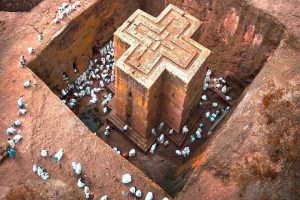
Visiting Lalibela is about more than admiring remarkable engineering. It’s an opportunity to witness living traditions that have endured for hundreds of years, especially during major religious festivals when thousands of worshippers dressed in white gather in celebration.
It’s a destination where history, faith, and architecture come together in an unforgettable way.
Why it’s worth visiting:
- One of the world’s greatest architectural wonders.
- Entire churches carved from solid rock.
- A living pilgrimage site with centuries-old traditions.
- A truly unique experience found nowhere else in Africa.