If you’ve always thought a trip to Lamu Island was reserved for honeymooners, luxury travellers, or people with deep pockets, you’re not alone. Its boutique beachfront hotels, elegant Swahili houses, and dhow cruises often give the impression that visiting Kenya’s oldest town comes with a hefty price tag. The reality, however, is refreshingly different.
Lamu has a way of slowing life down. The streets are too narrow for cars, so donkeys still carry goods through winding alleyways just as they have for generations. The call to prayer echoes across centuries-old coral stone buildings, fishermen return with the day’s catch as the sun begins to set, and locals gather along the seafront to watch another peaceful evening unfold. It’s a destination where the richest experiences often have very little to do with how much money you spend.
That doesn’t mean everything in Lamu is cheap. Luxury villas, private dhow charters, and high-end beachfront resorts are easy to find if that’s the kind of holiday you’re after. But for travellers who plan wisely, Lamu can be surprisingly affordable. Comfortable guesthouses, delicious Swahili meals, shared boat rides, and countless cultural experiences make it possible to enjoy the island without stretching your budget.
Whether you’re travelling solo, planning a romantic escape, or exploring Kenya’s coast with friends, spending less doesn’t mean missing out. Some of the island’s most memorable moments cost almost nothing at all, watching children play football along the waterfront at sunset, getting pleasantly lost in the maze-like streets of Lamu Old Town, chatting with local artisans, or simply sitting by the ocean as traditional dhows glide across the channel.
The secret isn’t spending more, it’s knowing where your money is best spent and where you can save without compromising the experience. With a little planning, you’ll discover that Lamu offers something many destinations no longer do: an authentic coastal escape that’s rich in culture, history, and unforgettable moments, yet still within reach of budget-conscious travellers.
Why Lamu Is Perfect for Budget Travellers
Many travellers automatically compare Lamu with Kenya’s popular beach destinations like Diani or Watamu and assume they’ll need a similar budget. While Lamu certainly has luxurious places to stay, the island offers something those destinations often don’t, a lifestyle centred on simplicity rather than extravagance.
Life moves at its own pace here. There are no traffic jams, no taxis weaving through crowded streets, and no pressure to rush from one attraction to the next. Most places are within walking distance, and exploring the historic streets costs nothing except your time and curiosity. You’ll quickly realize that some of Lamu’s greatest attractions aren’t ticketed experiences at all, they’re the everyday moments that unfold around you.
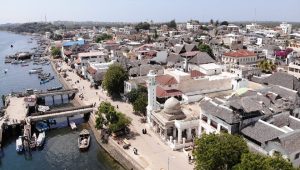
A morning stroll along the waterfront reveals fishermen unloading their catch as wooden dhows gently rock in the harbour. Venture into the narrow alleyways, and you’ll pass intricately carved Swahili doors, neighbourhood cafés serving freshly brewed kahawa, and local artisans practicing crafts that have been handed down for generations. By evening, the seafront transforms into a lively gathering place where residents and visitors alike come to enjoy the cool ocean breeze and spectacular sunsets.
Food is another pleasant surprise for budget-conscious travellers. Instead of relying on expensive hotel restaurants, you can enjoy authentic Swahili dishes at family-run eateries, where generous portions of biryani, pilau, coconut beans, chapati, fresh seafood, and tropical fruit are served at reasonable prices. Not only does this help keep your expenses low, but it also offers a more authentic taste of Lamu’s culture.
Accommodation follows the same pattern. Beyond the boutique hotels featured on social media are charming guesthouses, budget hotels, and homestays that provide comfortable stays without the premium price tag. Many are tucked inside beautifully restored Swahili buildings, allowing you to experience the island’s unique architecture while staying within your budget.
Perhaps the biggest advantage of travelling to Lamu on a budget is that you don’t have to sacrifice the experience. The island’s charm lies in its history, culture, and atmosphere, things that can’t be bought with a bigger travel budget. Whether you’re watching traditional dhow sails catch the afternoon breeze, listening to stories from local residents, or simply wandering through streets that have remained largely unchanged for centuries, you’ll find that Lamu rewards curiosity far more than luxury.
Getting to Lamu Island Without Spending a Fortune
One of the biggest questions travellers ask is whether getting to Lamu is expensive. Since the island isn’t connected to mainland Kenya by road, many assume the journey will cost far more than visiting other coastal destinations. In reality, you have several options, and with a bit of planning, reaching Lamu can be more affordable than you might expect.
Travel by Road and Boat
For travellers looking to keep costs low, travelling by road to Mokowe is usually the most budget-friendly option. Long-distance buses and shuttle services operate from cities such as Nairobi and Mombasa to Mokowe, the mainland gateway to Lamu.
From Mokowe Jetty, you’ll board a public boat for the short journey across the channel to Lamu Island. It’s not just a transfer, it’s your first glimpse of the archipelago. As the boat approaches the island, you’ll see rows of traditional dhows, whitewashed Swahili buildings, and the historic skyline that has welcomed traders and travellers for centuries.
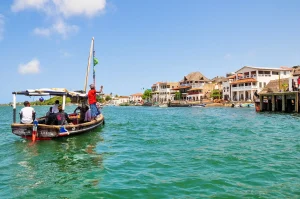
Although the journey by road takes longer than flying, the savings can be significant, making it an excellent choice for backpackers, students, and anyone travelling on a tighter budget.
Flying to Lamu
If time is more valuable than money, domestic flights offer the quickest way to reach Lamu. Flights from Nairobi and a few other destinations land at Manda Airport, located on neighbouring Manda Island. From there, it’s just a short boat ride to Lamu Town.
Airfares vary depending on the season, but booking several weeks in advance, travelling outside major holiday periods, and comparing flight schedules can often help you secure better prices.
For travellers visiting Lamu for just a few days, flying may be worth the extra cost, especially when balanced against the time saved.
Travel During the Low or Shoulder Season
Another simple way to reduce your travel expenses is to be flexible with your dates. During Christmas, New Year, Easter, and major festivals, demand for transport and accommodation rises sharply, often pushing prices higher.
Travelling during the shoulder season usually means more affordable accommodation, lower transport costs, and a quieter atmosphere. You’ll have more freedom to explore Lamu’s streets, beaches, and waterfront without the larger crowds that arrive during peak holiday periods.
For many travellers, that’s part of the island’s appeal. Lamu is best experienced slowly, and visiting when it’s less crowded allows you to appreciate its relaxed rhythm even more.
Affordable Places to Stay in Lamu
One of the biggest advantages of visiting Lamu on a budget is that you don’t have to settle for poor-quality accommodation. While the island is known for its luxurious beachfront villas and boutique hotels, it also has a good selection of guesthouses, homestays, and budget hotels that offer comfort, character, and genuine Swahili hospitality at a fraction of the cost.
If your goal is to spend more time exploring than sitting in your room, budget accommodation is often the smarter choice.
Stay in Lamu Old Town
For most budget travellers, Lamu Old Town is the best place to base yourself.
As a UNESCO World Heritage Site, the town is the cultural heart of the island. Staying here means you’ll be within walking distance of historical landmarks, restaurants, local markets, museums, and the waterfront. Since there are no cars in the town, you won’t need to spend money on transport to get from one attraction to another.
Many guesthouses occupy beautifully restored Swahili buildings with traditional courtyards, rooftop terraces, carved wooden doors, and coral stone walls. Although they are more affordable than luxury resorts, they still offer an authentic experience that’s difficult to find elsewhere.

If you’d like to learn more about the island’s history, architecture, and must-visit attractions, you can also read our guide on Exploring Lamu: The Heart of Kenya’s Swahili Coast, which complements this budget guide perfectly.
Consider Staying Slightly Away from the Beach
It’s no surprise that accommodation closest to the beach, particularly around Shela Village, tends to command higher prices.
If you’re travelling on a tighter budget, staying in Lamu Town instead of directly on the beachfront can make a noticeable difference to your overall expenses. The money you save can go towards experiences such as a sunset dhow cruise, visiting local museums, or enjoying fresh seafood at one of the island’s restaurants.
Since Lamu is relatively compact, reaching the beach or waterfront usually requires only a short walk or a quick boat ride.
Book Early During Peak Seasons
Lamu hosts several popular events throughout the year, including the Lamu Cultural Festival and the Maulidi Festival, in addition to attracting many visitors during Christmas and New Year holidays.
Accommodation fills up quickly during these periods, and prices often increase as demand rises. Booking your stay well in advance not only gives you more choices but can also help you secure better rates.
If your travel dates are flexible, visiting outside these busy periods often results in lower accommodation costs and a quieter, more relaxed experience.
Eating Well Without Spending Much
One of the easiest ways to stay within your budget in Lamu is by eating where the locals eat.
The island’s food culture reflects centuries of Swahili, Arabic, Indian, and African influences, creating flavours that are both memorable and affordable. You don’t need to dine in expensive hotels to enjoy excellent meals, in fact, some of the most authentic food is served in small family-run restaurants and local cafés.
Fresh seafood is a highlight of any visit. Depending on the day’s catch, you’ll find dishes featuring fish, octopus, prawns, and lobster, often prepared with coconut, fragrant spices, and locally grown herbs.
Traditional Swahili favourites worth trying include:
- Chicken or beef biryani
- Pilau rice
- Samaki wa kupaka (grilled fish in coconut sauce)
- Maharagwe ya nazi (coconut beans)
- Chapati and mbaazi
- Viazi karai
- Mahamri with spiced tea
- Fresh tropical fruits and sugarcane juice
Another great way to save money is to have your biggest meal at lunchtime, when many local restaurants offer generous portions at reasonable prices. In the evening, a lighter meal from a café or street vendor can help keep your daily food budget under control.

Besides saving money, eating at locally owned establishments supports small businesses and gives you a more authentic taste of Lamu’s culinary heritage.
Free and Affordable Things to Do in Lamu
One of the reasons Lamu Island on a budget is such an attractive destination is that many of its best experiences cost very little, or nothing at all.
Rather than expensive attractions, Lamu rewards travellers who enjoy exploring, observing, and immersing themselves in local culture.
Wander Through Lamu Old Town
The greatest attraction on the island doesn’t require an entrance fee.
Getting lost among the narrow alleyways of Lamu Old Town is an experience in itself. Around every corner you’ll discover intricately carved wooden doors, hidden courtyards, coral stone houses, bustling markets, and friendly residents going about their daily lives.
The absence of cars creates a peaceful atmosphere that’s increasingly rare in modern cities.
Watch the Sunset Along the Waterfront
As evening approaches, the seafront becomes one of the island’s liveliest places.
Children play football on the shoreline, fishermen prepare for the night’s work, and traditional dhows glide across the calm waters as the sky turns shades of orange and gold.
Finding a quiet spot to watch the sunset costs nothing, yet it’s often one of the most memorable moments of a trip to Lamu.
Visit the Lamu Museum
For a modest entrance fee, the Lamu Museum offers valuable insight into the island’s Swahili heritage, maritime history, traditional architecture, and cultural traditions.
It’s an excellent stop for anyone interested in understanding how Lamu became one of East Africa’s most significant trading settlements.
Explore the Local Markets
Lamu’s markets are full of colour and character.
Even if you’re not planning to shop, browsing stalls selling spices, handcrafted jewellery, woven baskets, textiles, and locally carved souvenirs is a wonderful way to experience everyday island life.
If you do decide to buy something, purchasing directly from local artisans helps support the community while giving you a meaningful souvenir to take home.
Join a Shared Dhow Trip
Private dhow cruises can be expensive, but shared excursions are often much more affordable.
Sharing a dhow with other travellers allows you to experience one of Lamu’s oldest traditions while keeping costs low. Many trips include opportunities to swim, enjoy spectacular coastal scenery, and watch the sunset from the water.
With a little research and flexibility, you can enjoy this iconic Lamu experience without exceeding your budget.