Primates are the most fascinating and intelligent animals on Earth. From playful monkeys, social baboons to endangered gorillas and chimpanzees, these animals creatures play a critical role in maintaining healthy ecosystem. Why primates are important for biodiversity is a question that highlights the interconnectedness of wildlife and nature. Beyond their intelligence and close genetic relationship to humans, primates are essential contributors to biodiversity and environmental stability.
As biodiversity faces increasing threats from habitats loss, climate change and human activities, protecting primates and understanding their ecological importance has become more critical than ever.
What are Primates?
Primates are mammals characterized by their highly developed brains, forward-facing eyes, grasping hands, and complex social behaviors. They inhabit a wide range of environments, from the rainforests of Africa and South America to the forests of Asia and Madagascar.
- Some well-known primates include:
- Chimpanzee
- Gorillas
- Baboons
- Colobus monkeys
- Vervet monkeys
- Lemurs
- Orangutans

These species contribute significantly to the health and resilience of ecosystems.
What is Biodiversity?
Biodiversity refers to the variety of living organisms found within an ecosystem. Includes: plants, animals, fungi, and microorganisms. A healthy ecosystem depends on how properly the species interact in ways that support food chains nutrient cycling and the balance of wildlife population.
Understanding why primates are important for biodiversity helps explain how forests remain productive and why conserving primates is essential for survival of other species.
Why Primates are Important for Biodiversity.
The answer to why primates are important for biodiversity is answered by the many ecological services they provide. As they move through forests searching for food, they help shape and sustain the habitats they call home
without primates, many tropical forests would struggle to regenerate naturally, affecting countless of other species that depend on the forests for survival.
Primates Help Disperse Seed.
- One of the most important ecological roles of primates is seed dispersal. Many primates consume fruits and travel long distances through forests. After eating, they disperse seeds through their droppings, often far from the parent tree. This natural process helps:
- regenerate forests
- Increase plant diversity
- Restore degraded habitats
- Support the growth of new tress
- Support carbon storage through tree growth.
- This is one of the strongest reason why primates are important for biodiversity. Without primates, many tree species would struggle to reproduce effectively, leading to reduced biodiversity over time.
-
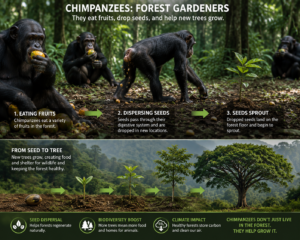
the picture shows why primates are important for biodiversity -
Primates Maintains Healthy Forests.
- Healthy forests depends on the balance interaction of plants and animals. By spreading seeds and interacting with vegetation, primates help forests maintain this balance by feeding on fruits, leaves, flowers, and insects.
Their feeding habits:
- Control excessive plant growth
- Enhance forest resilience against environmental changes
- Create opportunities for new plant species to establish
- Support natural vegetation cycles
-
Scientists continue to study reasons why primates are important for biodiversity as forests with thriving primate populations tend to be more diverse and ecologically stable.
Primates Support Other Wildlife Species
Primates indirectly benefit countless other species. The seeds they disperse as they move around grow into trees and plants that provide food and shelter for birds, insects, reptiles, and mammals.
A single primate species can influence the survival of hundreds of other organisms within an ecosystem. This makes primates a keystone component of biodiversity.
When primate populations decline, entire ecological networks can be affected, creating a ripple effect throughout the food chain.
-
Primates are Indicators of Ecosystem Health.
- Scientists often use primates as indicator species. Their presence typically suggests that forests remain healthy and capable of supporting a wide range of plants and animals. Because they rely heavily on healthy forests, changes in primate populations can signal environmental problems such as:
- Deforestation
- Habitat destruction
- Climate change impacts
- Human disturbance
- Poaching
- Pollution
- Monitoring primate populations helps conservationists identify environmental threats before they become irreversible.
-
Threats Facing Primates.
- Despite their ecological importance, primates face numerous challenges.
- Major threats include:
-
Habitat loss.
- Forest clearing for agriculture, logging, and infrastructure development destroys vital habitats undermining primates importance for biodiversity.
-
Poaching and Bushmeat Trade.
-
Some primates are hunted for bushmeat or captured for the pet trade.
Climate Change.
- Changing weather patterns alter food availability and habitat conditions.
-
Human-Wildlife Conflict
As human populations expand, interactions with primates become more frequent, often leading to conflicts. Primates suffer the ruthless hand of human.
- Without effective conservation measures, many primate species could experience severe population decline.
-
How Tourism Supports Primate Conservation.
- Responsible tourism plays an important role in protecting primates and their habitats. Revenue generated from park entry fees, guided tours and eco-lodges helps fund conservation programs, wildlife monitoring, habitat restoration and community development.
- Tourists can support conservation by:
-
-
- Choosing eco-friendly tour operators
- Following park rules
-
-
- Keeping a safe distance from wildlife
- Never feeding primates
- Supporting local conservation initiatives
- Learning why primates are important for biodiversity also encourages responsible tourism, inspiring travelers to support conservation programs.
-
Conservation Efforts
Protecting primates requires collaborative conservation strategies, including:
- Establishing protected areas
- Restoring degraded forests
- Supporting anti-poaching initiatives
- Promoting sustainable tourism
- Educating local communities
- Strengthening wildlife protection laws
Conservation organizations worldwide are working to safeguard primate populations and the ecosystems they support.
-
Why Protecting Primates Benefits Everyone.
- Protecting primates does more than preserve individual species. Healthy primate populations contribute to resilient forests, stable climates, clean water sources, and thriving biodiversity that benefits both wildlife and people.
- Their survival is closely linked to the health of ecosystems that millions of people depend on for food, livelihoods and essential environmental services.
Understanding why primates are important for biodiversity help us appreciate their invaluable role in maintaining healthy ecosystems. Through seed dispersal forests regenerates, providing ecological balance. By supporting conservation efforts and practicing responsible tourism, we can help ensure these remarkable animals continue shaping Africa`s forests and inspiring visitors from round the world for generations to come.
For more insights, explore our tours and guide to primate conservation and sustainable tourism