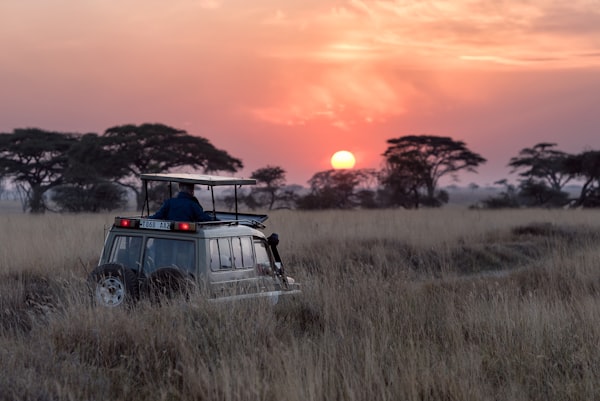
East Africa is one of the world’s last great wildernesses, where vast savannahs teeming with wildlife, snow capped towering mountains, lush rainforests, pristine lakes, and white-sand beaches come together to create an unforgettable natural paradise. Whether you’re an avid wildlife enthusiast, birdwatcher, photographer, hiker, or simply someone who finds peace in the great outdoors, East Africa promises unforgettable experiences at every turn.
Whether you dream of witnessing the Great Wildebeest Migration, trekking to see mountain gorillas, climbing Africa’s highest peaks, or relaxing on untouched tropical beaches, East Africa has something for every nature enthusiast.
It is home to the famous Big Five, thousands of bird species, endangered mountain gorillas, chimpanzees, marine life, and countless other animals that thrive across its varied ecosystems. From the Great Rift Valley and the vast waters of Lake Victoria to the volcanic highlands of Rwanda and the coral reefs along the Swahili Coast, every destination reveals a different side of Africa’s natural beauty. Beyond its breathtaking scenery and abundant wildlife, East Africa is a global leader in conservation and sustainable tourism.
Here are the reasons why East Africa deserves a place on every nature lover’s bucket list.
Incredible Wildlife Diversity
One of the biggest reasons East Africa belongs on every nature lover’s bucket list is its extraordinary wildlife diversity. The region is home to some of the richest ecosystems on Earth, where vast savannahs, dense rainforests, wetlands, mountains, lakes, and coastal habitats support thousands of animal species.
Home to the Iconic Big Five
East Africa is one of the best places in the world to see the legendary Big Five, lion, leopard, elephant, African buffalo, and rhinoceros.
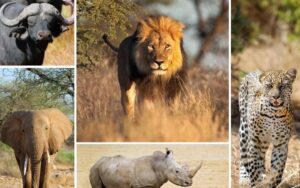
Originally named by hunters because they were considered the most difficult animals to hunt on foot, the Big Five are now among the most sought-after wildlife sightings for photographers and safari enthusiasts. Kenya’s Maasai Mara, Tanzania’s Serengeti, Uganda’s Murchison Falls National Park, and Rwanda’s Akagera National Park all offer excellent opportunities to observe these magnificent animals in their natural habitats.
Rare and Endemic Wildlife Species
East Africa is also home to several rare and endemic species found nowhere else on Earth. Northern Kenya’s semi-arid landscapes shelter unique animals collectively known as the “Samburu Special Five”:
- Grevy’s zebra
- Reticulated giraffe
- Somali ostrich
- Beisa oryx
- Gerenuk
In Uganda and Rwanda, visitors can trek through lush forests to observe endangered mountain gorillas, while chimpanzees swing through the canopies of tropical rainforests. Along the coast and in marine parks, dolphins, sea turtles, whale sharks (seasonally), and colorful reef fish enrich the region’s biodiversity.
The Great Wildebeest Migration
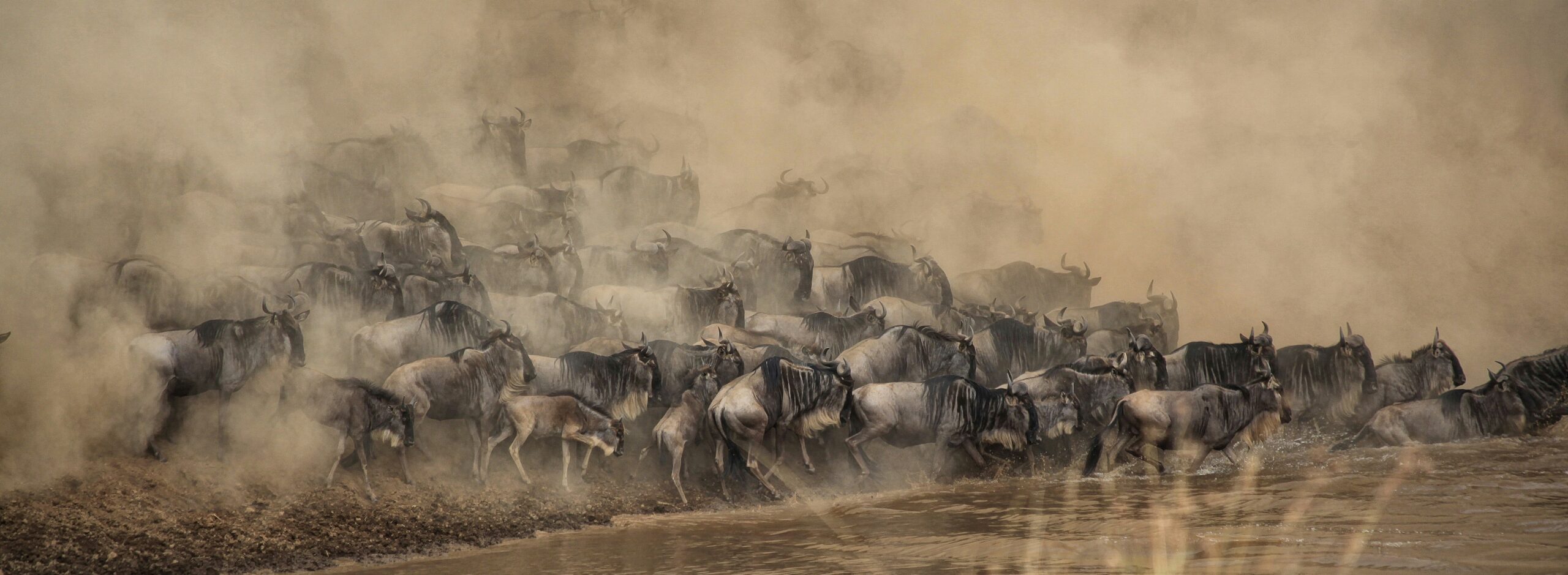
One of nature’s greatest spectacles unfolds every year between Kenya and Tanzania as more than two million wildebeest, accompanied by hundreds of zebras and gazelles migrate across the Serengeti-Mara ecosystem in search of green pastures. These migration is one of the seven wonders of Africa.
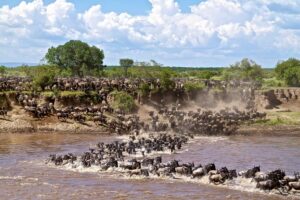
This remarkable migration is filled with dramatic river crossings, predator-prey interactions, and breathtaking scenes that showcase the raw power of nature. For wildlife photographers and safari enthusiasts, witnessing this natural spectacle is often the highlight of an East African adventure.
Spectacular National Parks and Game Reserves
East Africa boasts some of Africa’s most celebrated protected areas. Visitors can explore the endless plains of the Maasai Mara, the wildlife-rich Serengeti, elephant-filled Amboseli, the volcanic landscapes of Tsavo, the gorilla forests of Bwindi, and the breathtaking Ngorongoro Crater.
World-Famous Safari Destinations
East Africa is home to several of the world’s most iconic safari destinations, attracting millions of visitors each year. These parks have earned international recognition for their abundant wildlife, breathtaking scenery, and exceptional conservation efforts.
- Maasai Mara National Reserve (Kenya) – Famous for the Great Wildebeest Migration, Big Five safaris, and endless golden savannahs.
- Serengeti National Park (Tanzania) – Renowned for its vast plains, predator populations, and one of the world’s oldest ecosystems.
- Amboseli National Park (Kenya) – Best known for its large elephant herds set against the spectacular backdrop of Mount Kilimanjaro.
- Ngorongoro Conservation Area (Tanzania) – Home to the world’s largest intact volcanic caldera, where thousands of animals thrive within a unique natural amphitheater.
- Tsavo East and Tsavo West National Parks (Kenya) – Together forming one of Africa’s largest protected wilderness areas, famous for red elephants, volcanic landscapes, lava flows, and crystal-clear springs.
- In East Africa there is a national park or game reserve perfectly suited to every nature lover.
Diverse Landscapes
One of the most remarkable aspects of East Africa is its extraordinary diversity of landscapes. Few regions in the world offer such a wide variety of natural environments within a relatively small geographic area. From vast savannahs and towering mountains to lush rainforests, sparkling lakes, volcanic craters, and pristine tropical coastlines, East Africa is a destination where every journey reveals a new and breathtaking scenery.
Endless Savannahs and Wildlife-Rich Plains
The golden plains with acacia trees and the sweeping savannahs of East Africa are among the most iconic landscapes on the African continent. Stretching across Kenya’s Maasai Mara and Tanzania’s Serengeti, these vast grasslands create the perfect setting for some of the world’s greatest wildlife spectacles. They provide habitat for millions of grazing animals making the savannah one of the best places on Earth for wildlife viewing and photography.
The Great Rift Valley and Volcanic Wonders
One of East Africa’s most impressive geological features is the Great Rift Valley, a massive trench that stretches thousands of kilometers across the continent. The Rift Valley has shaped many of the region’s most dramatic landscapes, including escarpments, lakes, volcanoes, and fertile valleys.
Visitors can explore extinct volcanoes such as Mount Longonot, active volcanic regions in northern Tanzania, and the spectacular Ngorongoro Crater, one of the world’s largest intact volcanic calderas. These geological wonders offer incredible viewpoints and fascinating insights into the Earth’s natural history.
The combination of volcanic landscapes, dramatic cliffs, and panoramic vistas makes the Rift Valley a favorite destination for hikers, photographers, and geology enthusiasts.
Ancient Rainforests and Misty Jungles
Beyond the open savannahs lies a completely different world of dense forests and tropical rainforests. These ancient ecosystems are among East Africa’s most biologically diverse habitats and provide refuge for some of the continent’s rarest wildlife.
Uganda’s Bwindi Impenetrable Forest and Rwanda’s Volcanoes National Park are famous for their endangered mountain gorillas, while Kibale Forest is renowned for chimpanzee trekking. Kenya’s Kakamega Forest, the country’s only tropical rainforest, is home to unique bird species, butterflies, and primates.
This unique combination of environments means that no two destinations feel the same. Every region offers distinct scenery, wildlife, climate, and activities, making East Africa one of the most rewarding destinations for nature-based travel.
Africa’s Highest Mountains
East Africa is a home dream destinations for hikers, climbers, photographers, and nature lovers. Towering above sweeping plains, dense forests, and rolling hills, these mountains offer breathtaking scenery, diverse ecosystems, and unforgettable outdoor adventures.
Mount Kilimanjaro – Africa’s Highest Peak
Standing at 5,895 metres (19,341 feet) above sea level, Mount Kilimanjaro in northern Tanzania is the highest mountain in Africa and the tallest free-standing mountain in the world. Its snow-capped summit rises dramatically above the surrounding plains, creating one of the continent’s most iconic landscapes.
Unlike many of the world’s highest peaks, Kilimanjaro does not require technical climbing skills, making it one of the most accessible high-altitude mountains for adventurous travelers. Several well-established routes, including the Machame, Marangu, Lemosho, Rongai, and Northern Circuit routes, allow climbers to experience the mountain’s changing environments over several days.
Mount Kenya – A UNESCO World Heritage Site
At 5,199 metres (17,057 feet), Mount Kenya is Africa’s second-highest mountain and one of Kenya’s greatest natural treasures. As the country’s highest peak, it dominates the central highlands with its rugged cliffs, glacial valleys, alpine lakes, and dramatic peaks.
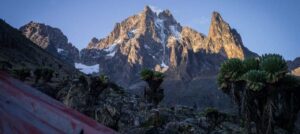
While technical climbers often attempt Batian and Nelion, most visitors hike to Point Lenana, which offers spectacular sunrise views over the surrounding landscapes. It is famous for its unique alpine vegetation, including giant lobelias and giant groundsels that thrive in the high-altitude environment.
The Rwenzori Mountains – The Mountains of the Moon
Straddling the border between Uganda and the Democratic Republic of the Congo, the Rwenzori Mountains are among Africa’s most extraordinary mountain ranges. Often referred to as the “Mountains of the Moon,” they are renowned for their rugged beauty, permanent glaciers, waterfalls, and rare plant life.
Unlike the volcanic peaks of Kilimanjaro and Mount Kenya, the Rwenzori are block mountains formed by tectonic uplift. Their highest summit, Margherita Peak, reaches 5,109 metres (16,763 feet) and offers one of Africa’s most challenging trekking experiences. Rwenzori Mountains is a UNESCO World Heritage Site and one of Africa’s most important conservation areas.
Gorilla and Chimpanzee Trekking
Few wildlife encounters compare to meeting endangered mountain gorillas in their natural habitat. Uganda and Rwanda offer carefully managed gorilla trekking experiences that allow visitors to observe these gentle giants while supporting conservation efforts. Therein, few wildlife experiences are as emotional and unforgettable as coming face to face with our closest living relatives in their natural habitat.
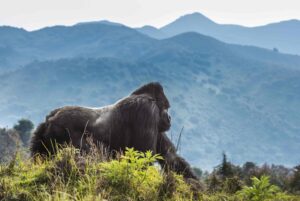
Unlike a traditional safari, primate trekking takes visitors deep into ancient rainforests, where experienced guides and trackers lead small groups through dense vegetation in search of habituated gorilla and chimpanzee families. watching a silverback gorilla peacefully lead his family or observing playful chimpanzees swinging through the forest canopy, leaves a lasting impression and are often described as the highlight of an East African journey.
The best destinations for gorilla trekking include:
-
- Bwindi Impenetrable National Park (Uganda) – Home to nearly half of the world’s remaining mountain gorilla population and famous for its dense rainforest and multiple habituated gorilla families.
- Mgahinga Gorilla National Park (Uganda) – A smaller but equally rewarding destination located within the Virunga Mountains.
- Volcanoes National Park (Rwanda) – Known for its breathtaking volcanic scenery, well-organized trekking experiences, and pioneering gorilla conservation efforts.
Birdwatcher’s Paradise
East Africa is widely recognized as the world’s birdwatching destinations, attracting bird enthusiasts, wildlife photographers, researchers, and nature lovers from across the globe. With more than 1,500 recorded bird species, the region offers an astonishing diversity of resident, endemic, and migratory birds that thrive across its varied ecosystems.
Nature lovers can explore:
-
-
- Savannah grasslands filled with secretary birds, ostriches, bustards, and raptors.
- Tropical rainforests inhabited by turacos, hornbills, greenbuls, and forest robins.
- Mountain forests that shelter sunbirds, alpine chats, and endemic highland species.
- Wetlands rich in cranes, storks, ibises, ducks, and jacanas.
- Rivers and lakes where kingfishers, fish eagles, cormorants, and herons thrive.
- Coastal mangroves that attract terns, sandpipers, plovers, and other shorebirds.
- Coral islands visited by seabirds and migratory species.
-
Beautiful Lakes and Waterfalls
East Africa is blessed with some of the most beautiful lakes and spectacular waterfalls. From the vast waters of Lake Victoria to the roaring Murchison Falls, East Africa offers countless opportunities to experience nature’s beauty through boat cruises, birdwatching, fishing, kayaking, and scenic photography.
-
-
-
Lake Victoria, shared by Kenya, Uganda, and Tanzania, is Africa’s largest freshwater lake and the world’s second-largest freshwater lake by surface area. Its expansive shoreline, islands, wetlands, and fishing villages support an extraordinary diversity of birds, fish, and aquatic life. Sunset cruises on the lake provide unforgettable views, while birdwatchers can spot African fish eagles, kingfishers, cormorants, and herons.
Lake Tanganyika, bordering Tanzania, Burundi, Zambia, and the Democratic Republic of the Congo, is one of the world’s oldest and deepest lakes. Surrounded by rugged mountains and pristine beaches, it offers crystal-clear waters ideal for snorkeling, diving, kayaking, and fishing.
- Lake Nakuru is internationally known for its flamingos, rhinos, and breathtaking viewpoints overlooking the alkaline lake.
- Lake Naivasha, a freshwater lake surrounded by acacia woodlands, is famous for hippos, fish eagles, and relaxing boat safaris.
- Lake Bogoria attracts thousands of flamingos and is renowned for its geothermal hot springs and geysers.
- Lake Baringo is a birdwatcher’s paradise, with more than 450 bird species recorded around its shores.
- Murchison Falls in Uganda is one of the continent’s most spectacular waterfalls. Here, the Nile River forces itself through a narrow seven-metre-wide gorge before plunging over 40 metres, creating thunderous rapids and dramatic mist-filled scenery.
- Karuru Falls (In Kenya’s Aberdare National Park)—the country’s tallest waterfall—drops over three dramatic tiers surrounded by dense montane forest. Other beautiful waterfalls include Sipi Falls in eastern Uganda, Thomsons Falls in Kenya, and the lesser-known waterfalls hidden within the Usambara Mountains of Tanzania.
-
-
You can explore more about waterfalls in our guide on 15 best waterfalls in Kenya.
Best Time to Visit East Africa
East Africa is a year-round destination, but the dry seasons generally provide the best wildlife viewing conditions.
-
-
-
- January to March: Excellent weather for safaris, photography, and hiking.
- June to October: Peak safari season and the best time to witness the Great Wildebeest Migration.
- November to December: Green landscapes, migratory birds, and fewer visitors.
-
-
Travel Tips for Nature Lovers
-
-
-
-
- Pack lightweight clothing in neutral colors.
- Carry binoculars and a quality camera.
- Respect wildlife and follow your guide’s instructions.
- Bring hiking boots if trekking is part of your itinerary.
- Book popular safaris and gorilla permits well in advance.
- Support eco-friendly lodges and responsible tourism operators.
-
-
-
East Africa is one of the few places on Earth where breathtaking landscapes, extraordinary wildlife, and rich cultural heritage come together in remarkable harmony. From the vast savannahs and towering mountains to tropical islands, ancient forests, and the Great Rift Valley, every destination offers a unique opportunity to reconnect with nature and experience the wild in its purest form.
Whether you dream of witnessing the Great Migration, trekking through misty forests in search of primates, relaxing on pristine beaches, or exploring hidden natural gems, East Africa promises unforgettable experiences for every kind of nature lover. Each journey not only creates lasting memories but also supports conservation efforts and local communities that work tirelessly to protect these incredible ecosystems for future generations.
At Bison Safaris, we believe every journey should be unforgettable. If you’re planning your next adventure, let East Africa be at the top of your bucket list. The region’s unmatched biodiversity, spectacular scenery, and authentic experiences make it a destination you’ll want to visit more than once. Start planning today, and discover why East Africa continues to captivate travelers from around the world.