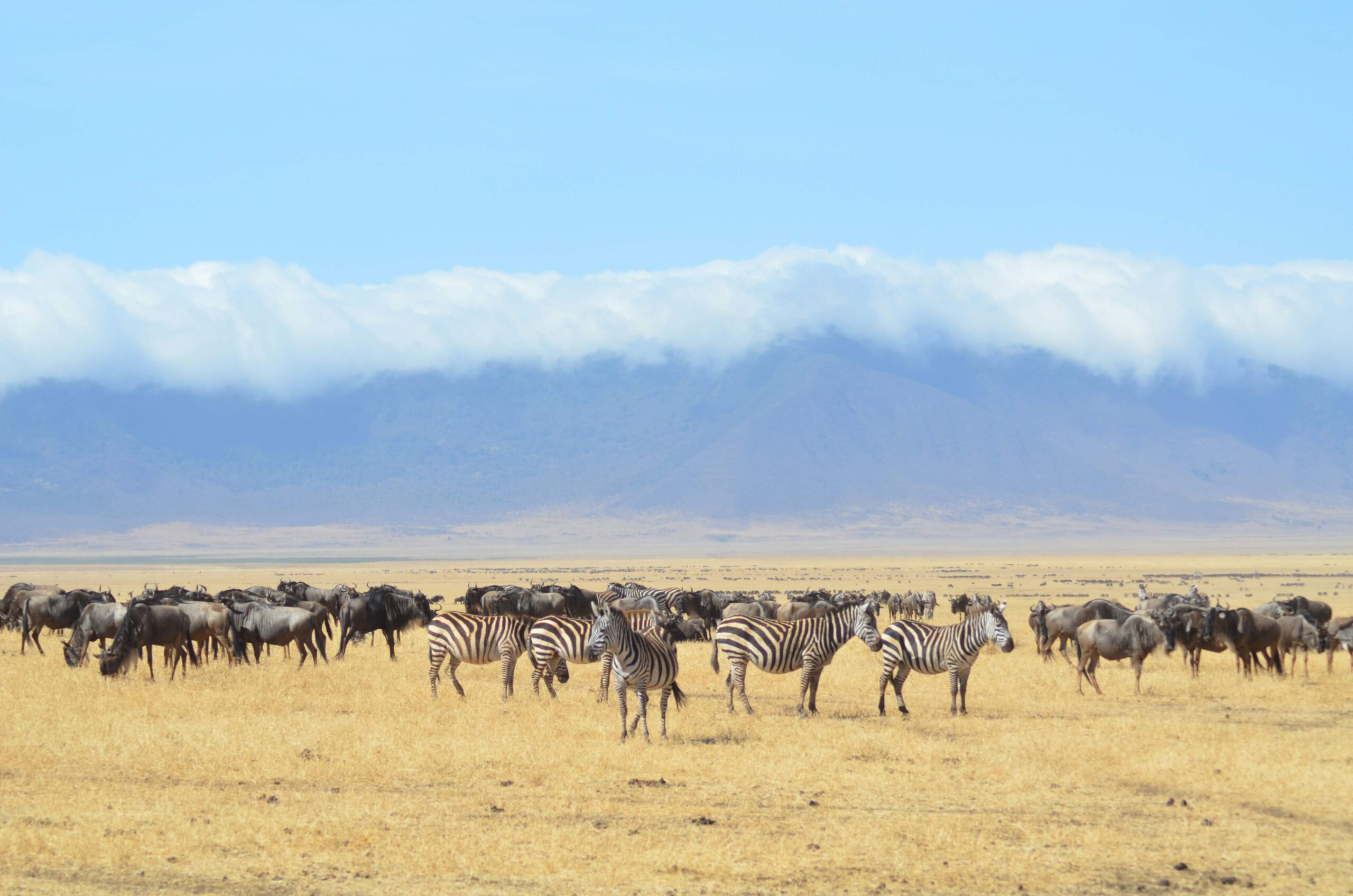
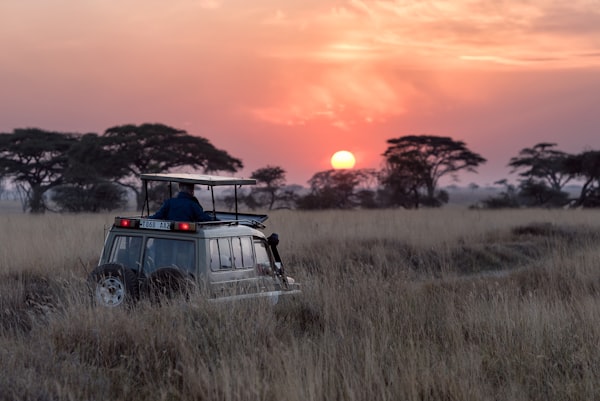
Imagine sitting in a home thousands of kilometers from Africa, putting on a virtual reality headset and suddenly finding yourself surrounded by elephants in Amboseli, watching a lion move across the Maasai Mara, walking through the streets of Mombasa, or standing beside the turquoise waters of the Kenyan coast.
This is the potential of virtual reality in Kenya tourism.
Tourism has traditionally depended on photographs, videos, brochures and social media to persuade travelers to visit a destination. Virtual reality could take that experience much further by allowing potential visitors to explore Kenya before they ever board a plane.
For a destination famous for wildlife, landscapes, beaches, adventure and cultural experiences, virtual reality could become a powerful tourism marketing tool.
What Is Virtual Reality Tourism?

Virtual reality tourism uses immersive digital technology to allow people to explore destinations and tourism experiences virtually.
Instead of simply looking at a photograph of a safari vehicle approaching elephants, for example, a traveler could experience a 360-degree environment where they can look around and feel as though they are physically present at the location.
Virtual reality can combine:
- 360-degree video
- 3D environments
- Interactive maps
- Wildlife experiences
- Cultural experiences
- Virtual hotel tours
- Destination storytelling
- Interactive attractions
- Spatial audio
The objective is not necessarily to replace physical travel. Instead, VR can give travelers a preview of what they might experience when they eventually visit.
Research into tourism VR has found that immersive experiences can strengthen a user’s sense of presence, destination imagery and engagement. Studies have also linked satisfaction with virtual travel experiences to intentions to visit destinations in the real world.
Why Kenya Is Suitable for Virtual Reality Tourism

Kenya has an unusually diverse tourism product.
A potential visitor can experience wildlife, mountains, beaches, forests, lakes, deserts, cultural heritage and urban attractions within one country.
That diversity creates many opportunities for immersive storytelling.
A virtual reality campaign could allow a potential traveler to move between these experiences within minutes.
They could begin with sunrise over the Maasai Mara, move to an elephant encounter in Amboseli, explore the forests around Mount Kenya and finish with a virtual walk along a beach on the Indian Ocean.
This would communicate something that ordinary advertising sometimes struggles to achieve: the sheer variety of experiences available in Kenya.
The Kenya Tourism Board’s stated mandate includes developing and coordinating the country’s national tourism marketing strategy, while its mission emphasizes Kenya as a diverse, sustainable and authentic tourism destination.
Virtual reality could support that objective by turning destination promotion into an interactive experience.
Virtual Reality Can Give Tourists a Preview of Kenya

One of the biggest advantages of virtual reality in Kenya tourism is the ability to provide a preview before the trip.
Travelers often make decisions based on what they can see online.
A photograph can show a landscape, while a video can demonstrate movement and atmosphere. VR can go further by allowing users to control where they look and explore an environment themselves.
Research comparing VR with images and 360-degree tours found that VR can create a stronger sense of presence and encourage people to mentally imagine themselves experiencing a tourism product.
For Kenya, this could mean allowing travelers to preview:
- A morning game drive
- A Maasai cultural experience
- A luxury safari camp
- A beach resort
- A mountain hiking route
- A hot-air balloon experience
- A wildlife conservation project
- A coastal dhow excursion
- A historical attraction
The traveler gets an impression of the experience before making a booking.
Virtual Reality Could Make Kenya’s Wildlife More Accessible
Kenya’s wildlife is one of its strongest tourism attractions, making safari experiences particularly suitable for VR.
Imagine a potential tourist entering a virtual safari and choosing between different locations.
They could select the Maasai Mara and experience a virtual game drive across the savannah.
Another option could take them to Amboseli, where elephants can be experienced against the backdrop of Mount Kilimanjaro.
VR could also tell the story behind the animals rather than simply displaying them.
For example, a virtual safari could explain how elephants interact with their environment, why predators follow particular hunting patterns, or how conservation organizations protect threatened species.
This could make the technology useful not only for marketing but also for tourism education.
Virtual Reality Could Promote Kenya’s Lesser-Known Destinations

Kenya tourism is often strongly associated with the Maasai Mara, Amboseli and the beaches of the coast.
However, the country has many other destinations that could benefit from greater international exposure.
Virtual reality could help bring attention to places such as:
- Northern Kenya
- Lake Turkana
- Samburu
- Tsavo
- Mount Kenya
- Kakamega Forest
- Hell’s Gate
- Lake Bogoria
- Lake Naivasha
- Lamu
- Kisumu and Lake Victoria
A traveler who has never heard of a particular destination could discover it through an immersive experience.
This is particularly valuable for destinations that may not have the same global recognition as Kenya’s most famous safari attractions.
Virtual Reality Can Strengthen Hotel and Lodge Marketing
The technology could also be useful for accommodation providers.
Instead of relying only on photographs of a lodge, hotels and safari camps could offer virtual tours.
A potential guest could virtually enter the reception area, explore a room, view the dining area and experience the surrounding landscape.
For safari properties, VR could go beyond the building itself.
A virtual experience could show what a typical morning might feel like: waking up in the bush, walking to breakfast and heading out on a game drive.
This could help travelers understand the experience they are considering before booking.
Virtual Reality Can Promote Kenya’s Culture

Kenya’s tourism appeal extends beyond landscapes and wildlife.
The country is home to diverse communities, traditions, crafts, food, music, dance and historical experiences.
VR could allow travelers to explore cultural attractions in an immersive format.
A virtual cultural experience could take visitors through a traditional craft workshop, a historical settlement or a cultural performance.
However, cultural VR should be developed responsibly. Communities should have a meaningful role in deciding what is recorded, how stories are presented and how commercial benefits are shared.
The objective should be authentic storytelling rather than turning culture into a staged digital attraction.
Virtual Reality Could Inspire Adventure Tourism
Kenya also has opportunities for adventure tourism.
A virtual experience could allow potential visitors to preview activities such as hiking, cycling, rock climbing, kayaking or mountain trekking.
For someone unfamiliar with Kenya, seeing an activity from a first-person perspective could reduce uncertainty about what the experience involves.
For example, a virtual Mount Kenya experience could show the landscape, different sections of a route and the changing environment as hikers gain altitude.
This could help travelers make more informed decisions about which experiences match their interests.
Virtual Reality Could Bring Kenya to International Markets
One of the most interesting possibilities is the ability to reach international audiences without requiring them to travel to Kenya first.
A tourism organization could distribute VR experiences through:
- Tourism websites
- Social media
- Travel exhibitions
- Airports
- Hotels
- Travel agencies
- Schools and universities
- Tourism conferences
- Shopping centres
- International tourism events
A person in Europe, Asia, North America or another African country could experience a Kenyan destination digitally before deciding whether to visit.
This makes VR potentially useful as an international destination-marketing tool.
Research has found that VR destination experiences can influence destination image and attitudes, while more recent research continues to examine how realism, engagement and presence affect the pre-visit experience.
VR Should Not Replace Real Travel
Despite its potential, virtual reality should not be presented as a substitute for visiting Kenya.
The smell of the African bush, the sound of birds at dawn, the warmth of the coast and the unpredictability of a real safari cannot be completely reproduced digitally.
The real value of VR is therefore in creating curiosity.
A successful virtual experience should leave the user thinking:
“I want to experience this for real.”
That distinction is important.
VR should act as a bridge between inspiration and physical travel.
Virtual Reality Can Support Sustainable Tourism
There is also a potential sustainability dimension.
Virtual experiences can provide educational access to fragile ecosystems and sensitive cultural sites without requiring every interested person to physically visit them.
For example, a virtual conservation experience could explain the importance of a protected ecosystem while showing viewers landscapes and wildlife that require careful management.
Research reviewing AR and VR applications in tourism has identified roles for these technologies in destination awareness, interpretation, education and visitor engagement, including in cultural heritage tourism.
However, this should complement rather than replace responsible physical tourism.
The technology itself is not automatically sustainable. Its environmental and social impacts, production requirements and digital infrastructure also need to be considered.
The Importance of Authentic Kenyan Storytelling
For virtual reality in Kenya tourism to succeed, authenticity will be essential.
Tourists should not be shown an artificial version of Kenya that creates unrealistic expectations.
Wildlife experiences should reflect real conditions.
Cultural experiences should respect local communities.
Conservation stories should acknowledge both achievements and challenges.
Hotels should present realistic experiences rather than digitally exaggerating their facilities.
The strongest VR tourism campaigns could therefore combine impressive technology with accurate storytelling.
How Kenya Could Build a Powerful VR Tourism Campaign
A national or private-sector VR campaign could be developed around the idea of taking travelers on a virtual journey through Kenya.
The experience could begin at the coast before moving through Kenya’s major landscapes.
A possible virtual journey could include:
Stage 1: The Coast
Explore Mombasa, Lamu and the beaches of the Indian Ocean.
Stage 2: The Rift Valley
Experience lakes, escarpments and dramatic geological landscapes.
Stage 3: The Savannah
Enter the Maasai Mara, Amboseli and Tsavo ecosystems.
Stage 4: The Mountains
Explore Mount Kenya and other highland landscapes.
Stage 5: Northern Kenya
Discover the dramatic landscapes and cultural diversity of northern Kenya.
Stage 6: Nairobi
Finish the journey in Kenya’s capital, combining wildlife, culture, food, business and urban experiences.
Such a campaign could allow travelers to create their own virtual itinerary before making a real booking.
Travel Companies Could Use VR to Increase Engagement
Safari operators, hotels and tour companies could also integrate VR into their websites.
Instead of simply presenting a list of safari packages, an operator could allow visitors to experience parts of an itinerary virtually.
For example, someone considering a five-day safari could explore a virtual version of the destinations included in the package.
This could make itinerary planning more interactive.
The technology could also be connected to booking pages, allowing travelers to move from inspiration to practical information such as accommodation, activities, transport and travel dates.
The Future of Virtual Reality in Kenya Tourism

The future of tourism marketing is becoming increasingly visual, interactive and immersive.
VR is part of that transformation.
A systematic review published in 2026 found strong growth in research into VR and AR in tourism, particularly around destination marketing, branding, virtual tours and visitor engagement.
For Kenya, the opportunity is particularly interesting because the country’s tourism product is highly visual.
Wildlife, landscapes, culture, adventure and coastal experiences can all be translated into immersive digital stories.
The technology will not eliminate the need for traditional tourism marketing, but it could add a powerful new layer to the visitor journey.
Conclusion: Kenya Could Let Travelers Experience the Destination Before They Arrive
Virtual reality in Kenya tourism could become an exciting new way of promoting the country to potential visitors around the world.
Instead of asking travelers to imagine what Kenya looks and feels like, tourism marketers could allow them to explore parts of the country virtually before they make their journey.
From wildlife and safari camps to mountains, beaches, cultural experiences and lesser-known destinations, VR could showcase the remarkable diversity of Kenya.
Most importantly, virtual reality should not replace the real Kenyan experience.
It should inspire it.
When used creatively, authentically and responsibly, VR could turn a potential tourist’s first encounter with Kenya into something much more memorable-and potentially encourage them to make the journey for real.