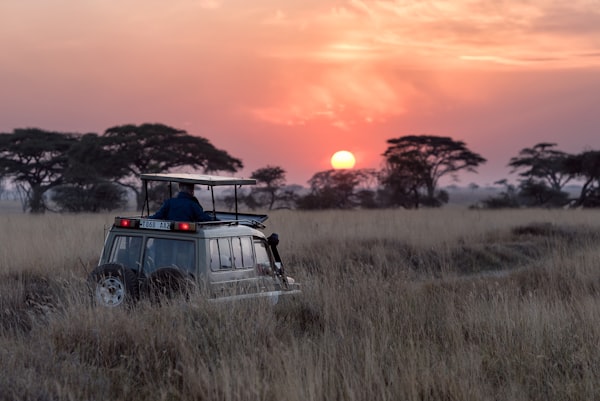
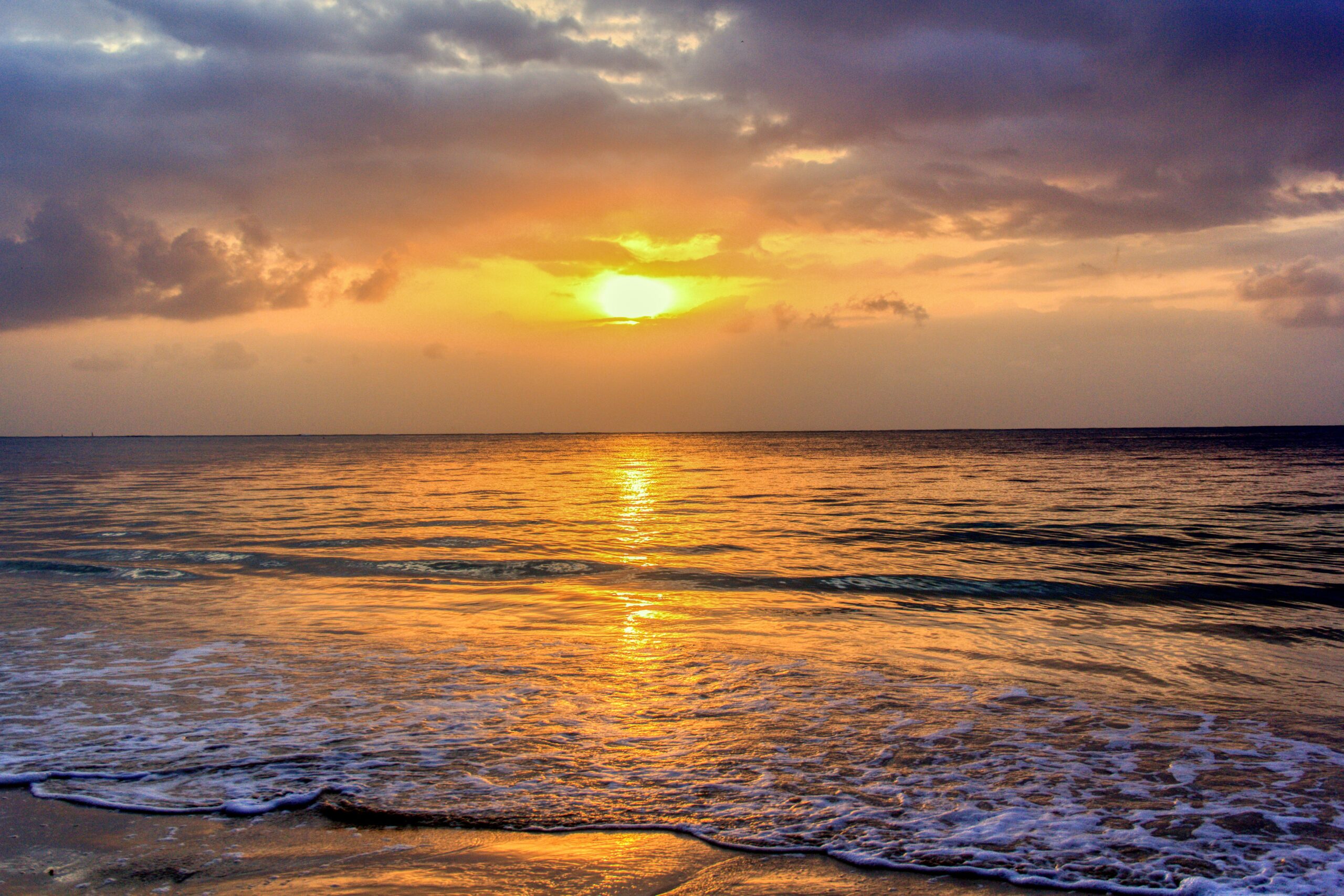
Kenya is internationally recognized for its wildlife, beaches, landscapes and cultural experiences. However, beyond traditional safaris lies another promising opportunity: scientific and research tourism in Kenya.
The country has an extraordinary combination of biodiversity, ecosystems, geological formations, marine environments, archaeological sites and research institutions. From the savannahs of the Maasai Mara to the coral reefs of the Kenyan coast and the geological landscapes of the Great Rift Valley, Kenya provides natural laboratories for scientists, students and researchers.
Kenya’s growing network of research institutions could therefore help create a tourism sector that attracts visitors who want more than sightseeing. Scientific and research tourists could travel to Kenya to participate in field studies, educational programs, conservation projects, biodiversity surveys and other research-related experiences.
What Is Scientific and Research Tourism?
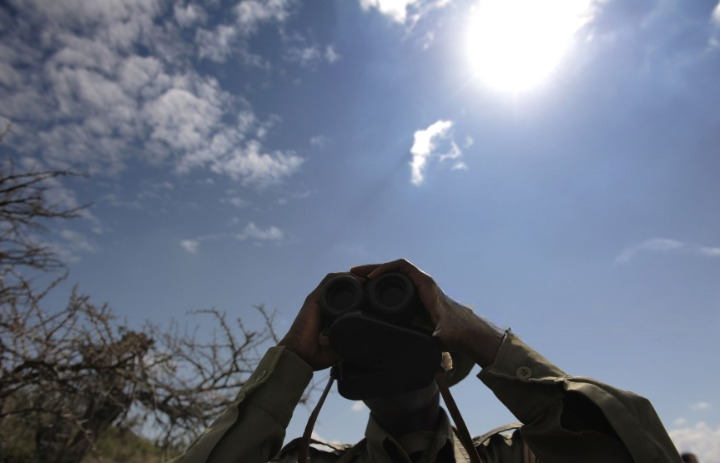
Scientific and research tourism involves travelling to destinations primarily to conduct, support, observe or learn about scientific research and educational activities.
Unlike conventional tourism, the visitor’s main interest may be a particular ecosystem, species, geological feature, archaeological site, climate phenomenon or scientific institution.
For Kenya, this could include:
- Wildlife research trips
- Biodiversity surveys
- Marine and coastal research
- Bird research and conservation
- Geological field studies
- Archaeological research
- Forestry research
- Agricultural research
- Climate and environmental studies
- Insect and entomological research
- Educational field trips
- Conservation training
- Citizen-science projects
This creates an opportunity to combine tourism, education, conservation and scientific discovery.
Kenya Has an Exceptional Natural Laboratory
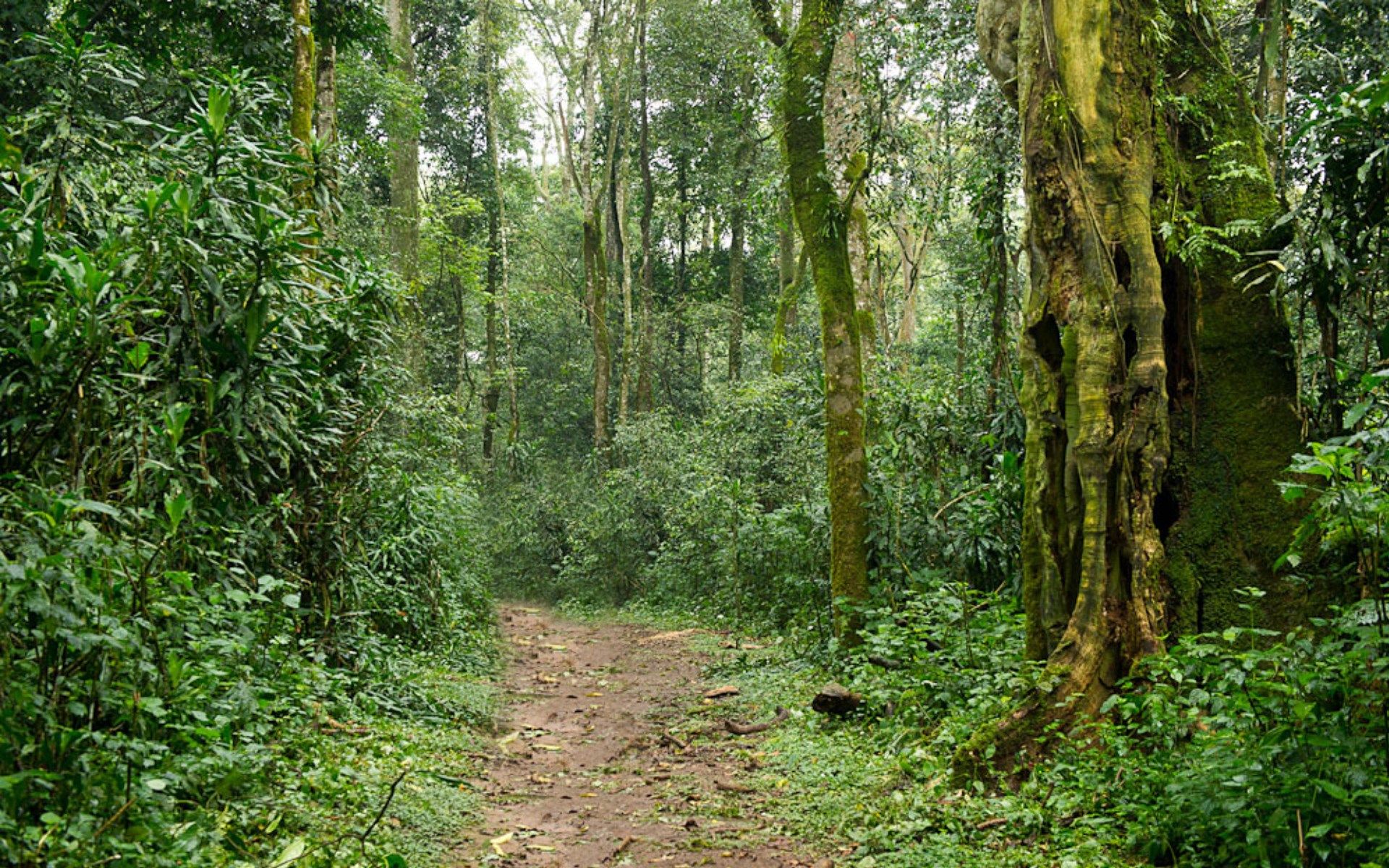
One of Kenya’s biggest advantages is its ecological diversity.
Within one country, researchers can access tropical forests, savannahs, wetlands, mountains, deserts, freshwater lakes, coastal ecosystems and the Indian Ocean.
This diversity creates opportunities for research in numerous scientific disciplines.
The Great Rift Valley, for example, provides important landscapes for geological, ecological, archaeological and environmental studies. Kenya’s lakes support research into freshwater ecosystems, while its forests provide opportunities for studying biodiversity, climate and conservation.
The country’s wildlife areas are equally valuable. Researchers can study animal behaviour, population dynamics, migration, predator-prey relationships, human-wildlife interactions and ecosystem changes.
This diversity gives Kenya the potential to attract specialized visitors for scientific and research tourism throughout the year rather than relying exclusively on traditional leisure tourism.
Kenya Already Has a Strong Research Network
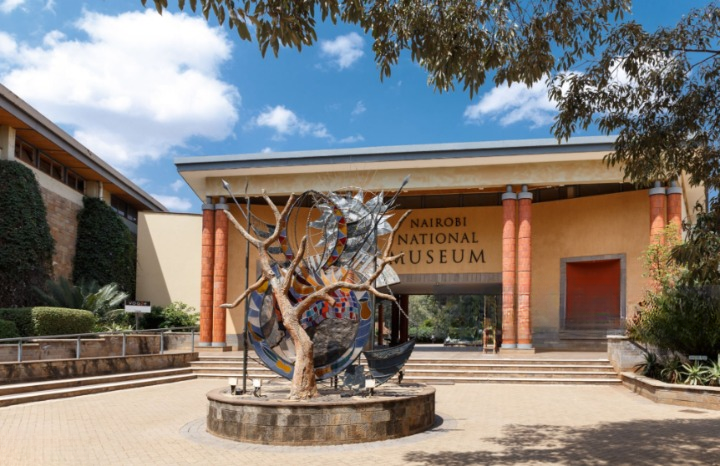
The potential for scientific and research tourism is supported by an established research infrastructure.
Kenya’s State Department for Science, Research and Innovation lists institutions including the Kenya Forestry Research Institute, Kenya Marine and Fisheries Research Institute, National Museums of Kenya, Kenya Medical Research Institute, International Centre of Insect Physiology and Ecology, Wildlife Research and Training Institute and Kenya Agricultural and Livestock Research Organization.
This network gives Kenya an important foundation for developing research-focused tourism products.
The Wildlife Research and Training Institute (WRTI) is particularly relevant to wildlife tourism. Its research centres cover ecosystems ranging from savannahs and arid areas to forests and wetlands, with facilities and field centres located across different parts of Kenya.
This creates an interesting possibility: tourists could combine conventional wildlife experiences with educational and scientific activities.
Wildlife Research Could Drive Scientific Tourism
Kenya’s wildlife remains one of its greatest tourism assets, but animals can also become subjects of scientific exploration.
Visitors with an interest in zoology, ecology, conservation or wildlife management could participate in carefully designed research experiences.
For example, a research-focused safari could include:
- Wildlife population monitoring
- Bird identification and recording
- Animal behaviour observation
- Camera-trap demonstrations
- Conservation education
- Habitat assessment
- Ranger and researcher presentations
- Human-wildlife conflict discussions
Such experiences would provide tourists with a deeper understanding of conservation rather than simply taking photographs.
WRTI’s mandate includes wildlife research and training aimed at supporting sustainable wildlife conservation and management, reinforcing the scientific foundation already present within Kenya’s tourism and conservation sector.
Marine Science Could Attract More Research Visitors

Kenya’s coastline presents another major opportunity.
The Indian Ocean supports coral reefs, mangroves, seagrass ecosystems, fisheries and diverse marine life. These environments can attract researchers interested in marine biology, oceanography, fisheries, climate change and coastal conservation.
The Kenya Marine and Fisheries Research Institute (KMFRI) is Kenya’s principal institution for marine and freshwater research. Its mandate covers areas including fisheries, aquaculture, ecological studies, oceanography, marine geology, mineralogy and marine energy.
KMFRI also operates research stations across Kenya, including facilities around Mombasa, Gazi, Shimoni, Naivasha, Sagana and Lake Victoria. The institute specifically provides opportunities for research visits and educational tours.
This provides a strong foundation for developing organized marine scientific and research tourism.
Kenya’s geological heritage could also become an important part of scientific and research tourism in Kenya.
The Great Rift Valley contains dramatic escarpments, volcanic landscapes, lakes and geological formations that provide opportunities for studying Earth’s geological history.
Researchers, university students, geology enthusiasts and educational groups could visit areas of geological significance as part of guided field programs.
Scientific and research tourism could transform these landscapes from places people simply photograph into destinations where visitors learn how the landscape was formed and how geological processes continue to shape East Africa.
Biodiversity Research Could Create Unique Experiences
Kenya’s biodiversity extends far beyond the famous Big Five.
The country has thousands of plant, insect, bird, reptile, amphibian and other animal species. This makes it particularly attractive for specialized researchers and students.
The National Museums of Kenya’s Centre for Biodiversity conducts multidisciplinary research covering terrestrial, marine and wetland ecosystems and contributes to conservation and biodiversity policy.
This could support tourism products focused on less-publicized areas of biodiversity.
For example, specialized visitors could participate in guided experiences involving:
Birdwatching: Recording and identifying different bird species.
Entomology: Learning about Kenya’s remarkable insect diversity.
Botany: Studying indigenous plants and their ecological importance.
Herpetology: Exploring reptiles and amphibians with qualified researchers.
Ecology: Understanding relationships between organisms and their environments.
These experiences could appeal to universities, conservation organizations, photographers, students and specialist travelers.
Research Tourism Could Benefit Local Communities
One of the most important advantages of scientific and research tourism is its potential to spread tourism income beyond conventional safari destinations.
Researchers require accommodation, transport, food, guides, field assistants and other services. Long-term research projects can therefore generate economic opportunities for local communities.
Local people can also contribute valuable traditional and environmental knowledge.
For example, communities living around forests, wetlands, wildlife areas and coastal ecosystems often have detailed knowledge of local species and environmental changes. Partnerships between researchers and communities could make scientific tourism more meaningful while creating additional income opportunities.
Universities Could Help Grow the Market
Universities and colleges could play a major role in developing scientific and research tourism in Kenya.
International students could visit Kenya for field courses in ecology, geology, archaeology, wildlife management, marine science and environmental studies.
A university field trip could become a tourism product involving accommodation, transportation, professional guides, researchers and visits to several ecosystems.
Kenya’s research institutions already provide a foundation for these partnerships. The country’s registered research institutions span fields including forestry, marine science, medicine, agriculture, biodiversity, wildlife and technology.
This means Kenya does not necessarily need to create an entirely new scientific tourism industry. Instead, it can package and promote existing scientific resources as tourism experiences.
Scientific Tourism Can Strengthen Conservation
Scientific and research tourism can also contribute directly to conservation.
Visitors who understand the science behind an ecosystem may develop a stronger appreciation for protecting it. Research tourism can also create additional revenue streams that support conservation organizations, protected areas and local communities.
The Tourism Research Institute already identifies sustainable tourism and emerging tourism areas among its research responsibilities, while Kenya’s tourism authorities emphasize sustainable development and wildlife conservation.
The opportunity is therefore to connect tourism more closely with science and conservation.
Kenya Could Develop Specialized Research Tourism Packages
Tour operators could work with researchers, universities and conservation organizations to create specialized packages.
Possible products could include:
Wildlife Research Safaris
Visitors spend several days learning how researchers monitor wildlife and ecosystems.
Marine Research Experiences
Travelers explore coastal ecosystems while learning about coral reefs, fisheries, mangroves and marine conservation.
Rift Valley Geological Tours
Visitors explore geological landscapes with qualified guides and specialists.
Bird Research Expeditions
Birdwatchers and researchers record species across Kenya’s forests, wetlands and savannahs.
Conservation Field Courses
Students participate in educational programs focusing on wildlife and environmental conservation.
Archaeological and Heritage Research Tours
Visitors explore Kenya’s archaeological heritage alongside experts and historians.
Insect and Biodiversity Expeditions
Specialist travelers study Kenya’s remarkable insect and ecosystem diversity.
Technology Could Make Research Tourism Even More Attractive
Modern technology could further increase the appeal of scientific and research tourism.
Tourists could use GPS tracking, wildlife identification applications, digital mapping, camera traps, drones where legally permitted, photography equipment and citizen-science platforms to participate in structured educational activities.
Kenya’s science and innovation ecosystem is also expanding. The State Department for Science, Research and Innovation highlights areas such as environmental sciences, biotechnology and space science within its research and innovation programs.
Combining technology with field experiences could make scientific and research tourism attractive to younger travelers and international students.
Challenges Kenya Must Address
Despite its potential, scientific and research tourism will require careful planning.
Research activities must follow ethical standards, conservation regulations and applicable research-permit requirements. Wildlife and sensitive ecosystems must not be disturbed simply to create tourist experiences.
There is also a need for better coordination between researchers, tourism companies, universities, communities and government agencies.
Another challenge is marketing. Kenya is globally associated with safari tourism, but many potential visitors may not know about its scientific institutions and research opportunities.
Greater visibility could help change this perception.
The Future of Scientific and Research Tourism in Kenya
The future looks promising because Kenya already possesses many of the ingredients required for this specialized tourism sector.
The country has diverse ecosystems, internationally important wildlife, marine environments, geological landscapes, archaeological resources and a substantial network of research institutions.
What is needed is stronger collaboration and packaging.
Instead of viewing research and tourism as separate sectors, Kenya could bring them together to create experiences where visitors learn, explore and contribute to scientific understanding.
Scientific and research tourism in Kenya could therefore become a valuable addition to the country’s established safari, beach, cultural and adventure tourism products.
Final Thoughts
Kenya has the potential to become more than a destination for traditional wildlife safaris. Its ecosystems, biodiversity, geological formations, marine environments and research institutions provide a powerful foundation for scientific and research tourism in Kenya.
With strategic partnerships between researchers, universities, communities, conservation organizations and tourism companies, the country could attract a new generation of visitors interested in science, education and discovery.
For Kenya, this represents an exciting opportunity to diversify tourism while supporting conservation, education, research and local economic development.
Planning a research-inspired safari or educational tour in Kenya? Bison Safaris can help visitors experience Kenya’s extraordinary wildlife, landscapes and natural ecosystems through carefully planned safari experiences.