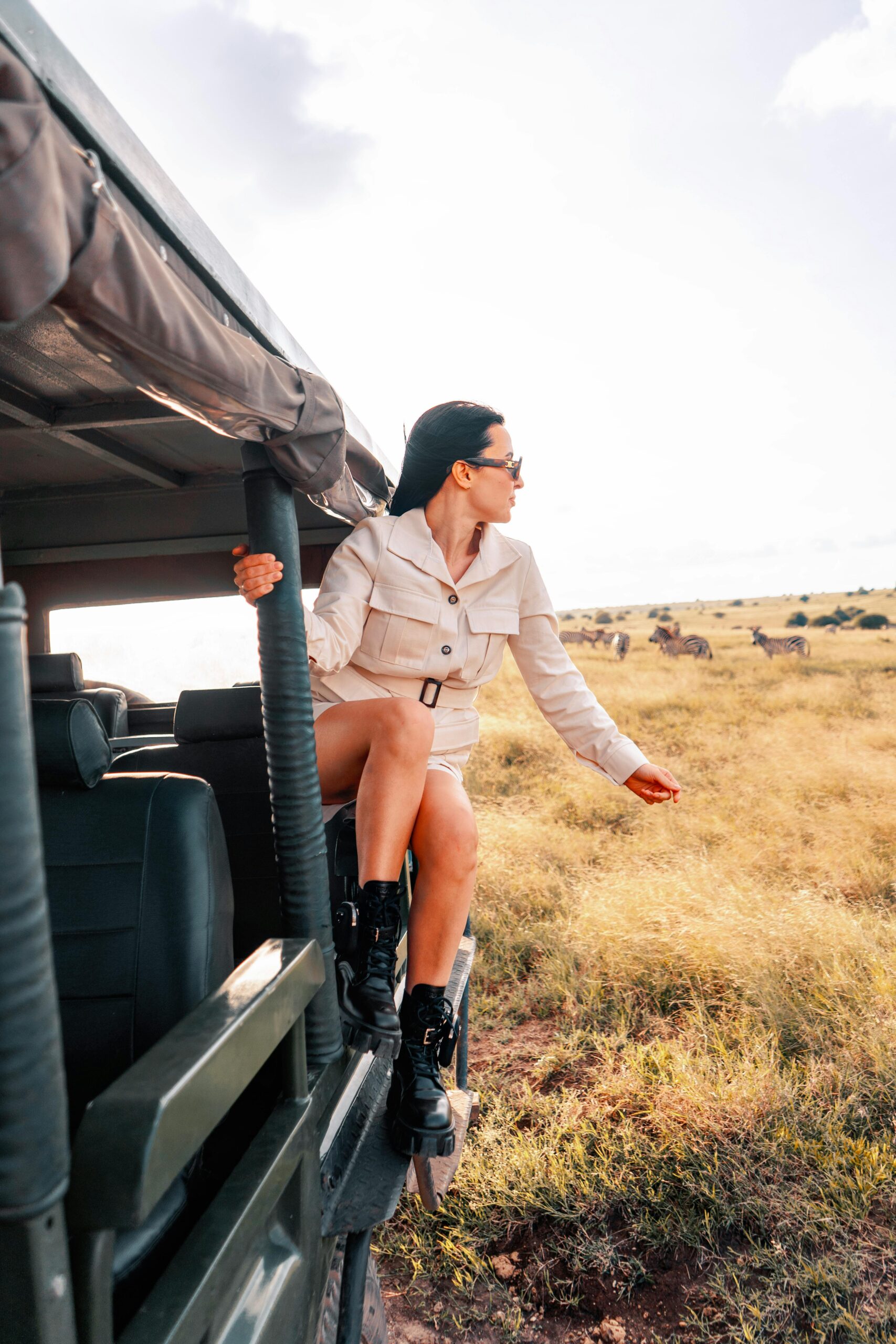
Zambia’s wildlife spectacle is one of the most rewarding experiences for any traveller. In this guide, we share expert tips and insights.
This natural phenomenon, a true Zambia’s wildlife spectacle, unfolds every year as the first rains awaken the forests of northern Zambia, transforming the skies above Kasanka National Park into a spectacular stage. Millions of colored fruit bats arrive, creating a spectacle of the largest mammal migration on Earth. Their swirling, synchronized flights form dramatic aerial ballet, captivating all who witness it.
This extraordinary event, truly Zambia’s wildlife spectacle, hidden in one of Africa’s smallest national parks, combines sheer scale, ecological importance and visual spectacle in a way few wildlife experiences can match. Below is what you need to know about Kansaka bat migration in Zambia, a highlight of Zambia’s wildlife spectacle.
Where does the Zambia bat migration happen?
The bat migration, a significant part of Zambia’s wildlife spectacle, happens in Kasanka, the smallest national park in northern Zambia that hosts the largest mammal migration. Each year, millions of fruit bats fill the skies as they roost in tiny patches of swamp forest. This incredible spectacle turns Kasanka into a vibrant hub of life, drawing predators and driving key ecological processes. A powerful reminder that lesser-known parks hold nature’s greatest wonders.
Why do bats migrate to Kasanka National Park?
The Bats come to Kasanka, contributing to Zambia’s wildlife spectacle, because it offers the perfect food and shelter needed at the right time of the year. The park’s fruit trees produce an abundance of ripe fruits as bats arrive, providing a critical energy source after their long journey.
This feast sustains millions of bats and also supports the health of the entire forest. The bats help spread seeds everywhere and pollinate many tree species, ensuring that Kasanka’s rich ecosystem continues to thrive year after year. Their arrival is a natural cycle that connects bats, trees and the forest in a powerful and lasting way, making it an integral part of Zambia’s wildlife spectacle.
Best time to witness Zambia’s Wildlife Spectacle: The Kasanka Bat Migration
The best time to see this particular Zambia’s wildlife spectacle is when their numbers reach their highest between early November and early December. During this peak period, millions of bats gather in Kasanka, creating an awe-inspiring spectacle as they fly at dawn and dusk.
Visiting during this season guarantees a chance to witness the massive scale of this Zambia’s wildlife spectacle and also offers the opportunity to see the vibrant energy of the forest coming alive with birds, predators & other wildlife drawn by bats presence.
What does the Kansaka bat migration look like?
The bat migration, a true Zambia’s wildlife spectacle, is like nothing else in nature. As the sun rises and sets, the sky above Kasanka transforms into a moving living shadow made up of millions of fluttering wings.
The bats pour out in thick streams, swirling and twisting together in patterns that seem both chaotic and perfectly coordinated. This incredible mass of movement creates a deep buzzing sound that fills the air and stirs the forest below.
Watching this breathtaking dance of life is a humbling reminder of nature’s power and the incredible journeys these tiny creatures undertake each year.
The sight and sound of millions of bats filling the sky is truly unforgettable, a powerful display of Zambia’s wildlife spectacle that leaves a lasting impression.
Predators & Wildlife: The Ecosystem Behind the Bat Migration
The bat migration, a key part of Zambia’s wildlife spectacle, captivates with the sheer number of bats and also draws a fascinating cast of predators, turning Kasanka into a lively stage for nature drama. Eagles soar high scanning skies for easy prey while crocodiles lurk in waters below ready to snap any bat that comes too close.
Snakes and leopards take advantage of the chaos to hunt, making migration a vital feeding opportunity for many species. Predator and prey interaction shows deep connections within the ecosystem and bat migration supports the survival of different animals.
Why Is the Kasanka Bat Migration Ecologically Important?
The bats pollinate flowers and disperse seeds over vast areas, helping forests to grow, regenerate, and stay resilient, thus enhancing Zambia’s wildlife spectacle. This natural process supports a wide variety of plants and animals, making bats essential to biodiversity. Protecting migration means protecting the future of many African forests and countless species that depend on them.
Is travelling to Zambia for the Bat Migration worth it?
Traveling to Kasanka to see this Zambia’s wildlife spectacle is absolutely worth it. This migration is one of the rarest and most spectacular wildlife events, offering a unique experience far from crowded tourist spots. Witnessing millions of bats in their natural habitat is a powerful reminder of how all life is connected. For nature lovers seeking something truly special, Kasanka is a must-visit destination.
What to bring if planning to see bat migration
To fully appreciate Zambia’s wildlife spectacle, binoculars or cameras with telephoto lenses allow you to observe and capture bats and other wildlife from a safe distance. Insect repellent very essential to protect against mosquitoes in swampy areas. Wearing neutral clothing blending with natural surroundings increases the chances of spotting animals.