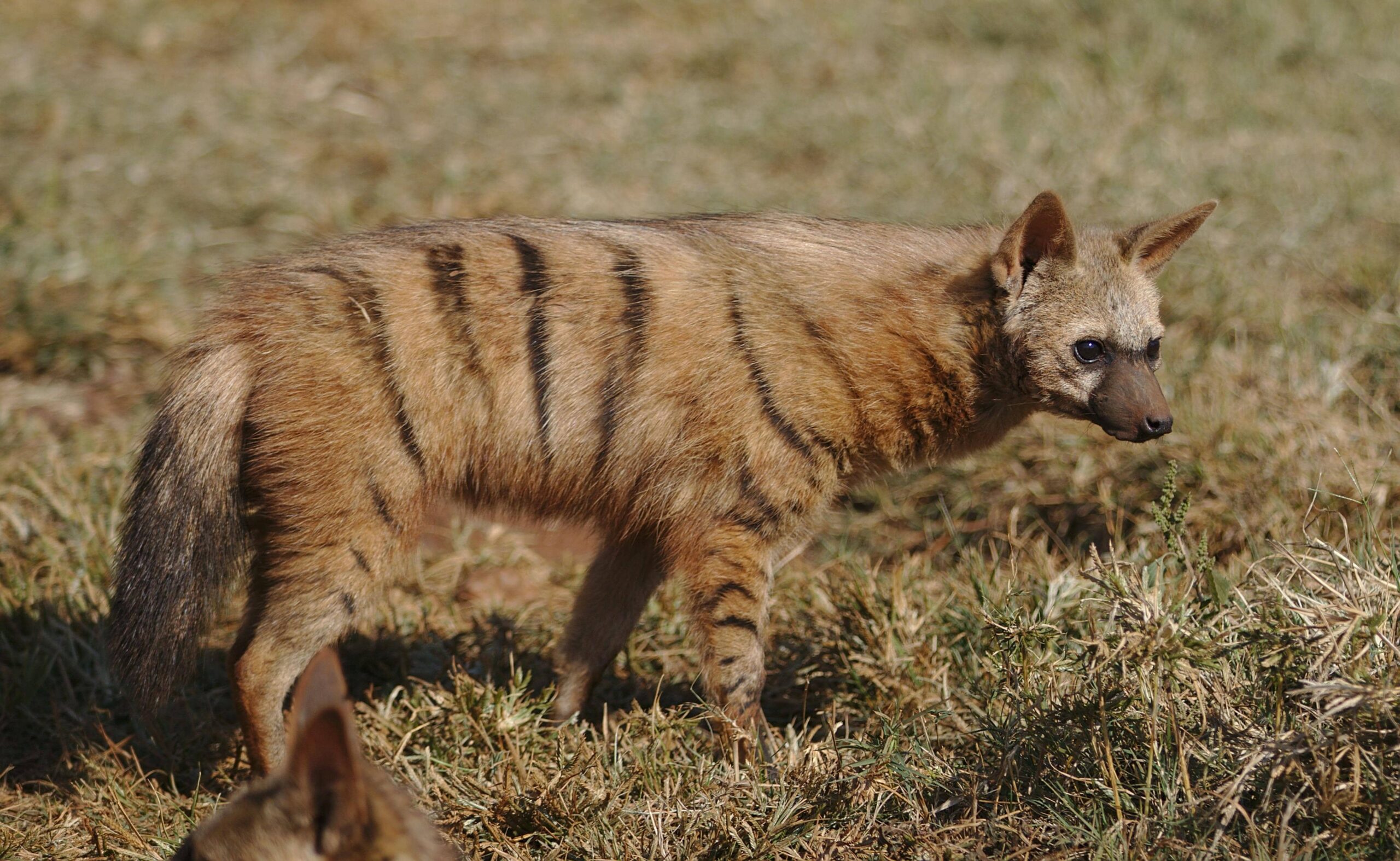
Understanding the impact of tourism on endangered species allows travelers to appreciate that every responsible safari can contribute directly to conservation efforts. Africa is home to some of the world’s most iconic wildlife, from majestic elephants and powerful lions to endangered mountain gorillas and African wild dogs. However, many of these incredible animals face growing threats from habitat destruction, poaching, climate change, and human-wildlife conflict. Fortunately, tourism has become one of the most effective tools in protecting endangered wildlife.
When managed sustainably, wildlife tourism generates essential funding for national parks, supports anti-poaching initiatives, creates employment for local communities, and encourages governments to protect natural habitats. Every park entrance fee, guided safari, and eco-friendly lodge stay can help secure the future of Africa’s wildlife.
In this guide, we’ll explore the impact of tourism on endangered species, explain how safaris support conservation, and show how travelers can make choices that benefit wildlife for generations to come.
Understanding Endangered Species in Africa
Africa is one of the world’s richest biodiversity hotspots, yet many of its species are classified as vulnerable, endangered, or critically endangered.
Some of the continent’s most threatened wildlife includes:
- African Wild Dogs
- Black Rhinos (critically endangered)
- Mountain Gorillas
- African Forest Elephants
- Grevy’s Zebras
- Pangolins
- Ethiopian Wolves
- African Penguins
- Shoebills
- Vultures

Africa’s rich and diverse ecosystems face severe conservation challenges. Human-wildlife conflict, habitat fragmentation, poaching, and climate pressures have pushed many iconic species toward the brink of extinction. Understanding the impact of tourism on endangered species help prevent these species from extinction.
The Impact of Tourism on Endangered Species
Responsible tourism has transformed wildlife conservation across Africa. Rather than seeing wildlife solely as natural heritage, tourism demonstrates that living animals provide long-term economic value.

Here are the major ways the impact of tourism on endangered species can be positive.
Tourism Generates Funding for Conservation
National parks require significant financial resources to protect wildlife. Evaluating the impact of tourism on endangered species reveals that traveler-driven revenue is a cornerstone of biodiversity preservation. Revenue from tourism supports:
- Park maintenance
- Ranger salaries
- Wildlife monitoring
- Veterinary programs
- Habitat restoration
- Scientific research
Entrance fees paid by visitors often go directly toward conservation projects. In many African countries, wildlife tourism is one of the primary sources of funding for protected areas. Without tourism, conservation budgets would be significantly reduced.
Safari Tourism Helps Fight Poaching
Poaching remains one of the greatest threats to endangered animals. Understanding the impact of tourism on endangered species highlights how safari operations provide the economic muscle needed on the front lines of anti-poaching initiatives.
Tourism revenue funds:
- Anti-poaching patrols
- Ranger equipment
- Surveillance technology
- Community intelligence programs
- Wildlife crime investigations
Well-funded ranger teams are better equipped to protect rhinos, elephants, pangolins, and other threatened species. The presence of tourists also discourages illegal activities in many protected areas because parks are actively monitored.
Wildlife Tourism Protects Natural Habitats
Animals cannot survive without healthy ecosystems.
Tourism encourages governments and conservation organizations to preserve:
- National parks
- Wildlife reserves
- Forests
- Wetlands
- River ecosystems
- Savannah grasslands
Instead of converting land into agriculture or settlements, protected landscapes generate income through tourism while maintaining biodiversity.
This is one of the greatest long-term benefits of the impact of tourism on endangered species.
Tourism Creates Jobs for Local Communities
Conservation succeeds when local communities benefit from protecting wildlife. Examining the impact of tourism on endangered species demonstrates that human livelihoods and biodiversity conservation are deeply intertwined.
Safari tourism creates employment opportunities such as:
- Safari guides
- Drivers
- Lodge staff
- Conservation officers
- Park rangers
- Hospitality workers
- Cultural performers
- Craftspeople
When communities earn sustainable incomes through tourism, wildlife becomes a valuable resource worth protecting rather than exploiting.
Community Conservancies Protect Wildlife
Across East and Southern Africa, community conservancies have become conservation success stories. Communities receive tourism income while dedicating land to wildlife conservation.

Benefits include:
- Reduced habitat loss
- Improved coexistence with wildlife
- Increased wildlife populations
- Better education
- Healthcare improvements
- Infrastructure development
In countries like Kenya and Namibia, community conservancies have significantly contributed to the recovery of several endangered species.
Tourism Supports Wildlife Research
Scientists rely on long-term funding to understand endangered species. Analyzing the impact of tourism on endangered species reveals how visitor revenues directly underwrite critical scientific studies.
Tourism revenue supports research on:
- Animal behavior
- Population monitoring
- Migration patterns
- Disease prevention
- Habitat restoration
- Human-wildlife conflict
Research helps conservationists make informed decisions that improve wildlife management.
Responsible Tourism Raises Conservation Awareness
Seeing wildlife in its natural habitat creates a powerful emotional connection. Many travelers return home with a deeper appreciation for conservation and continue supporting wildlife through:
- Donations
- Volunteer work
- Wildlife charities
- Conservation advocacy
- Responsible consumer choices
Education is one of tourism’s most valuable conservation outcomes.
Success Stories: How Tourism Has Helped Endangered Species
Mountain Gorillas
Mountain gorilla tourism in Rwanda, Uganda, and the Democratic Republic of the Congo has become one of Africa’s greatest conservation achievements. Limited visitor permits generate substantial conservation revenue while minimizing disturbance to the animals.

Tourism has funded:
- Gorilla monitoring
- Veterinary care
- Anti-poaching patrols
- Community development
As a result, mountain gorilla populations have shown encouraging growth.
Black Rhinos
Black rhino populations declined dramatically due to poaching.

Tourism now helps finance:
- Rhino sanctuaries
- Intensive protection zones
- Armed ranger patrols
- GPS monitoring
- Veterinary interventions
Countries such as Kenya, Namibia, and South Africa continue investing tourism income into rhino conservation.
African Wild Dogs
African wild dogs require vast territories to survive.

Tourism contributes to:
- Habitat protection
- Population monitoring
- Collar tracking
- Disease research
- Community education
Several protected ecosystems now provide safe habitats for recovering wild dog populations.
Elephants
Elephant conservation benefits greatly from safari tourism.

Tourism supports:
- Anti-poaching units
- Elephant corridors
- Community compensation programs
- Human-elephant conflict mitigation
Healthy elephant populations also attract more visitors, creating a positive conservation cycle.
The Role of Eco-Lodges in Wildlife Conservation
Many safari lodges actively participate in conservation through:
- Renewable energy
- Water conservation
- Waste reduction
- Local employment
- Wildlife monitoring
- Conservation donations
- Plastic-free operations
Choosing eco-certified accommodations allows travelers to support responsible tourism beyond park entrance fees.
Responsible Safari Practices That Protect Wildlife
Travelers can maximize the impact of tourism on endangered species by making responsible choices.
Choose Ethical Safari Operators
Book with operators that:
- Employ local guides
- Follow wildlife viewing regulations
- Support conservation organizations
- Limit vehicle numbers
- Respect park rules
Keep a Safe Distance
Never pressure guides to approach animals too closely as some animals may feel threatened and may attack or run away.
Maintaining distance reduces stress and preserves natural behaviors.
Never Feed Wildlife
Feeding wild animals changes their natural behavior and can expose them to diseases.
Wildlife should always remain wild.
Follow Park Regulations
National park rules exist to protect both visitors and wildlife.
Always:
-
- Stay on designated roads
- Observe speed limits
- Avoid loud noises
- Do not litter
- Respect guide instructions
Support Community-Owned Tourism
To maximize the positive impact of tourism on endangered species, travelers should actively choose experiences that directly benefit local people through:
- Community conservancies
- Cultural tourism
- Local handicrafts
- Village visits
- Community-owned lodges
Communities that benefit from tourism are more likely to protect wildlife habitats.
Challenges of Tourism on Endangered Species
While tourism offers significant conservation benefits, the impact of tourism on endangered species can have negative effects.
Potential challenges include:
- Habitat disturbance
- Vehicle congestion
- Noise pollution
- Wildlife stress
- Waste generation
- Infrastructure expansion
- Overcrowding
Fortunately, many parks now manage visitor numbers through permit systems, designated routes, and sustainable tourism policies.
How Travelers Can Make a Bigger Conservation Impact
Every safari traveler can contribute to wildlife conservation by:
- Choosing eco-certified safari operators.
- Visiting protected national parks and conservancies.
- Paying park entrance fees that support conservation.
- Avoiding wildlife products such as ivory or exotic skins.
- Supporting local conservation projects.
- Respecting wildlife viewing guidelines.
- Reducing plastic waste during travel.
- Sharing conservation awareness after returning home.
Even small actions collectively make a significant difference.
Why Sustainable Tourism Is the Future of Wildlife Conservation
Conservation and tourism are closely connected. Healthy wildlife populations attract visitors, and visitors provide the funding needed to protect those same animals.
This sustainable cycle benefits:
- Wildlife
- Local communities
- National economies
- Scientific research
- Future generations
As more travelers choose ethical safaris, conservation efforts become stronger and more effective.
Frequently Asked Questions
Does tourism really help endangered species?
Yes. Responsible tourism provides funding for conservation, supports anti-poaching initiatives, protects habitats, and creates economic incentives for communities to conserve wildlife.
Which endangered species benefit most from safari tourism?
Mountain gorillas, black rhinos, African wild dogs, elephants, Grevy’s zebras, and several endangered bird species all benefit from well-managed tourism.
Can tourism harm wildlife?
Negative impact of tourism on endangered species can disturb wildlife through overcrowding, excessive vehicle traffic, and habitat degradation. Responsible tourism practices help minimize these impacts.
How can I choose an ethical safari company?
Look for operators that follow park regulations, employ local guides, support conservation initiatives, minimize environmental impact, and contribute to community development.
The impact of tourism on endangered species extends far beyond memorable wildlife encounters. Every responsible safari helps fund conservation programs, protect critical habitats, strengthen anti-poaching efforts, and create sustainable livelihoods for local communities.
By choosing ethical travel experiences, visitors become active participants in preserving Africa’s extraordinary biodiversity. Responsible tourism ensures that the impact of tourism on endangered species continue to thrive, allowing future generations to experience the continent’s remarkable wildlife in its natural environment.