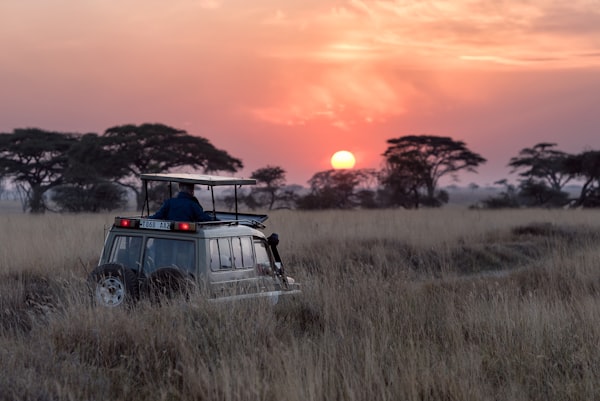
Kenya is famous around the world for its wildlife, beaches, mountains and spectacular landscapes. But after sunset, another natural attraction begins to reveal itself: the night sky. With vast wilderness areas, relatively low light pollution in many remote regions and an equatorial location, stargazing safaris in Kenya could become an exciting new tourism product.
Kenya Wildlife Service (KWS) is already promoting Astro-tourism and night wildlife safaris in destinations including Amboseli, Tsavo East, Tsavo West, Meru, Marsabit, Sibiloi and other national parks. This shows that astronomy-based tourism is increasingly being recognized as an opportunity to diversify Kenya’s tourism offering.
Instead of ending a safari when the sun goes down, travelers could increasingly have the opportunity to continue their adventure under a sky filled with stars.
What Are Stargazing Safaris?

Stargazing safaris combine traditional wildlife tourism with astronomy and nighttime experiences. Visitors can spend their evenings observing stars, planets, constellations, the Milky Way and other celestial events while staying in remote wilderness areas.
A stargazing safari does not necessarily require sophisticated equipment. In many cases, the experience can involve simply sitting beneath a dark sky with an experienced guide explaining the constellations. More advanced experiences could include telescopes, binoculars, astrophotography equipment and educational astronomy sessions.
This creates an opportunity for Kenya to develop a tourism product that combines nature, science, adventure and education.
Why Kenya Has Strong Potential for Stargazing Tourism
Kenya’s Equatorial Location

One of Kenya’s greatest advantages is its location near the equator.
The equatorial position provides travelers with an unusual opportunity to observe celestial objects from both the northern and southern parts of the sky during different periods of the year. This can make Kenya particularly attractive to astronomy enthusiasts who want to experience a different perspective of the night sky.
For international travelers, stargazing can therefore become more than an evening activity. It can be an additional reason to choose Kenya as a destination for stargazing safaris.
Vast Areas With Low Light Pollution
Light pollution is one of the biggest threats to modern stargazing. Cities and heavily developed areas produce artificial light that can make faint stars and the Milky Way difficult or impossible to see.
Fortunately, much of Kenya’s tourism landscape lies far from major urban centers.
Northern Kenya, Tsavo, Amboseli, parts of the Rift Valley and numerous wildlife conservancies offer expansive landscapes with comparatively limited artificial lighting. KWS specifically identifies the wide-open skies and minimal light pollution of places such as Tsavo East and Amboseli as opportunities for Astro-tourism.
This gives Kenya a valuable natural resource that does not require major construction to create.
Wildlife and Stargazing Can Work Together
The greatest opportunity may be combining astronomy with Kenya’s existing safari industry.
A visitor could spend the day watching elephants, lions, giraffes and other wildlife before enjoying an evening astronomy session at the same lodge or conservancy.
This creates a more complete safari experience. Rather than wildlife viewing being restricted to daylight hours, visitors can discover another side of the wilderness after sunset.
KWS already packages Astro-tourism alongside night wildlife experiences, demonstrating how the two products can complement each other.
Kenya’s Best Potential Stargazing Destinations
Amboseli National Park

Amboseli is one of Kenya’s most recognizable safari destinations, famous for its elephants and spectacular views of Mount Kilimanjaro.
Its open landscapes provide excellent opportunities for combining wildlife and astronomy. Imagine watching the sun set behind Kilimanjaro before seeing the Milky Way appear above the plains.
KWS already identifies Amboseli as an Astro-tourism destination, making it one of the strongest places to develop a dedicated stargazing safari experience.
Tsavo East and Tsavo West

Tsavo’s enormous size and remote wilderness make it another promising destination.
Tsavo East, in particular, has vast semi-arid landscapes, open horizons and relatively little artificial light. KWS describes the park’s night skies as offering exceptional conditions for Astro-tourism and guided night wildlife experiences.
A dedicated Tsavo stargazing safari could combine astronomy, photography, night wildlife and traditional game drives into one distinctive itinerary.
Northern Kenya

Northern Kenya could become one of the country’s most exciting frontiers for Astro-tourism.
Destinations around Marsabit, Sibiloi and the Lake Turkana region offer remote landscapes and limited urban development. The combination of desert scenery, dramatic horizons and dark skies could create a powerful tourism experience.
KWS already lists Marsabit and Sibiloi among its destinations for Astro-tourism and night wildlife safaris.
The challenge is accessibility, but that could also become part of the appeal for travelers seeking remote and exclusive experiences.
Laikipia and Private Conservancies
Laikipia has another major advantage: private conservancies can often experiment with specialized tourism products more easily than heavily visited destinations.
The region is already associated with distinctive overnight experiences such as open-air “star beds”, where guests can sleep outdoors under the night sky.
With suitable lighting policies, astronomy guides and telescopes, these experiences could evolve into premium stargazing safaris.
Stargazing Could Diversify Kenya’s Tourism Industry

Kenya’s tourism industry has traditionally depended heavily on wildlife and beach tourism. Although these remain extremely important, developing niche products can help diversify the sector.
Stargazing tourism could attract a different range of visitors, including:
- Astronomy enthusiasts
- Astrophotographers
- Families
- Scientists and researchers
- Students
- Adventure travellers
- Luxury travellers
- Nature photographers
- Educational groups
- Couples seeking unique experiences
This diversification could help Kenya attract visitors who may not be primarily interested in traditional game drives.
Kenya’s Tourism Act specifically provides for the development of niche tourism products and services, as well as sustainable tourism and equitable sharing of tourism benefits.
Astrophotography Could Be a Major Attraction

Astrophotography presents another significant opportunity.
Modern cameras and smartphones have made night-sky photography increasingly accessible. Tourists could photograph the Milky Way over Mount Kilimanjaro, elephants beneath a star-filled sky or dramatic landscapes illuminated by moonlight.
Professional Astro photographers could also be attracted by specialized safari packages offering:
- Dark-sky locations
- Photography guides
- Telescope access
- Extended overnight stays
- Safe photography platforms
- Weather and moon-phase planning
- Minimal artificial lighting
Such experiences could command premium prices while encouraging visitors to stay longer.
Connecting Astronomy With Kenyan Culture
Stargazing safaris do not have to focus exclusively on science.
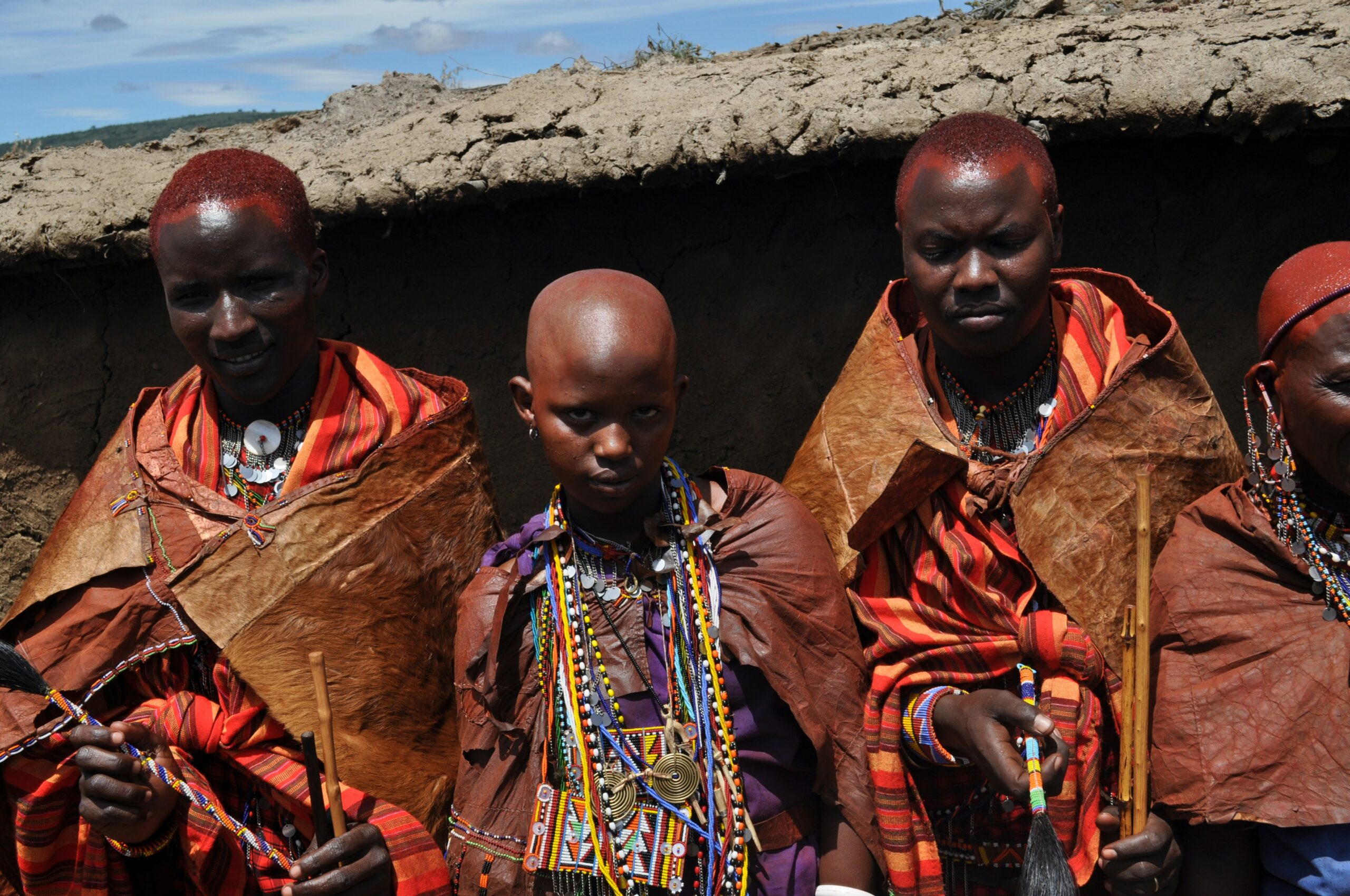
Kenya’s communities have long interacted with the natural environment, including the sky, seasons and changing patterns of nature. Cultural astronomy could therefore become an important part of the experience.
Local guides could share traditional stories, seasonal knowledge and cultural interpretations associated with the stars while astronomers explain the scientific perspective.
This combination could create an experience that is both educational and culturally meaningful.
The Role of Science and Education
Astro-tourism could also help bring science closer to the public.
The Kenya Space Agency has already promoted Astro-tourism and used planetarium experiences to introduce visitors to space science and astronomy. The agency has highlighted Kenya’s dark skies, low light pollution and geographical position as advantages for stargazing, astrophotography and space-themed travel.
This creates an opportunity for tourism operators, schools, universities, conservation organizations and government agencies to work together.
Imagine a safari where visitors spend the afternoon learning about wildlife conservation and the evening learning how to identify planets and constellations.
That is a tourism experience with educational value as well as entertainment.
Protecting Kenya’s Dark Skies
The growth of stargazing tourism must be managed carefully.
Ironically, a poorly planned Astro-tourism destination could destroy the very attraction it is trying to sell. Excessive outdoor lighting from lodges, camps and tourist facilities can reduce the quality of the night sky.
Kenya could therefore benefit from adopting dark-sky-friendly lighting standards in selected tourism destinations.
International Dark Sky certification provides an example of how protected areas and communities can preserve night skies through responsible lighting policies, education and long-term management. Dark Sky International also identifies tourism and local economic activity among the potential benefits of dark-sky certification.
Future safari developments could use:
- Shielded outdoor lights
- Warm, low-intensity lighting
- Motion-sensitive lights
- Lights directed toward the ground
- Reduced unnecessary illumination
- Dark-sky-friendly camp designs
Protecting darkness would benefit not only tourists but also nocturnal wildlife.
Challenges Facing Stargazing Safaris in Kenya
Despite its potential, Astro-tourism will not develop automatically.
Weather is one challenge. Clouds, dust and atmospheric conditions can affect visibility. Wildlife safety is another important consideration, particularly when visitors are outside at night.
Access and park regulations also need to be considered. Visitors should use authorized camps, lodges and designated areas rather than independently entering protected areas after dark.
There is also a need for trained astronomy guides who understand both the science and the tourism experience.
Finally, Kenya will need effective marketing. Many international visitors still associate the country almost exclusively with wildlife and beaches. Promoting its night skies could introduce a completely different image of Kenya.
How Kenya Could Build a World-Class Stargazing Safari Product
Kenya could take several steps to develop this niche.
First, tourism stakeholders could identify and map areas with exceptionally dark skies. Scientific measurements would help determine which locations have the greatest potential.
Second, selected camps and conservancies could develop dedicated astronomy programmes.
Third, local guides could receive training in basic astronomy, astrophotography and night-sky interpretation.
Fourth, Kenya could explore dark-sky certification for suitable destinations.
Finally, stargazing could be incorporated into existing safari packages rather than marketed only as a standalone product.
This would make the experience easier to sell to international visitors already coming to Kenya for wildlife.
A New Reason to Experience Kenya After Dark
The future of stargazing safaris in Kenya could be much bigger than simply looking at stars.
It could combine wildlife, astronomy, photography, science, conservation, culture and adventure into a single tourism experience.
Kenya already has the essential ingredients: vast wilderness areas, dramatic landscapes, an equatorial location and a growing interest in Astro-tourism. Government agencies are beginning to recognize this potential, while safari destinations such as Tsavo and Amboseli are already being promoted for night-sky experiences.
With careful planning and protection of dark skies, Kenya could develop a distinctive tourism product that encourages visitors to stay longer, travel beyond traditional safari circuits and discover the country’s wilderness after sunset.
The next great safari experience in Kenya may not be found only on the ground. It could be waiting thousands of kilometers above it.