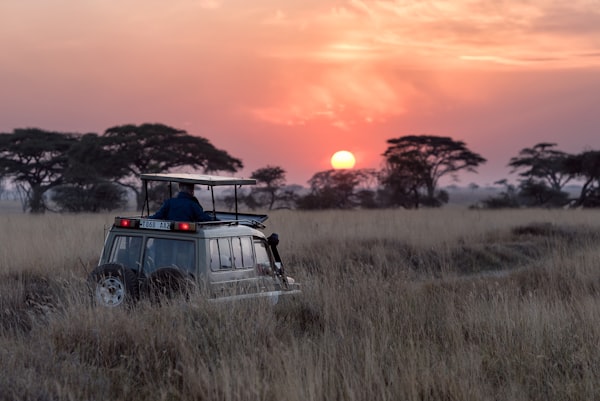
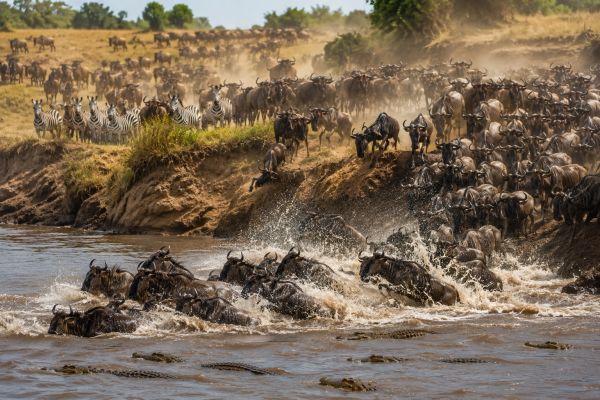
When people think about nature tourism in Kenya, they often picture lions stalking across the Maasai Mara, elephants beneath Mount Kilimanjaro, flamingos covering the shores of Lake Nakuru, or giraffes roaming the savannah. However, some of Kenya’s most important wildlife attractions are much smaller and often overlooked. Insects in Kenya’s nature tourism play a vital role in maintaining ecosystems, supporting biodiversity and creating unique opportunities for wildlife enthusiasts.
From brilliantly coloured butterflies and hardworking bees to fascinating beetles, dragonflies, grasshoppers and other remarkable species, insects are an essential part of Kenya’s natural environment. They pollinate plants, recycle nutrients, provide food for other wildlife and contribute to healthy ecosystems.
As interest in responsible and specialized travel grows, insect watching can also become an exciting addition to Kenya’s traditional safari experience.
Why Are Insects Important to Kenya’s Nature Tourism?
Kenya is famous for its spectacular wildlife, but its biodiversity extends far beyond large mammals. The country contains a remarkable variety of ecosystems, including savannahs, forests, wetlands, mountains, coastal habitats and semi-arid landscapes.
These ecosystems depend on countless small organisms, including insects.
Kenya Wildlife Service recognizes insects in Kenya as part of the country’s wider wildlife and biodiversity. Its national wildlife policy notes that Kenya’s wildlife resources include everything from large animals to fish, insects and plants, all of which contribute to the country’s biological diversity and nature-based tourism.
This makes insects an important, although often underappreciated, component of Kenya’s tourism ecosystem.
For visitors, insects can provide a completely different way of experiencing nature. Instead of focusing only on large animals, travelers can slow down, observe smaller creatures and discover the intricate relationships that keep Kenya’s ecosystems functioning.
Insects Are Essential Pollinators
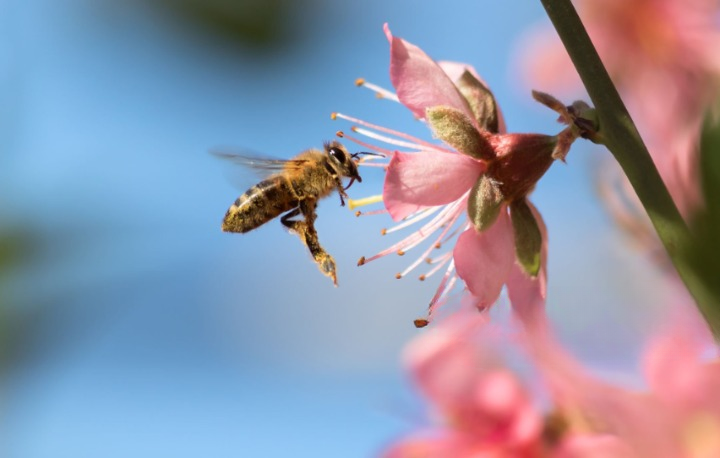
One of the most important roles of insects in Kenya is pollination.
Bees, butterflies, moths, hoverflies and other insects move pollen between flowers as they search for nectar and food. This allows many plants to reproduce and contributes to the health and diversity of natural habitats.
In Kenya, healthy plant communities are essential for wildlife tourism because plants provide food, shelter and habitat for countless animals.
A safari landscape filled with flowering plants is therefore supported by a much larger ecological system operating beneath the surface.
For nature tourists, this creates excellent opportunities for photography and wildlife observation. A visitor who stops to photograph a butterfly feeding on a flower is witnessing one small part of a much larger ecological process.
Butterflies Are Becoming Attractive to Nature Tourists
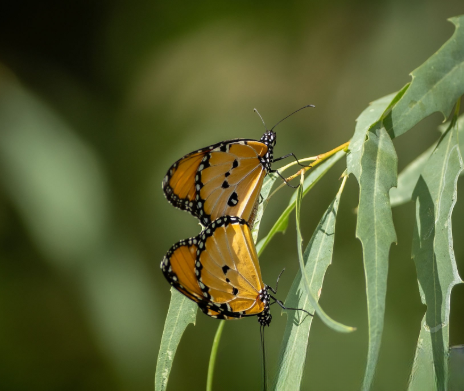
Among all insects in Kenya, butterflies are perhaps the easiest for tourists to appreciate.
Their colourful wings, interesting behaviour and association with flowers make them attractive subjects for photographers and nature enthusiasts. Butterfly watching can also be incorporated into forest walks, nature trails, botanical excursions and guided wildlife experiences.
Kenya’s diverse habitats provide suitable environments for many butterfly species. Forest ecosystems, in particular, can offer excellent opportunities for visitors interested in insects and other smaller forms of wildlife.
Places such as Kakamega Forest, coastal forests, the Aberdares and other protected habitats can potentially appeal to visitors interested in biodiversity beyond the traditional Big Five safari.
Kenya Wildlife Service lists Kakamega Forest National Reserve among the country’s protected destinations, alongside a wide range of parks and reserves representing different ecosystems.
Insects Support the Wildlife Tourists Come to See
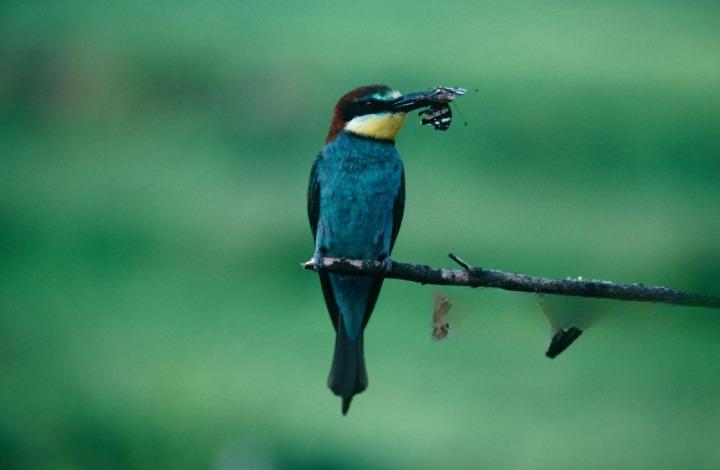
An important reason for protecting insects in Kenya is that they form part of the food web supporting larger wildlife.
Many birds, reptiles, amphibians, fish and mammals feed on insects. This means that an apparently small decline in insect populations can have consequences throughout an ecosystem.
For example, insect-eating birds depend on abundant insects for food. Reptiles and amphibians also consume insects, while many small mammals rely on them as part of their diet.
This creates a simple ecological connection:
Healthy insect populations → healthy food webs → healthy ecosystems → better wildlife experiences.
The connection is especially important in nature tourism because visitors travel to Kenya to experience functioning ecosystems rather than isolated animal species.
Insects Help Maintain Healthy Soils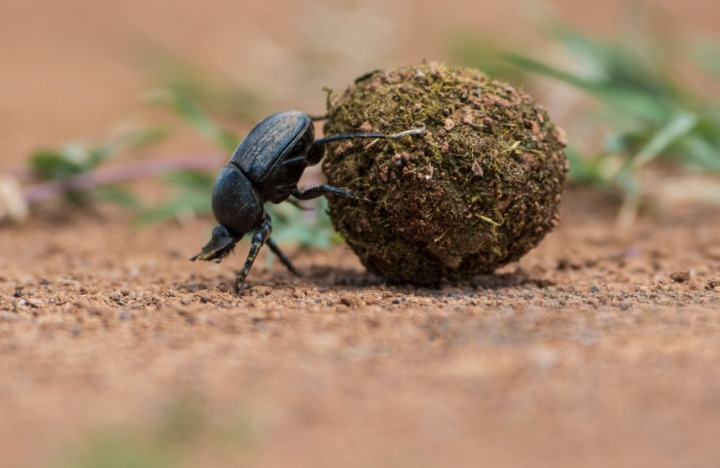
Insects in Kenya are also important decomposers and recyclers.
Dung beetles are a particularly fascinating example. They break down and bury animal dung, helping return nutrients to the soil. Other insects contribute to decomposition and nutrient cycling by breaking down dead plant and animal material.
These processes may not be as visually dramatic as a lion hunt, but they are fundamental to ecosystem health.
Healthy soil supports vegetation, and vegetation supports herbivores. Herbivores then support predators and scavengers.
In this way, even tiny insects can contribute indirectly to the spectacular wildlife experiences that attract tourists to Kenya.
Kenya’s wildlife management framework recognizes ecosystem services such as pollination, nutrient cycling and soil regeneration as important functions provided by protected ecosystems.
Insects Create New Wildlife Photography Opportunities
Wildlife photography in Kenya has traditionally focused on elephants, lions, cheetahs, rhinos, leopards and other large animals.
However, macro photography is creating another way to experience the country’s biodiversity.
Insects are excellent photography subjects because of their unusual colours, textures, shapes and behaviours. Butterflies resting on flowers, dragonflies near wetlands, beetles moving through leaf litter and bees collecting pollen can all produce compelling images.
Macro photography also encourages tourists to slow down.
Instead of driving quickly across a national park looking for large mammals, visitors can spend time examining vegetation and observing the smaller organisms living within it.
This can make nature tourism more educational and immersive.
Kora National Park Shows the Importance of Insect Diversity
One striking example of insects in Kenya biodiversity can be found at Kora National Park.
According to Kenya Wildlife Service, Kora has rich biodiversity that includes more than 500 insect species, alongside numerous reptiles and other wildlife.
This illustrates an important point: a national park is much more than a place to see large mammals.
The landscape supports an entire community of organisms, from insects and plants to reptiles, birds and larger mammals.
For specialized travelers, destinations with documented insect diversity could become increasingly attractive as interest in biodiversity-focused tourism grows.
Insects Can Strengthen Ecotourism Experiences

Ecotourism is based on experiencing nature while supporting conservation and local communities.
Insect-focused experiences fit naturally into this model.
A guided forest walk, for example, can include information about butterflies, pollinators, beetles, ants and other insects. Visitors can learn how these species interact with plants and other wildlife without disturbing them.
This creates an educational tourism experience rather than simply a sightseeing activity.
Local guides can also develop specialist knowledge of insects and biodiversity. Over time, this could create additional employment opportunities while encouraging communities and tourism businesses to protect natural habitats.
Kenya Wildlife Service’s protected-area management approach includes ecological management, tourism development and community partnerships, reflecting the connection between conservation, tourism and local participation.
Insect Tourism Can Diversify Kenya’s Safari Experiences
Kenya’s tourism industry is strongly associated with the Big Five.
While lions, elephants, leopards, buffaloes and rhinos remain major attractions, relying exclusively on large mammals can limit the way visitors experience biodiversity.
Insect tourism in Kenya offers an opportunity to diversify wildlife experiences.
Imagine a safari itinerary that includes:
- A traditional game drive
- A guided butterfly walk
- A forest biodiversity trail
- A macro photography session
- A visit to a wetland to observe dragonflies and other insects
- A conservation talk about pollinators
- A night walk to discover nocturnal insects
Such experiences could appeal to photographers, students, researchers, families and travelers looking for something beyond conventional safari activities.
Forests Are Important for Insect-Based Nature Tourism
Kenya’s forests are particularly valuable for biodiversity tourism.
Unlike open savannah landscapes, forests encourage visitors to explore smaller ecological details. A guided walk can reveal insects living on leaves, beneath fallen branches, around flowers and close to streams.
Forest tourism can therefore complement traditional game drives.
Destinations such as Kakamega Forest and the forests of the central highlands can provide opportunities for visitors interested in plants, birds, insects and other lesser-known wildlife.
This type of experience also encourages longer and more focused visits because tourists are not simply searching for a particular animal. Instead, they are exploring an entire ecosystem.
Insects Can Support Conservation Awareness
One of the greatest benefits of insect-based tourism is education.
Many people do not realize how important insects in Kenya are until they learn about their ecological roles.
A guide explaining how bees pollinate plants, how beetles recycle nutrients or how insects support birds can transform the visitor’s perception of these small creatures.
Instead of viewing insects simply as pests, tourists may begin to understand them as essential components of biodiversity.
That change in perception can support broader conservation goals.
When visitors understand that protecting wildlife means protecting entire ecosystems, conservation becomes more comprehensive.
Insects and Sustainable Tourism in Kenya
Sustainable tourism depends on maintaining the natural resources that attract visitors.
Kenya Wildlife Service describes its protected-area management system as a balance between biodiversity conservation, tourism, community engagement and sustainable development.
Insects fit naturally into this approach because they are closely connected to habitat quality.
Protecting flowering plants, forests, wetlands and grasslands can benefit insects while simultaneously supporting birds, mammals and other wildlife.
This means that conservation measures designed to protect entire ecosystems can have benefits far beyond individual insect species.
For tourism operators, promoting biodiversity rather than focusing only on famous animals can also encourage visitors to appreciate lesser-known aspects of Kenya’s natural heritage.
The Role of Guides in Insect Tourism
Tour guides can play a major role in making insect experiences successful.
Most tourists cannot identify a butterfly, beetle or dragonfly species on their own. A knowledgeable guide can explain what the visitor is seeing and why it matters.
Guides can point out:
- Pollinating insects
- Camouflaged insects
- Dung beetles
- Butterflies and moths
- Dragonflies
- Grasshoppers
- Ant colonies
- Insect predators
- Insects associated with particular plants
This turns an ordinary nature walk into an educational adventure.
Training guides in basic insect identification and ecology could therefore help Kenya develop more specialized biodiversity tourism products.
Challenges Facing Insects in Kenya
Despite their importance, insects face several environmental pressures.
Habitat loss, pesticide use, climate change, pollution, invasive species and changes in land use can affect insect populations.
Because insects occupy almost every terrestrial ecosystem, environmental changes can have wide-ranging consequences.
Protecting insect diversity therefore requires protecting habitats.
Conservation should not focus only on large and charismatic species. Healthy ecosystems need plants, insects, birds, reptiles, mammals, fungi and microorganisms working together.
This broader approach is particularly important for Kenya’s long-term nature tourism industry.
How Tourists Can Help Protect Insects
Visitors can make a positive contribution by practicing responsible tourism.
Tourists should avoid collecting insects, damaging vegetation or deliberately disturbing nests and colonies. Photography should be carried out without handling or stressing animals.
Travelers can also support accommodation providers, guides and tour operators that promote responsible environmental practices.
When visiting parks and reserves, tourists should follow official rules and remain within designated areas. Kenya Wildlife Service emphasizes responsible visitor behaviour, including respecting wildlife and following park regulations.
Even small actions can help protect the habitats that support insect diversity.
The Future of Insects in Kenya’s Nature Tourism
The future of insects in Kenya’s nature tourism could be much bigger than many travelers currently realize.
Kenya already has a strong reputation for wildlife tourism, but the country’s biodiversity offers opportunities to create more specialized experiences.
Butterfly watching, insect photography, forest walks, biodiversity tours and educational nature trails could complement traditional safari activities.
The country’s protected areas already encompass a wide range of ecosystems, from savannahs and mountains to forests, wetlands and coastal environments.
These diverse habitats create opportunities to showcase the smaller creatures that make ecosystems function.
As travelers increasingly seek authentic, educational and sustainable experiences, insects could become an important part of Kenya’s wider nature tourism story.
Conclusion: Small Creatures, Big Impact
The role of insects in Kenya’s nature tourism extends far beyond their size.
They pollinate plants, recycle nutrients, support food webs, contribute to soil health and help maintain the ecosystems that make Kenya such a remarkable wildlife destination.
For tourists, insects provide new opportunities for photography, education, forest exploration and specialized wildlife experiences.
Kenya’s famous elephants, lions, rhinos and giraffes may dominate safari brochures, but the country’s natural heritage depends on countless smaller creatures working quietly behind the scenes.
Recognizing the importance of insects can therefore help Kenya build a more diverse and sustainable nature tourism industry—one that celebrates not only the Big Five, but the extraordinary biodiversity that makes every ecosystem work.
Frequently Asked Questions About Insects in Kenya’s Nature Tourism
Why are insects important in Kenya’s nature tourism?
Insects support pollination, nutrient cycling, soil health and food webs. They also provide opportunities for butterfly watching, macro photography, guided nature walks and biodiversity education.
What insects can tourists see in Kenya?
Visitors may encounter butterflies, moths, bees, beetles, dragonflies, grasshoppers, ants, termites and many other insect groups, depending on the habitat and season.
Where can tourists experience insect biodiversity in Kenya?
Forest reserves, national parks, wetlands, botanical areas and other natural habitats can provide opportunities to observe insects. Kora National Park, for example, is documented by Kenya Wildlife Service as having more than 500 insect species.
Are butterflies important to Kenya’s ecosystem?
Yes. Butterflies can contribute to pollination and form part of food webs. They are also valuable indicators and subjects for biodiversity education and wildlife photography.
Can insect tourism become popular in Kenya?
Yes. Insect tourism could complement traditional safaris through activities such as butterfly watching, macro photography, forest walks, biodiversity tours and educational experiences.
How can tourists protect insects?
Tourists should avoid collecting or handling insects, stay on designated trails, avoid damaging vegetation and follow responsible wildlife-viewing guidelines.