Kenya is globally recognized for its spectacular wildlife, diverse landscapes, and incredible birdlife. With more than 1,100 recorded bird species, the country ranks among Africa’s premier birdwatching destinations. Among these species are several endemic birds to Kenya, birds found nowhere else on Earth. These remarkable species are a source of national pride and attract ornithologists, conservationists, and birdwatchers from around the world.
The endemic birds to Kenya inhabit a variety of ecosystems ranging from arid northern deserts and isolated forests to mountain ranges and coastal habitats. Because many of these birds have limited distributions, they are particularly vulnerable to habitat loss and climate change, making conservation efforts crucial.
In this guide, we explore the most notable endemic birds to Kenya, their habitats, characteristics, conservation status, and where bird enthusiasts can find them.
Why Endemic Birds Matter
Endemic species are unique because they exist naturally in only one geographic area. The presence of endemic birds to Kenya highlights the country’s ecological significance and biodiversity richness.
Benefits of protecting endemic birds include:
- Maintaining ecosystem balance
- Supporting ecotourism and birdwatching
- Preserving Kenya’s natural heritage
- Encouraging conservation awareness
Many travelers specifically visit Kenya to spot these rare endemic birds to Kenya, making bird tourism an important contributor to conservation.
Hinde’s Babbler

Scientific Name
Turdoides hindei
Distribution
Hinde’s Babbler is one of the most famous endemic birds to Kenya. It occurs mainly in central Kenya around:
- Machakos
- Makueni
- Kitui
- Thika
Identification
- Brown upperparts
- Pale underparts
- Long tail
- Distinctive social behavior
Interesting Facts
This species lives in cooperative family groups and is often seen foraging together.
Conservation Status
Vulnerable due to habitat degradation and agricultural expansion.
Clarke’s Weaver
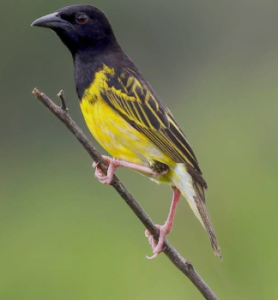
Ploceus golandi
Clarke’s Weaver is among the rarest endemic birds to Kenya.
Habitat
Found primarily in:
- Arabuko-Sokoke Forest
- Dakatcha Woodland
Identification
- Bright yellow breeding plumage
- Dark facial markings
- Strong conical bill
Conservation Status
Endangered.
The survival of this species depends heavily on protecting coastal forests.
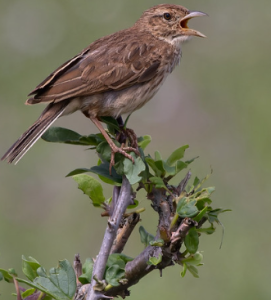
Williams’s Lark
Scientific Name
Mirafra williamsi
Williams’s Lark is one of the least-known endemic birds to Kenya.
Distribution
Occurs mainly in:
- Isiolo region
- Samburu grasslands
Features
- Sandy-brown coloration
- Excellent camouflage
- Ground-dwelling habits
Threats
Habitat conversion and overgrazing continue to threaten populations.
Sharpe’s Longclaw

Macronyx sharpei
Sharpe’s Longclaw is among the most sought-after endemic birds to Kenya.
Habitat
Found in highland grasslands around:
- Kinangop Plateau
- Nyandarua
- Limuru
Identification
- Bright yellow throat
- Striking black breast markings
- Long hind claw
Conservation Status
Endangered.
Agricultural expansion has significantly reduced suitable habitat.
Aberdare Cisticola

Cisticola aberdare
Named after the Aberdare Range, this is one of the unique endemic birds to Kenya.
Habitat
Restricted to:
- Aberdare Mountains
- Adjacent high-altitude grasslands
Characteristics
- Small size
- Brown streaked plumage
- Distinctive song
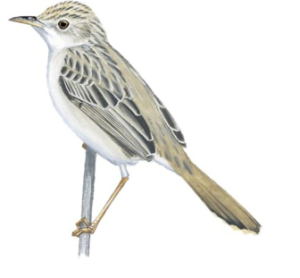
Tana River Cisticola
Scientific Name
Cisticola restrictus
The Tana River ecosystem hosts this specialized member of the endemic birds to Kenya group.
Habitat
- Tana River floodplains
- Grasslands near wetlands
Threats
- River modification
- Habitat fragmentation
Taita Thrush

Turdus helleri
The Taita Thrush is one of the most endangered endemic birds to Kenya.
Distribution
Found only in:
- Taita Hills forests
Characteristics
- Dark brown plumage
- Secretive behavior
- Forest specialist
Conservation Status
Critically Endangered.
Taita Apalis

Apalis fuscigularis
Another remarkable example of endemic birds to Kenya.
Habitat
Confined to fragmented forest patches within the Taita Hills.
Features
- Small size
- Grey upperparts
- White underparts
Conservation Status
Critically Endangered.
Best Places to See Endemic Birds to Kenya
Taita Hills
Home to:
- Taita Thrush
- Taita Apalis
Arabuko-Sokoke Forest
Home to:
- Clarke’s Weaver
Central Kenya
Home to:
- Hinde’s Babbler
Kinangop Plateau
Home to:
- Sharpe’s Longclaw
Samburu and Isiolo
Home to:
- Williams’s Lark
These locations are among the top destinations for finding endemic birds to Kenya.
Conservation Challenges Facing Endemic Birds to Kenya
Many endemic birds to Kenya face increasing threats, including:
Habitat Loss
Agricultural expansion continues to reduce critical habitats.
Climate Change
Changing rainfall patterns affect breeding cycles and food availability.
Deforestation
Forest-dependent species such as the Taita Thrush are especially vulnerable.
Human Encroachment
Growing populations increase pressure on protected areas.
Conservation organizations and local communities are working together to protect these rare endemic birds to Kenya.
Birdwatching Tips for Spotting Endemic Birds to Kenya
- Visit during the early morning hours.
- Hire experienced bird guides.
- Carry binoculars and field guides.
- Wear neutral-colored clothing.
- Be patient and quiet.
- Visit multiple habitats.
- Travel during the dry seasons.
These strategies significantly increase your chances of finding endemic birds to Kenya.
The Future of Endemic Birds to Kenya
The future of endemic birds to Kenya depends on effective conservation, habitat restoration, and sustainable tourism. Birdwatchers play an important role by supporting conservation-focused tourism initiatives that generate revenue for local communities and protected areas.
By protecting forests, grasslands, and wetlands, Kenya can ensure that future generations continue to enjoy these remarkable birds.
Kenya’s endemic birds are among the country’s most remarkable natural treasures, offering birdwatchers a unique opportunity to discover species found nowhere else in the world. From the rare Taita Thrush and Taita Apalis to Hinde’s Babbler and Clarke’s Weaver, these birds highlight the incredible biodiversity of Kenya’s forests, grasslands, mountains, and coastal habitats.
For travelers who want to experience Kenya’s remarkable wildlife and birdlife firsthand, combining birdwatching with a carefully planned safari can make the journey even more memorable. Bison Safaris can help you explore Kenya’s diverse landscapes while discovering its extraordinary wildlife and bird species. Whether you are an experienced birder or simply a nature enthusiast, Kenya offers unforgettable opportunities to connect with its wild landscapes and unique avian treasures.